
US contractors & erectors
What exactly do I get, and what stays in my scope?
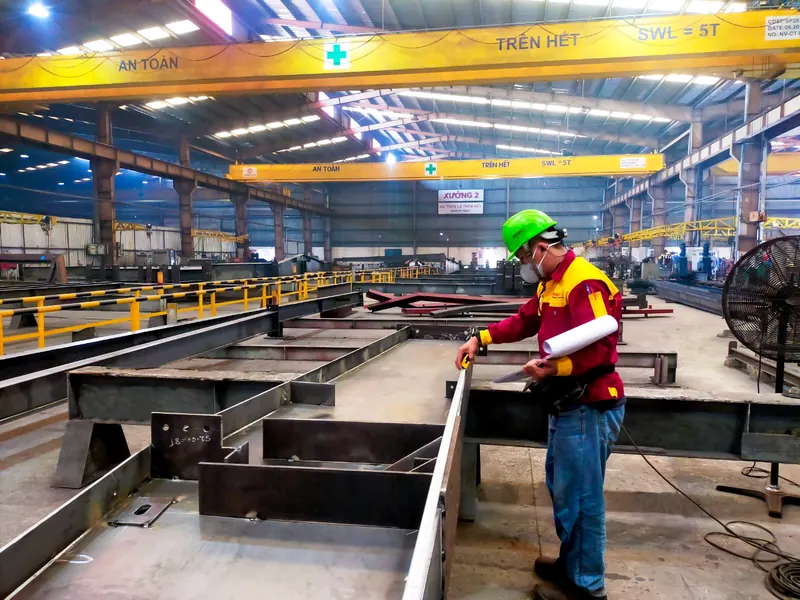
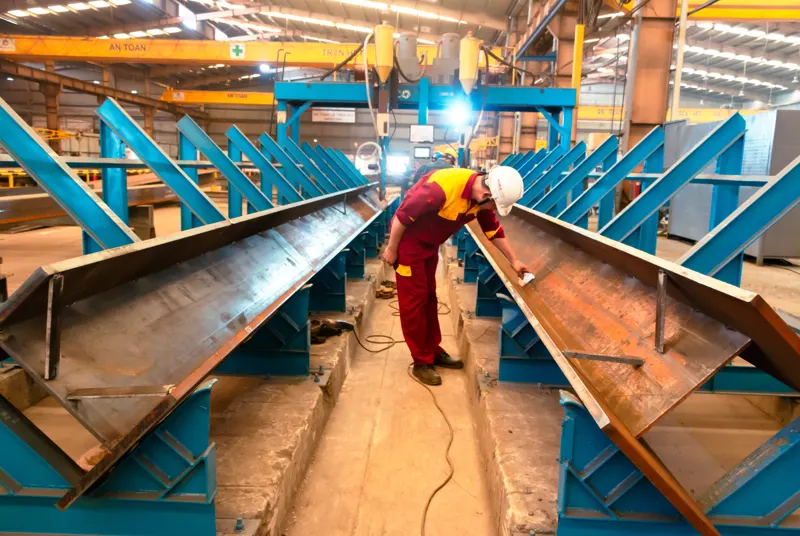
Dimensional check by QC in Vietnam before a member goes on to blasting and paint.
Resource library · World Steel USA
US codes, seismic and hurricane design, state and port guides, Incoterms, shipping and drawings in one free library, each guide clear on what World Steel does in its own plant and what stays with your US team.
Search the library
Start here
A US steel building has many readers. Each path below is the short list our engineers send when that reader asks us where to begin.
What exactly do I get, and what stays in my scope?
Which codes is it designed to, and what records back it?
Can a steel building made in Vietnam work for my US site?
How does it ship, which port, and who imports it?
Featured guides
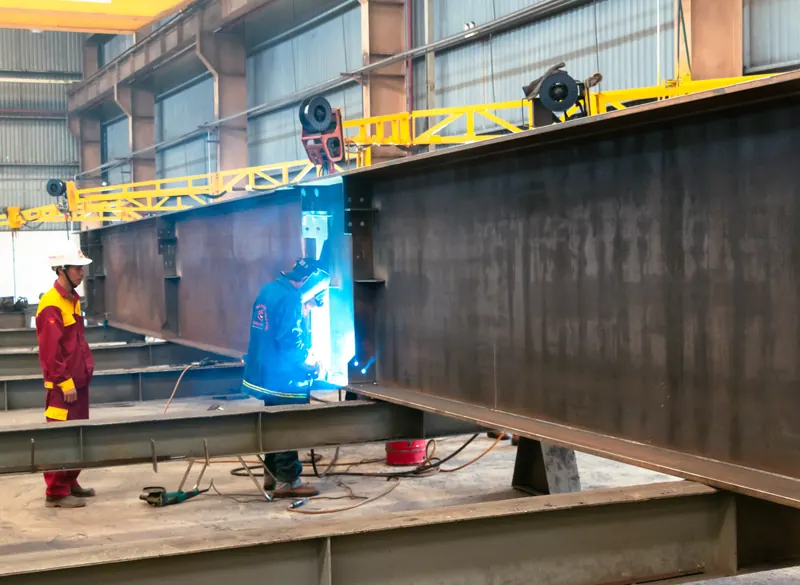
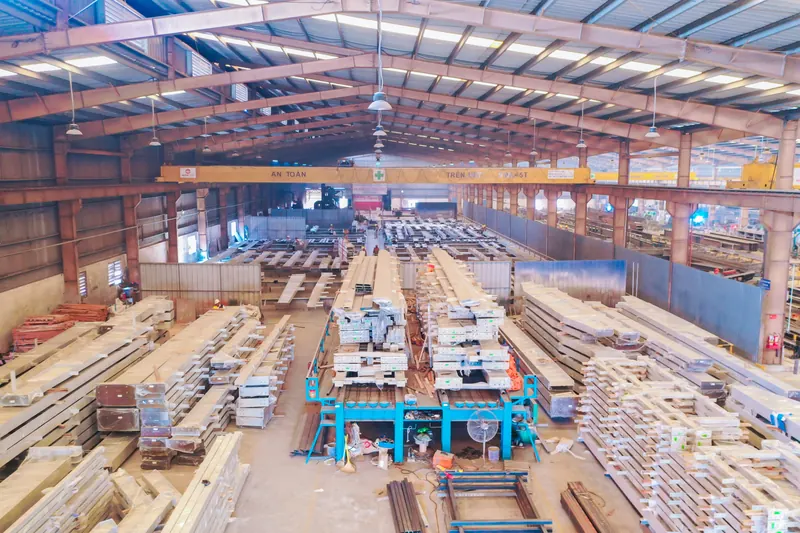
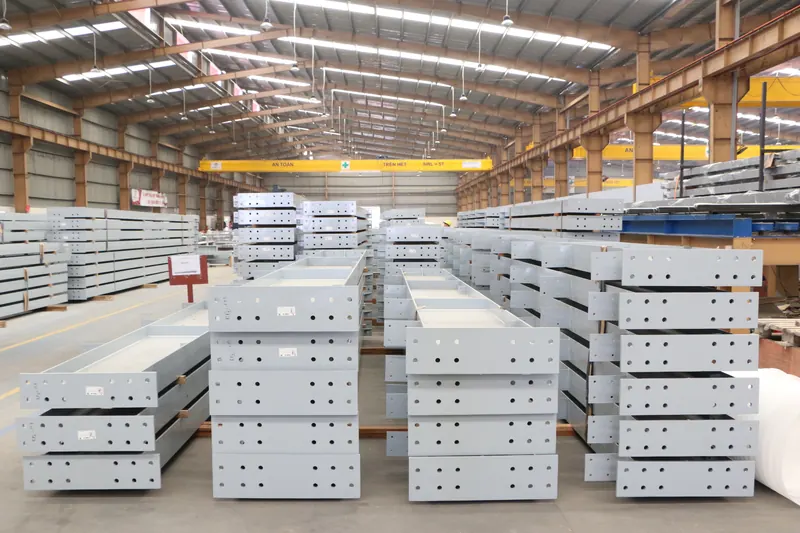
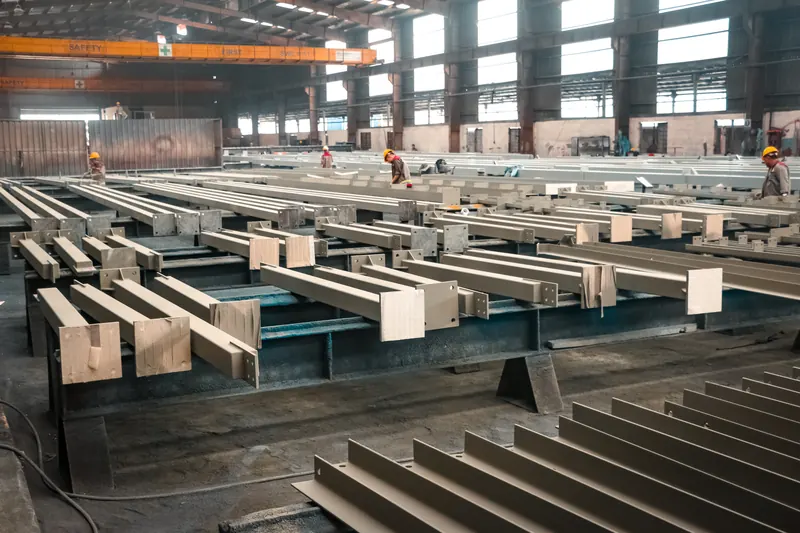
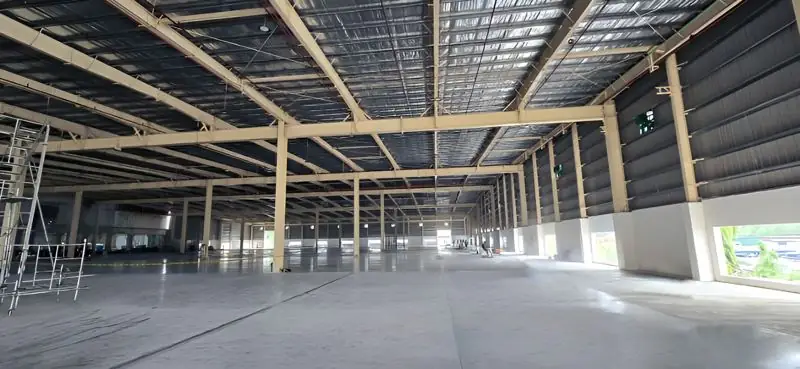
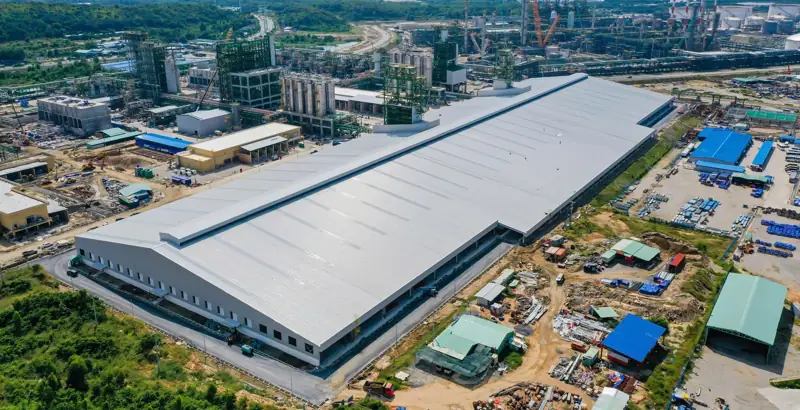
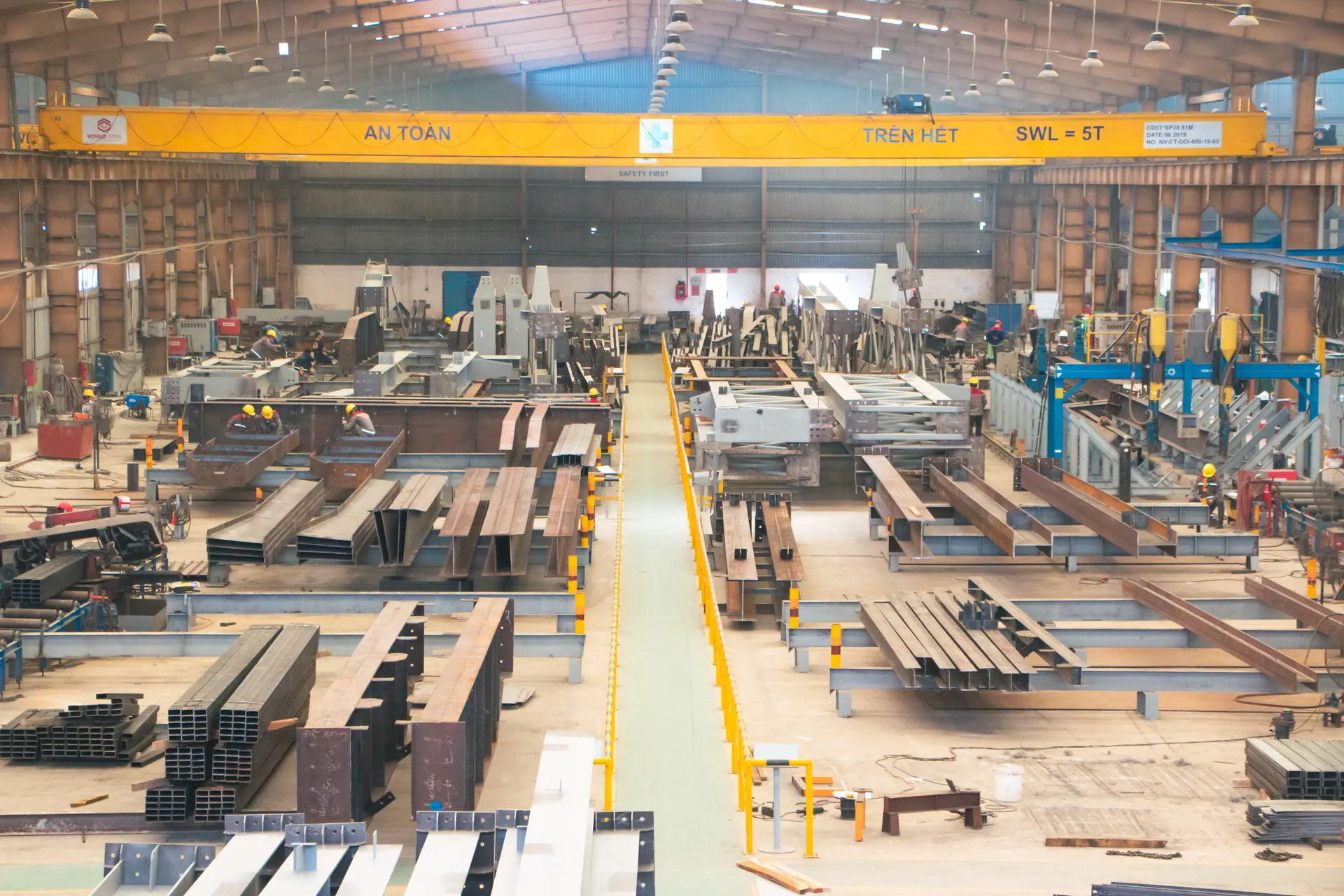
Photos from World Steel’s own plant in Vietnam, where every US order is built.
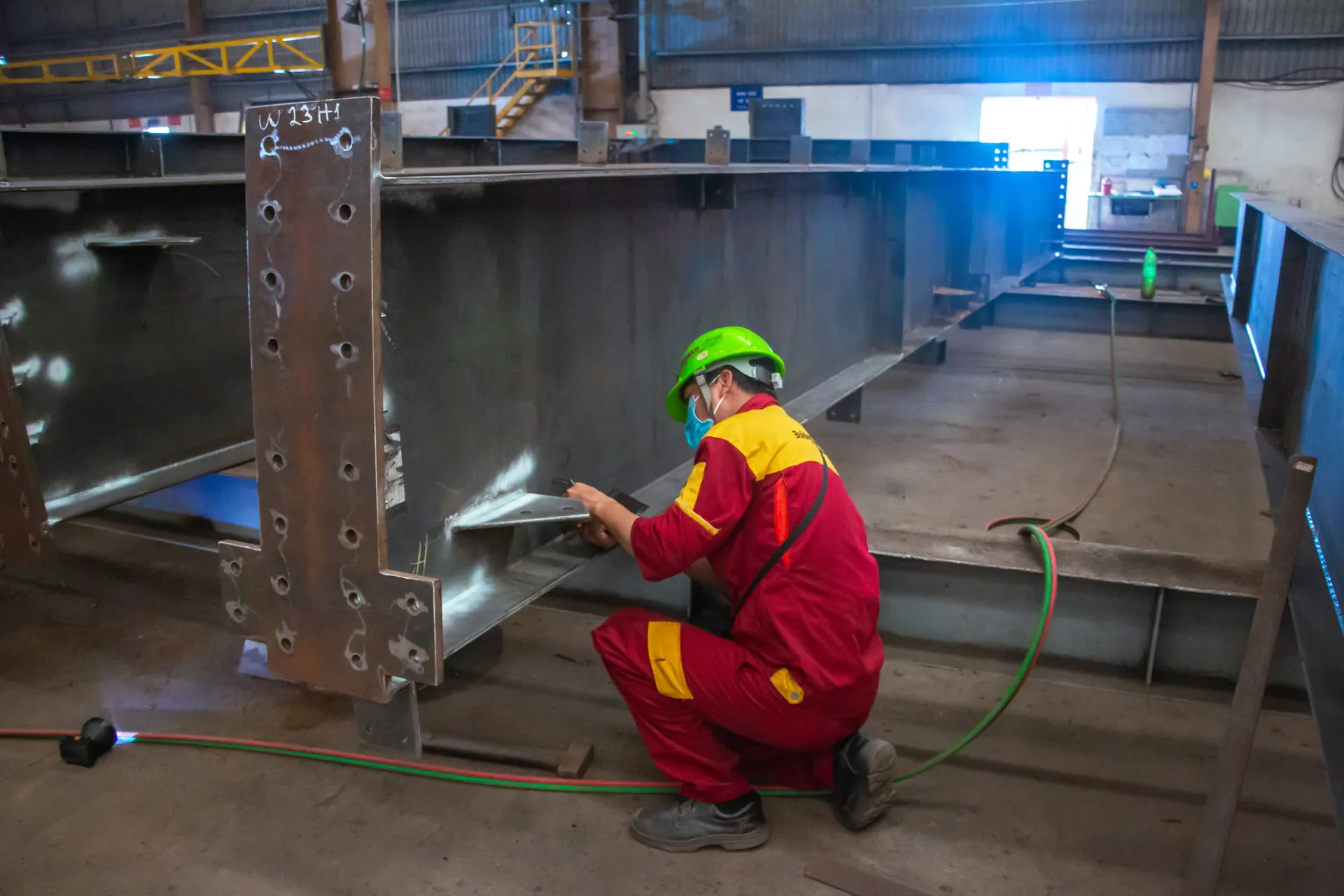
IBC 2024, ASCE 7-22, AISC 360 and 341, AISI S100, AWS D1.1, D1.3 and D1.8, RCSC and ASTM: the whole code stack behind a US steel building, and how our Vietnam plant applies each layer.
Read the guide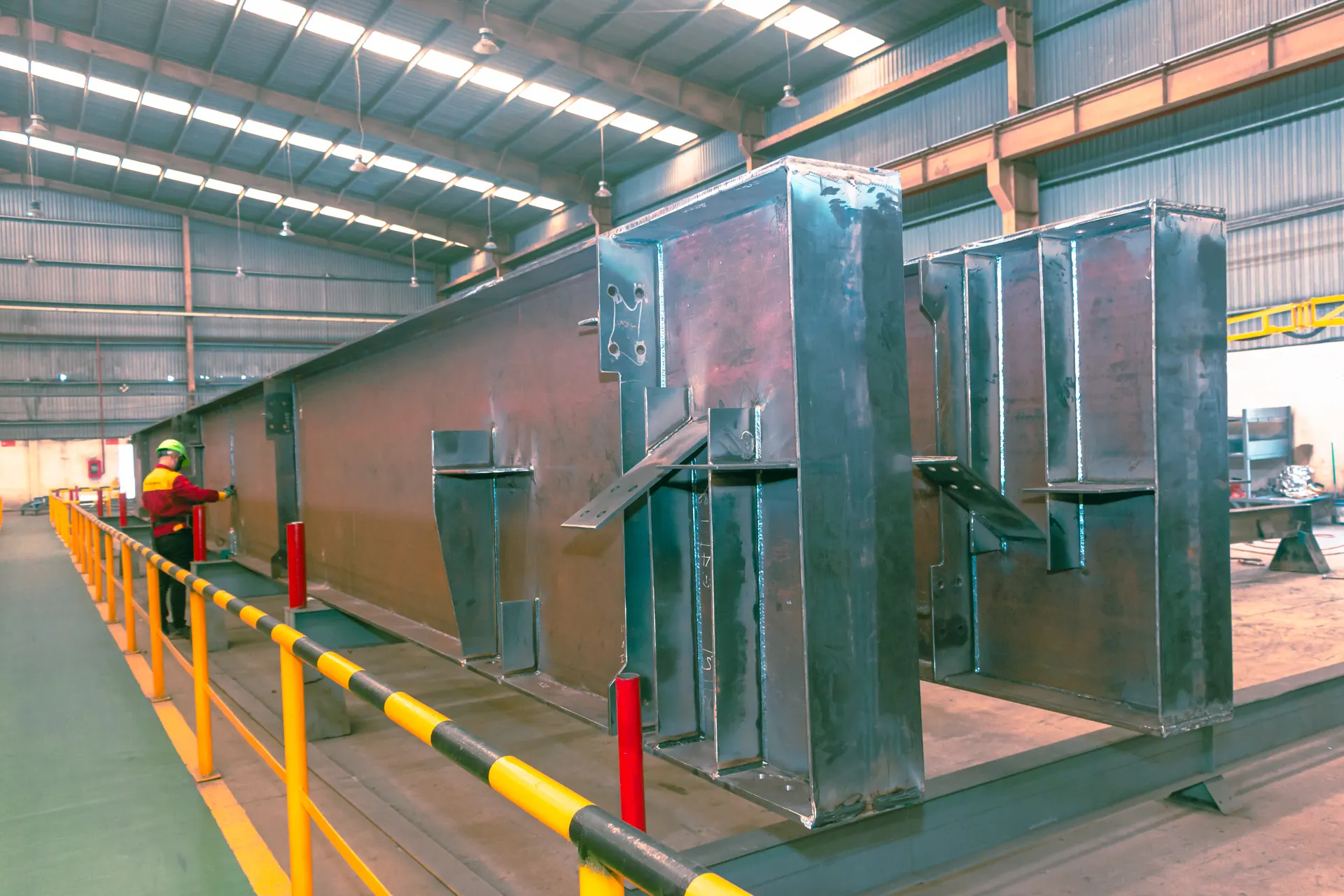
Same code loads, less steel, members sized for the container.
Read the guide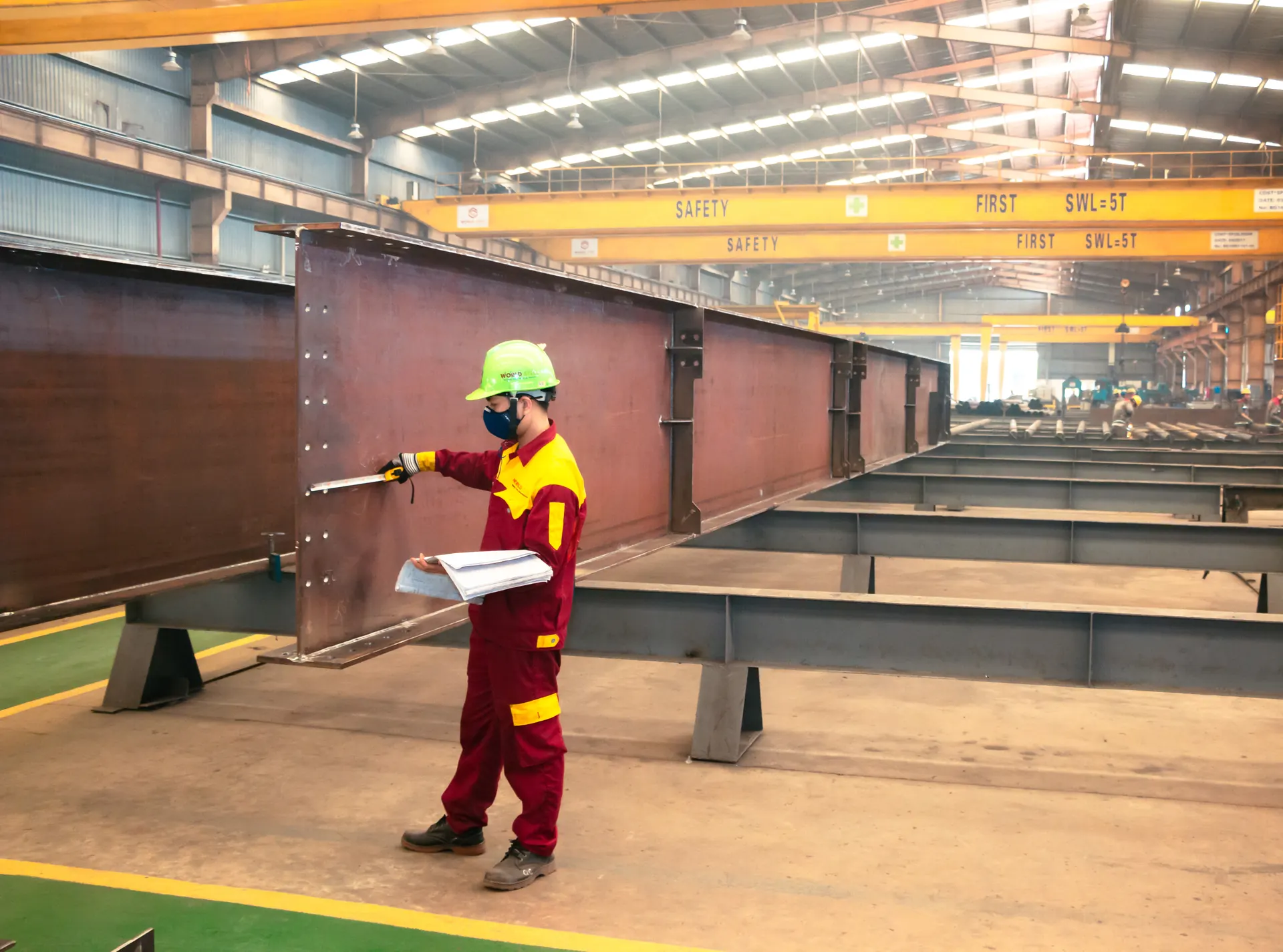
Tekla shop drawings on every project at no extra cost.
Read the guide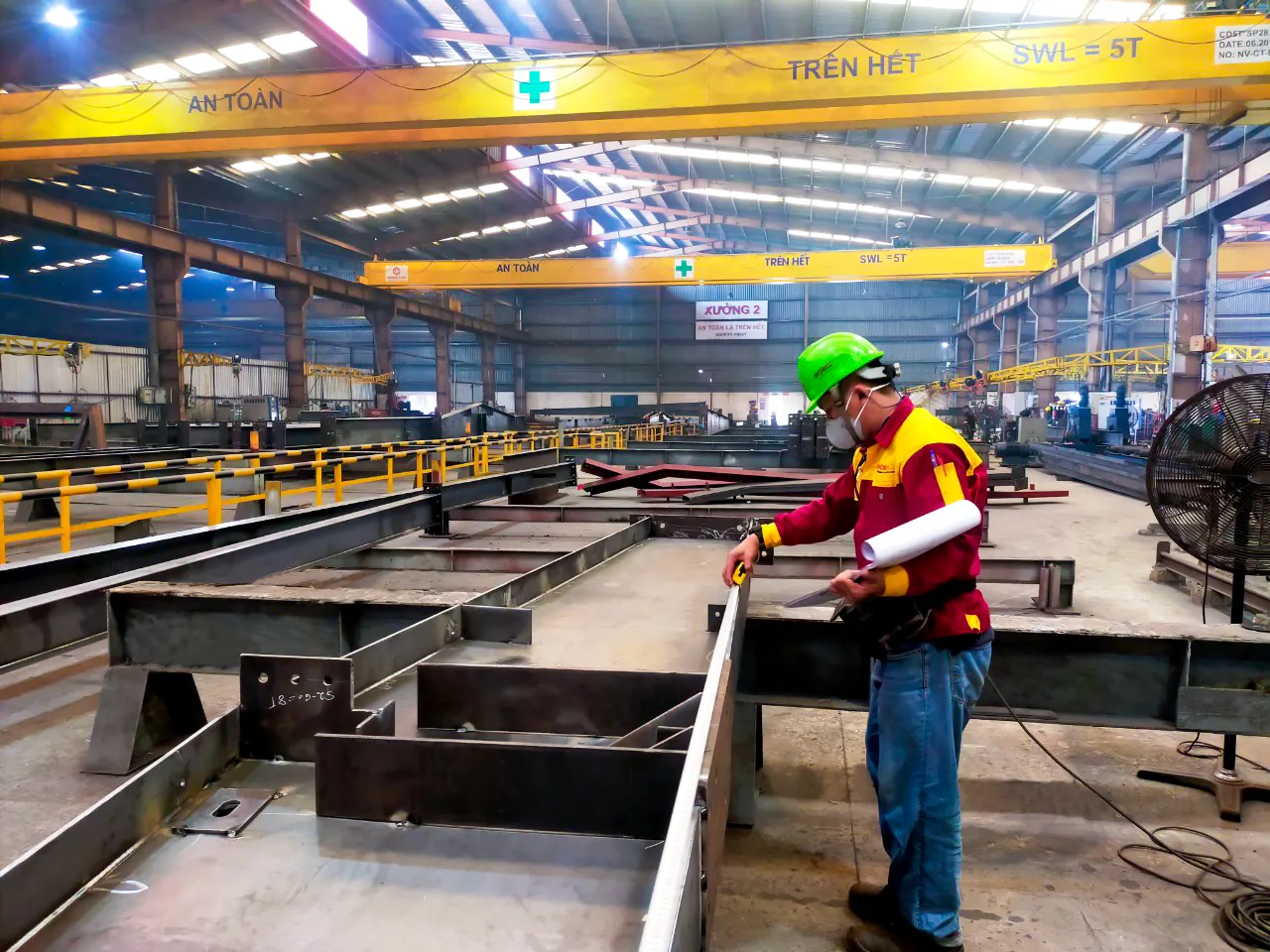
The first and only IAS AC472 fabricator in Vietnam.
Read the guide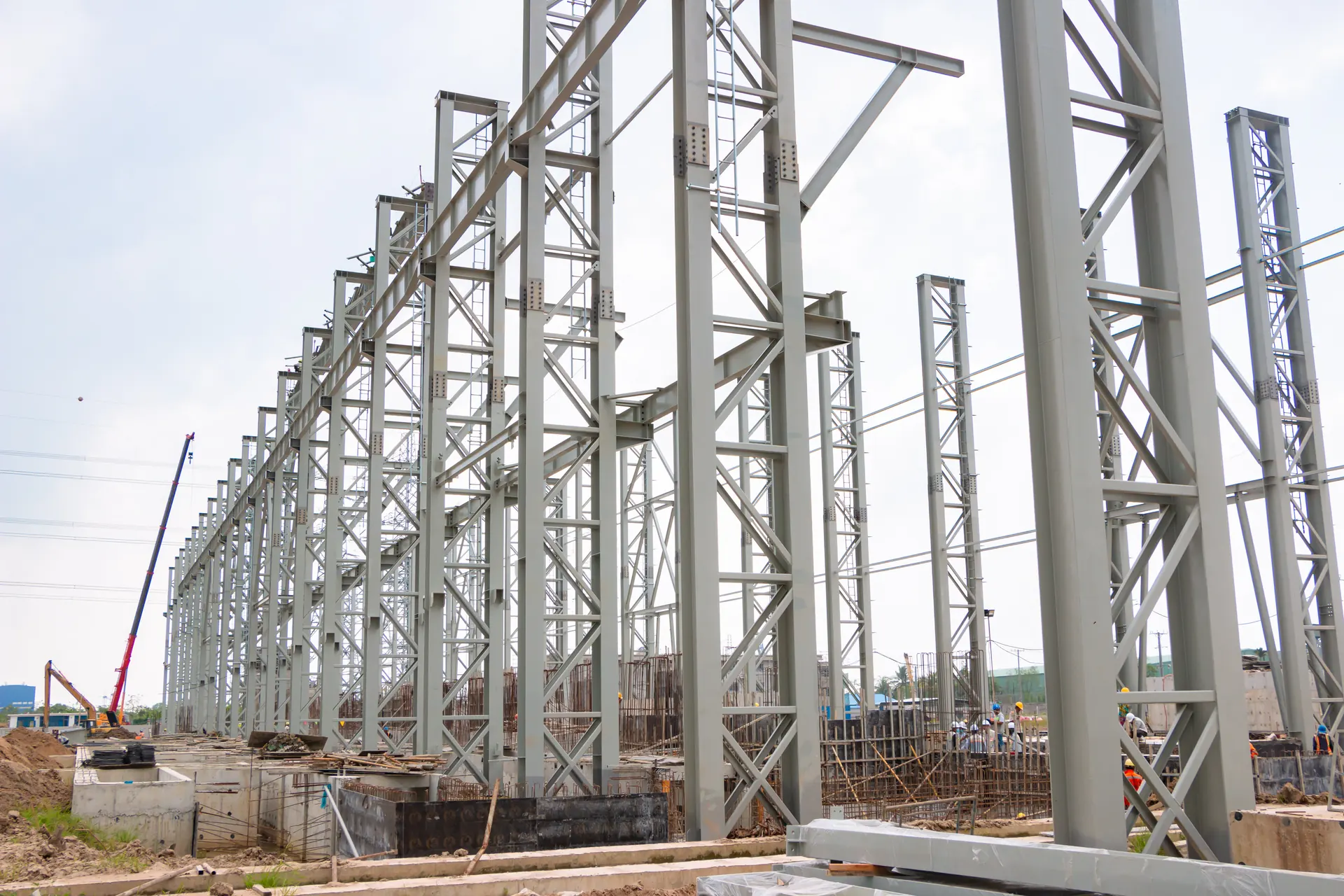
AISC 341 systems and AWS D1.8 welds for high-seismic sites.
Read the guide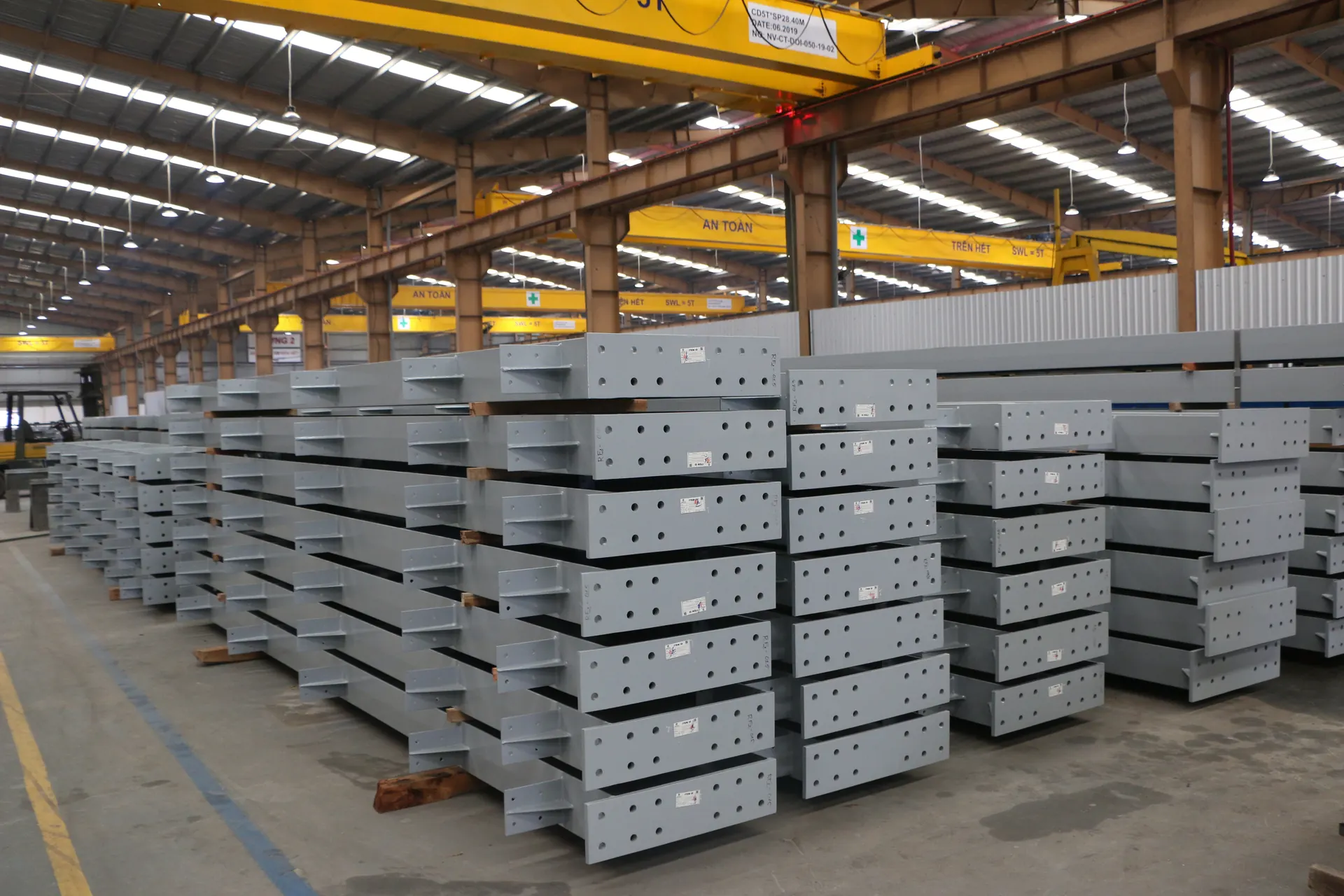
Packing in erection order, sailing routes and US ports.
Read the guideThe library
Filter by topic or search by code, state, port or trade term. For every other page on the site, see the full sitemap.
No resource matches your search. Try a shorter word, see the full sitemap, or ask our team.
The building codes, load standards and steel, welding and bolting specifications our buildings are designed to, one guide each.
Articles by World Steel engineers on buying, checking, protecting and shipping structural steel for US projects.
What your building official and special inspector can check before the steel leaves Vietnam.
Wind, snow, earthquake, corrosion and energy: how each US site condition shapes the steel.
How we design, draw and supply your building, and what your Engineer of Record receives to review and approve.
Heavy industry, oil and gas, food plants, warehouses, cold storage, energy, multi-story and long spans: what drives the steel in each.
IBC ratings, UL-listed designs and products, intumescent vs SFRM, shop-applied coating, UL 1709 and inspection.
Process plants, crusher and screen buildings, conveyor galleries, transfer towers, stockpile covers, pipe racks and remote-site delivery.
Truss footbridges, multi-bridge programs, skywalks, shop trial assembly, shipping long spans, coatings, stair towers and drawings.
Hurricane wind and roof uplift, ISO 12944 C5 and CX coatings, galvanizing and duplex, coastal detailing, earthquakes, rebuild programs and storm checks.
AISC 341 systems, demand-critical welds, protected zones and seismic QA, from design category to inspection.
Hurricane wind, wind-borne debris, salt air and flood zones under the Florida Building Code.
Seismic design, plan check, Title 24 energy and wildfire rules for California steel buildings.
Petrochemical structures, Gulf Coast windstorm, hail, clay soils, heat, city codes and the Texas ports.
Cascadia seismic, codes and energy, snow, marine air, data centers, aerospace, cold storage and the Washington ports.
Desert heat, monsoon wind and dust, caliche and fissures, local codes, semiconductor plants, data centers, EV plants and the overland haul.
The Port of Savannah, EV and battery plants, Atlanta data centers, the state minimum codes, coastal wind, humidity, food plants and studios.
The NC State Building Code, the hurricane coast, life sciences plants, EV and battery plants, data centers, aerospace, food and the ports.
New Madrid seismic, the state code, EV and battery plants, auto manufacturing, Memphis logistics, data centers, storms and the rail and river routes.
The Ohio Building Code, lake-effect snow, chip and advanced manufacturing, data centers, EV and battery plants, heavy industry, freeze-thaw and the inland routes.
Charleston seismic, the hurricane coast, the state codes, Upstate auto plants, EV and battery plants, the Port of Charleston, aerospace and distribution.
Hurricane wind, the state uniform code, petrochemical plants, LNG export terminals, soft soils, humidity and corrosion, river ports and new data centers.
Data Center Alley, the Uniform Statewide Building Code, Hampton Roads wind, the Port of Virginia, plants, seismic checks, mountain snow and distribution.
Local codes and the Chicago Building Code, the rail hub, snow and wind, data centers, Will County logistics, food and cold storage, manufacturing and seismic in the south.
The Uniform Construction Code, karst and sinkholes, Lehigh Valley warehouses, snow and frost, data centers, life sciences, western manufacturing and energy, and the ports.
The Michigan Building Code, lake-effect snow, auto supplier plants, battery and EV plants, data centers, warehouses, food and cold storage, and rail delivery through Chicago.
The Indiana Building Code and the state design release, snow, wind and seismic, RV plants, battery and auto plants, steel mills, data centers, warehouses and life sciences.
Local codes, New Madrid seismic, tornado and ice storms, the Kansas City rail hub, auto plants, St. Louis aerospace, data centers and food and farm buildings.
The Kentucky Building Code and state plan review, seismic, tornado and ice, bourbon rickhouses, auto and battery plants, air cargo logistics, heavy industry and equine buildings.
Local codes, Gulf hurricane wind, tornado storms, auto plants, aerospace in Huntsville and Mobile, steel and heavy industry, the Port of Mobile and data centers.
The Uniform Code and NYC codes, lake-effect snow, Long Island coastal wind, multi-story steel, chip-industry plants, food and dairy, the Port of New York and New Jersey and data centers.
Local codes, snow by elevation, Front Range wind and hail, aerospace, energy manufacturing, food and beverage, Denver rail logistics and data centers.
The statewide code, tornado, hail and ice, seismic design, aircraft maintenance, oil and gas, manufacturing plants, I-35 and I-40 logistics and agriculture and food.
The Uniform Construction Code, Shore wind and flood, snow and drift on big roofs, Turnpike warehouses, Port Newark logistics, pharma, cold storage and data centers.
The commercial building code and plan review, snow and frost, dairy and cheese plants, paper mills and foundries, machinery plants, data centers, I-94 logistics and farm buildings.
The State Building Code, snow and frost, food and agribusiness plants, cold storage, medical device plants, the Iron Range, data centers and rail logistics.
780 CMR and the energy code, snow and coastal wind, life sciences labs, advanced manufacturing, I-495 warehouses, port logistics, data centers and seafood cold storage.
The Maryland Building Performance Standards, Bay wind, flood and mountain snow, the Port of Baltimore, data centers, I-270 life sciences, I-95 warehouses, poultry and port industry.
The Structural Specialty Code, Cascadia seismic design, snow and coastal wind, Silicon Forest chip plants, data centers, food processing, wood products mills and the Port of Portland.
County building codes, northern Nevada seismic design, desert heat and wind, Reno industrial parks, data centers, Las Vegas warehouses, mining plants and the routes from the California ports.
The State Construction Code, Wasatch Fault seismic design, mountain snow loads, data centers, aerospace and advanced plants, Salt Lake distribution, mining and refining, and the routes from the ports.
Iowa building codes, derecho and tornado wind, snow and deep frost, data centers, pork, egg and ethanol plants, machinery plants, Des Moines distribution and the rail routes from the ports.
Local codes adopted city by city, open-plains wind and hail, Wichita aviation, Kansas City logistics, beef plants in the southwest, battery and advanced plants, grain and feed, and steel by rail through Kansas City.
The Arkansas Fire Prevention Code, the New Madrid seismic corner, tornadoes and ice storms, Northwest Arkansas logistics, poultry plants, steel mills on the Mississippi, Delta farms and steel by river and rail.
Coastal county code rules, Gulf hurricane wind, auto and advanced plants, shipyards and salt air, data centers, poultry plants, DeSoto County distribution and steel through Mobile and New Orleans.
The Nebraska State Building Code, blizzard snow and drift, plains wind, Omaha data centers, meat and food plants, ethanol and ag energy, feedyards and farm buildings, and steel by rail to Omaha.
The New Mexico Commercial Building Code, Rio Grande rift seismic, altitude snow, the Permian oil field, sound stages and long spans, dairy and food plants, labs and advanced plants, and steel by rail and truck.
The Idaho building code, fault zones and seismic design, mountain snow, potato storage and processing, dairy and cold storage, Treasure Valley warehouses, chip and advanced plants, and steel through the Pacific Northwest ports.
The West Virginia State Building Code, mountain snow and valley floods, steep sites and narrow pads, chemical and energy plants, Ohio Valley manufacturing, Eastern Panhandle distribution, mine structures and steel through Baltimore and Norfolk.
The Connecticut State Building Code, shoreline hurricane wind, hill-town snow, aerospace and defense plants, mill additions and tight sites, New Haven life sciences, I-84 and I-91 distribution and steel through New York–New Jersey.
County-adopted building codes, hurricane wind on every island, Big Island seismic, salt air and corrosion, harbor warehouses, hotels and multi-story buildings, energy and utility plants, and direct ocean freight to Honolulu.
Local and state code review, great-earthquake seismic, heavy snow and deep cold, remote sites and short seasons, oil and gas, mines, seafood plants and steel by sea through Tacoma to Anchorage.
The Montana building code, western seismic belts, mountain snow and chinook wind, Bakken and refinery energy, copper and metal mines, wheat and cattle buildings, long distances to remote sites and steel by rail from Seattle and Tacoma.
Fire and life safety code coverage, wind and drifting snow, Teton and Yellowstone seismic, oil and gas, coal and trona mines, Cheyenne data centers, ranch buildings and steel by rail along I-80.
The North Dakota State Building Code, blizzards and deep cold, the Bakken oil field, heated shops for rigs and combines, grain and farm buildings, data centers, Red River Valley food plants and steel by rail from the Pacific Northwest.
Local building codes, prairie wind and exposure, blizzard drift and frost, Sioux Falls distribution, meat, dairy and cheese plants, ethanol and ag processing, farm and ranch buildings and steel by rail from the Pacific Northwest.
The Maine Uniform Building and Energy Code, heavy inland snow, salt air on the coast, shipyards and marine industry, paper and forest products mills, seafood and potato plants, southern Maine warehouses and steel through Portland, Boston or New York.
The New Hampshire State Building Code, mountain snow, moderate seismic that is still checked, advanced manufacturing, southern New Hampshire distribution, Millyard life sciences, hospitals, campuses and resorts, and steel through New York or Boston.
The Vermont Fire and Building Safety Code and Act 250, Green Mountain snow, semiconductor and precision plants, dairy and specialty food plants, ski resort lodges, hospitals and campuses, cold storage and steel through New York or Boston.
The Rhode Island State Building Code, hurricane wind on Narragansett Bay, offshore wind ports at Quonset and ProvPort, defense and marine plants, Providence life sciences and hospitals, I-95 distribution, salt air corrosion and steel through New York or Providence.
County and city building codes with the State Fire Prevention Regulations, coastal wind and nor’easters, Delmarva poultry and food plants, chemistry and life sciences in Wilmington and Newark, I-95 distribution, Port of Wilmington cold storage, refinery and energy plants and steel through Baltimore or New York.
The DC Construction Codes and Department of Buildings review, deliveries to tight city sites, mid-rise frames under the Height Act, hospitals, universities and labs, stadiums and long-span venues, seismic checks after 2011, rooftop snow drift and steel through Baltimore.
One guide for every state and DC: the code it adopts, its design loads and the port that serves it.
How your steel is packed, shipped and imported, and the rules that apply at the US border.
Every trade term explained for a steel building shipped from Vietnam: who pays, who insures and where risk passes.
The West, Gulf and East Coast ports we ship to, with the inland rail and road routes beyond them.
From your RFQ to the last container: design, approvals, quality control and live tracking in PEB Studio.
Free tools to scope a building before you talk to us.
Code stack
From the code your county adopts down to the records that arrive with the steel. Our buildings are designed to these standards; your Engineer of Record and building official decide what applies to your project.
Adopted building code
Your state, county or city adopts a model code and amends it. That code, not a catalog, sets the rules for your permit.
Design loads
The adopted IBC sends every load to ASCE 7: dead, live, snow, rain, wind, earthquake and, from the 2022 edition, tornado for some buildings.
Steel design specifications
Hot-rolled and welded plate members are checked to AISC 360, seismic systems to AISC 341, purlins and girts to AISI S100. Metal building practice and AISC design guides fill in the details.
Fabrication standards
Welds follow AWS D1.1 for structural steel and AWS D1.3 for sheet steel, with the AWS D1.8 seismic supplement added for welds in an AISC 341 seismic system. Bolted joints follow RCSC, and every grade is an ASTM grade backed by a mill certificate.
Inspection, approval and seal
IBC Chapter 17 decides what gets special inspection. IAS AC472 accreditation lets your building official recognize our plant, and your Engineer of Record approves the drawings.
Import, delivery and records
Steel made in Vietnam enters the US under the import rules in force, ships in erection order and arrives with its records. You follow every member live in PEB Studio.
States & ports
Each state guide covers the code it adopts, its wind, snow and seismic loads and the port that serves it. Each port guide covers the sailing from Vietnam and the rail and road routes inland.
Steel building guides by state
From the plant
Cutting, welding, inspection, coating and packing in World Steel’s plant in Vietnam. Tap a photo to enlarge it.
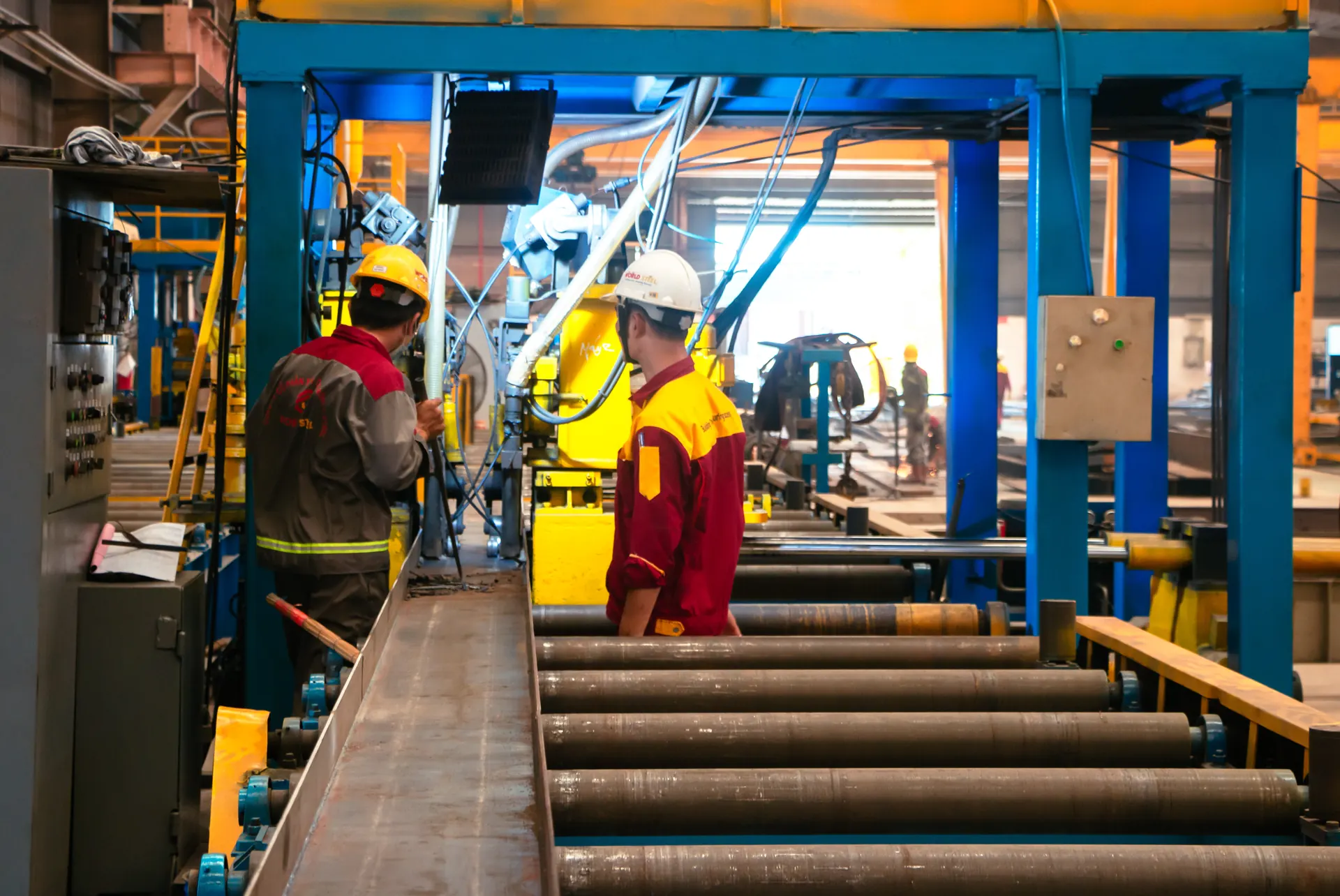
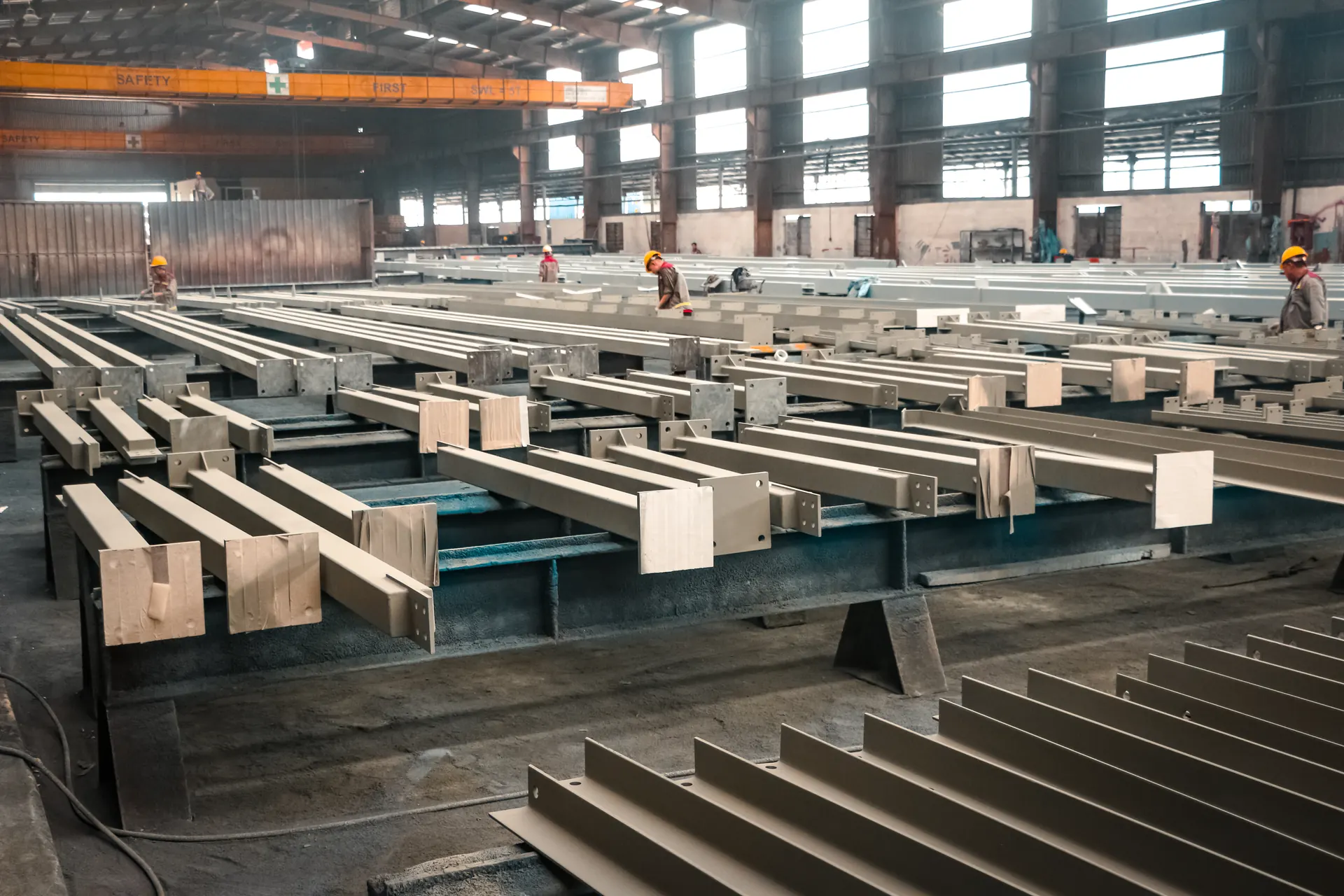
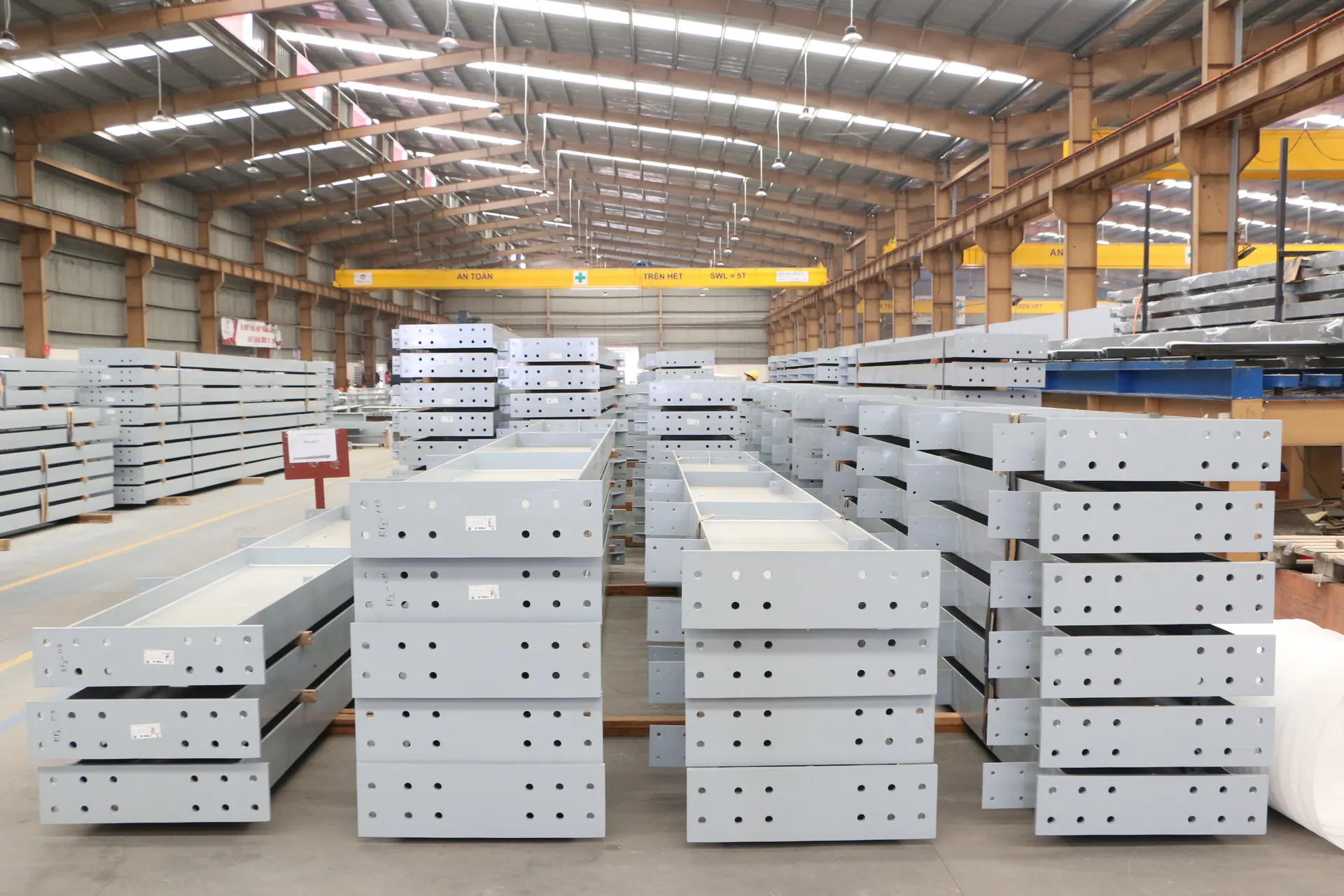
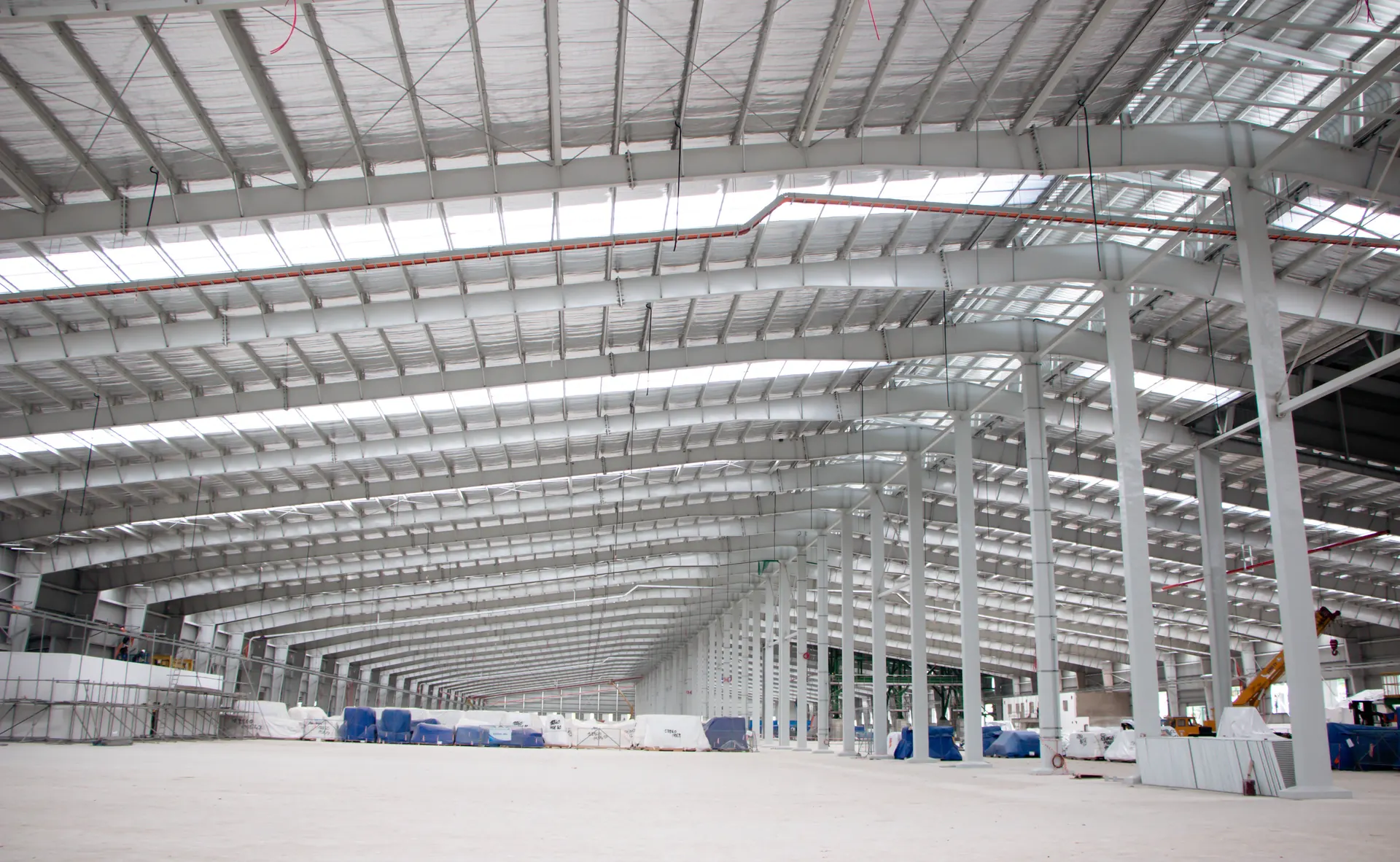
Online tools
Pick a size, a use and a site, and get the scope of supply World Steel would quote.
Open the toolTurn a steel building around in 3D and see frames, bracing, purlins and panels.
Open the toolEnter an address to see the wind, snow and seismic questions your site raises.
Open the toolQuestions
US general contractors, erectors, metal building dealers, Engineers of Record, owners and the import and logistics teams who buy steel from World Steel. Each guide explains a US code, a site condition or a step of the job, and how our plant in Vietnam handles it.
No. The guides explain how we design and fabricate to US codes. The adopted code, your Engineer of Record and your building official decide what applies to your project.
World Steel designs, fabricates and supplies the steel structure, made in our own plant in Vietnam and shipped to a US port. Shop drawings are included on every project at no extra cost.
The US contractor, our customer. Erection, foundations, site work and the trades on site are the contractor’s scope, unless the contract says otherwise.
Your Engineer of Record. We send calculations and drawings ready for their review and approval; the US contractor and the Engineer of Record handle the seal and the permit.
By default IBC 2024, ASCE 7-22 and AISC 360-22. When your jurisdiction has adopted an earlier or amended edition, we design to the edition it has adopted, and the adopted code always governs.
Our buildings are designed to AISC 341 and welded to AWS D1.8 where a seismic system calls for it, using qualified welding procedures and welders. The credential we hold is IAS AC472 accreditation, the first and only one for a fabricator in Vietnam.
Heat-numbered mill certificates, inspection and weld records, coating checks and packing lists, kept against each member in PEB Studio, so your special inspector and Engineer of Record can check them before and after shipping.
A footprint, a site address and the building use are enough to start. Drawings, a geotechnical report or your engineer’s design criteria make the quotation sharper.
Yes. Every buyer gets a PEB Studio login to follow their own members through the plant in real time, with inspection records, packing lists and shipping documents.
Search the library above or open the full sitemap. If the topic is not covered yet, ask our team: an engineer will answer, and the best questions become new guides.
A footprint, a site address and the building use are enough to start. An engineer checks it against the US codes your site needs and sends back exactly what World Steel would supply.