
California · Wildfire and WUI
Steel buildings for California’s wildfire hazard zones
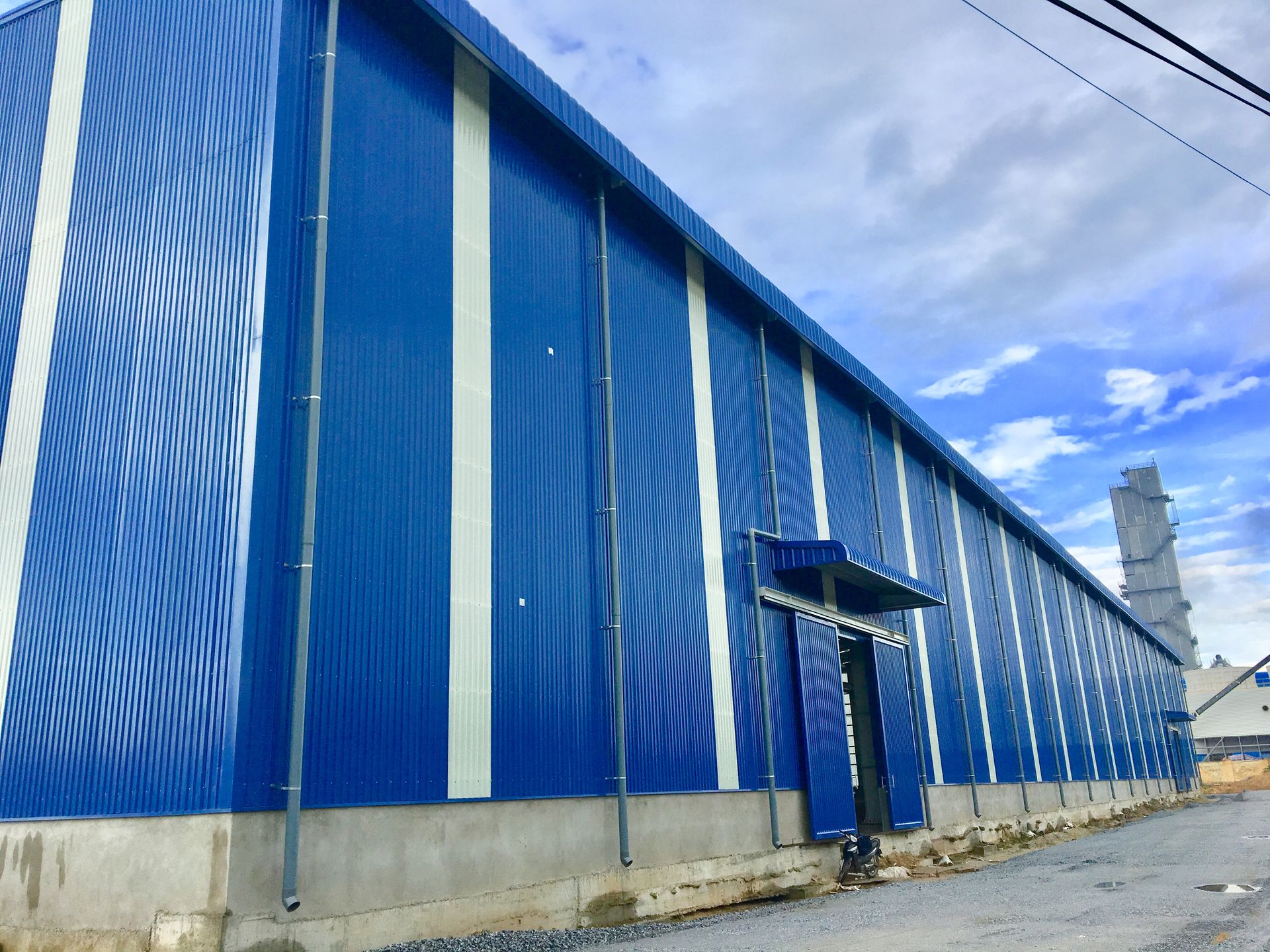
Large parts of California are mapped as Fire Hazard Severity Zones or wildland-urban interface areas. There, Chapter 7A of the California Building Code governs how the outside of a building resists embers and flame. A steel frame with a metal roof and walls is a strong starting point; the vents, eaves, doors and glazing finish the job.
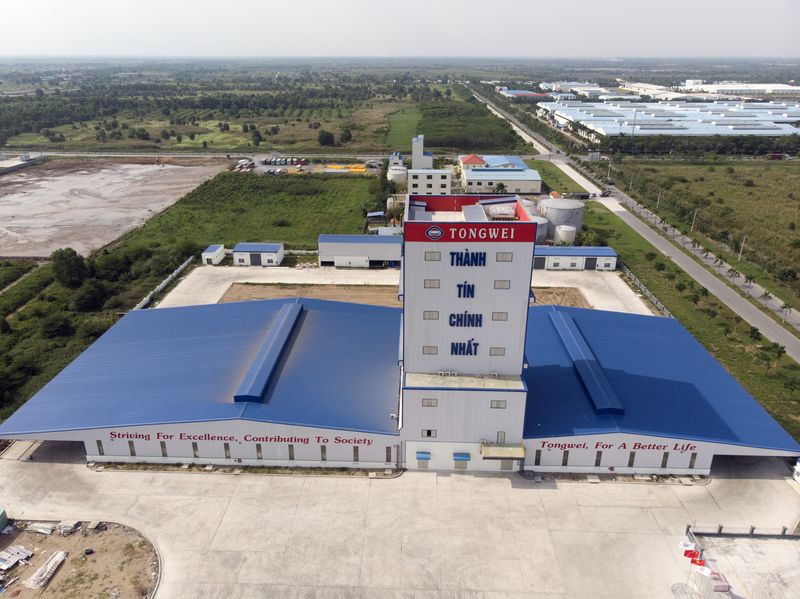
Made in World Steel’s own plant in Vietnam, the first and only fabricator in Vietnam accredited under IAS AC472, and shipped to a California port.
- Code
- California Building Code, Chapter 7A (exterior wildfire exposure)
- Where
- Fire Hazard Severity Zones mapped by CAL FIRE and local WUI areas
- Frame
- Steel is noncombustible
- Openings
- Vents, doors and glazing from suppliers with the required listings
Building by building
What Chapter 7A looks at, and what steel brings
-
Roof covering
Class A roof assemblies are typical in the higher hazard zones; metal roof panels are noncombustible and are used in listed assemblies.
-
Exterior walls
Noncombustible or ignition-resistant wall coverings; metal wall cladding over steel girts meets the noncombustible route.
-
Vents
Ember- and flame-resistant vents, typically tested to ASTM E2886, supplied by vent manufacturers and framed by us.
-
Doors and glazing
Noncombustible or rated exterior doors and tempered or rated glazing, from suppliers with the required listings.
-
Eaves and soffits
Enclosed or protected eaves with metal trims, so embers cannot lodge under the roof edge.
-
Gutters
Metal gutters and guards that resist collecting dry debris, coordinated with the roof edge details.
What we do not claim
No building is fireproof. We supply noncombustible steel structures and metal envelope systems and coordinate them with the Chapter 7A requirements your architect identifies. Vents, doors, glazing and their listings come from their manufacturers, and the building official decides on compliance.
California ecosystem
Products and solutions for this condition
The World Steel products, systems and services this guide relies on, made in our plant in Vietnam.
Q&A
What California buyers ask
Is a steel building automatically compliant with Chapter 7A?
No. The steel frame and metal panels cover much of it, but vents, eaves, doors, glazing, decks and the details between them must also meet the chapter. Your architect identifies the requirements and we coordinate our scope with them.
How do I know if my site is in a Fire Hazard Severity Zone?
CAL FIRE publishes the Fire Hazard Severity Zone maps, and your city or county may designate additional wildland-urban interface areas. Your architect or building department confirms the designation for your parcel.
Do you supply fire-rated wall assemblies?
Selected fire-rated assemblies can be supplied where a listed assembly fits the design; ratings come from the listing, not from us, and are confirmed per project.
Official sources: CAL FIRE: Fire Hazard Severity Zones
Real World Steel photos
World Steel at work
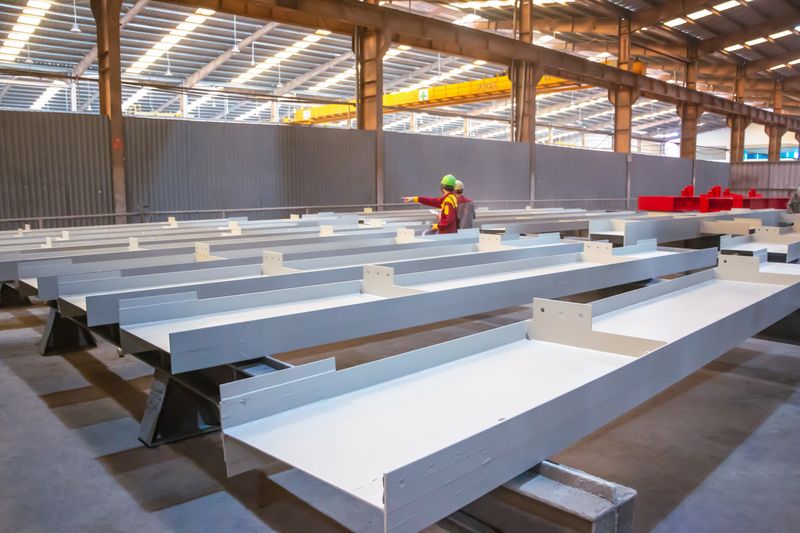
Real photos from our plant in Vietnam, where the steel for your California project is cut, welded, inspected and packed.
California solutions
Every California guide
Keep reading
Related pages
Code facts on this page summarize the California Building Code, ASCE 7-22 and related standards for US buyers. They are not legal or engineering advice; your Engineer of Record and building official confirm the edition and local amendments in force for your permit.
Building in California?
Send the site address, size and use. We set the California criteria with your Engineer of Record, design the steel to the California Building Code and quote it made in our plant in Vietnam, with the inspection path agreed in writing.