Steel industry · Can Tho City, Vietnam · 2024
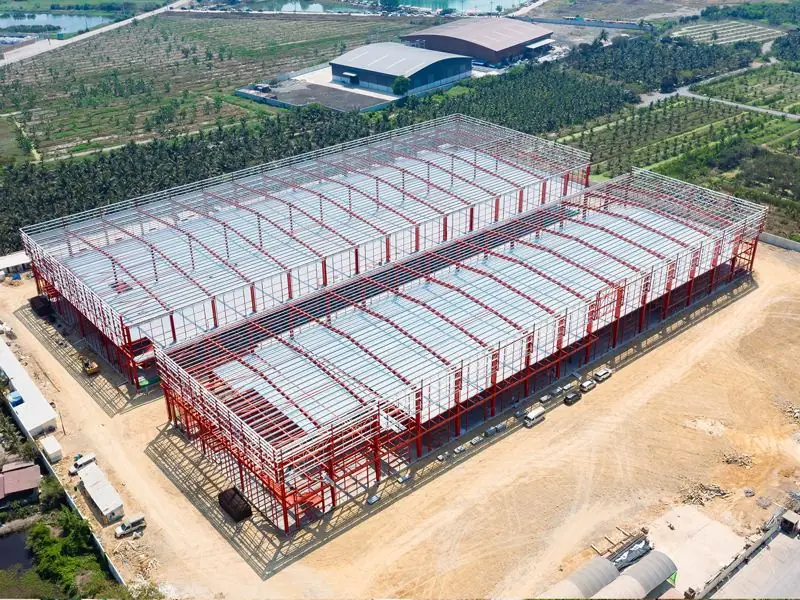
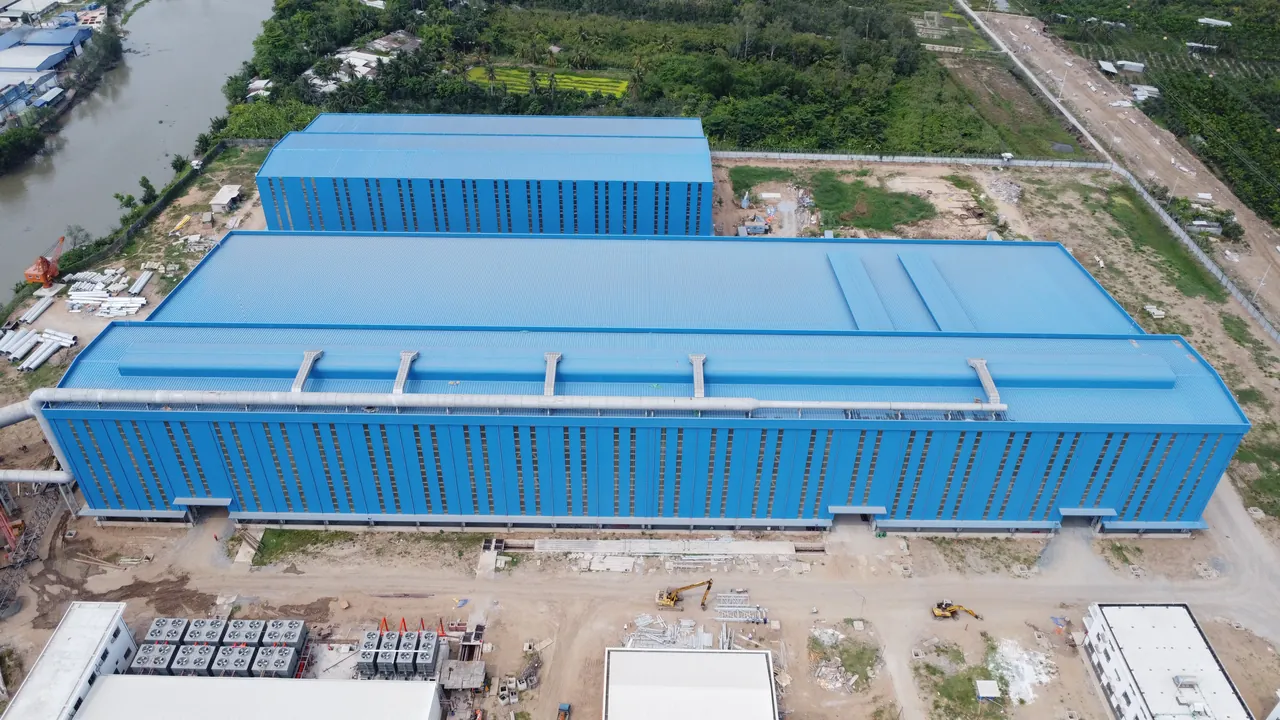
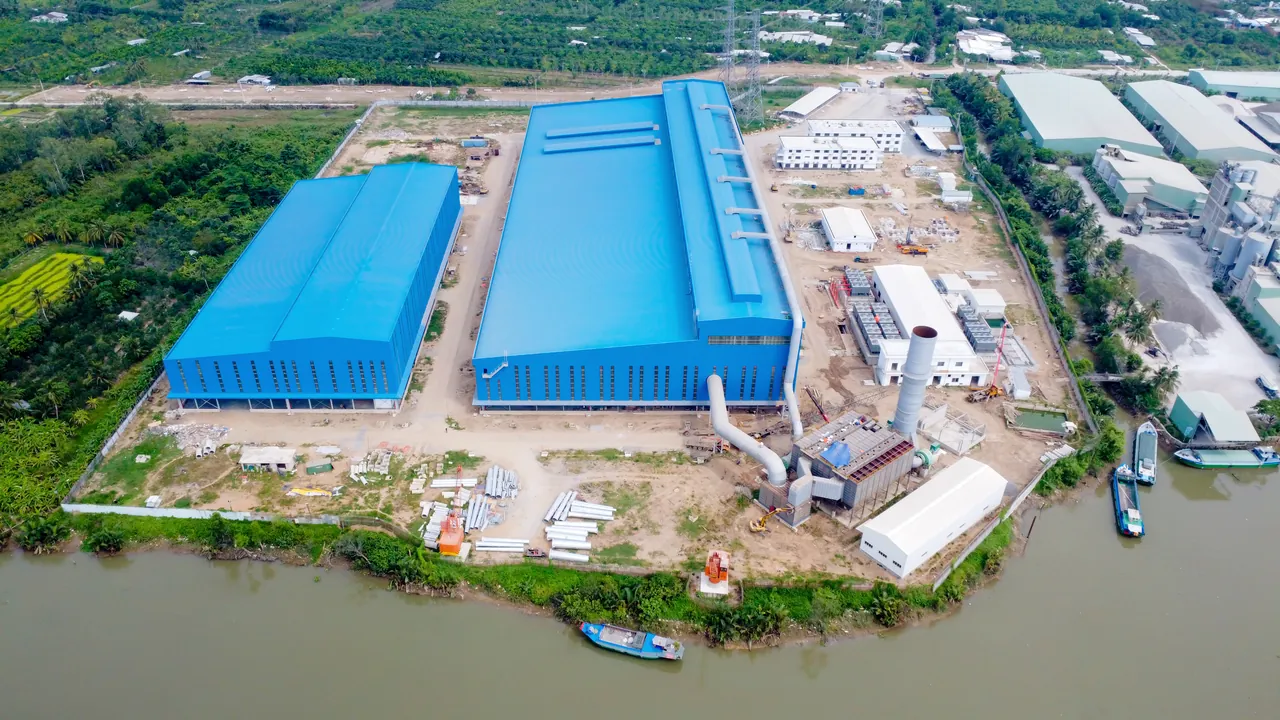
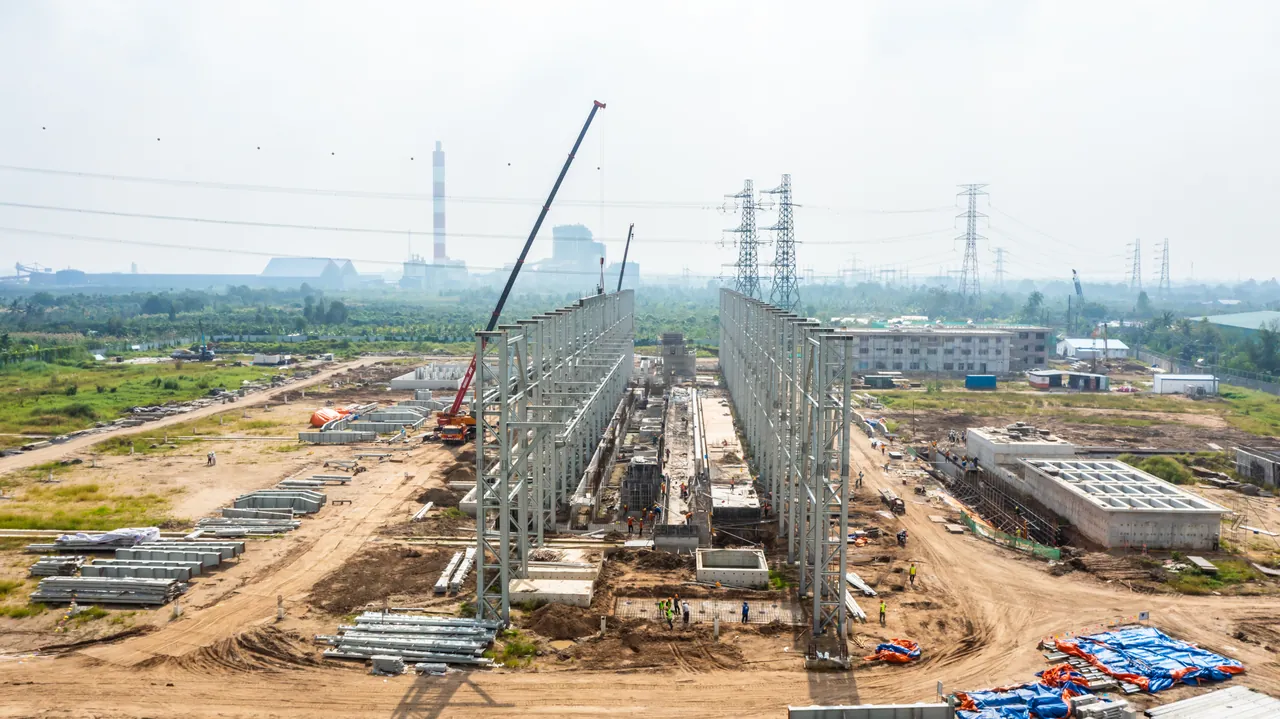
Sunpro Steel Factory
5,000 tabout 5,500 short tons
Steel structure designed, fabricated and supplied by World Steel.
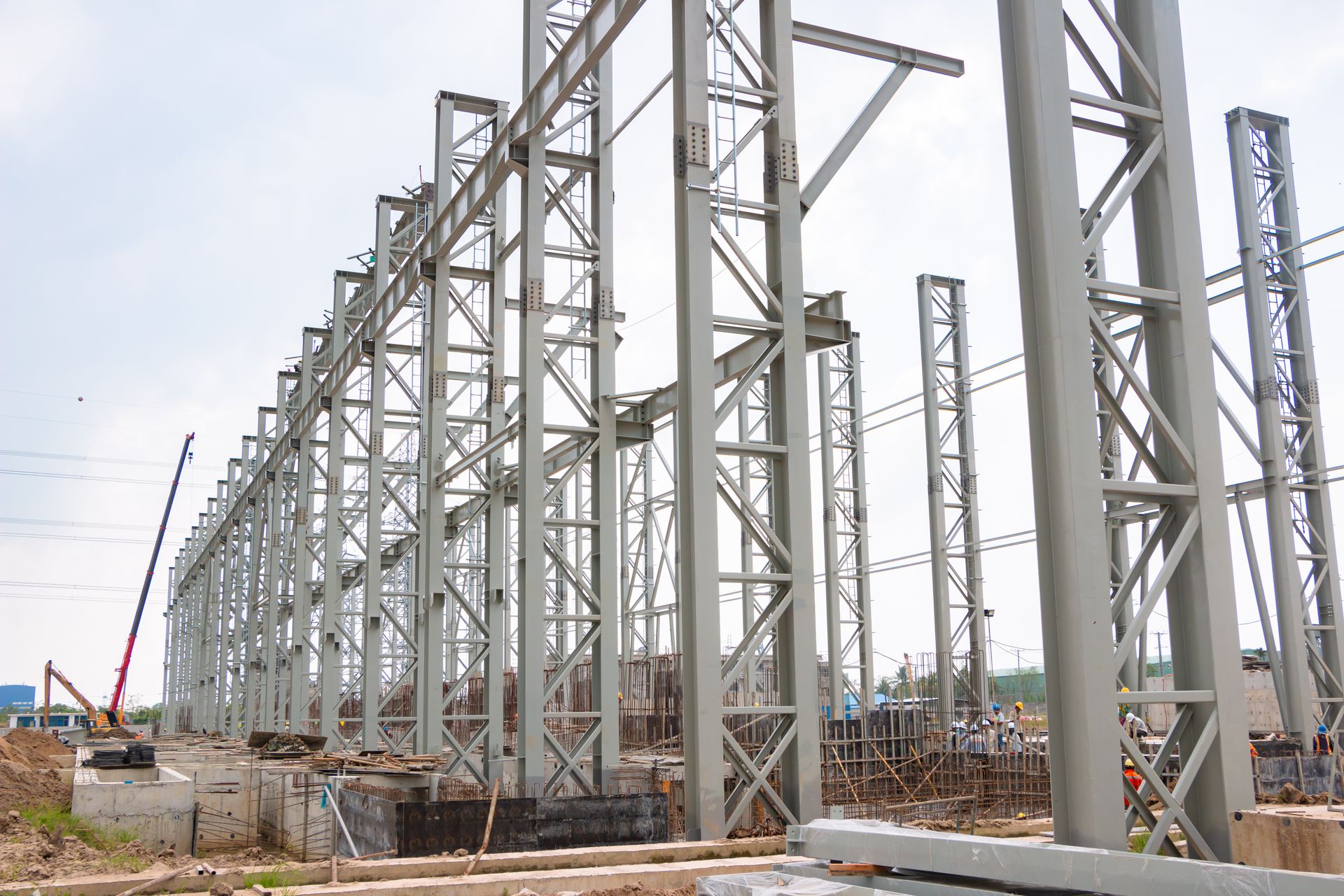
Heavy industry · metals · heavy manufacturing
A heavy plant is designed from the inside out. The cranes, furnaces, presses and conveyors set the bay widths, the hook heights and the loads, and the steel frame is sized around them. These are the largest packages we fabricate, up to 5,000 metric tons on one job.
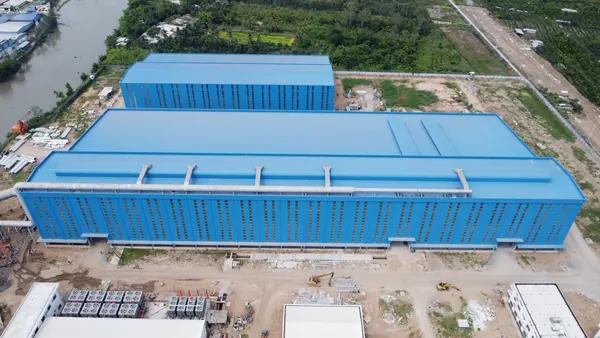 World Steel reference
5,000 t of structural steel Sunpro Steel Factory
Steel industry · Can Tho City, Vietnam · 2024
What makes this project type different
In a steel mill, a fabrication shop or a heavy assembly plant, the crane is the client. Its capacity, span, duty class and wheel loads decide the runway girder, the column shape and the bracing in the crane bays. Fatigue governs details that a warehouse never has to think about, and deflection limits are set by how the crane runs, not by how the roof looks.
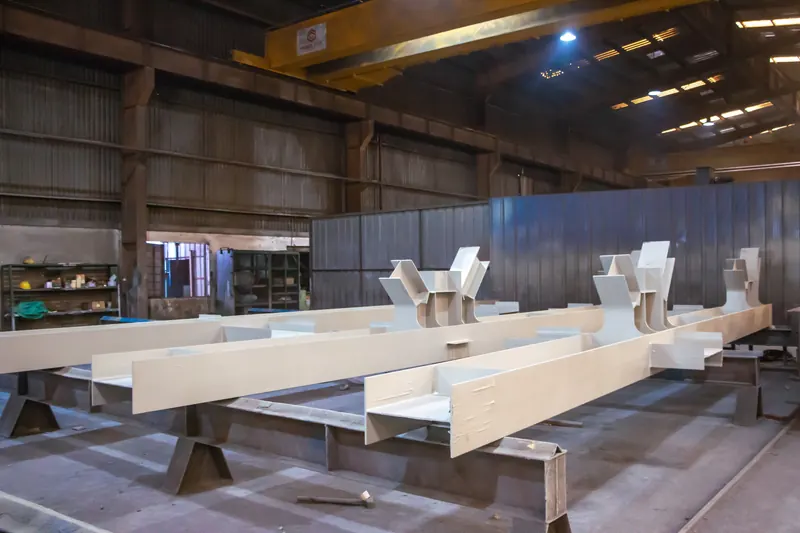
That is why heavy plants are where a fabricator’s own beam lines matter. Deep built-up columns and girders are cut, fitted and submerged-arc welded from plate in our plant, sized for the crane rather than chosen from the nearest rolled section, and checked against the crane maker’s data before the shop drawings are released.
Capacity, span, speed and the CMAA service class set wheel loads, impact and the number of fatigue cycles the runway must carry.
The hook height and the crane envelope fix the column height, the bracket level and the roof line.
Runway girders, stiffeners and their welds are detailed for repeated loading, with weld categories shown on the drawings.
Furnaces, presses, conveyors and hung services add point loads and vibration that the frame must take.
Wind and seismic forces on tall open bays, plus crane lateral and longitudinal forces, are resisted by braced bays.
Gable frames designed for a future bay and spare runway capacity cost little now and save a shutdown later.
Structures and systems
Your Engineer of Record chooses the systems. These are the ones we see most often in this type of project, all fabricated in our plant in Vietnam.
| Structure | Typical system | What we fabricate |
|---|---|---|
| Crane bays | Stepped or built-up columns with crane brackets, braced longitudinally | Built-up columns, brackets, bracing, base plates |
| Runway | Built-up or rolled runway girders with cap channels and stops | Runway girders, stops, rail clips layout, surge members |
| Roof | Built-up rafters, or roof trusses over the widest bays | Rafters, trusses, purlins and bracing |
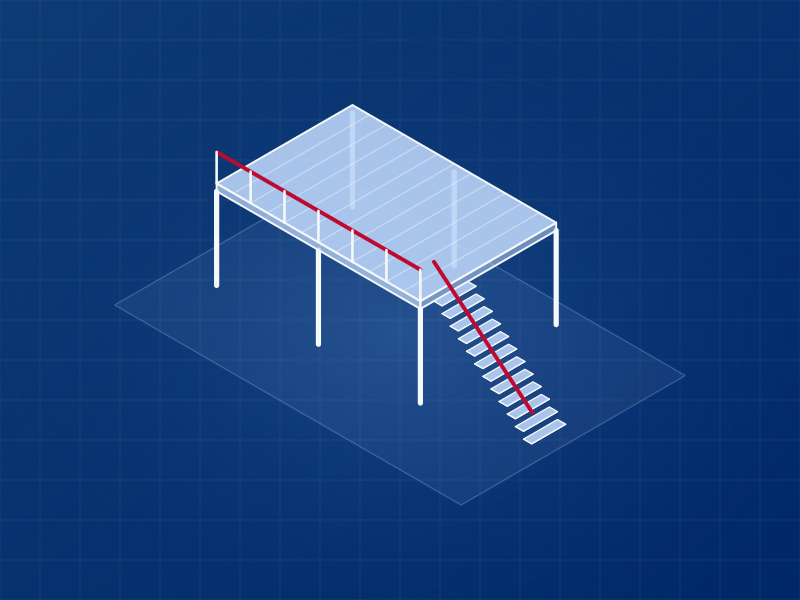
| Process steel | Equipment platforms, mezzanines and access | Platforms, stairs, handrails, machinery support frames |
| Ancillary | Offices, motor control rooms and dock canopies | Secondary frames and canopies in the same model |
Our advice before you bid
Wheel loads, spacing, rail size and service class from the crane supplier, in writing. Assumed crane data is the most common cause of runway redesign.
Runway tolerances follow AISC Design Guide 7 and the crane maker. Put them on the drawings so the fabricator and erector work to the same numbers.
Plate girders and built-up columns can save weight against heavy rolled sections, and they are made on our own lines.
A gable designed as a future interior frame and an extendable runway avoid cutting steel in a working plant.
The welds that carry crane cycles must be identified, inspected and recorded as such.
World Steel projects of this type
Steel designed, fabricated and supplied by World Steel. Photos are from our project archive and open full size.
Steel industry · Can Tho City, Vietnam · 2024
5,000 tabout 5,500 short tons
Steel structure designed, fabricated and supplied by World Steel.
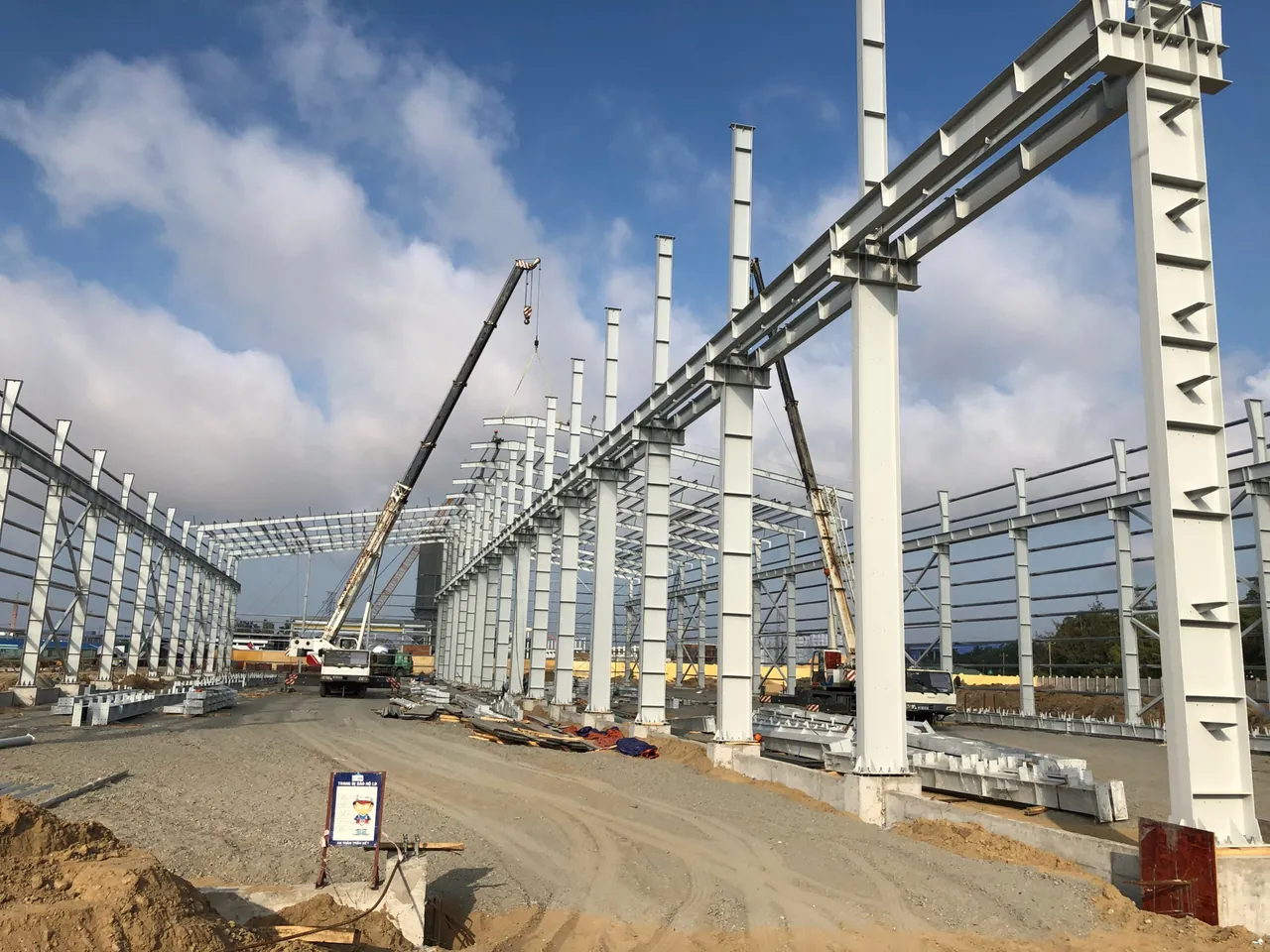
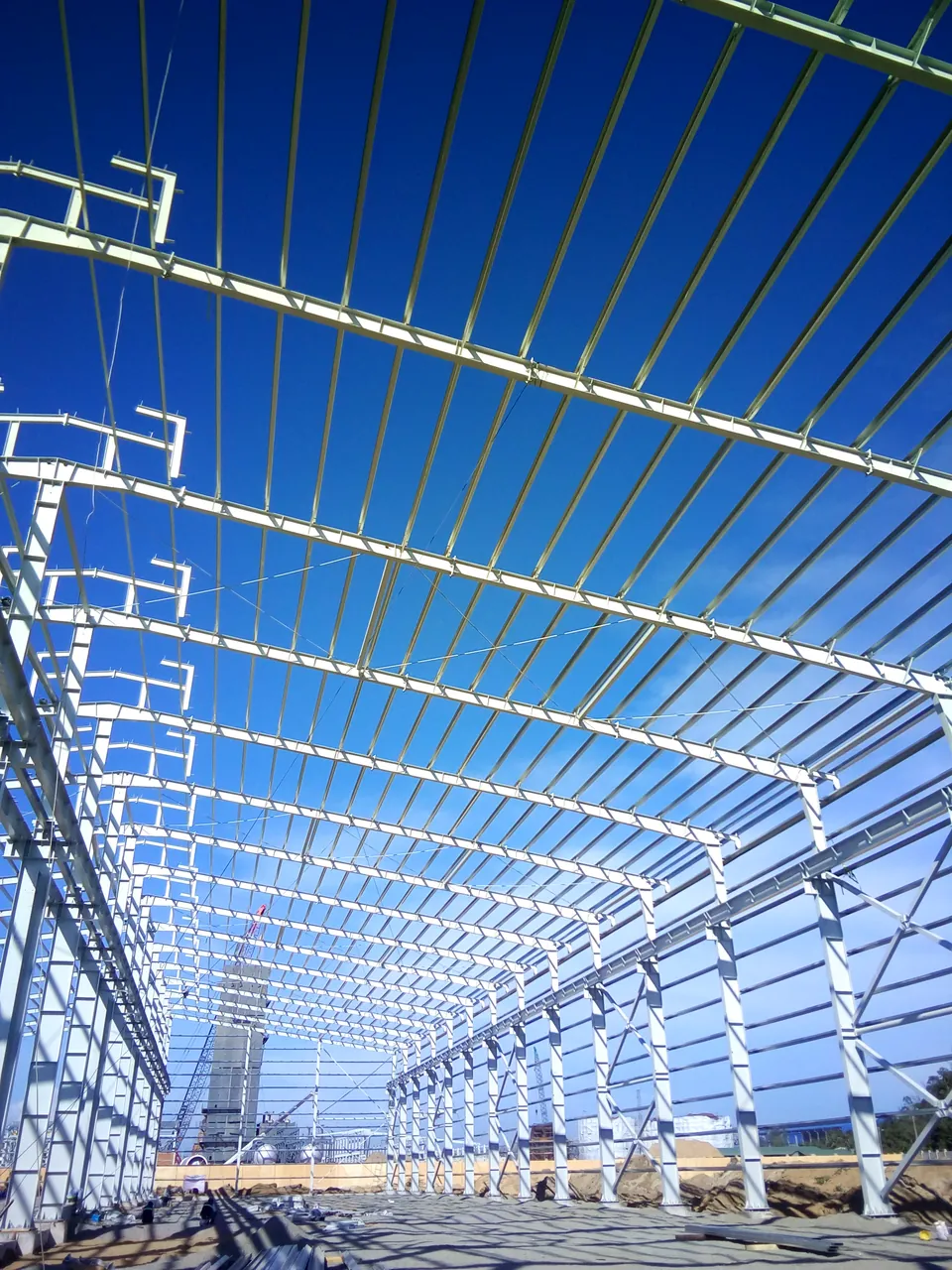
Factory · Quang Ngai Province, Vietnam · 2019
Steel structure designed, fabricated and supplied by World Steel. Tonnage not published.
Real photos
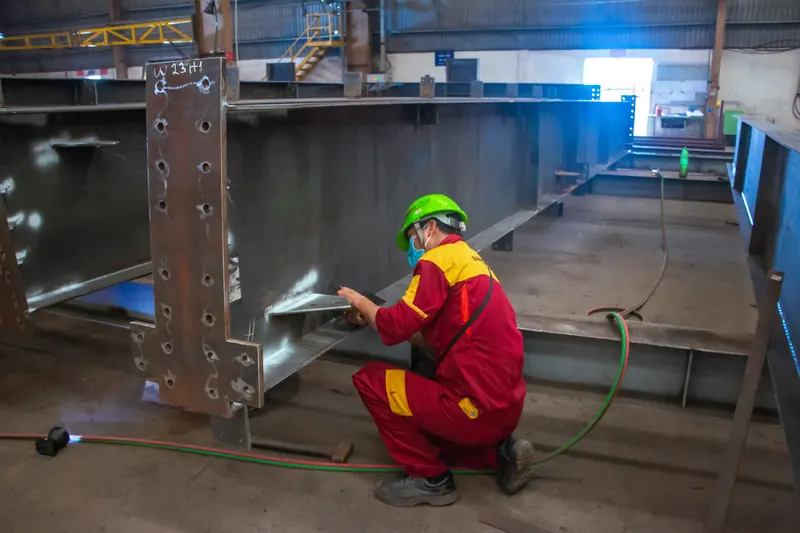
World Steel’s own shop floors and jobs, where the steel for US projects is made: 2,500 metric tons of structural steel a month. Not stock images.
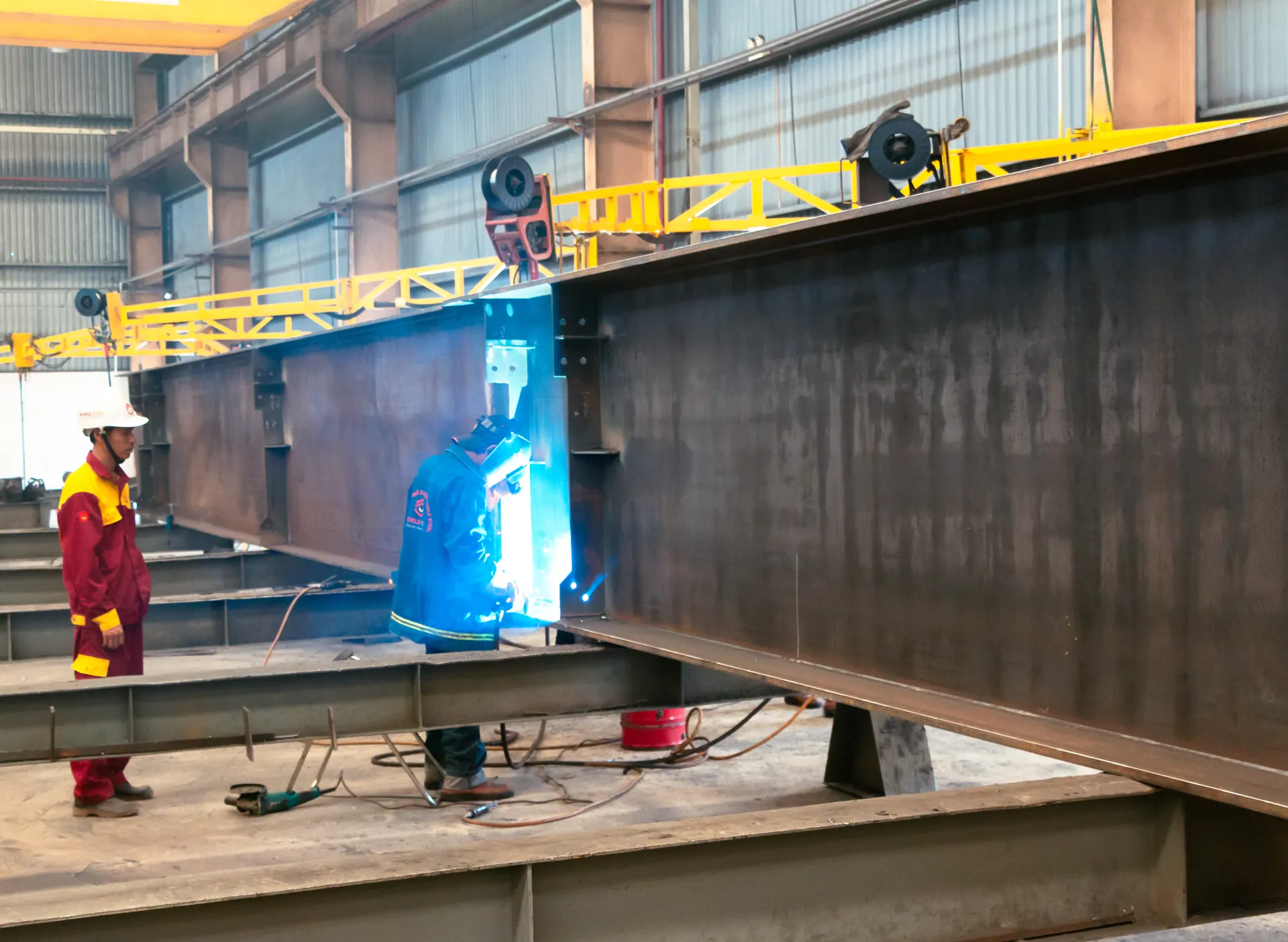
Inside our factory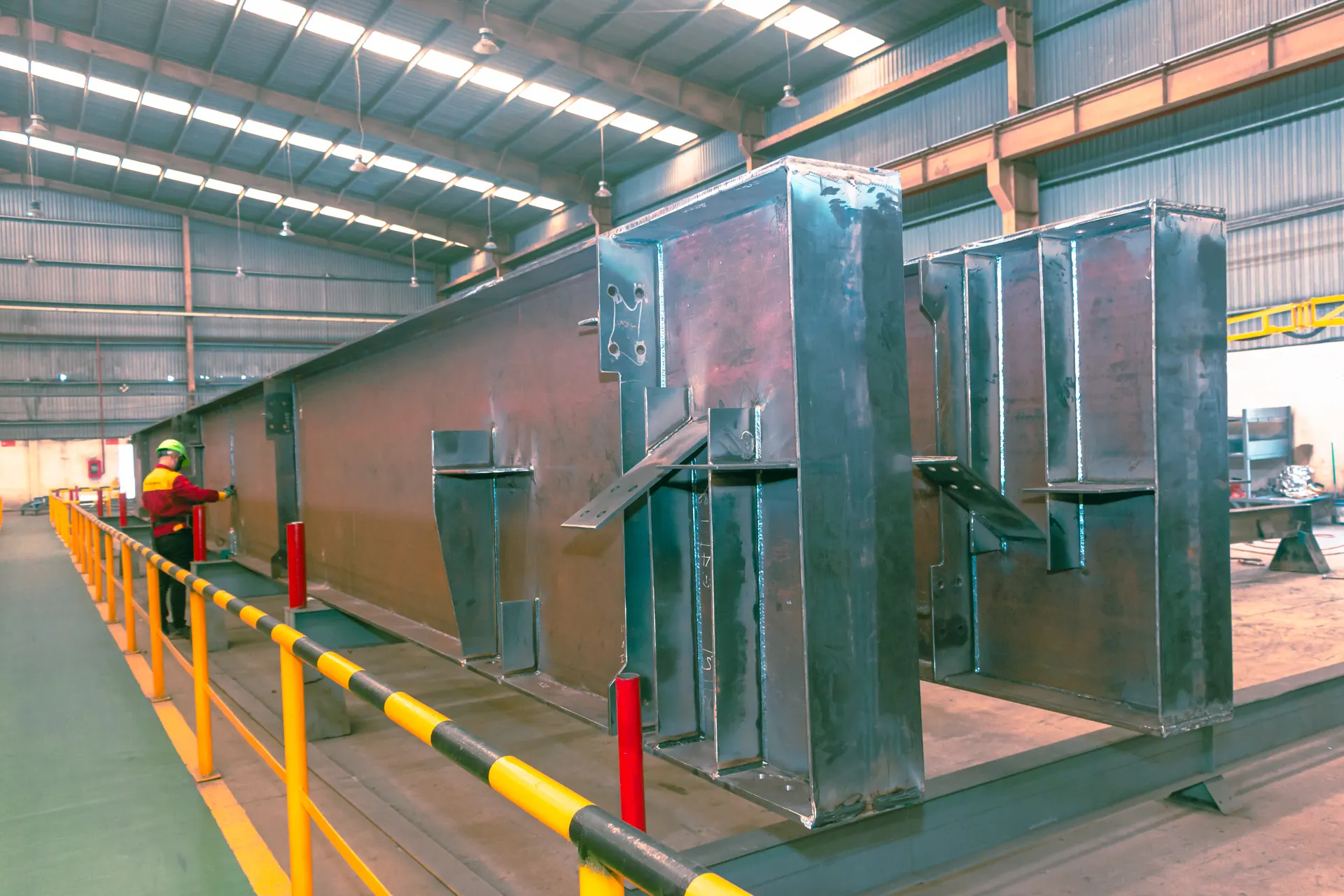
How World Steel supports this
Our own beam lines
Built-up columns and girders cut, fitted and submerged-arc welded from plate in our plant.
2,500 t a month
Room for a heavy plant package without queuing behind other work.
Witnessed hold points
Your inspector can witness runway and fatigue weld inspections remotely or at the plant.
The structural steel ecosystem
The products we make for this part of a seismic structure, the services that come with them and past World Steel projects, all one click away.
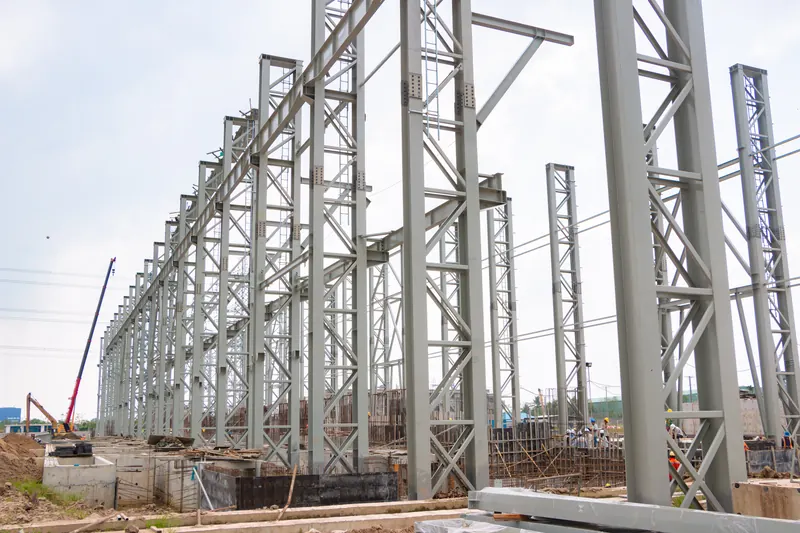 Photo
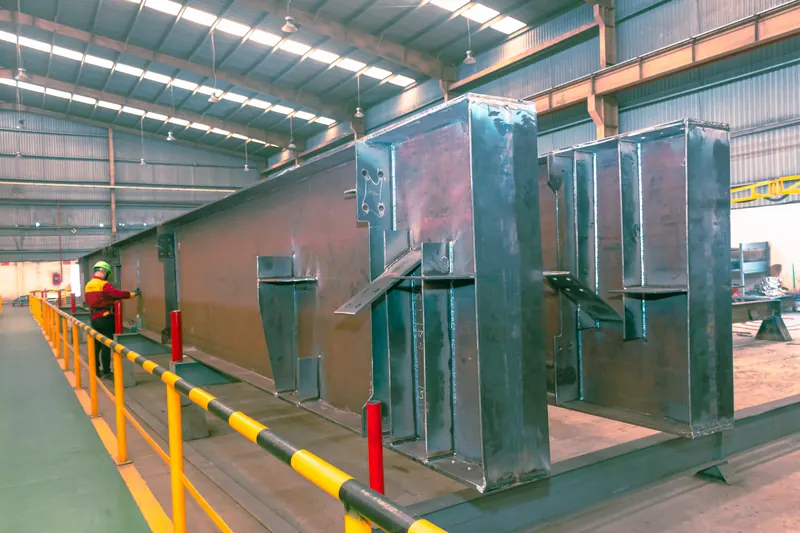 Photo
Photo
 Photo
 Photo
 Illustration
Photo
 Photo
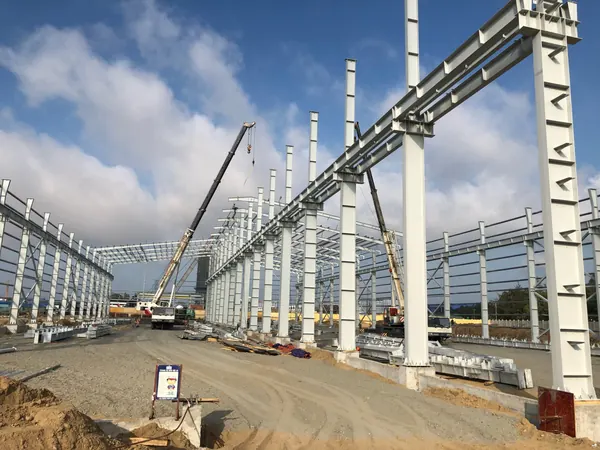
Past World Steel work, shown for the structure type. It does not describe the seismic criteria of any one project.
Standards on this page
Each standard page explains what it covers, the edition we reference and how we apply it. We design and fabricate to these standards; they are not certifications.
Keep reading
Questions from US contractors
Yes. Runway girders, crane brackets, stops and surge members are fabricated in the same model as the frame, to the crane data your crane supplier provides.
The Sunpro Steel Factory in Vietnam used about 5,000 metric tons (5,500 short tons) of World Steel structural steel, designed, fabricated and supplied by us.
No. We design and fabricate the steel that carries them. The crane itself comes from the crane supplier your team selects.
The erector and the crane installer, as part of the US contractor’s scope. We fabricate to the tolerances on the approved drawings.
Yes. Shop drawings come with every project at no extra charge, from one Tekla Structures model of the whole job. Your Engineer of Record reviews and approves the structural drawings.
No. World Steel designs, fabricates and supplies the steel structure. Erection, the PE seal, the permit and site work are the scope of the US contractor, our customer.
A plain-English guide for US contractors, not engineering advice for a specific site. Ranges are typical, the adopted codes govern, and your Engineer of Record sets the design criteria for each project.
Send the drawings, the specification and the schedule. Our estimators take off the tonnage, confirm the production slot we can hold for it and return a written scope for steel designed to US codes, made in our plant in Vietnam and shipped to your US port by erection sequence.