
Texas · Expansive clay soils
Steel that lives with Texas expansive clay
The Blackland Prairie under Dallas and Austin and the Gulf Coast clays under Houston swell when wet and shrink when dry. Slabs heave, walls crack and doors bind when the building is not detailed for it. The foundation is your geotechnical and foundation engineers’ design; we detail the steel so it moves with it.
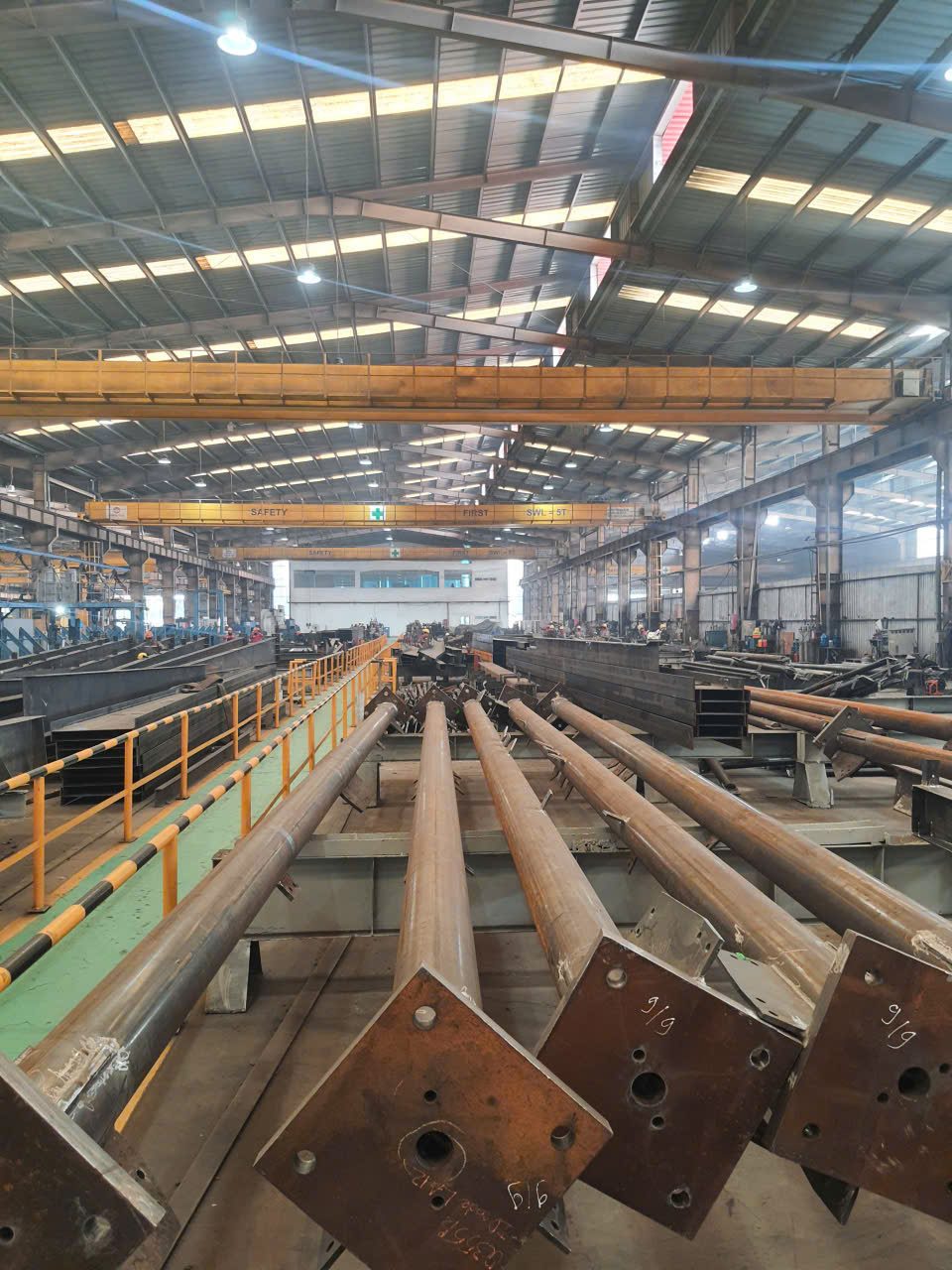
Made in World Steel’s own plant in Vietnam, the first and only fabricator in Vietnam accredited under IAS AC472, and shipped to a Texas port.
- Where
- Dallas–Fort Worth, Austin, San Antonio, Houston and beyond
- Foundations
- Drilled piers, grade beams or stiffened slabs, by your engineers
- Steel side
- Column bases, slab isolation, girts and openings
- Inputs
- Geotechnical report: potential vertical rise and movement
Why it matters
The ground moves, so the details must too
High-plasticity clays can move several centimeters between a wet spring and a dry summer. Geotechnical reports in Texas give a potential vertical rise for the site, and the foundation engineer picks drilled piers, grade beams or a stiffened slab to suit it.
Steel frames usually sit on piers that move little, while the floor slab rides on the clay. If walls, doors and mezzanines are tied rigidly to both, the movement between them shows up as cracks and binding doors. The answer is in the connection details, which we draw on the shop drawings.
Steel details that matter
Where the steel meets moving ground
Column bases on piers
Base plates and anchor rods sized for the pier design, with reactions tabled for the foundation engineer.
Slab isolation
Columns kept free of the slab, with isolation joints shown on the drawings.
Base angles and girts
Wall panels and base trims detailed so slab movement does not tear the cladding.
Door and dock framing
Jambs and headers with tolerance for slab heave at overhead and personnel doors.
Mezzanines
Mezzanine columns on their own footings or detailed for movement against the slab.
Slotted connections
Where the engineer calls for it, slotted holes let secondary members move without load.
What we do not claim
Foundations and soil treatment are designed by your geotechnical and foundation engineers and built by the US contractor. We detail the steel to the movement they specify and promise no crack-free floor.
Texas ecosystem
Products and solutions behind this guide
The World Steel products, systems and services this guide relies on, made in our plant in Vietnam.
Real World Steel photos
World Steel at work
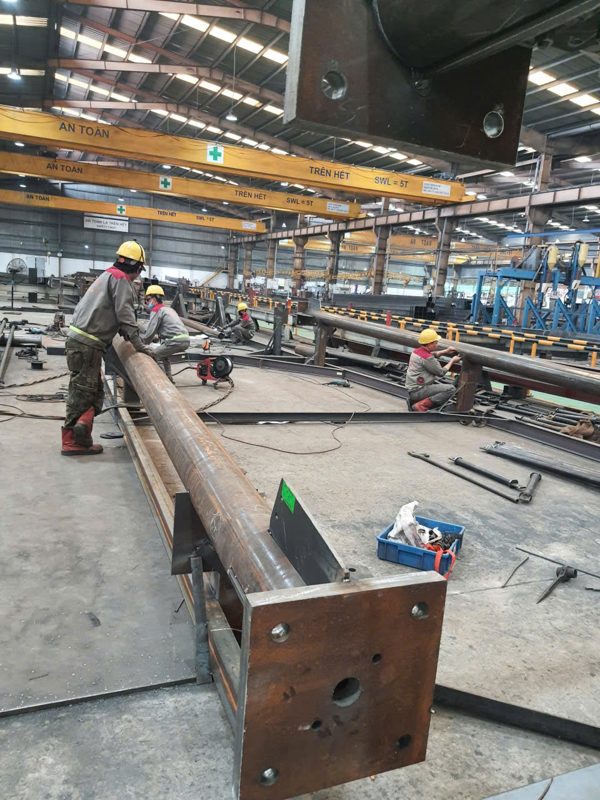
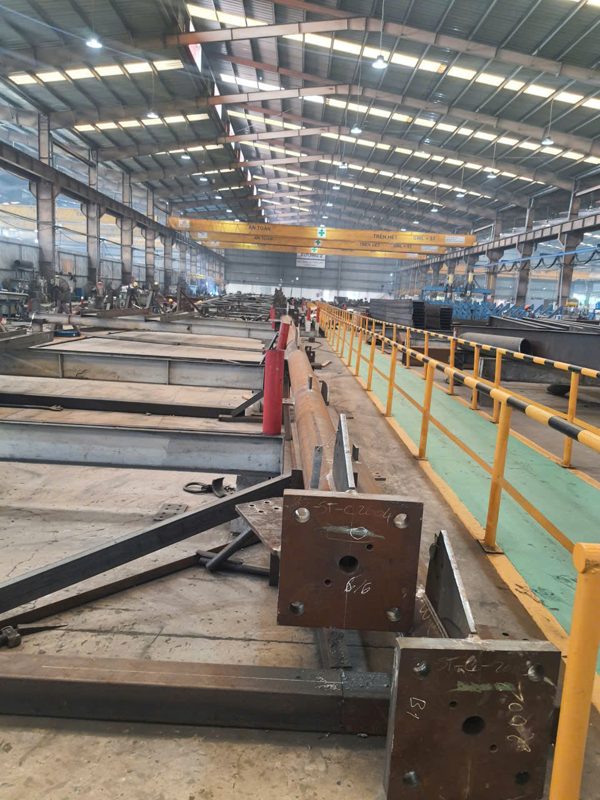
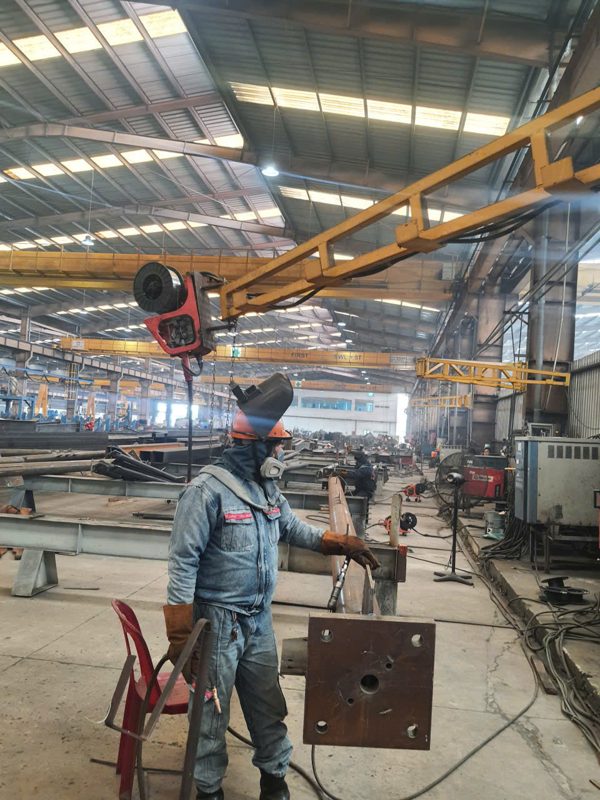
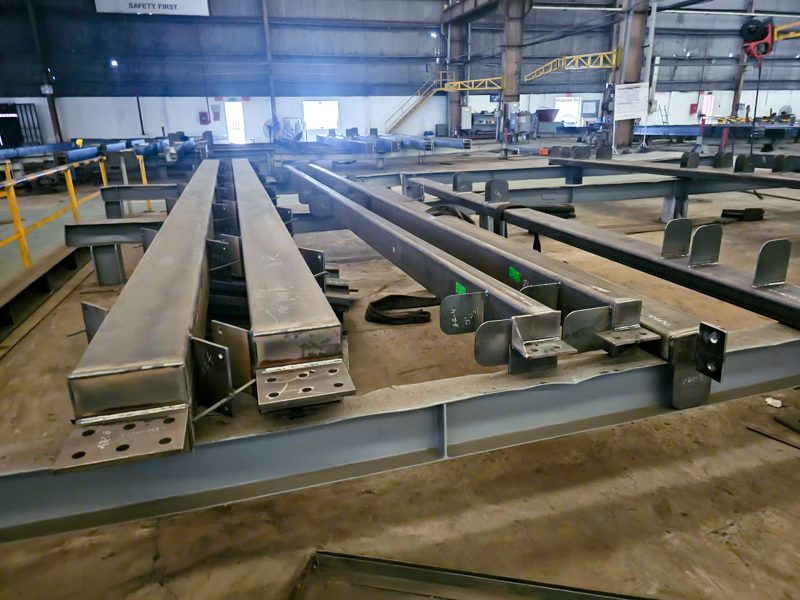
Real photos from our plant in Vietnam, where the steel for your Texas project is cut, welded, inspected and packed.
Q&A
What Texas buyers ask
Do you design the foundations?
No. We give the column reactions and anchor rod layout; your foundation engineer designs the piers, grade beams or slab for the site’s soils.
What do you need from the geotechnical report?
The potential vertical rise or movement the foundation engineer designs for, so we can set isolation, base trim and door details to match.
Can the slab be tied to the columns?
It can, but on expansive clay it is usually kept separate. Your engineer decides; we draw the detail they choose.
Texas solutions
Every Texas guide
Related pages
Code facts on this page summarize Texas rules, the International Building Code, ASCE 7-22 and related standards for US buyers. They are not legal or engineering advice; your Engineer of Record and building official confirm the edition and local amendments in force for your permit.
Building in Texas?
Send the drawings or the site address, size and use. We set the Texas design basis with your Engineer of Record, design or detail the steel and quote it made in our plant in Vietnam, packed in erection order for your site.