
Where it sits in the US code stack
Where it governs in your building
Every force, one board
Seven loads, where each one tends to win, and what we need from you
Every US steel building is checked for all of these. Which one sizes the frame depends on the address, the shape and the use, so the inputs on the right are what we ask for before the first calculation.
Gulf and Atlantic coasts, open plains; tornado checks for Risk Category III and IV in tornado-prone areas
Exact address, exposure (open, suburban, urban), door and window sizes
Northern tier, Great Lakes, the Rockies, New England; drift at every roof step and parapet
Address and elevation, roof steps, parapets, neighboring taller buildings, any local snow amendment
The West Coast, Alaska, the Intermountain belt, the central Mississippi Valley, coastal South Carolina
Address, soil report or site class, risk category, mezzanines and heavy storage
Low-slope roofs with parapets anywhere, intense rainfall regions in the South and Southeast
Roof slope, drains and scuppers, overflow paths
Every building; collateral grows fast in plants, cold stores and data centers
Ceilings, sprinklers, lights, ducts, cable trays, rooftop units with their weights
Mezzanines, offices, storage floors; roof live load on every roof
Floor use, storage height, forklift or equipment loads
Plants, workshops, steel service centers, hangars
Crane maker's wheel loads, capacity, span, duty class, hung equipment
15 answers from our engineers
ASCE 7 questions and answers
The load questions US owners, contractors and reviewers ask us most, from risk category and snow drift to tornado loads and collateral. We publish no regional numbers: every value is set for your coordinates.
Site data and risk 4 answers
Where do your wind, snow and seismic values come from?
From the ASCE Hazard Tool for the exact latitude and longitude of your site, for the risk category your Engineer of Record confirms. The printout goes into the calculation package so the reviewer can check every number.
Why do you not publish typical loads for each state?
Because they vary within a few miles: elevation changes snow, terrain changes wind, soil changes seismic. A regional number would mislead, so every value is set for your address and printed with its source.
What is exposure category, and why does it matter?
Exposure B, C or D describes the ground roughness upwind: suburbs and woods, open terrain, or open water and flat shorelines. The same wind speed produces noticeably higher pressure in Exposure D than in B, so we ask about the surroundings in every direction.
Do you need a soil report for the seismic design?
It helps a lot. Without one, ASCE 7 forces a conservative default site class, which can raise seismic loads. With a geotechnical report giving the site class, the design is usually lighter and the foundation engineer has what they need anyway.
Snow, rain and roofs 4 answers
What changed for snow in ASCE 7-22?
Ground snow loads are now mapped per risk category on a reliability basis, and the old snow importance factor is gone. Values went up in some places and down in others, so a building re-checked to the new edition can change either way.
Why does a parapet or roof step need extra steel?
Wind piles snow against it. ASCE 7 Chapter 7 calculates the drift height and length, and the purlins and frames in that zone are designed for the extra load. Most roof failures under snow happen at these steps.
Can the roof take solar panels later?
Only if the design included them or someone re-checks the building. If rooftop solar is on the horizon, mention it at the start, including any extra snow drift around the arrays.
Why check rain loads on a sloped metal roof?
Where the roof has parapets, low slopes or internal gutters, a blocked drain can let water pond. Ponding deflects purlins, which collects more water. Chapter 8 rain loads and a stiffness check keep that cycle from starting.
Wind, tornado and seismic 4 answers
Do all buildings now need tornado design?
No. ASCE 7-22 requires tornado loads for Risk Category III and IV buildings in tornado-prone areas, mainly east of the Rockies. Most warehouses and plants are Risk Category II and are not affected.
Why are wall panels and purlins checked separately from the frames?
ASCE 7 gives two sets of wind pressures: one for the main wind force resisting system, the frames and bracing, and higher local pressures for components and cladding, which peak at corners and edges. Both are in our calculations.
Does a large door opening change the wind load?
Yes. A big door that may be open or fail in a storm can make the building "partially enclosed", which raises internal pressure and the load on roof and walls. Tell us door sizes and whether they are wind-rated.
What is the Seismic Design Category, and where does it come from?
It is a letter from A to F that ASCE 7 assigns from the site's ground motion, soil and risk category. It decides which seismic systems are allowed and how much detailing they need; above C it often brings AISC 341 into play.
Dead, collateral and live 3 answers
What is a collateral load?
Anything permanent that hangs from the steel without being steel: sprinkler mains, ducts, lights, a drop ceiling. Give us a number early and the frames will not need resizing later.
Which load combinations do you check, LRFD or ASD?
Either, as your Engineer of Record prefers. ASCE 7 Chapter 2 gives both sets of combinations; our SAP2000 model runs every combination for the method chosen and reports the governing one for each member.
Can heavy storage racks change the building design?
Yes. Racks that tie to the building, or tall storage that adds seismic mass, change both gravity and lateral loads. Rack design itself stays with the rack supplier, but we need their loads and any tie-in points.
More answers on every US code we design to: search all standards questions.
Load inventory
Loads you will find in our calculation package
| Load | ASCE 7 chapter | Usual source on a US job |
|---|---|---|
| Dead | Chapter 3 | What the frame, cladding and insulation weigh |
| Collateral | Chapter 3 (as specified) | Ceilings, lights, sprinklers and ductwork |
| Live and roof live | Chapter 4 | Mezzanine or floor occupancy, roof maintenance |
| Snow | Chapter 7 | Ground snow, drift at steps and parapets, sliding snow |
| Rain | Chapter 8 | Ponding and blocked drains on low-slope roofs |
| Seismic | Chapters 11 to 13 | Ground motions, site class and risk category for the site |
| Wind and tornado | Chapters 26 to 32 | Site wind data plus terrain and openings; tornado only for certain critical facilities |
Changes in the 2022 edition
ASCE 7-22 updates that can touch your project
Snow tied to risk
Ground snow is now published per risk category on a reliability basis, and the old snow importance factor is gone.
Tornado chapter
Risk Category III and IV buildings in tornado-prone areas must now be checked for tornado loads.
Finer site classes
The new intermediate classes BC, CD and DE, with multi-period spectra, reward a better soil investigation.
Two-level wind, unchanged
Frames and bracing are still checked separately from panels, purlins and fasteners.
Who does what under ASCE 7
Three parties, one set of loads
ASCE 7 is only as good as the inputs behind it. This is how the work splits between World Steel, the US contractor and their Engineer of Record, and the building official who enforces the adopted edition.
World Steel
- Takes wind, snow, ice and seismic values from the ASCE Hazard Tool for the coordinates of your lot
- Lists every load with its chapter and source on the design criteria sheet
- Runs the load combinations in SAP2000 and sizes frames, purlins, girts and bracing
- Reports column reactions by load case for your foundation design
US contractor and Engineer of Record
- Confirm the risk category and the edition your jurisdiction enforces
- Supply the soil report or site class, and any collateral, crane or rooftop loads
- Review and approve the design criteria and the calculations
- Design the foundation to our reactions
Building official
- Enforces the ASCE 7 edition named in the adopted code
- May set local ground snow, frost or wind requirements by amendment
- Reviews the structural submittal before issuing the permit
Plan review, answered in advance
The ASCE 7 comments a plan reviewer writes most, and where our package answers them
Most load comments on a metal building submittal come back to the same few questions. Our calculation package answers each one on paper before it is asked.
-
“Which risk category was used, and why?”
ASCE 7-22 Table 1.5-1What our package showsThe risk category is stated on the design criteria sheet with the occupancy that sets it, as confirmed by your Engineer of Record.
-
“Show the source of the wind speed and the exposure category.”
ASCE 7-22 Chapter 26What our package showsThe Hazard Tool printout for the site coordinates, the exposure category for each direction and the enclosure classification.
-
“Was snow drift checked at the roof step and the parapets?”
ASCE 7-22 Chapter 7What our package showsDrift surcharge diagrams at every roof step, parapet and adjacent taller building, with purlins and frames checked under them.
-
“Where are the components and cladding pressures?”
ASCE 7-22 Chapter 30What our package showsZone pressures for roof and wall panels, purlins, girts and fasteners, checked apart from the main frames.
-
“What seismic design category and system factors apply?”
ASCE 7-22 Chapters 11 and 12What our package showsSite class, SDS and SD1, the seismic design category and the seismic force-resisting system with its R, Ω0 and Cd.
-
“Is ponding checked on the low-slope roof?”
ASCE 7-22 Chapter 8What our package showsRain load to the secondary drainage path and a ponding stability check of the roof framing.
In your submittal file
Four load records your reviewer receives
Every number in the design can be traced back to one of these pages, issued with the calculation package and posted in PEB Studio.
Design criteria sheet
Edition, risk category and every load with its source, on one page your Engineer of Record signs off.
How the design report reads →Site hazard printouts
The ASCE Hazard Tool output for your coordinates, attached to the calculations.
Site condition guides →Load combinations
Every combination run in SAP2000, with the governing case named for each member.
Steel building design →Column reactions
Reactions by load case on the anchor bolt plan, for the foundation engineer.
Sample approval drawings →
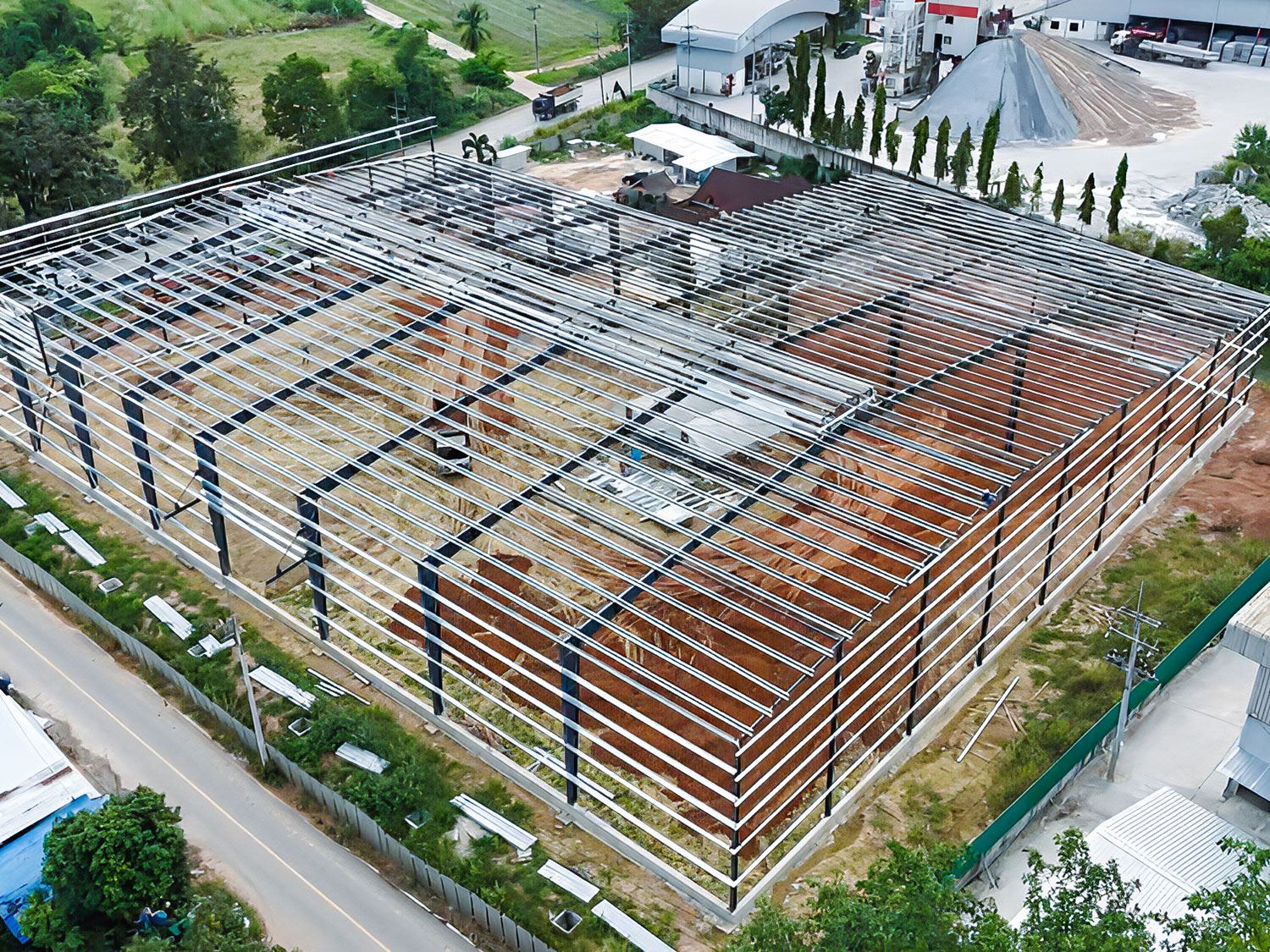
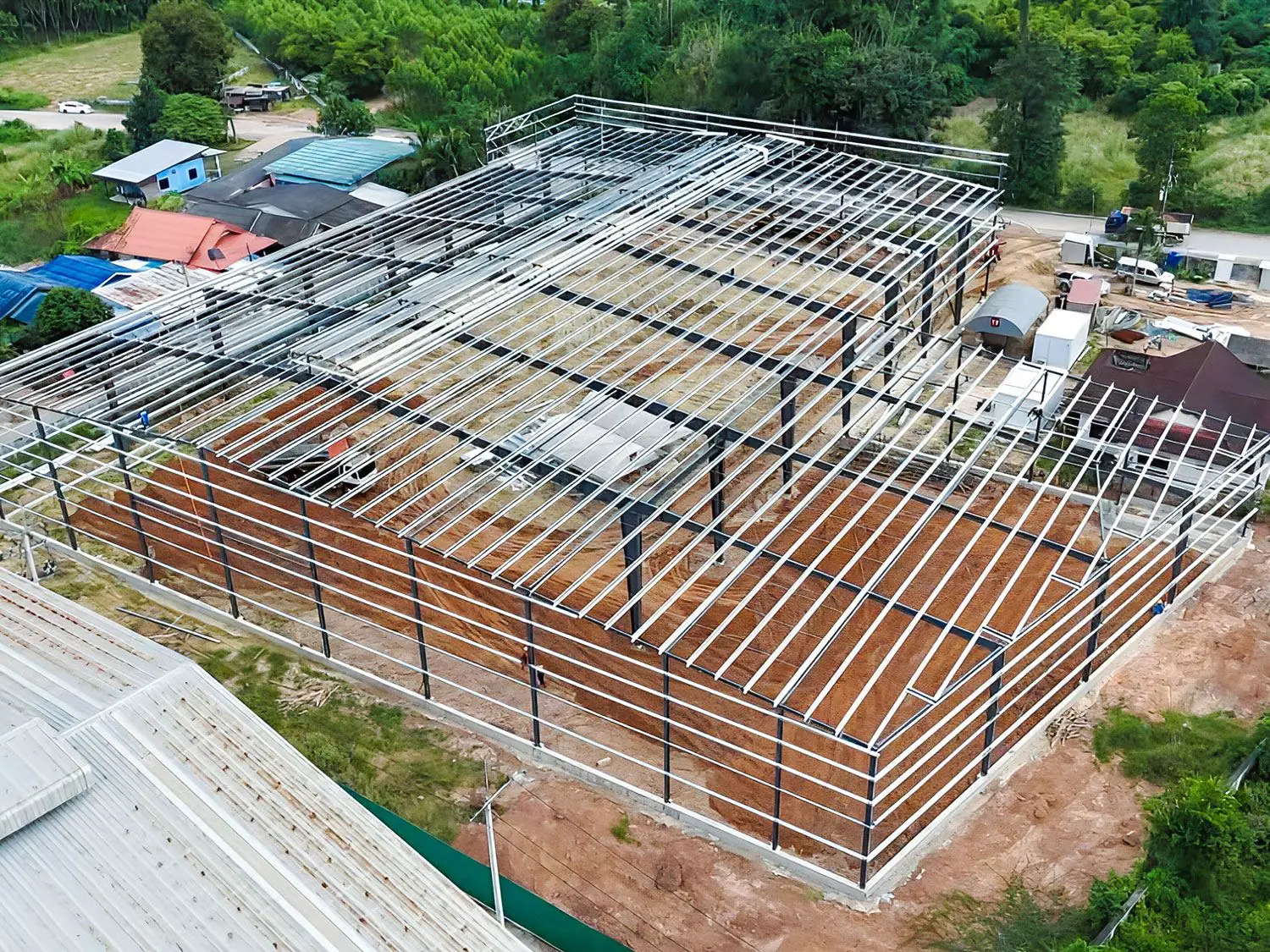
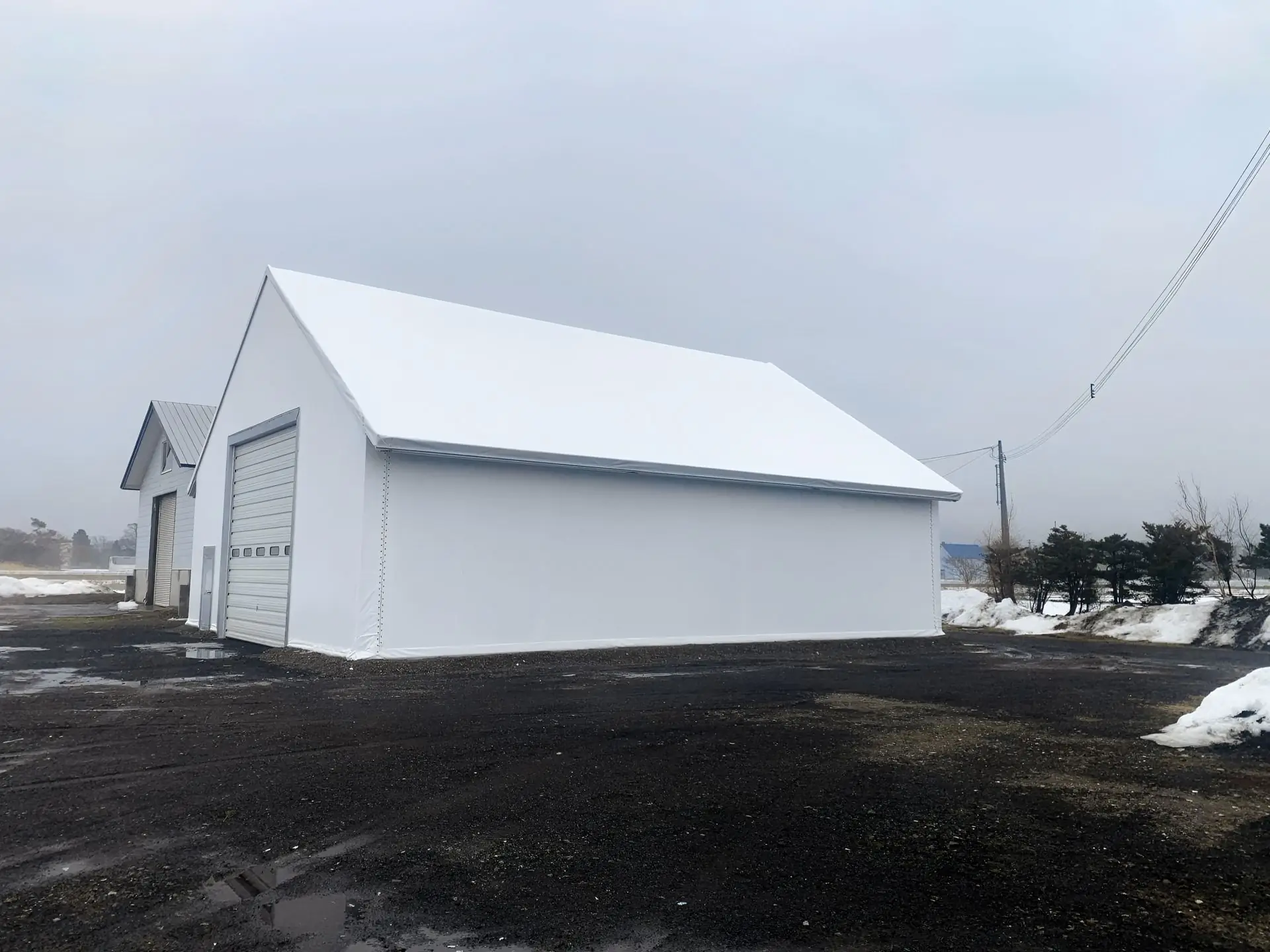
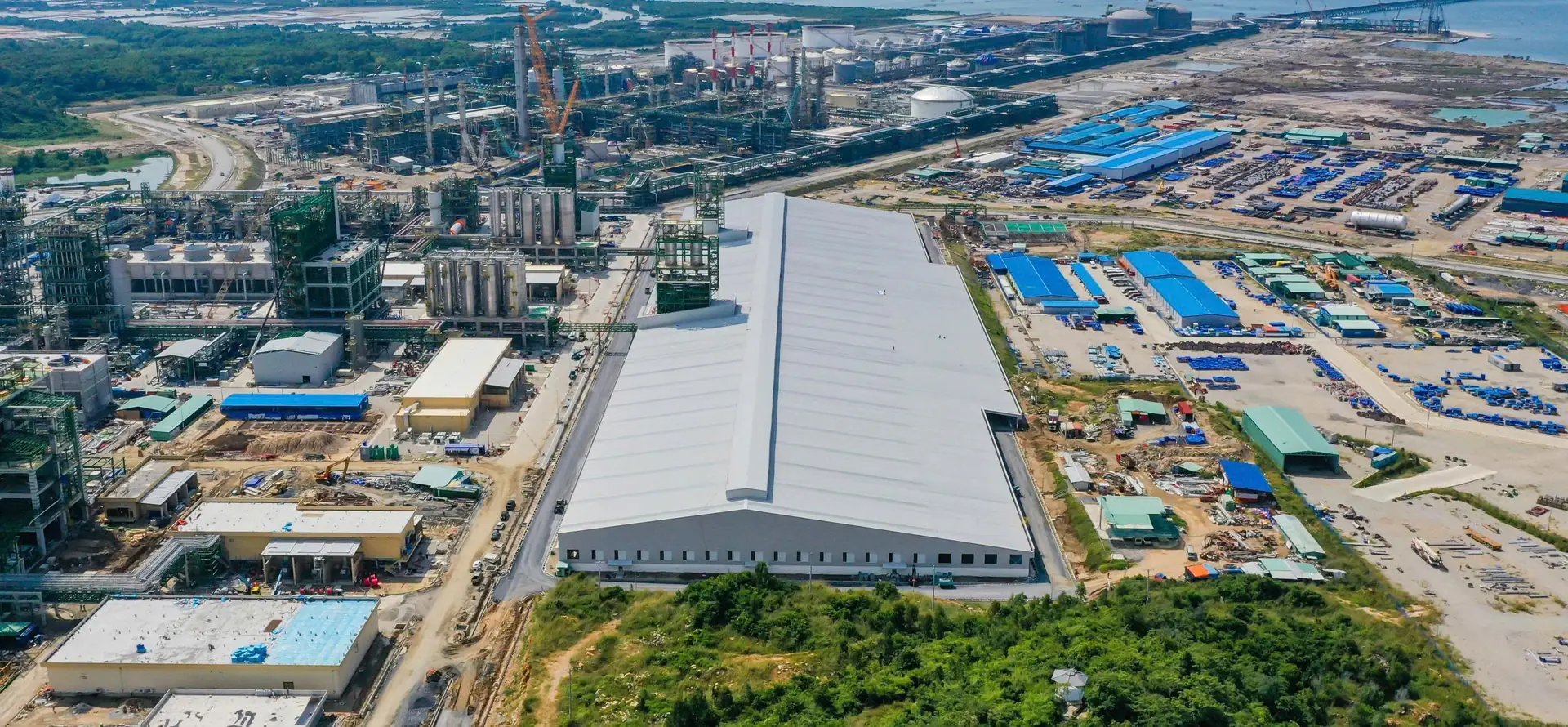
Real photos from World Steel
Frames sized for wind, snow and earthquake by site
Photographed in our own plant in Tay Ninh Province, Vietnam, and on World Steel jobs. Not stock images.

ASCE 7 never works alone
The standards and guides it works with
Each link opens the full page, with its own questions and answers.
Why no numbers appear here
Wind, snow and seismic values hinge on the exact site and risk category, so publishing them here would mislead. Your Engineer of Record confirms them, and they appear on the opening page of our calculations.
Who does what
World Steel designs, fabricates and supplies the steel structure from its own plant in Vietnam. The US contractor, our customer, erects it, has the drawings approved and sealed by their Engineer of Record and pulls the permit.
Verified Edition: ASCE 7-22 (referenced by IBC 2024)
Source record: https://awc.org/wp-content/uploads/2021/12/AWC-ASCE7-10-WindChanges-1110.pdf
Last checked: November 8, 2026. Editions change on a cycle, so your Engineer of Record confirms which one your jurisdiction enforces.
All US codes & standardsHave a site address and a footprint?
Send them. We pull the ASCE 7 wind, snow and seismic data for your coordinates, confirm the risk category with your Engineer of Record and show every load on the first page of the calculations.