Heavier than it looks
Slurry lines change the rack
A rack for slurry and tailings carries pipe that is heavy when full and heavier still when it plugs and fills with settled solids. Lines are often lined with rubber or HDPE and need supports at short spacing, drains and room for pipe replacement. We take the line list, the support spacing and the load data from your piping engineer and design the bents, struts and bracing for them.
Process industry racks are often designed with the Process Industry Practices (PIP) structural criteria as a reference, or with the owner’s own standards. We design to the basis your Engineer of Record sets and to ASCE 7-22 for wind and seismic forces.
Rack types
What we supply for the pipe and cable network
Main pipe racks
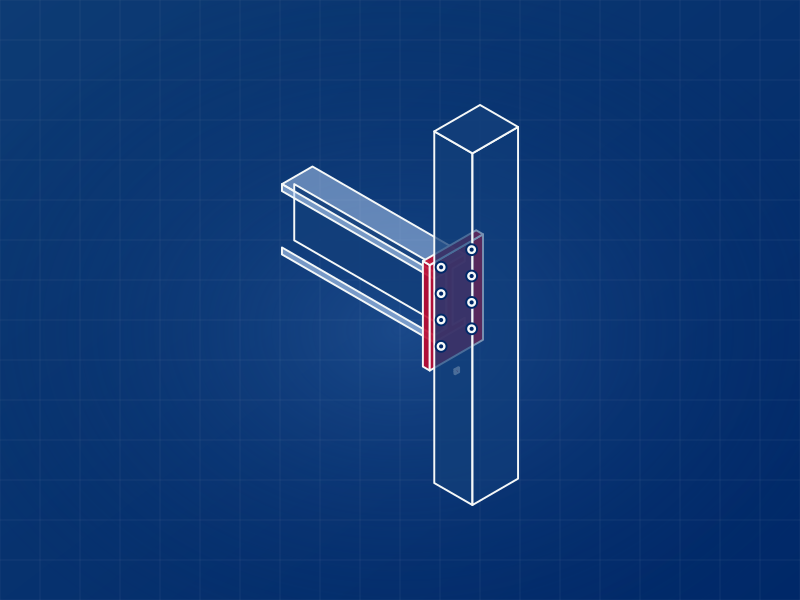
Multi-tier bents with longitudinal struts and bracing, anchor and guide points where the piping engineer sets them.
Utility bridges
Truss spans over haul roads and rail lines, with clearances set by the owner.
Cable racks and tray supports
Steel for power and control cable trays along the racks and into the buildings.
Platforms and walkways
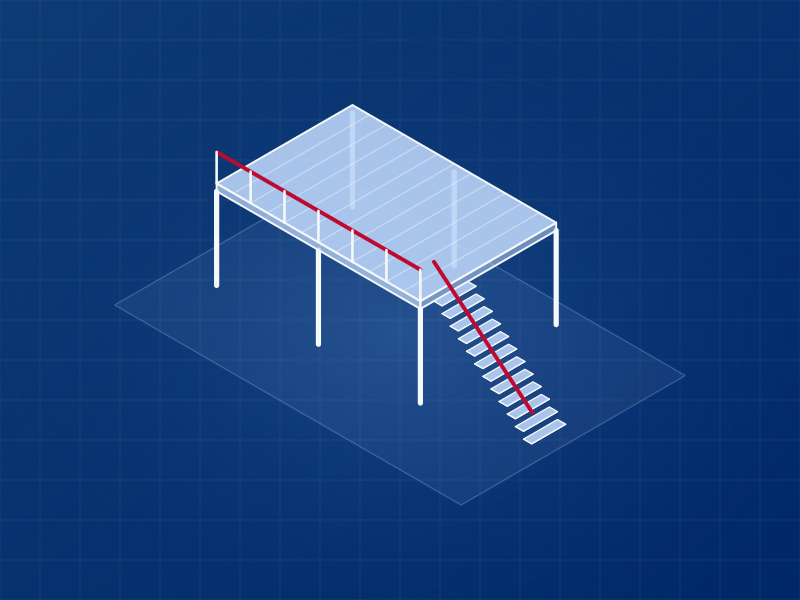
Access at valves, instruments and pipe changes, with stairs and ladders.
Data we need
From line list to rack steel
| Data | From | Used for |
|---|---|---|
| Line list and pipe sizes | Piping engineer | Tier layout and bent widths |
| Operating, test and plugged weights | Piping engineer | Gravity design of beams and bents |
| Anchor, guide and friction loads | Pipe stress analysis | Struts, bracing and anchor bays |
| Cable tray loads | Electrical engineer | Tray supports and tier loads |
| Clearances and crossings | Owner and civil engineer | Bridge spans and heights |