
Three inputs, one letter
How a site gets its Seismic Design Category
Start with the ground motion. For the exact latitude and longitude of the site, the ASCE Hazard Tool and the USGS seismic design data return spectral accelerations. ASCE 7-22 turns them into two design values: SDS for short periods and SD1 for a period of one second. They already include the effect of the soil, so the site class from your geotechnical report matters as much as the map.
Then add how essential the building is. The risk category, set from IBC Table 1604.5, runs from I for low-hazard buildings such as barns to IV for essential facilities such as fire stations and emergency shelters. ASCE 7-22 reads SDS and SD1 against the risk category in two tables, and the more severe of the two answers is the category. Sites with very strong long-period shaking, where S1 is 0.75 g or more, go straight to E, or to F for a risk category IV building.
ASCE 7-22 also added the intermediate site classes BC, CD and DE. Without soil data, the code uses the most critical of the default classes it lists, so a geotechnical report often lowers the design forces rather than raising them.
Letter by letter
What each category changes for the steel
A plain-English summary. Your Engineer of Record confirms the category and every limit for your project.
| Category | Ground motion and use | What it means for a steel building |
|---|---|---|
| SDC A | Very low expected shaking | A complete load path and minimum connection ties. No seismic force-resisting system analysis beyond the minimum lateral force. |
| SDC B | Low shaking | Seismic forces are calculated, but steel systems not specifically detailed for seismic resistance (R = 3) are permitted, so AISC 341 detailing is usually not required. |
| SDC C | Moderate shaking | The R = 3 option for steel is still available. Requirements grow for anchorage, nonstructural components and some structural irregularities. |
| SDC D | High shaking | The seismic force-resisting system must be designed and detailed to AISC 341. Height limits apply by system, and quality assurance under AISC 341 Chapter J and IBC Chapter 17 follows. |
| SDC E | S1 of 0.75 g or more, risk category I, II or III | Sites near major active faults. Several systems are restricted further and some structural irregularities are not permitted. |
| SDC F | S1 of 0.75 g or more, risk category IV | Essential facilities near major faults. The strictest limits on systems, irregularities and height. |
Risk category
How essential is the building?
The seismic importance factor Ie scales the design force with the risk category.
Risk category I · Ie 1.0
Buildings that pose a low hazard to people if they fail, such as agricultural buildings and minor storage.
Risk category II · Ie 1.0
Most warehouses, plants, shops, offices and retail buildings.
Risk category III · Ie 1.25
Buildings whose failure would be a substantial hazard, such as large assembly occupancies and many schools.
Risk category IV · Ie 1.5
Essential facilities: fire, rescue and police stations, emergency shelters, hospitals with surgery or emergency treatment.
How we pin it down
From a street address to a category printed on the calculations
-
Site coordinates
You send the address. We locate the building footprint, not the parcel centroid.
-
Soil report
The site class comes from your geotechnical engineer. Without it, we state the default class we assumed in writing.
-
Risk category agreed
Settled with your Engineer of Record from the occupancy before anything is sized.
-
Category in writing
SDS, SD1 and the category are printed with their sources on the front page of the calculation package.
Real photos
From our plant in Vietnam
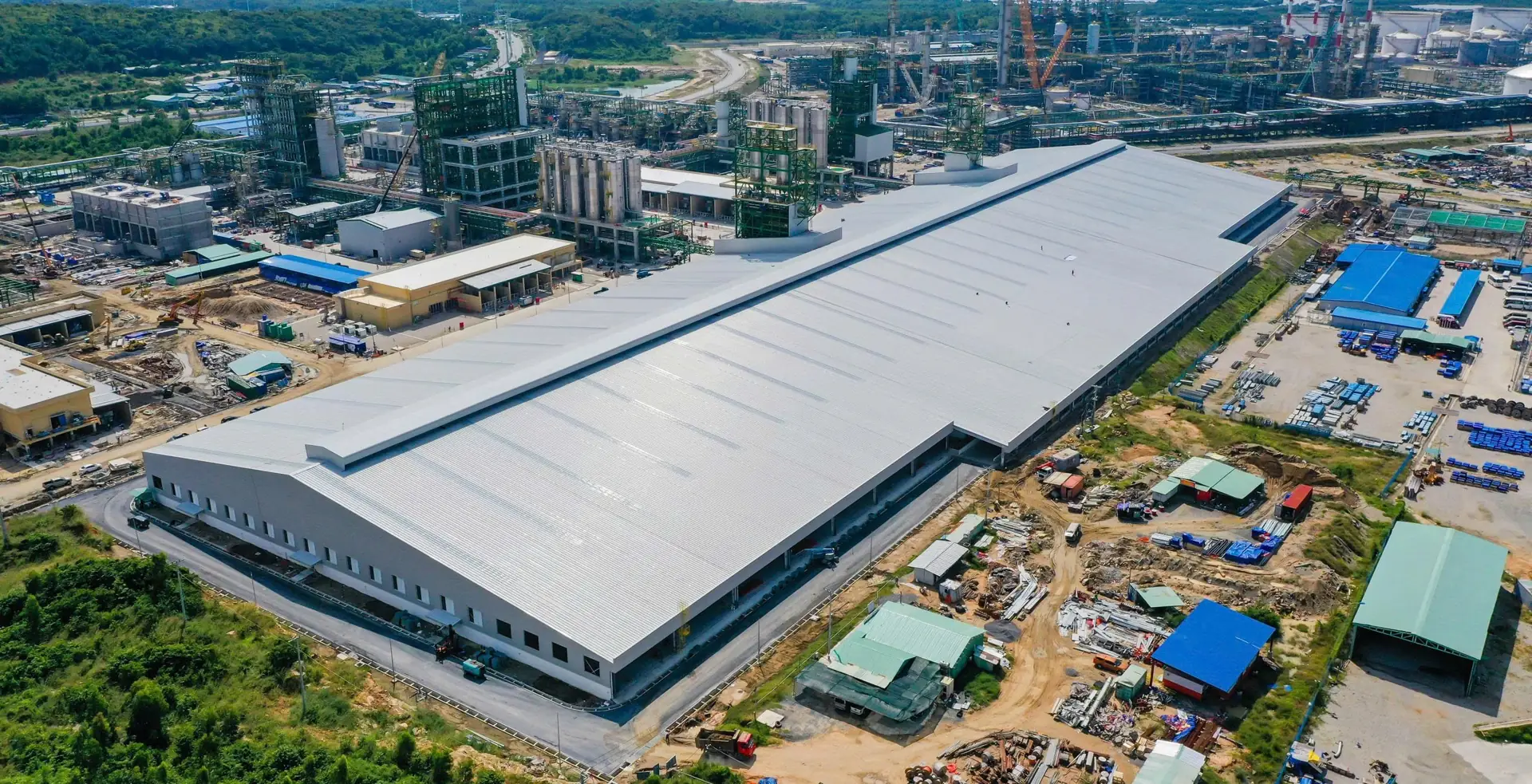
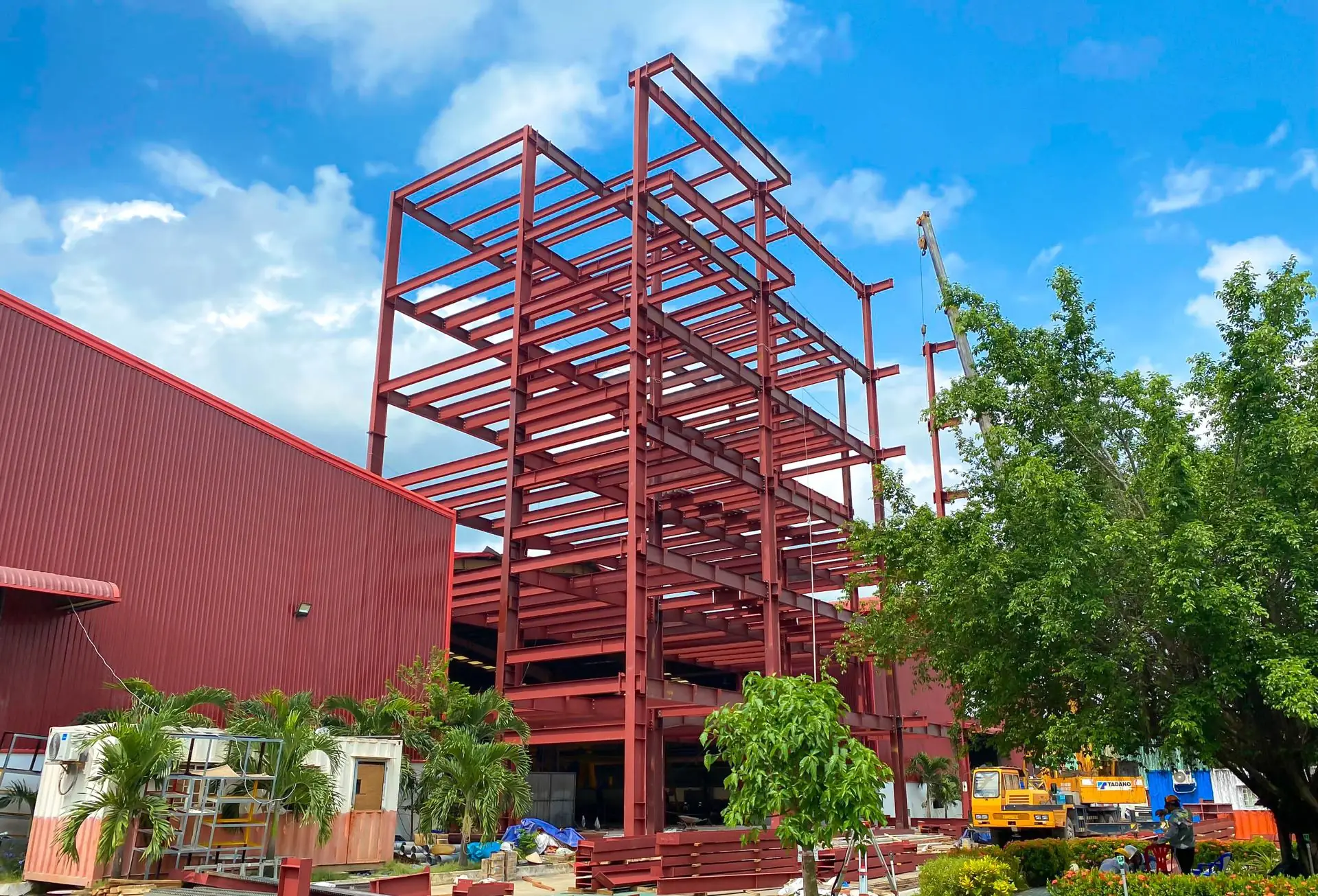
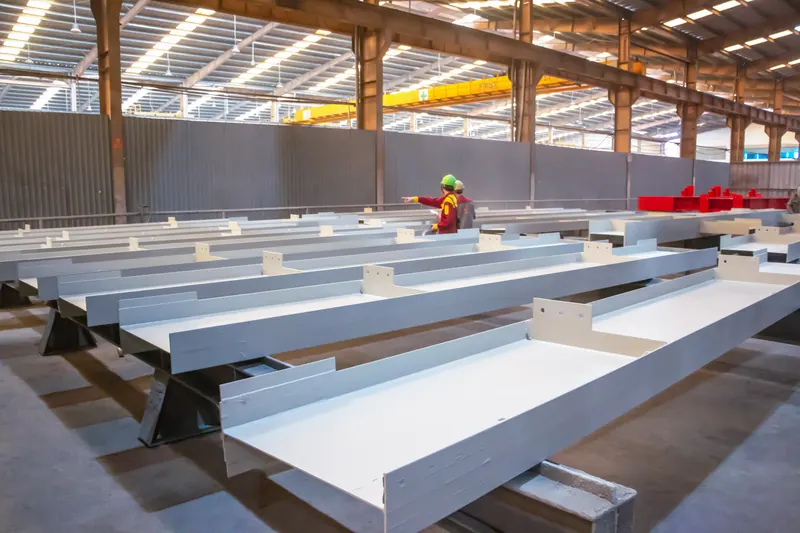
World Steel’s own shop floors and jobs, where the steel for US projects is made. Not stock images.
How World Steel supports this
Designed to US codes, made in our plant in Vietnam
Category confirmed before design
Risk category, site class and SDC are agreed in writing with your Engineer of Record at kickoff.
Sources on the front page
Every seismic parameter is printed with its source in the calculation package.
The edition you enforce
IBC 2024 and ASCE 7-22 by default, or the edition your building department adopted.
The seismic solution ecosystem
Products and solutions behind this guide
The products we make for this part of a seismic structure, the services that come with them and past World Steel projects, all one click away.
Products made in our plant in Vietnam
Solutions that come with it
World Steel projects: US codes, Guam, Japan and beyond
 3D model
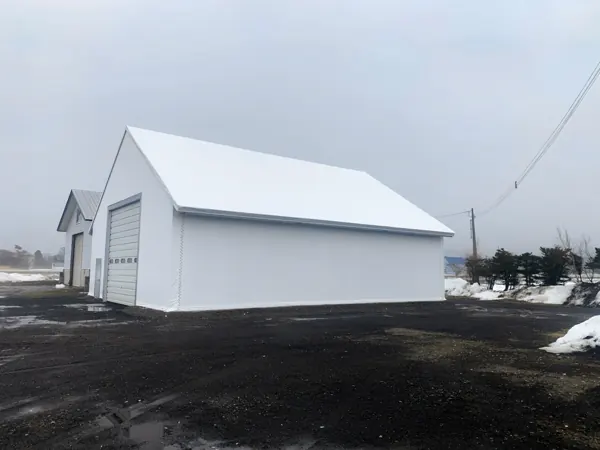 Photo
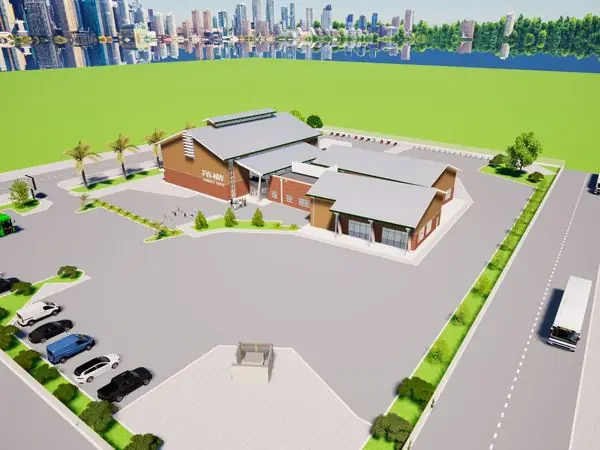 3D model
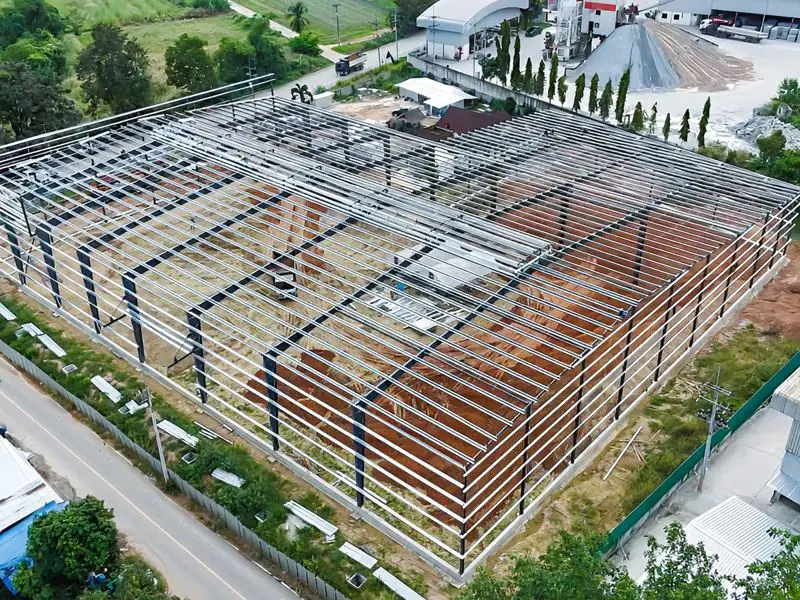
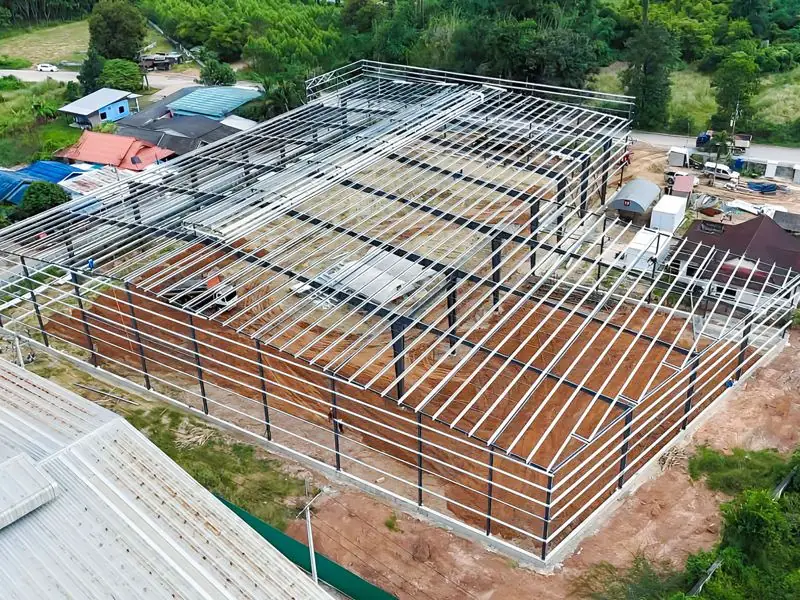
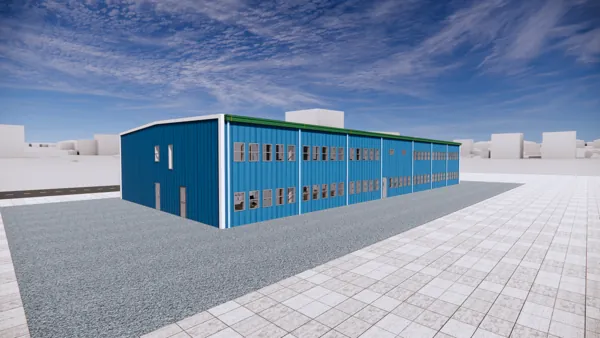
Past World Steel work, shown for the structure type. It does not describe the seismic criteria of any one project.
Standards on this page
Read the standard behind it
Each standard page explains what it covers, the edition we reference and how we apply it. We design and fabricate to these standards; they are not certifications.
Keep reading
Related solutions
Questions from US buyers
Seismic Design Categories: questions we hear
Can two buildings on the same street have different categories?
Yes. The soil can change from one lot to the next, and a fire station next door to a warehouse sits in a higher risk category. Either can move the letter.
Does adding a mezzanine change my Seismic Design Category?
No. The category depends on the site and the risk category. A mezzanine adds seismic weight and may change the lateral system you need, so it is checked when the building is designed or expanded.
Our county still enforces ASCE 7-16. Does that change the category?
It can. The two editions use different ground motion data and site factors, so we design to the edition your jurisdiction enforces and state it on the calculations.
Why does a soil report sometimes lower the forces?
Without soil data, ASCE 7-22 makes you use the most critical of its default site classes. Measured soil properties often place the site in a more favorable class.
Does World Steel provide shop drawings for seismic work?
Yes. Shop drawings come with every project at no extra charge. We design and fabricate the steel structure, and your Engineer of Record reviews and approves the calculations and drawings.
A plain-English summary for US buyers, not the code text and not engineering advice for a specific site. The adopted codes and standards govern, and your Engineer of Record confirms the criteria for each project.
Talk to a seismic engineer
Send the site address, the soil report if you have one, and what the building is for. We confirm the seismic criteria with your Engineer of Record and return a written scope for steel designed to US codes and made in our plant in Vietnam.