
Washington · Snow loads
Steel for Washington snow, from the passes to Spokane
Snow in Washington changes within a short drive. Puget Sound sees little; the Cascade passes carry some of the heaviest ground snow loads in the country; Spokane and the Columbia Basin have cold winters with snow that stays. Roof steps, parapets and rooftop equipment collect drifts, and rain on snow adds weight in the west.
Made in World Steel’s own plant in Vietnam, the first and only fabricator in Vietnam accredited under IAS AC472, and shipped to a Washington port.
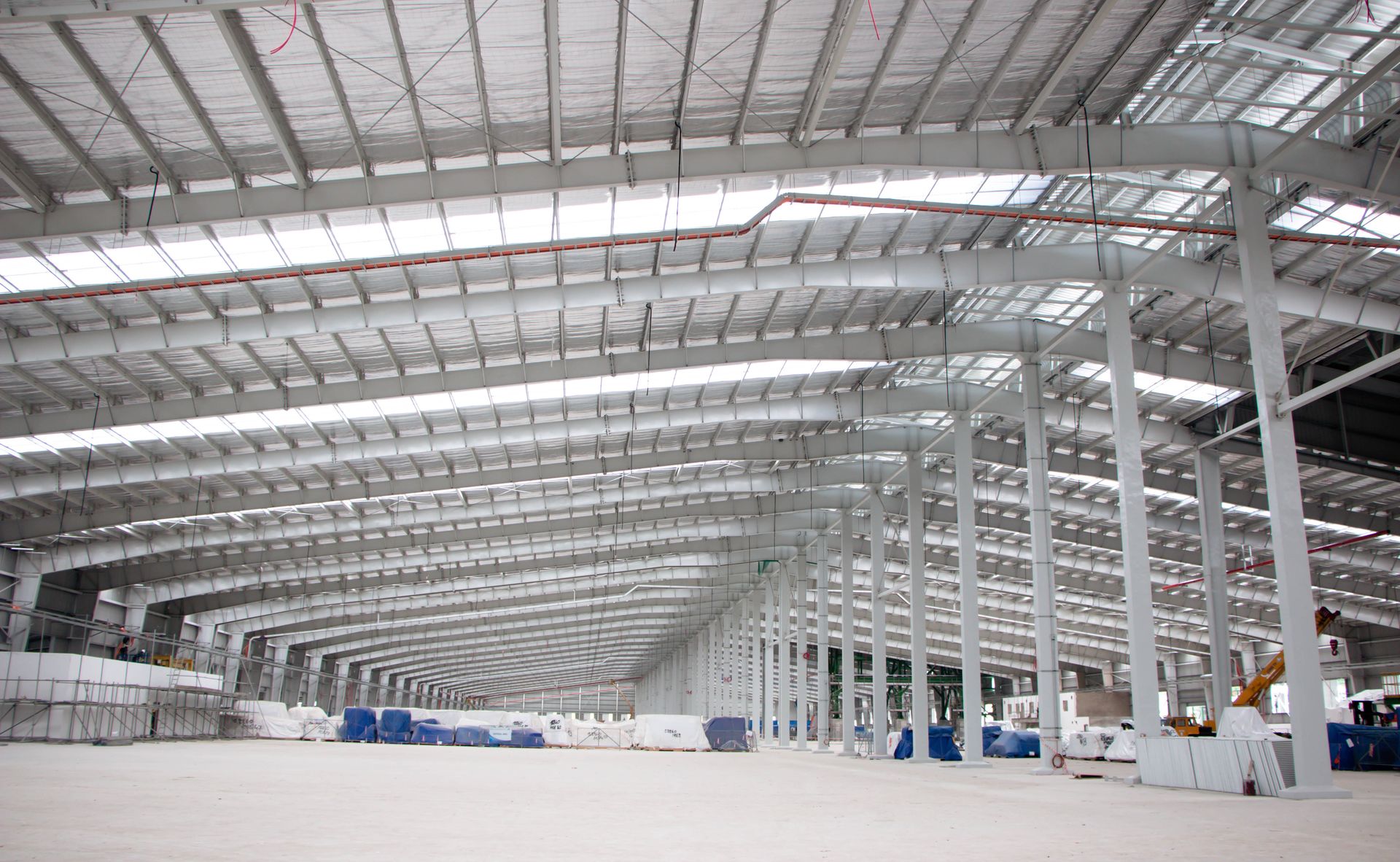
Design datum
- Ground snow
- From the site data and the local jurisdiction
- Drift
- At roof steps, parapets and rooftop units
- Rain-on-snow
- A surcharge where the code requires it
- Our part
- Rafters, trusses and purlins sized for the case
Why it matters
Snow sets the roof and the frame
ASCE 7 gives ground snow loads by location and risk category, and in the mountains some sites need a case study. Many Washington jurisdictions also publish their own ground snow loads based on regional studies, and the building official decides which value governs. We never assume one: the value comes from your site and your jurisdiction.
The ground snow is only the start. Roof shape, exposure and thermal conditions turn it into a roof load; steps and parapets add drifts that can be several times the flat-roof load; unbalanced loads act on gable roofs. On a large warehouse or data center roof with equipment screens, the drift zones decide the purlin spacing and the frame size.
Steel details that matter
Where snow goes through the steel
Drift zones
Purlins and rafters strengthened under the drift at roof steps, parapets and screens.
Frames and trusses
Built-up rafters or trusses sized for balanced, unbalanced and drift loads.
Purlins and bracing
Purlin depth, spacing and bracing set for heavy roofs, with flange bracing at the frames.
Rain-on-snow
The surcharge added where the code asks for it, mostly on low-slope roofs west of the Cascades.
Sliding snow
Loads from snow sliding off a higher roof onto a lower one, and snow guards where needed.
Cold and ice
Details at eaves and gutters for ice dams, and steel with the toughness the design needs.
What we do not claim
We publish no snow load per city or county and claim no rating for any roof. The design snow load comes from your site data and the jurisdiction, confirmed by your Engineer of Record.
Washington ecosystem
Products and solutions behind this guide
The World Steel products, systems and services this guide relies on, made in our plant in Vietnam.
Real World Steel photos
World Steel at work
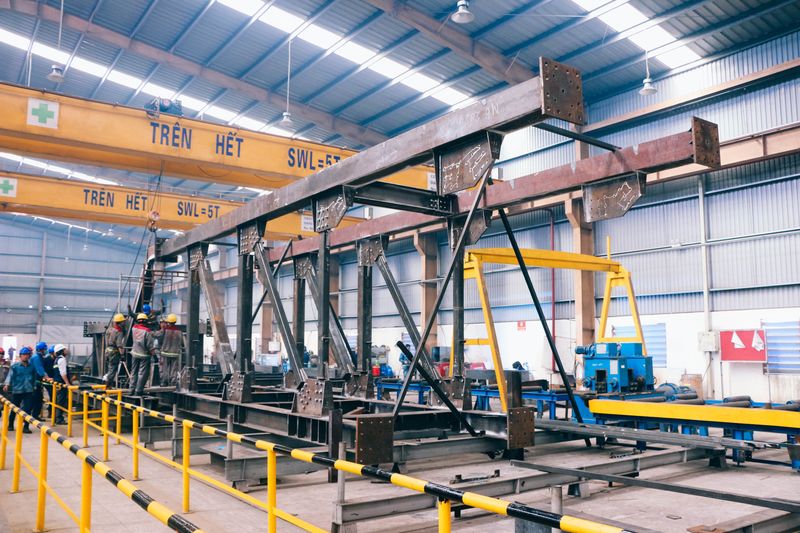
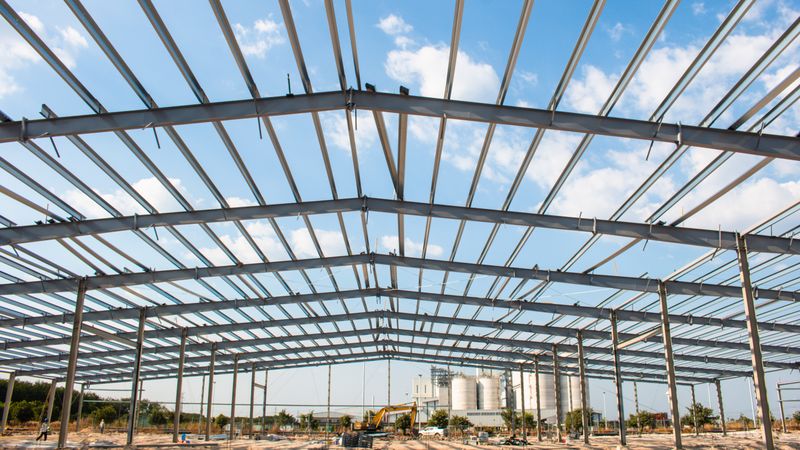
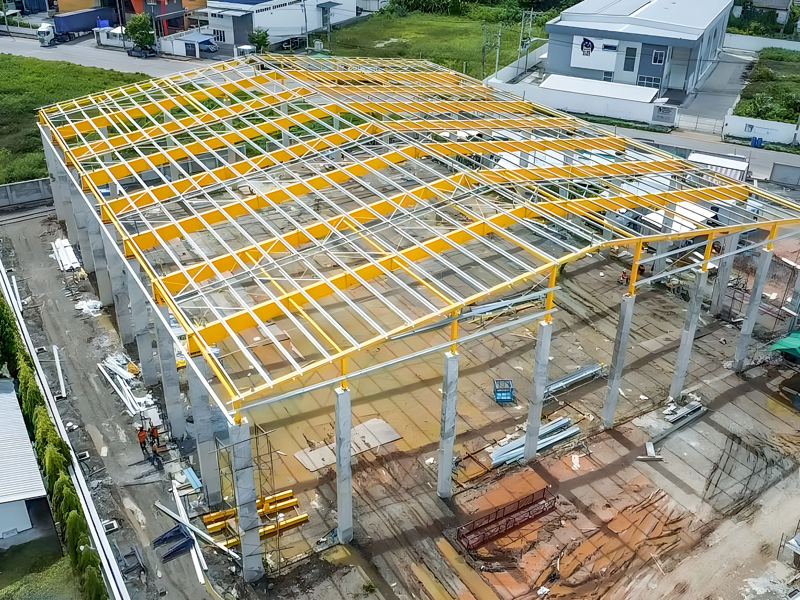
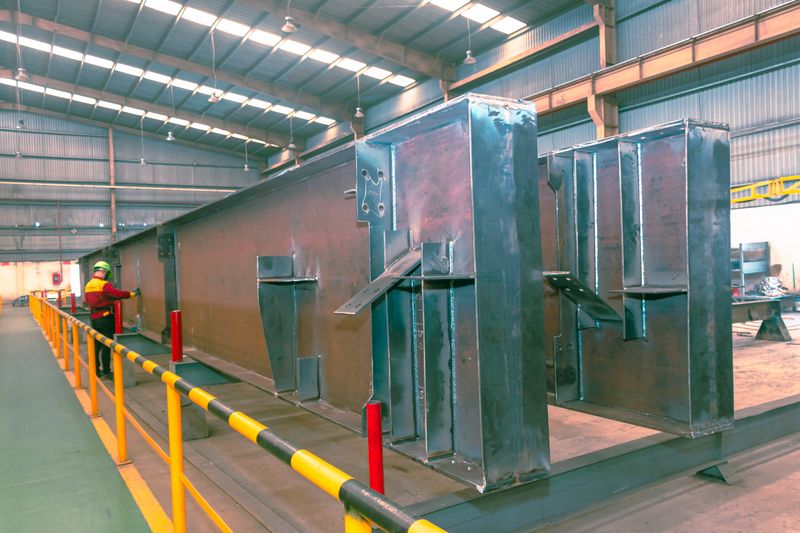
Real photos from our plant in Vietnam, where the steel for your Washington project is cut, welded, inspected and packed.
Q&A
What Washington buyers ask
What ground snow load do you use?
The one your jurisdiction and Engineer of Record confirm for your site: from ASCE 7 data or the local published value, whichever governs. We publish no value per city.
Can you design for drift at a new addition next to an existing building?
Yes. Drift on the lower roof of an addition is common and often governs. We need the heights and roof shapes of both buildings.
Is rain-on-snow required in Washington?
Where the code requires it, typically on low-slope roofs in milder, wetter areas. Your Engineer of Record confirms.
Washington solutions
Every Washington guide
Related pages
Code facts on this page summarize Washington rules, the International Building Code, ASCE 7 and related standards for US buyers. They are not legal or engineering advice; your Engineer of Record and building official confirm the edition and local amendments in force for your permit.
Building in Washington?
Send the drawings or the site address, size and use. We set the Washington design basis with your Engineer of Record, design or detail the steel and quote it made in our plant in Vietnam, packed in erection order for your site.