
Side by side
Three families of fire protection for steel
Typical values only. Thickness and ratings come from the listed design and the manufacturer’s tables for each member.
| Thin-film intumescent | Thick-film epoxy intumescent | SFRM (cementitious or fiber) | |
|---|---|---|---|
| How it works | Swells into an insulating char when heated | Swells and chars; tough epoxy binder | Insulates by its thickness and low conductivity |
| Typical dry thickness | Fractions of a millimeter to several millimeters | Several millimeters to 25 mm (1 in) or more | Around 10 mm (3/8 in) to several tens of millimeters |
| Common ratings | Most often 1 to 2 hours, some listings longer | Up to 4 hours, cellulosic and hydrocarbon | Up to 4 hours |
| Look | Smooth painted finish, any topcoat color | Hard, durable finish, topcoat optional | Textured, usually hidden |
| Exposure | Mostly interior; exterior with an approved topcoat and listing | Exterior, marine and industrial | Interior, concealed; some exterior grades |
| Where applied | On site or in the fabrication shop | Often in the shop or a coating yard | On site, after erection and decking |
| Typical uses | Exposed columns, atriums, lobbies, parking, schools | Refineries, LNG, offshore, pipe racks, modules | Office and hospital floors, concealed beams |
How to choose
Questions that settle the choice
Will anyone see the steel?
Exposed architectural steel points to thin-film intumescent. Steel above a ceiling usually points to SFRM.
What is the fire?
An ordinary building fire is tested to UL 263. Fuel and process fires need UL 1709, which points to epoxy intumescent or a listed hydrocarbon SFRM.
Where will it live?
Rain, humidity, washdown or impact rule out many thin films and soft sprays. Epoxy systems or approved topcoats handle them.
When can it go on?
SFRM goes on after the frame, deck and services are in place. Intumescent can be applied before shipping, which takes a trade off the site.
How heavy is the steel?
Light, open sections need more coating. Upsizing a few members can shorten the coating schedule.
What will the owner maintain?
Painted intumescent is easy to inspect and touch up; sprays get damaged by later trades and need repair.
Mixing systems on one building
A protection map by zone
On a hospital or an office tower, the typical answer is SFRM on concealed floor beams and girders, thin-film intumescent on columns and beams left exposed in lobbies and atriums, and a hard-wearing system where steel meets the weather. In a petrochemical plant, epoxy intumescent goes on pipe-rack columns and equipment supports up to the fire-exposed height the owner’s specification sets, while buildings on the same site follow ordinary building rules.
Each zone gets its own listed design and product, and the change from one system to another is detailed where the members meet. We carry the zone map into the model, so every piece mark knows which system, rating and thickness it needs.
Real photos
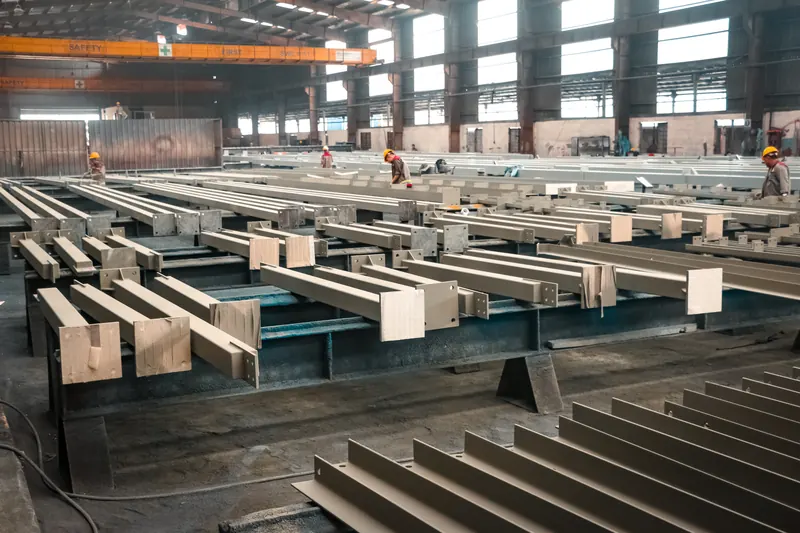
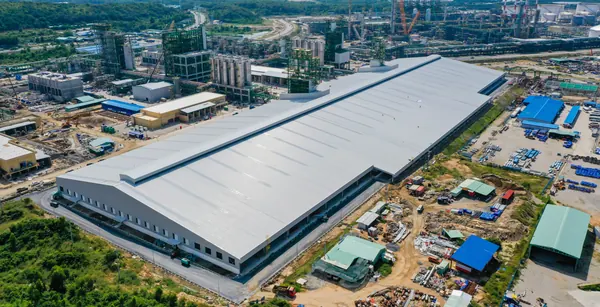
From our plant in Vietnam
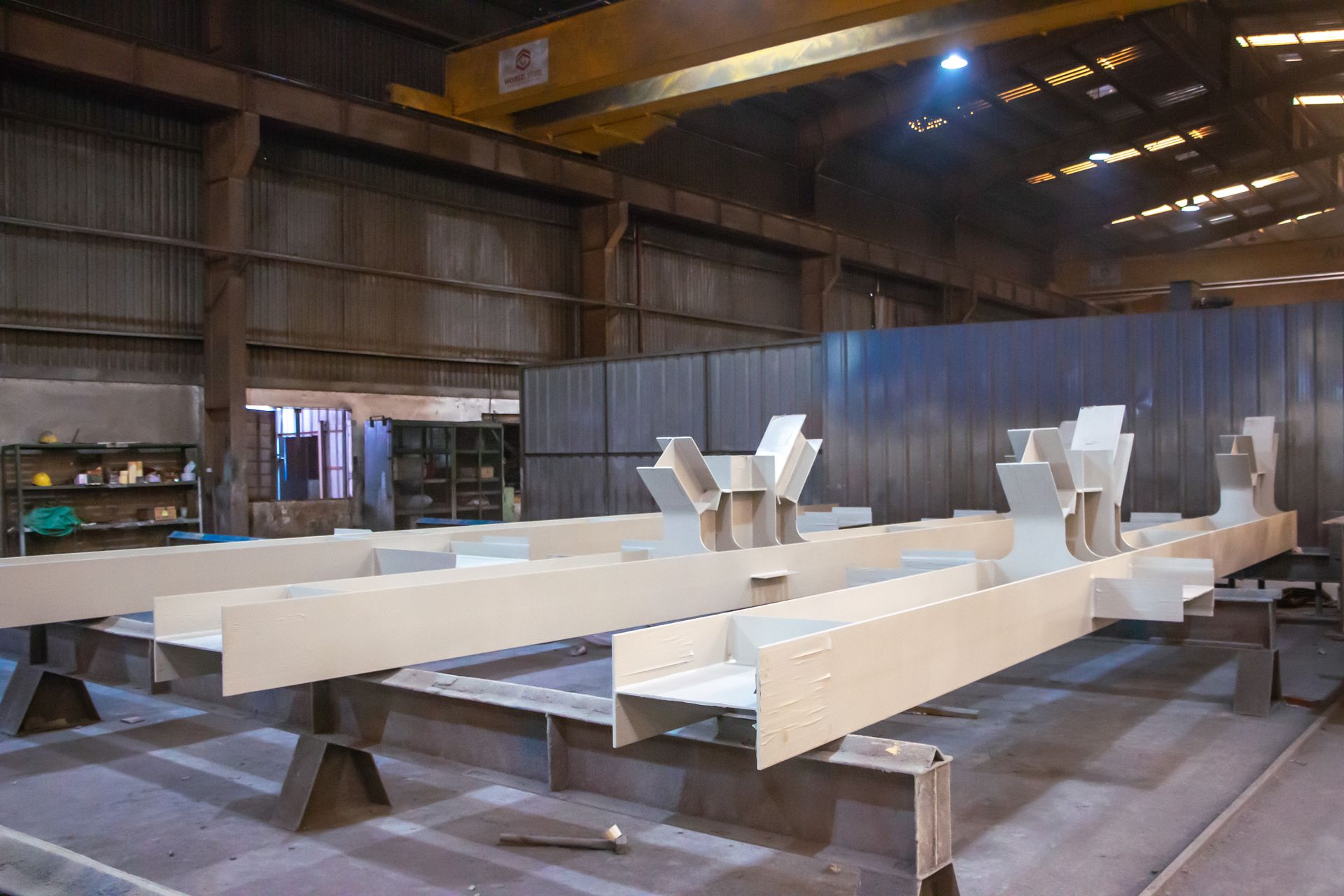
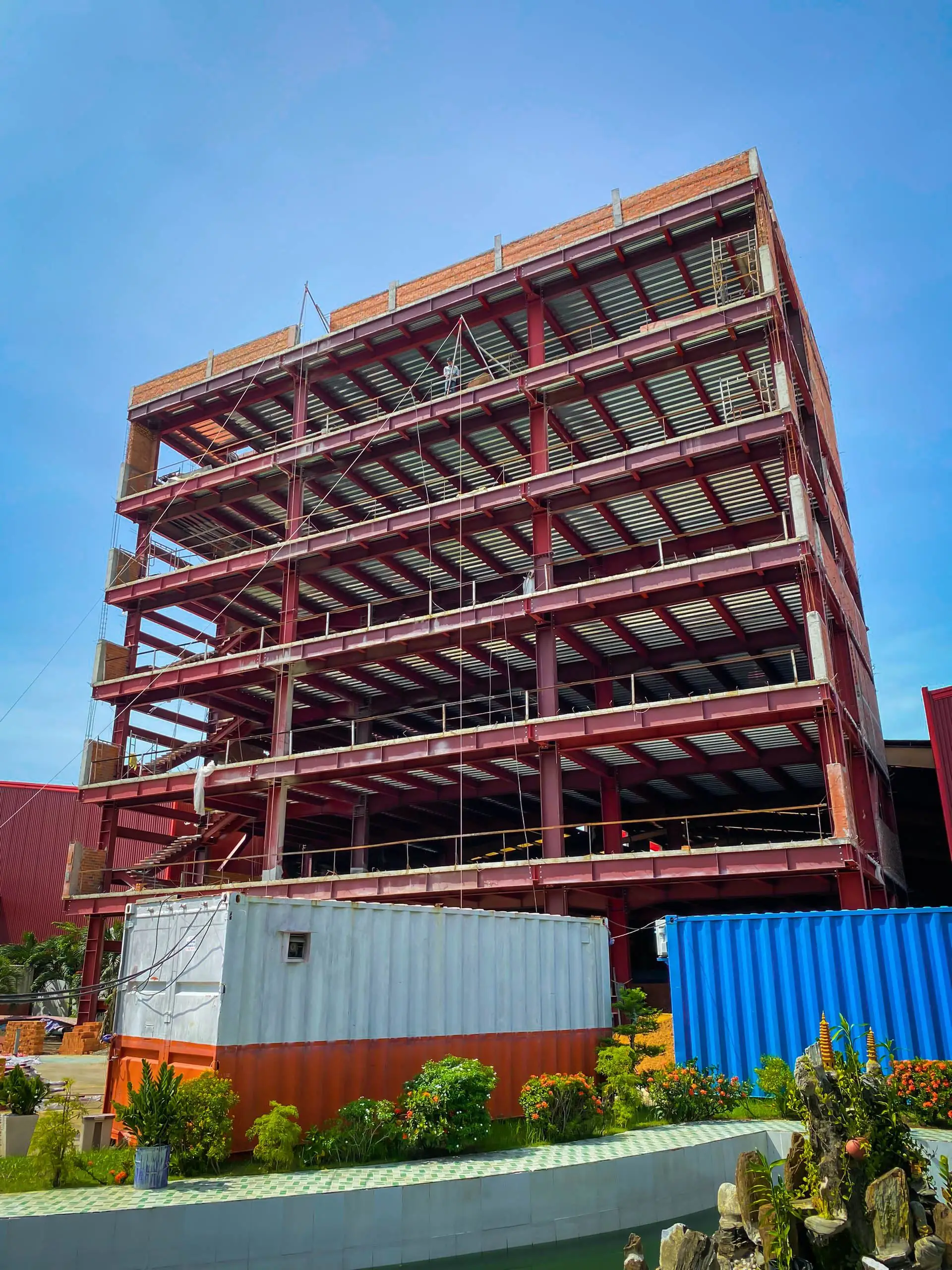
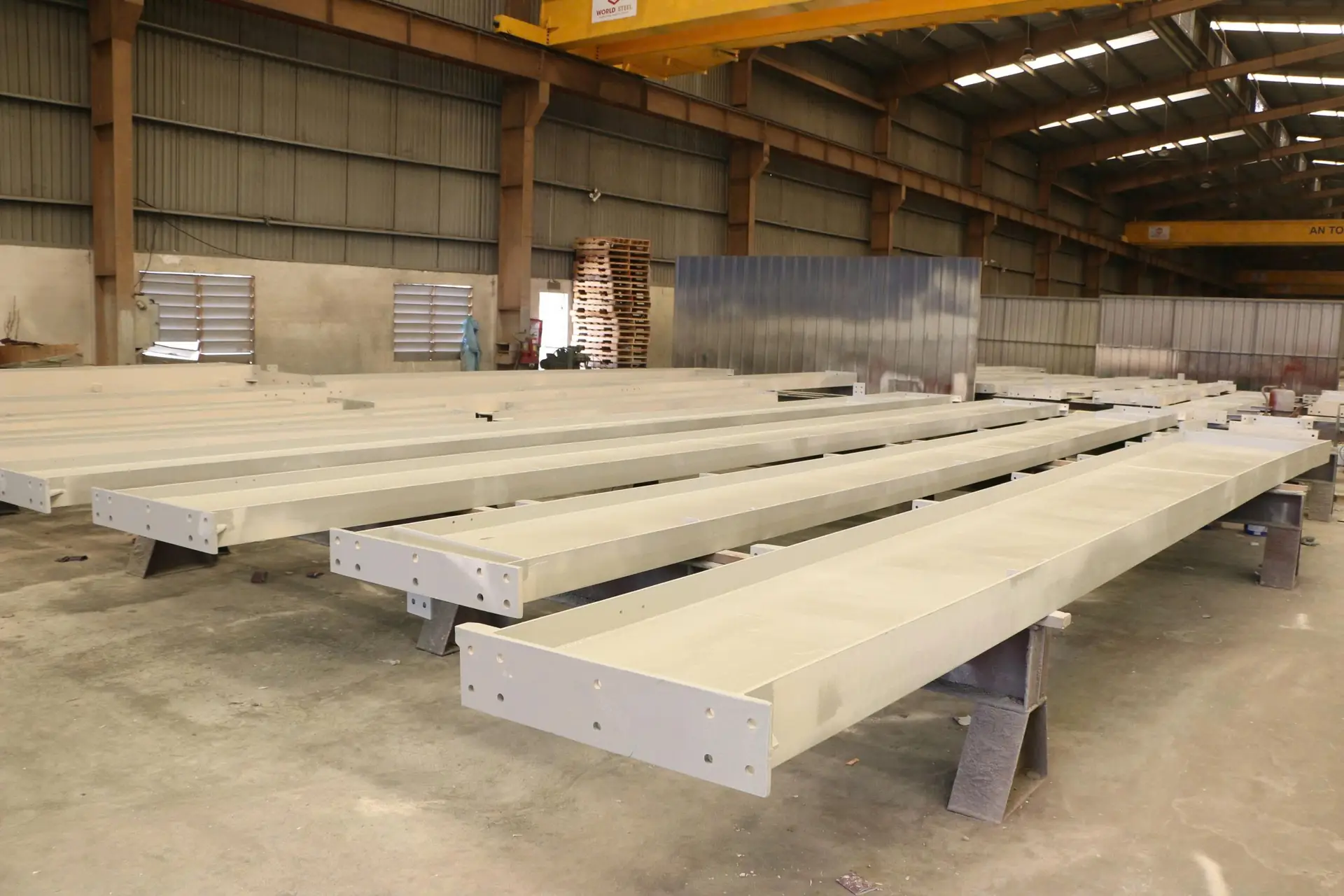
World Steel’s own shop floors and jobs, where the steel for US projects is made. Not stock images.
How World Steel supports this
Designed to US codes, made in our plant in Vietnam
Zone map in the model
Each member is tagged with its protection system, rating and design number.
Primer to suit each system
SFRM, thin-film and epoxy zones each get the primer their manufacturer accepts.
Section sizes tuned
Where a heavier section saves coating, we show the trade for your Engineer of Record.
The fire protection ecosystem
Products and solutions behind this guide
The products we make for this part of a seismic structure, the services that come with them and past World Steel projects, all one click away.
Products made in our plant in Vietnam
Solutions that come with it
World Steel projects: process plants, healthcare, multi-story
 Photo
 Illustration
 Photo
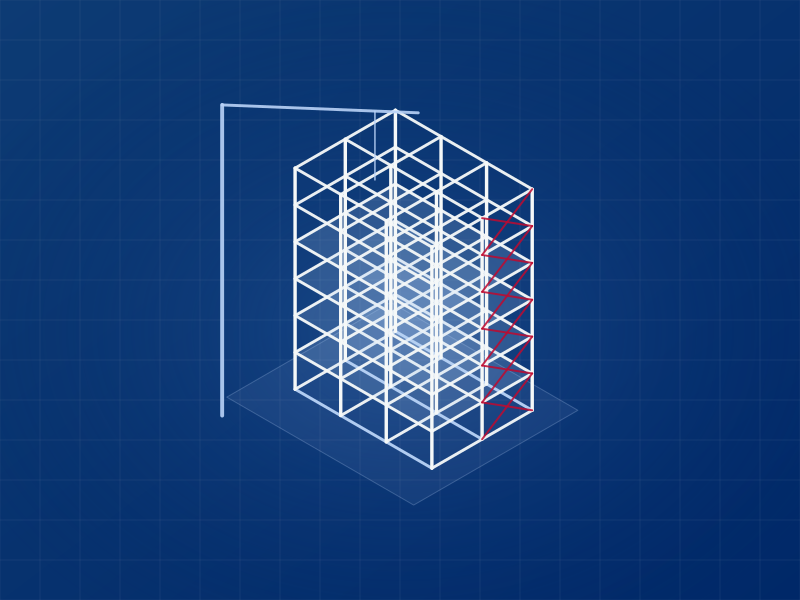
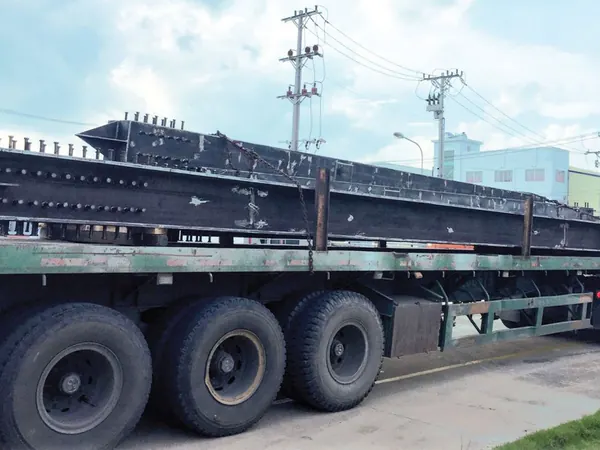
Past World Steel work, shown for the structure type. It does not describe the seismic criteria of any one project.
Standards on this page
Read the standard behind it
Each standard page explains what it covers, the edition we reference and how we apply it. We design and fabricate to these standards; they are not certifications.
Keep reading
Related solutions
Questions from US buyers
Intumescent vs SFRM: questions we hear
Is intumescent coating better than SFRM?
Neither is better everywhere. Intumescent is chosen for looks, durability and shop application; SFRM is usually the most economical for concealed steel.
Can thin-film intumescent be used outdoors?
Only where the product’s listing and the manufacturer allow it, usually with an approved topcoat and durability testing such as UL 2431.
Can SFRM be applied in the fabrication shop?
It is rarely practical, because sprays are easily damaged in handling and shipping. SFRM is normally applied on site after erection.
Does World Steel supply SFRM?
Spray-applied materials are applied on site by the US contractor’s fireproofing applicator. We supply the steel primed with a primer the SFRM manufacturer accepts, or left bare where the listing allows.
Are shop drawings included for fire-rated steel?
Yes. Shop drawings come with every project at no extra charge, with the rating, protection system and listed design shown for each rated member. Your Engineer of Record reviews and approves the structural drawings.
A plain-English summary for US buyers, not the code text and not engineering advice for a specific site. The adopted codes and standards govern, and your Engineer of Record confirms the criteria for each project.
Planning fire-rated structural steel?
Send the drawings, the specification and the fire protection schedule. We confirm the listed systems and primer with your team and return a written scope for steel designed to US codes, made in our plant in Vietnam and prepared, or coated, for its fire protection.