Designed with the piping engineer
A rack is only as good as the loads it was given
Pipe rack loads come from the piping: operating weights full of water, thermal movement, anchor and guide forces, and the test case when the lines are filled for pressure testing. Cable bridges add tray weights and the pull of future cable. We take those loads from your piping and electrical engineers, add wind and seismic for the site under ASCE 7-22, and design the rack to AISC 360 for your Engineer of Record to approve.
Tiers are spaced for the pipes, trays and walkways your layout calls for, with spare width where your owner wants room to grow.
Rack types
Racks we fabricate for a campus
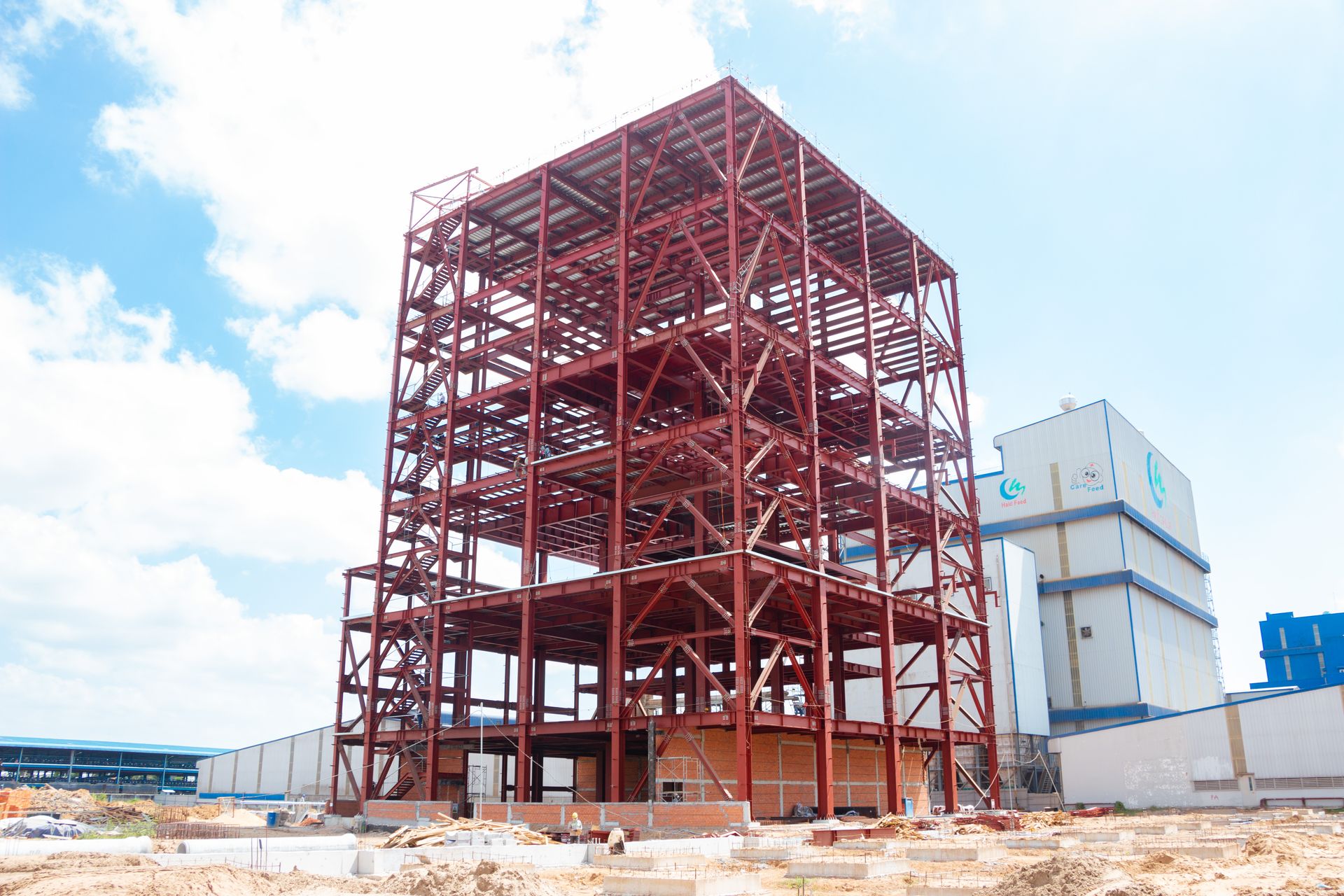
Multi-tier pipe racks
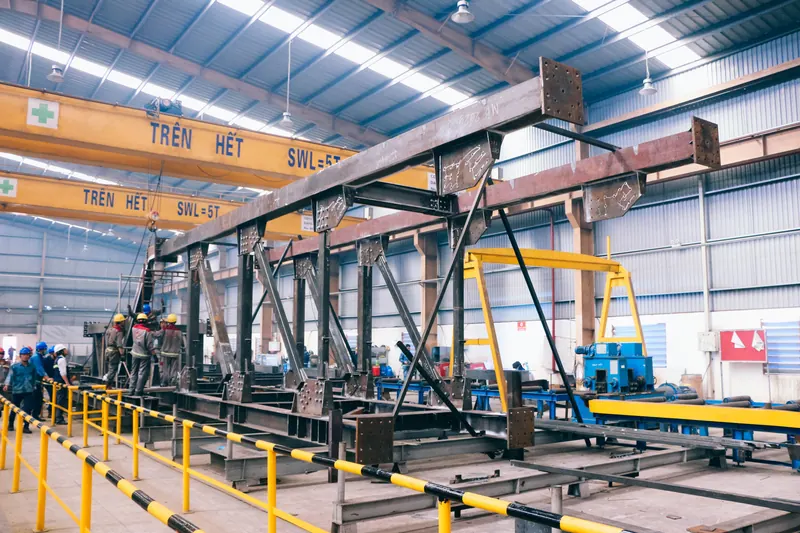
Portal or braced bents carrying chilled water and condenser water lines on several levels, with walkway tiers for valve access.
Cable bridges
Trussed or beam spans carrying cable tray and ladder rack across roads and between buildings.
Truss spans
Longer spans over drives and yards where columns cannot land, fabricated as trusses and spliced in the field with bolts.
Building-mounted supports
Brackets and frames where racks meet the hall wall or enter the roof zone, detailed with the hall frame.
Modular by design
How a rack becomes kits
-
Bents repeated
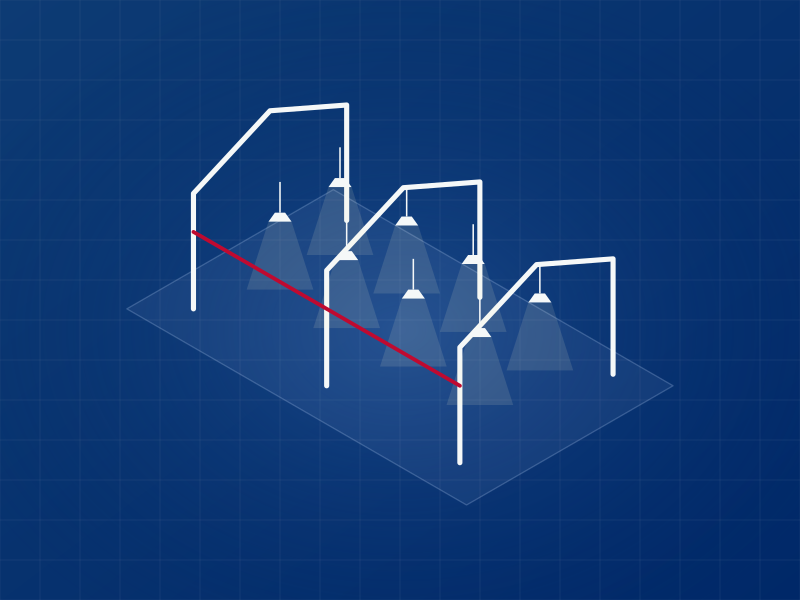
One bent design repeated along the route wherever the loads allow, so fabrication and erection repeat too.
-
Spans sized to ship
Members cut and spliced to fit containers and US trucks, with splices at bolted joints.
-
Galvanized and marked
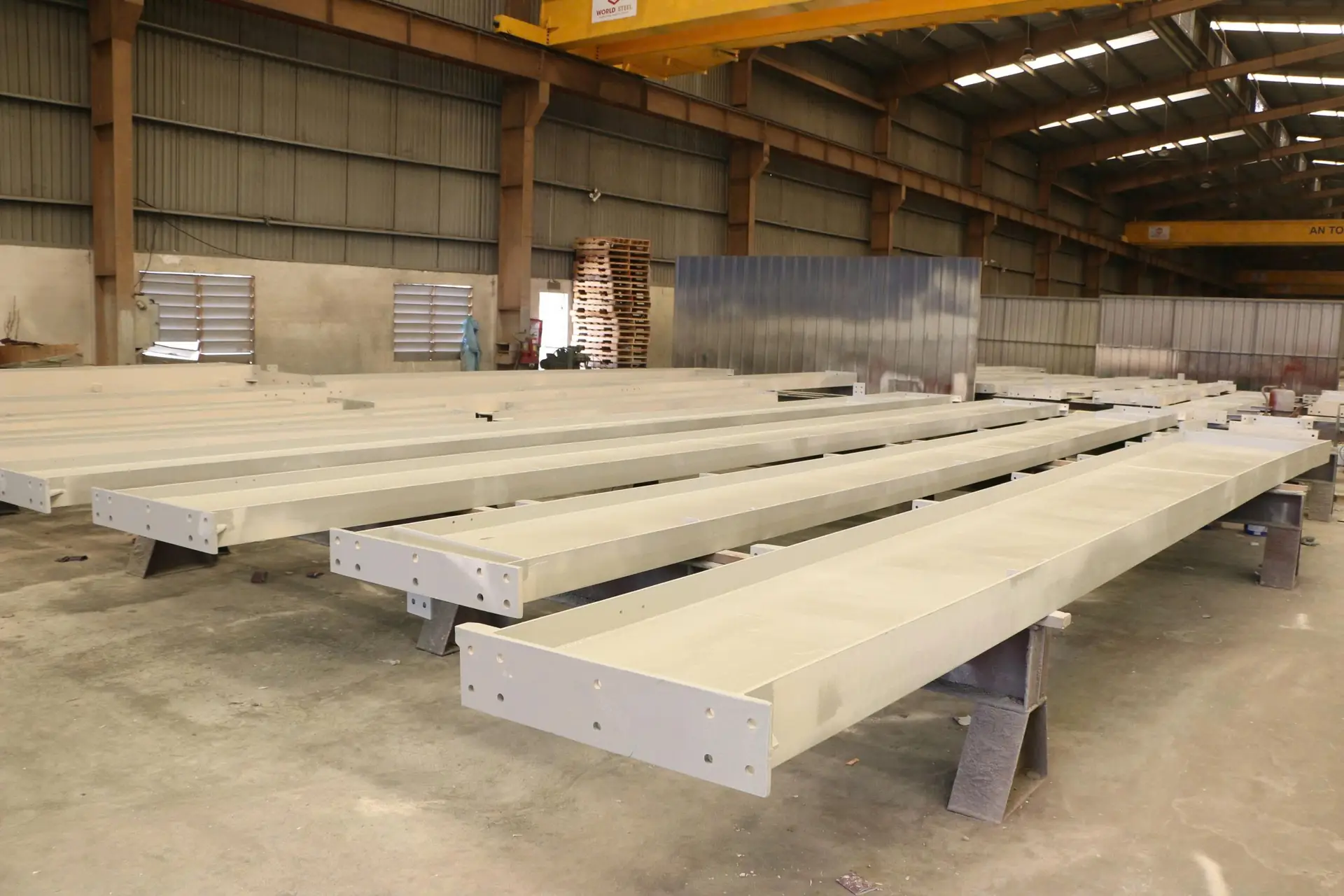
Hot-dip galvanized, piece-marked by route and bent, and listed in the packing report.
-
Packed in route order
Bundles packed in the order your contractor plans to set the bents.