Runway beams
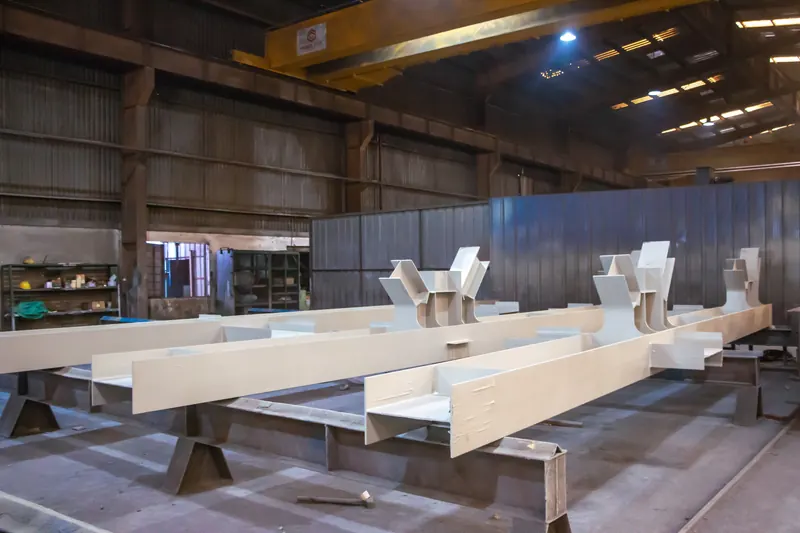
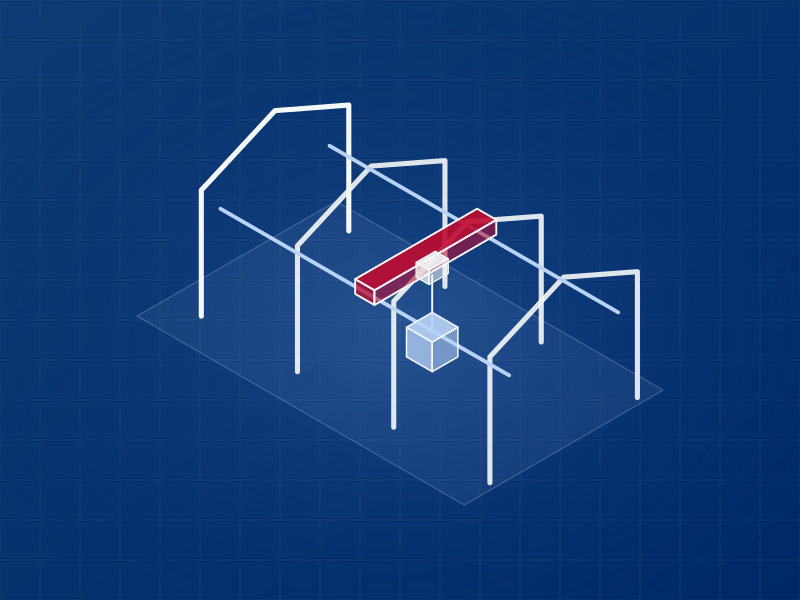
Built-up or rolled girders with cap channels where needed, checked for vertical, lateral and longitudinal crane forces.
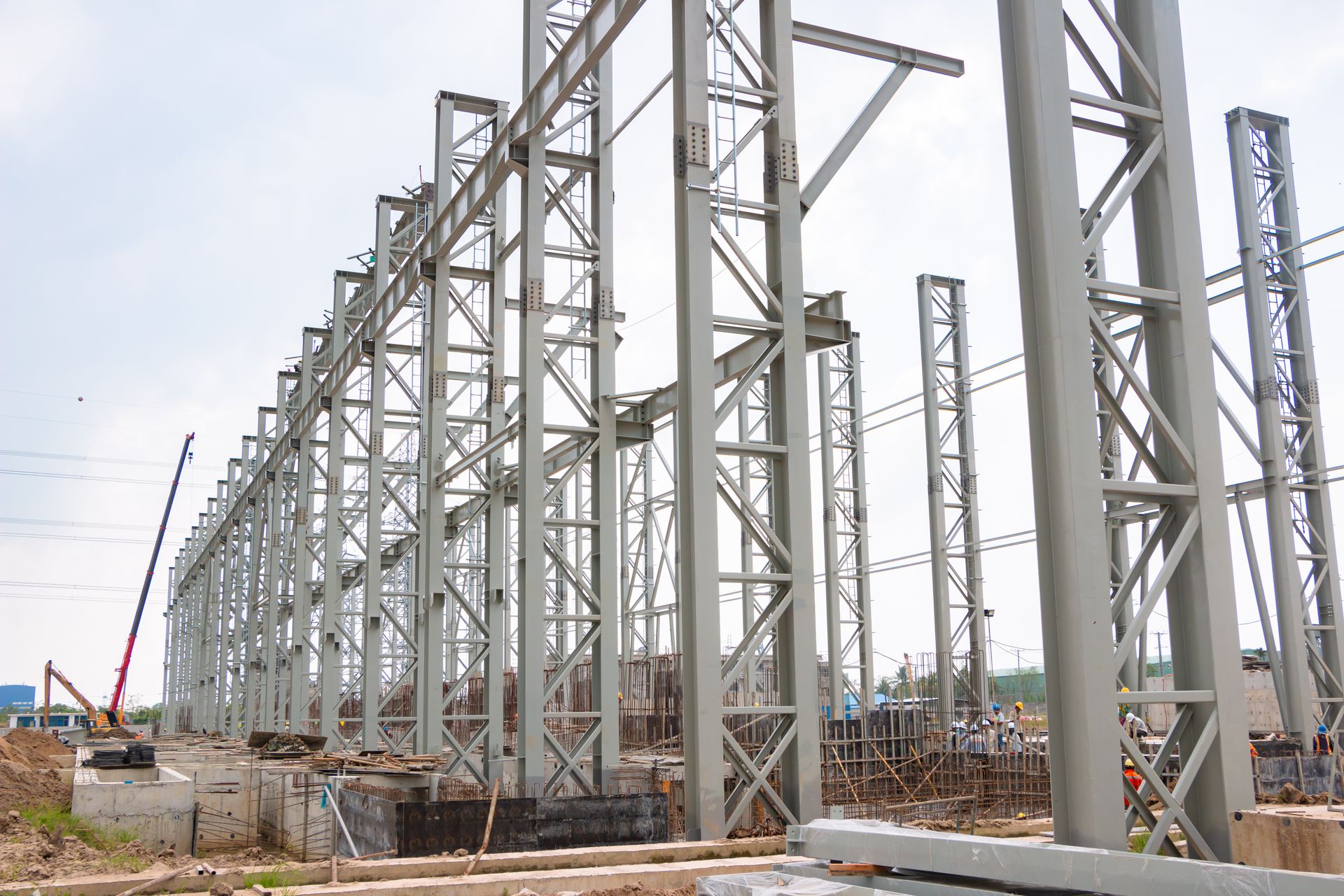
The runway, part by part
Built-up or rolled girders with cap channels where needed, checked for vertical, lateral and longitudinal crane forces.
Cantilevered seats on the building column for lighter cranes.
A crane leg and a roof leg in one column for heavier cranes.
End stops, tie-backs and bracing that take the crane’s surge and impact.
Access for crane maintenance along the runway.
Optional, from qualified makers, priced separately.
CMAA 70 service classes
The service class from the crane maker tells us how many load cycles the runway must survive. Pick a class.
Class A
Standby
Precise handling at slow speeds with long idle periods, such as power stations.
Class B
Light
Light service with few lifts a day, such as repair shops and light assembly.
Class C
Moderate
Machine shops and paper mill machine rooms, with moderate lifts per hour.
Class D
Heavy
Heavy machine shops, foundries and fabricating plants with frequent near-capacity lifts.
Class E
Severe
Magnet, bucket and scrap yard cranes working near capacity all shift.
Class F
Continuous severe
Custom cranes at rated capacity continuously in severe conditions.
Summary of the CMAA 70 classes. The crane maker states the class for your crane.
Largest job on our books
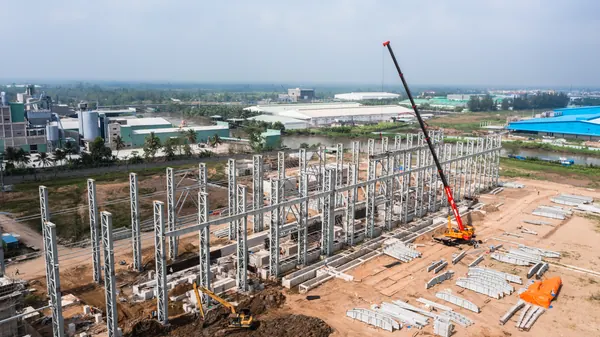
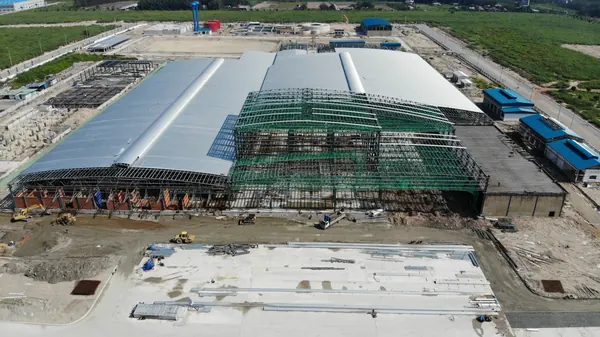
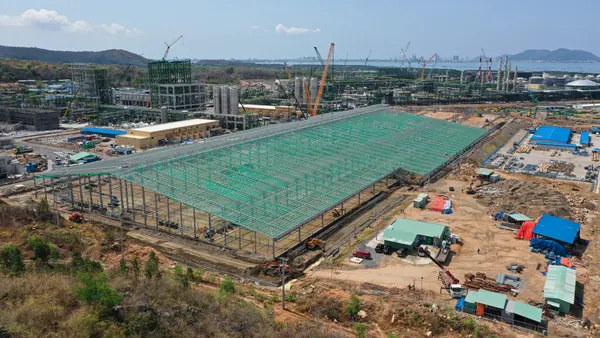
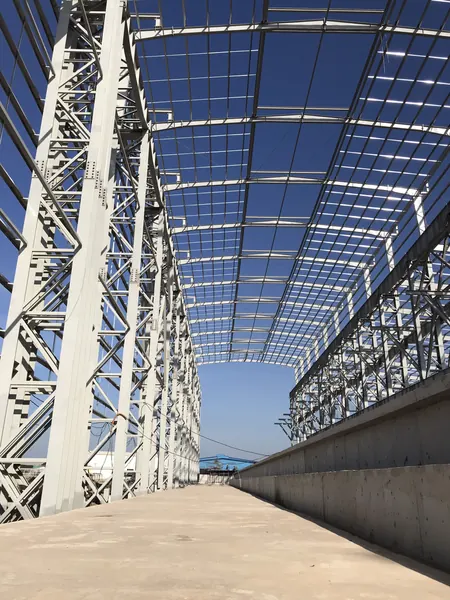
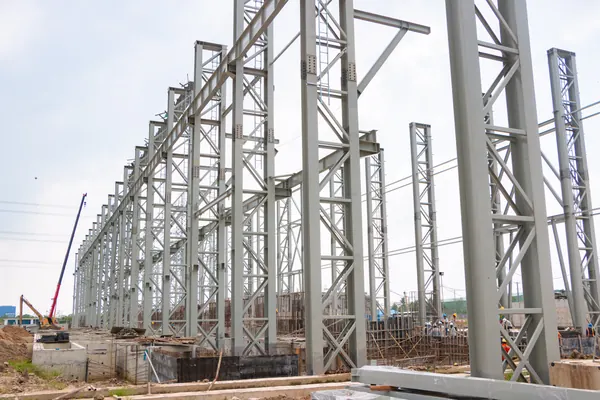
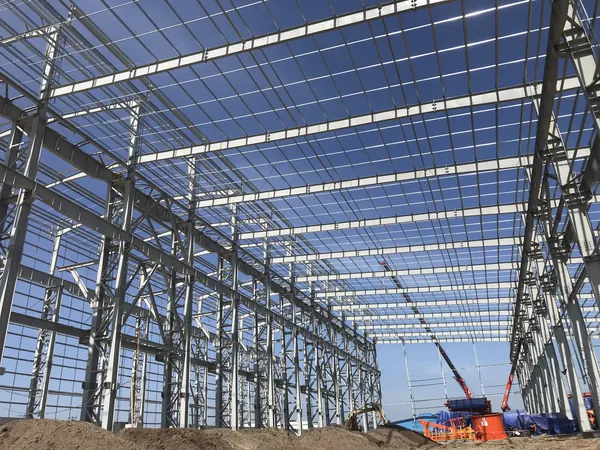
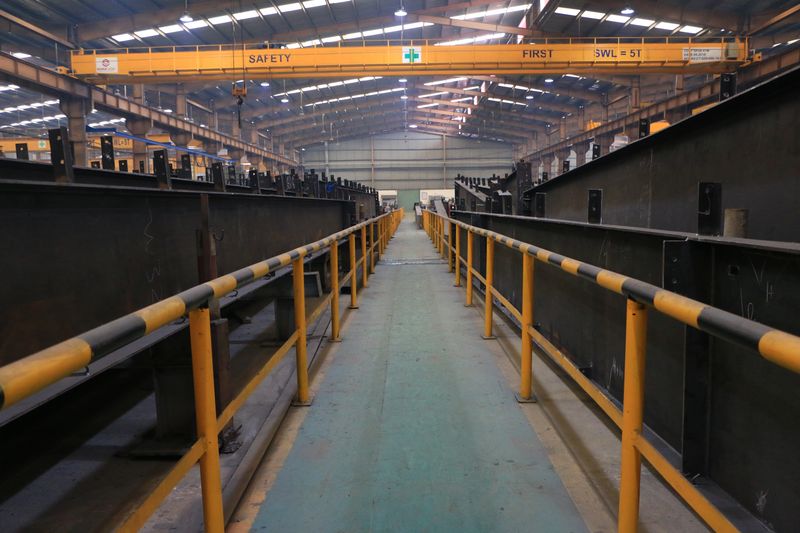
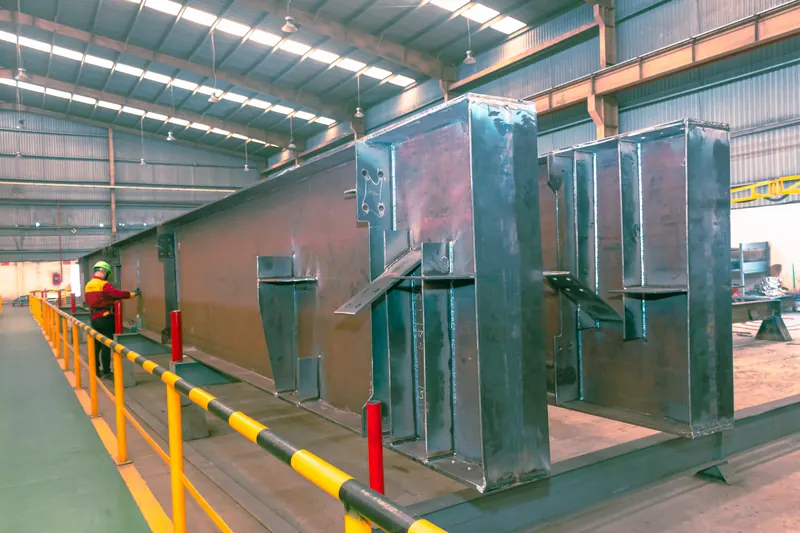
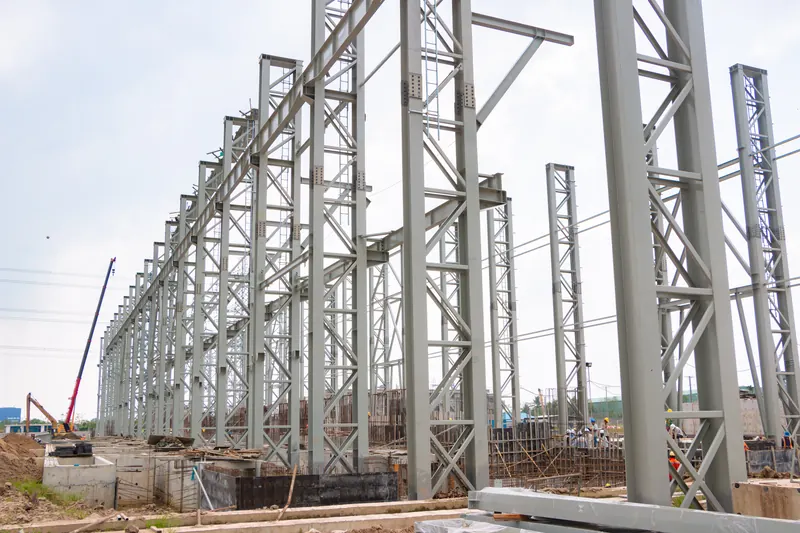
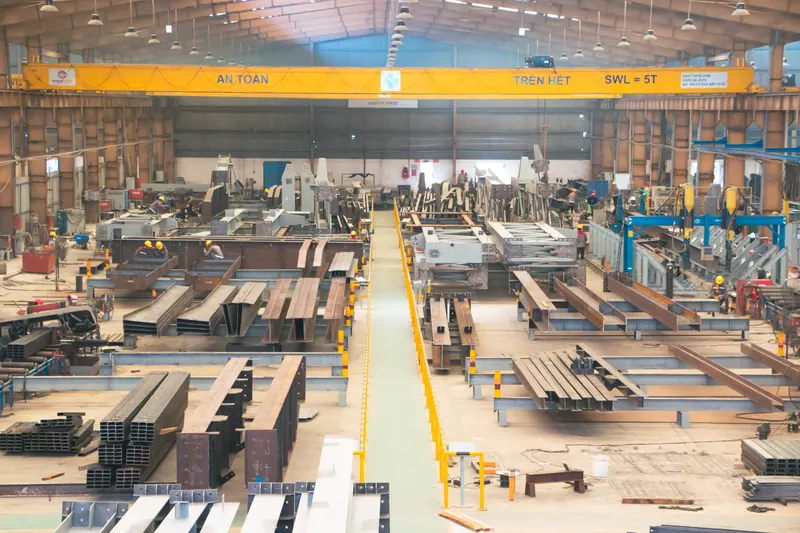
Heavy frames and tall columns for a steel factory in Can Tho City, Vietnam, designed, fabricated and supplied by World Steel in 2024. Tap a photo to open it full size.
 Photo
 Photo
 Photo
 Photo
A project outside the US, shown for the structure type; it is not a US site.
US practice
Runway beams, brackets and stepped columns are designed for the wheel loads, impact and fatigue cycles the crane manufacturer provides, following AISC and CMAA practice.
Cranes and hoists come from qualified manufacturers; their certification, installation and load testing are separate from the steel structure.
Large-project capacity
World Steel fabricates 2,500 metric tons (about 2,750 short tons) of structural steel a month in its own IAS AC472-accredited plant in Vietnam, so the steel package of a large US job runs as one order.
2,500 metric tons a month
In the catalog
 Photo
 Photo
 Illustration
 Photo
Illustration
 Illustration
 Photo
Illustration
Runway brackets and stepped crane columns are designed as part of the main frames.
Design limit: The crane maker must supply wheel loads, impact allowances and duty cycle before the frames are designed. · What gets checked: Runway position and level checked against the tolerance table.
Scope, in writing
World Steel, our plant in Vietnam
The US contractor, our customer
Questions from US contractors
6 answers, grouped by topic.
The crane maker’s wheel loads, wheel spacing, span, lift height, speed and the CMAA service class. These set the runway beam, the column and the fatigue checks.
Runway beams, brackets and stepped columns are designed to AISC and CMAA practice for the wheel loads, impact and fatigue cycles the crane maker provides.
Brackets suit lighter cranes; stepped columns carry heavier cranes with a separate crane leg. The choice comes out of the design for your crane.
Yes, on request. World Steel can supply the overhead crane with the steel, designed to CMAA 70 or 74, so wheel loads and clearances are set in one design. If you buy the crane elsewhere, we design the runway to that supplier’s data. Installation, commissioning and the load test are site scope.
They are optional and priced separately. Your quote lists exactly what is in the runway package.
Yes. Our largest job is the Sunpro Steel factory at about 5,000 t, and the plant fabricates 2,500 t of structural steel a month for heavy industrial work.
Keep reading
Covered in our state guides
Price it or partner with us
Wheel loads, span, lift height and service class are enough to start. We design the runway with the frame and fabricate it in our plant.
Why US contractors price with us
2,500 t / month
Own plant capacity, about 2,750 short tons
IAS AC472
Accredited since 2019, audited twice a year
Up to 5,000 t
Largest single job: Sunpro Steel, 2024
Short project form
Have this system engineered for your site
Ask an engineer directly, or drop the basics below. You get a written scope of supply for a US-code building, checked by engineering first.
Or call +84 902 881 833