Start with the risk category
How essential is the data center?
The risk category sets the importance factor and, with the site’s ground motion and soil, the Seismic Design Category. Many data centers fall in risk category II under the code, but owners often ask for a higher category or for equipment to stay operational after an earthquake. That decision belongs to the owner and your Engineer of Record, and it changes the steel, so we settle it in writing before design starts.
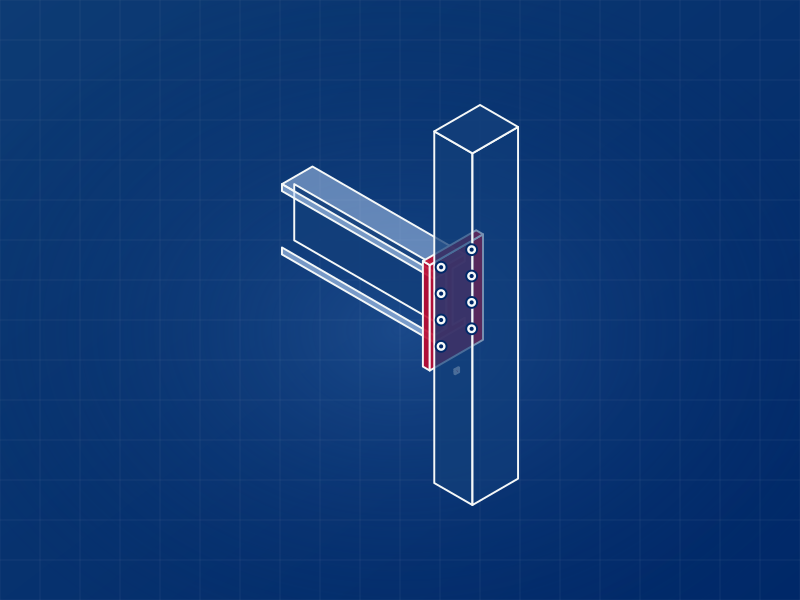
Where the Seismic Design Category requires it, the lateral system is designed and detailed to AISC 341, welded under AWS D1.8 for designated seismic welds and documented for the quality assurance your building official expects.
Beyond the frame
Equipment supports carry seismic forces too
ASCE 7-22 Chapter 13 covers nonstructural components. Plain-English summary; your EOR sets the values.
| Component | What the code looks at | What we supply |
|---|---|---|
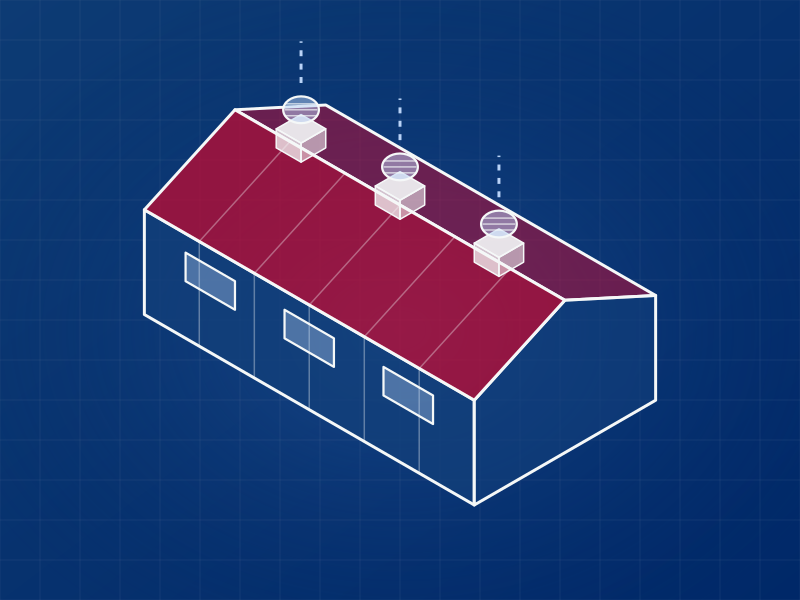
| Rooftop cooling units | Component importance factor, location in the building and anchorage | Dunnage and supports designed for the forces your EOR sets |
| Hung cable tray, busway and piping | Bracing of distribution systems | Secondary steel and attachment points for the bracing designed by others |
| Yard equipment platforms | Platform and equipment reactions under seismic load | Platforms and anchorage details for your foundation design |
| Equipment itself | Certification of equipment that must stay operational | Not our scope: equipment makers certify their products |
Where it matters
Data center markets in seismic regions
Pacific Coast
California, Oregon and Washington campuses sit in high categories near plate-boundary faults and the Cascadia zone.
Intermountain West
Utah and Nevada data center corridors lie along the Wasatch fault and the Basin and Range.
Central US
Sites near the New Madrid zone in Tennessee, Missouri and Arkansas still need seismic detailing far from any coast.