
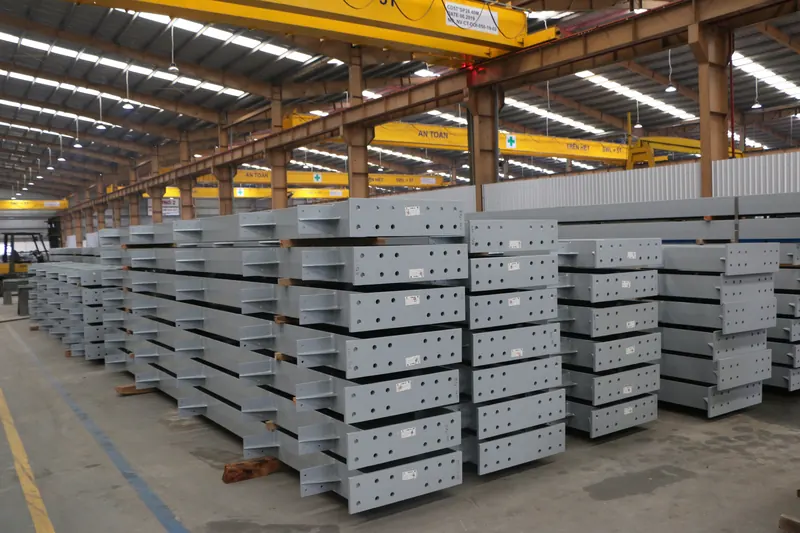
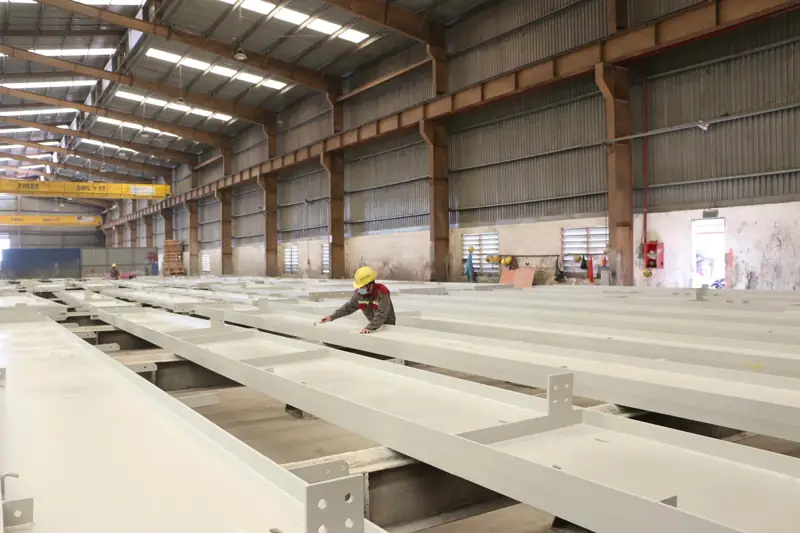
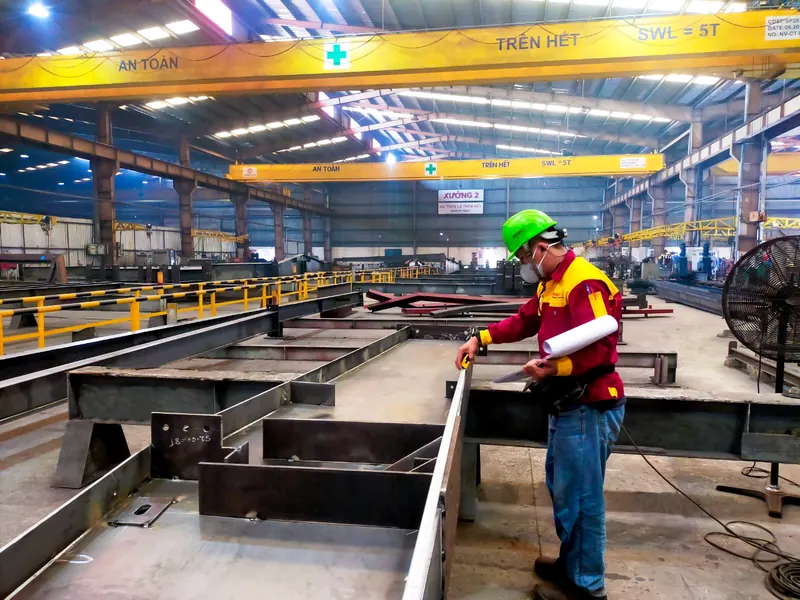
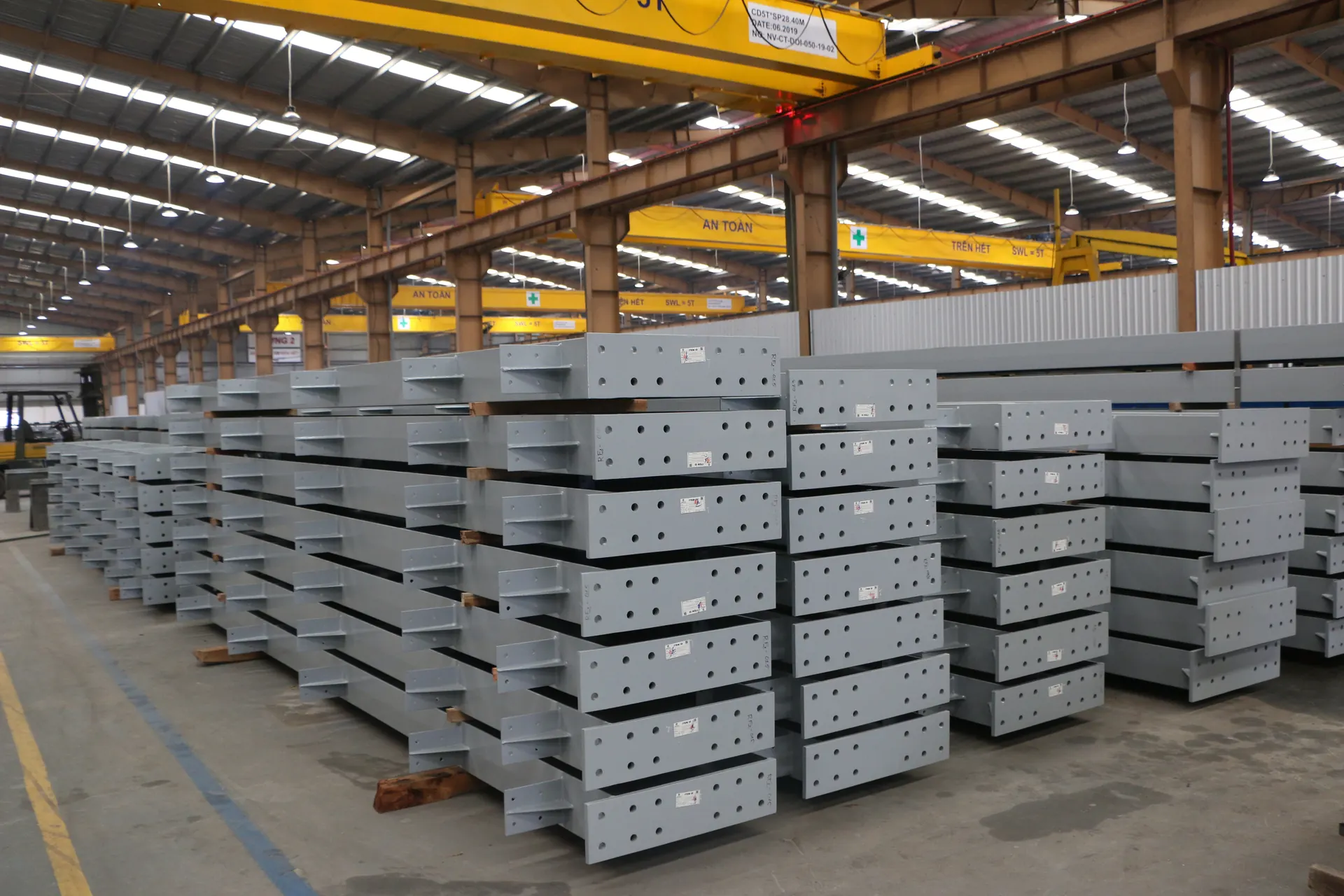
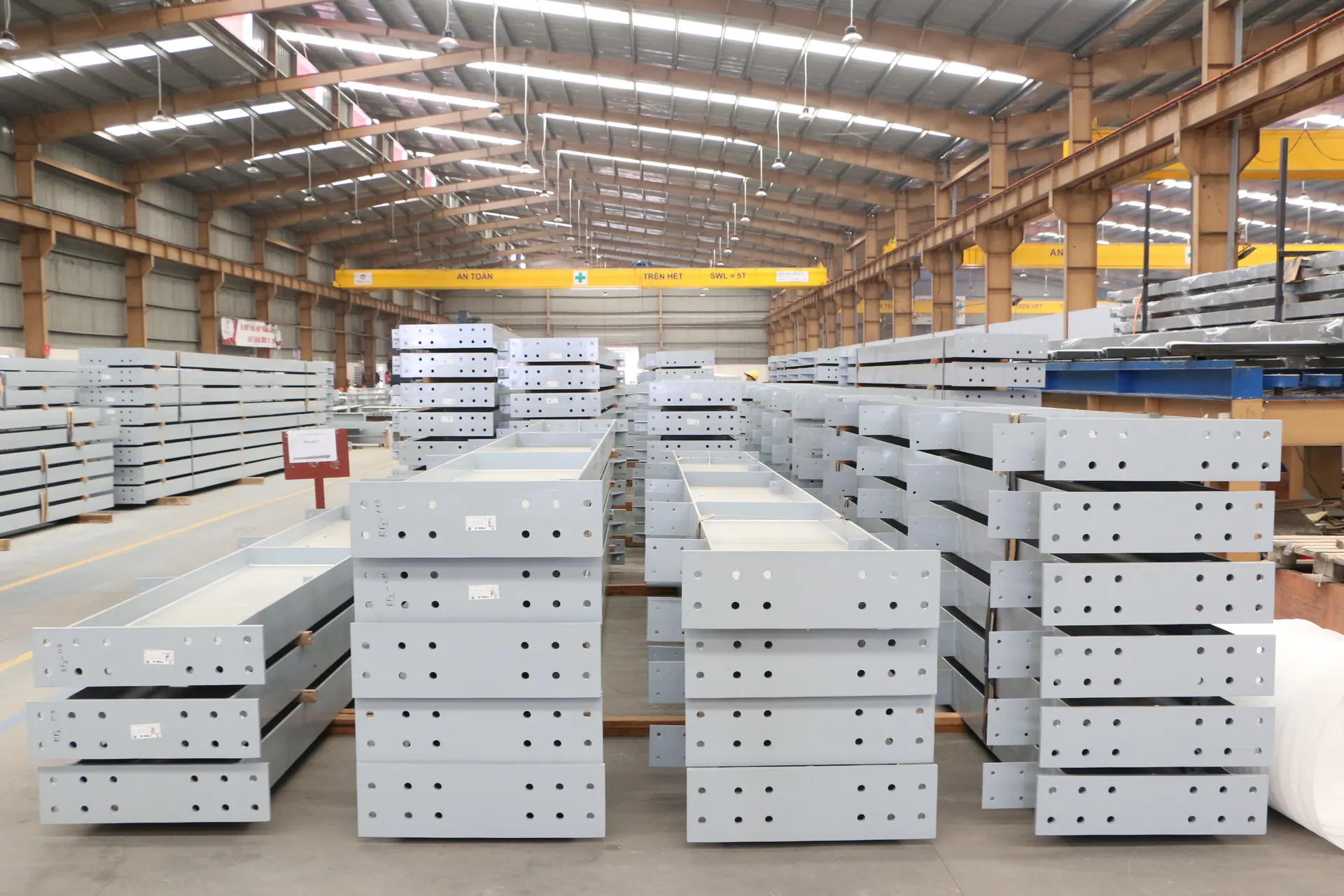
Labeled bundles lined up for dispatch from World Steel in Vietnam.
Importer Security Filing
ISF filing (10+2) for structural steel shipped from Vietnam
Before your steel is loaded on a vessel in Vietnam, US Customs and Border Protection wants to know who sold it, who made it, who buys it and where it goes. This guide explains every part of the Importer Security Filing for a steel shipment, and the data World Steel puts in your broker’s hands.



The rule in one paragraph
What the Importer Security Filing is
ISF is a CBP requirement for ocean cargo bound for the US, set out in 19 CFR Part 149. The importer, usually through its customs broker, files data about the goods and the parties behind them before the vessel is loaded abroad, and the carrier adds data about the vessel and its containers. CBP uses both to screen cargo before it sails.
Last reviewed against the regulation text. Summary for US buyers, not legal or customs advice. For the wider import process, duties, fees and entry documents, see US import regulations for steel from Vietnam.
Applies to
Cargo arriving in the US by vessel, containerized or break bulk. Bulk cargo is exempt; fabricated steel is not bulk.
Filed by
The ISF importer or its authorized agent, in English, through a CBP-approved electronic system.
Due
No later than 24 hours before lading at the foreign port; for exempt break bulk, 24 hours before US arrival.
If it fails
Liquidated damages of $5,000 for each violation under the bond, plus exams and cargo delays. Source
ISF-10 · the importer’s ten
Every data element, as it reads on a steel shipment
The importer files ten elements. Eight are due before lading; two may follow before arrival. Four can start from the best data available and be refined. The tag on each line shows who usually holds the information.
Seller
The last known party selling the goods, by name and address. For a World Steel order that is World Steel.
Buyer
The last known party buying the goods, by name and address: the US company on the purchase order.
Importer of record number
The IRS number, EIN, SSN or CBP-assigned number of the importer of record, or the foreign-trade-zone applicant ID.
Consignee number
The IRS number, EIN, SSN or CBP-assigned number of the party in the US for whose account the goods are shipped.
Manufacturer or supplier
The party that makes the goods. World Steel fabricates in its own plant in Vietnam, so the maker is named directly, not a trading company.
Ship-to party
The first party scheduled to receive the goods after release: your yard, a laydown area or the job site.
Country of origin
Where the goods were manufactured or produced. For steel fabricated at our plant: Vietnam.
HTSUS number
The tariff number of each item, to at least six digits and up to ten, at the lowest bill of lading level. Your broker assigns it.
Container stuffing location
Where the containers were stuffed: our plant in Vietnam, or the container yard if loading is done at the port.
Consolidator (stuffer)
The party that stuffed the containers. When World Steel loads at its plant, that is World Steel.
Before lading: No later than 24 hours before the cargo is laden aboard the vessel in Vietnam. Before arrival: As early as possible, and no later than 24 hours before arrival at a US port. 19 CFR 149.2, 149.3.
The +2 · the carrier’s two
What the ocean carrier sends
Vessel stow plan
Where each container sits on the vessel, with its operator, equipment number, size and type, stow position, hazmat code and ports of lading and discharge. CBP must receive it no later than 48 hours after the vessel leaves the last foreign port. Vessels carrying only break bulk or bulk cargo are exempt.
19 CFR 4.7c
Container status messages
Events the carrier already records in its equipment tracking system, such as booking, gate-in and gate-out, loading, departure, arrival and stuffing, sent no later than 24 hours after each event is entered.
19 CFR 4.7d
The carrier’s data is the carrier’s obligation. You do not file it, but a late booking or a rolled container shows up in it, which is one more reason to book early.
The ISF clock
From booking in Vietnam to release in the US: where each deadline falls
The deadline that matters most is set by the vessel in Vietnam. CBP wants the data while the containers are still on the quay, so a filing that is “early for the US” can already be late.
-
Order and booking
The quote names the Incoterm and the importer of record. Once the containers are booked, the bill of lading numbers and vessel are known.
World Steel · forwarder
-
ISF data pack sent
World Steel sends your broker the seller, manufacturer, country of origin, stuffing location and consolidator details, with the packing list.
World Steel
-
ISF filed
The importer or its broker transmits the ISF to CBP electronically. Core elements are due no later than 24 hours before lading.
Importer · broker
-
Laden aboard in Vietnam
The deadline point for containerized steel. CBP screens the filing before the containers go on the vessel.
Carrier
-
Vessel departs
The carrier’s stow plan is due within 48 hours of leaving the last foreign port; container status messages follow each event.
Carrier
-
Updates at sea
Flexible elements are refined and any change is sent. Stuffing location and consolidator are due no later than 24 hours before arrival.
Importer · broker
-
Arrival at the US port
Exempt break bulk cargo files its ISF no later than 24 hours before this point. Entry and release follow.
Importer · broker
-
Release and delivery
With the entry filed and the cargo released, the steel moves to the ship-to party named in the ISF.
Your team
Plan the voyage itself with our shipping simulator, and the US gateway on the ports we ship to.
Containers, break bulk, bulk
How the way your steel travels changes the deadline
Steel buildings are mostly shipped in containers, but long girders, deep trusses and heavy columns can go break bulk. The regulation treats the two differently, and treats bulk cargo differently again.
Containerized steel
Most fabricated members, purlins, panels, bolts and accessories travel in 20 ft and 40 ft containers, including flat racks and open tops. The full ISF-10 is due no later than 24 hours before the containers are laden in Vietnam.
24 h before lading
Break bulk steel
Long girders, trusses or columns shipped loose in the hold or on deck are break bulk: bundled or packaged, but not in containers. Where CBP has exempted that break bulk from the 24-hour advance manifest rule, the ISF is due no later than 24 hours before arrival in the US. Any containerized part of the same shipment still files before lading.
24 h before arrival
Bulk cargo
Homogeneous cargo stowed loose in the hold, such as grain or ore, is exempt from ISF where it is exempt from the cargo declaration. The regulation lists steel beams among articles that need mechanical handling, so fabricated steel is not bulk.
Exempt
Bulk and break bulk rules: 19 CFR 149.1 and 149.4. Whether a break bulk sailing is exempt from the 24-hour manifest rule is a question for the carrier or your forwarder.
ISF-10 and ISF-5
Steel delivered to a US site always files ISF-10
ISF-5 is a shorter filing for cargo that only passes through a US port: foreign cargo remaining on board (filed by the carrier, before lading), and immediate exportation or transportation-and-exportation in-bond shipments (due 24 hours before lading). Goods entered for consumption, including into a foreign-trade zone, file the full ten.
The five ISF-5 elements
- Booking party
- Foreign port of unlading
- Place of delivery
- Ship-to party
- HTSUS number, six digits
- Not used for steel entered in the US
After you file
Updates, withdrawal and the fine print
An ISF is not a one-shot form. It is a record that must stay true until the steel reaches a US port, and the regulation says how to keep it that way.
Best available data
Manufacturer, ship-to party, country of origin and HTSUS may first be filed with the best data available, then updated as soon as more precise information exists and no later than 24 hours before arrival.
19 CFR 149.2(f)
Update every change
If anything filed changes, or more accurate information becomes available, before the goods reach a US port, the ISF must be updated.
19 CFR 149.2(d)
Withdraw a dead filing
If the goods are no longer coming to the US, the filing must be withdrawn, with the reason sent to CBP.
19 CFR 149.2(e)
Reasonable belief
Where the filer cannot verify information it receives from another party, it may file what it reasonably believes to be true.
19 CFR 149.2(c)
One ISF per bill of lading level
Each item is reported at the lowest bill of lading level, which is the house bill when there is one. Split house bills mean split ISF lines.
19 CFR 149.3
ISF and entry together
An importer may combine the ISF with the entry. The importer of record number, consignee number, country of origin and a 10-digit HTSUS are then given once.
19 CFR 149.6
Bond
The bond behind every ISF
The ISF importer must hold one of these bonds. If it holds none, the agent filing the ISF may post the agent’s own bond.
- Basic importation and entry bond (the usual continuous or single-transaction import bond) 19 CFR 113.62
- Basic custodial bond 19 CFR 113.63
- International carrier bond 19 CFR 113.64
- Foreign-trade-zone operator bond 19 CFR 113.73
- Importer security filing bond, an ISF-only bond 19 CFR Part 113, App. D
Bond sufficiency for duties, including Section 232, is covered on US import regulations and Section 232 steel import rules. 19 CFR 149.5
Liquidated damages, ISF bond condition
$5,000
for each violation, payable jointly and severally by the principal and the surety under 19 CFR 113.62(j). Source
- A late filing, an inaccurate filing and a missed update can each be a violation.
- CBP warns of increased inspections and delays to cargo on top of the monetary claim.
- Cargo arriving without an ISF can be held until CBP receives the data.
- CBP’s published mitigation guidelines weigh the facts of each claim. Guidelines
On a steel job the cost that hurts is often the schedule: a held container is a missing sequence, and a crane booked for a delivery that does not come. See how we plan jobsite delivery.
On steel shipments
Six ISF mistakes that happen with structural steel, and how to avoid them
A trader named as manufacturer
The manufacturer element asks for the party that makes the goods. Our plant is the maker, so the name and address on the ISF match the mill certificates and the invoice.
HTSUS too vague or never refined
Frames, girders, purlins, panels and bolts may fall under different headings. Invoice lines grouped by component let your broker classify each one and update the ISF before arrival.
A ship-to that is only a city
Give the first US location that receives the steel after release: your yard, a laydown area or the site address, not just the port city.
Stuffing location left as planned
If loading moves from the plant to a port container yard, the stuffing location and consolidator change. We report where each container was actually stuffed.
A rolled booking
When a container rolls to a later vessel, the bill of lading or timing can change. Your broker checks the ISF still matches what is laden.
Nobody owns the filing
Under FOB or CFR the buyer’s side files; under DDP the importer of record named in the quote does. Settle it with the quote, not after loading.
Who files
Who files the ISF under each Incoterm we quote
The ISF importer is the party that brings the goods to a US port, so the trade term on your quote decides it. Every World Steel quote names the Incoterm and the importer of record before the vessel is booked.
| Incoterm | Who is the ISF importer | World Steel’s part |
|---|---|---|
| FOB | The US buyer, usually through its customs broker. Your forwarder books the vessel. | Shipper-side data to your broker as soon as containers are booked. |
| CFR / CIF | The US buyer, usually through its customs broker. World Steel books the vessel. | Shipper-side data plus booking, vessel and bill of lading details. |
| DAP | The US buyer as importer of record, usually through its customs broker. | Shipper-side data, booking details and the arrival plan. |
| DDP | The importer of record named in the quote, decided case by case. The US buyer is not the importer of record. | Arranged as part of the DDP scope agreed in the quote. |
All terms explained on Incoterms for steel shipped from Vietnam, with the DDP case on DDP: who imports.
Our part
The ISF data World Steel puts in your broker’s hands
We do not file your ISF; your broker does. What we control is the shipper side: the facts about who sold, who made and who stuffed each container, sent early and matching every other document.
Seller and manufacturer in one
World Steel sells the steel and fabricates it in its own plant in Vietnam, so the seller and manufacturer elements name one company, with the plant address in Hai Son Industrial Park, Tay Ninh Province.
Stuffing location and consolidator
For containers loaded at our plant, we are the stuffer and the plant is the stuffing location. If loading is done at a port yard, we report that yard instead.
Data pack sent on booking
As soon as containers are booked, your broker receives the shipper-side elements, the commercial invoice and the packing list, in English and in the format the broker asks for.
Invoice lines ready to classify
Commercial invoice lines are grouped by component, with weights in kg (lb), so your broker can assign each HTSUS number with the product in front of them.
Packing list per container
Each container’s packing list is locked when the seal goes on, so the ISF, the entry and what arrives on site match the same record.
Everything in PEB Studio
Container numbers, seal records, loading photos and video and the shipping documents open from your PEB Studio login in the US.

Before your first shipment
Six things to have in place before we book the vessel
Most ISF problems on a first import are set-up problems, not filing errors. Settle these with your broker while the steel is still in fabrication.
- An importer of record number with CBP: IRS number or EIN, or a CBP-assigned number.
- A customs bond that carries the ISF condition, continuous or single-transaction, or an ISF-only bond.
- A licensed customs broker with a power of attorney (CBP Form 5291) to file on your behalf.
- The ship-to party for the first US delivery: yard, laydown area or site address.
- Your broker’s contact details sent to World Steel with the order, so the data pack goes straight to them.
- The Incoterm and importer of record confirmed in the quote before the vessel is booked.
Related
The rest of the import file for steel from Vietnam
Sources
The regulation and CBP pages behind this guide
Reviewed November 20, 2026. If CBP has published newer rules or guidance, it governs.
- eCFR, 19 CFR Part 149, Importer Security Filing (sections 149.1 to 149.6)
- eCFR, 19 CFR 149.2, time of transmission, verification, update, withdrawal
- U.S. Customs and Border Protection, Importer Security Filing “10+2”
- eCFR, 19 CFR 113.62, basic importation and entry bond conditions, paragraph (j)
- eCFR, 19 CFR 4.7c, Vessel stow plan
- eCFR, 19 CFR 4.7d, Container status messages
- CBP, Importer Security Filing frequently asked questions
- CBP, 10+2 mitigation guidelines
Questions from US importers
ISF questions we hear most
What is ISF filing?
The Importer Security Filing, often called 10+2, is an electronic filing CBP requires for cargo arriving in the US by vessel. The importer sends ten data elements about the goods and the parties, and the ocean carrier sends two: the vessel stow plan and container status messages. CBP uses the data to screen cargo before it is loaded abroad.
Who has to file the ISF for steel from Vietnam?
The ISF importer: the party causing the goods to arrive in a US port by vessel, usually the owner, purchaser or consignee. Most importers have a licensed customs broker file it as their agent. Which party that is on your order follows the Incoterm and importer of record named in the quote.
When is the ISF due?
For containerized cargo, no later than 24 hours before the cargo is laden aboard the vessel at the foreign port, here the port in Vietnam. Container stuffing location and consolidator may follow, as early as possible and no later than 24 hours before arrival in the US.
Does World Steel file the ISF?
No. The ISF is filed by the importer or its licensed customs broker. World Steel supplies the shipper-side data, the seller, manufacturer, country of origin, stuffing location and consolidator, with the commercial invoice and packing list, as soon as containers are booked.
What if our steel ships break bulk?
Long members shipped loose in the hold or on deck are break bulk. Where CBP has exempted that cargo from the 24-hour advance manifest rule, the ISF is due no later than 24 hours before arrival in the US. Containerized parts of the same shipment still file before lading. Your carrier or forwarder confirms which applies.
Is structural steel ever bulk cargo for ISF?
No. Bulk cargo is homogeneous cargo stowed loose, and the regulation lists steel beams among articles that need mechanical handling, which are not bulk. Fabricated steel shipped to the US therefore needs an ISF.
What happens if the ISF is late or wrong?
The bond’s ISF condition provides for liquidated damages of $5,000 for each violation, claimed against the principal and the surety. CBP also warns of increased inspections and delays, and it can hold cargo until the required data is received. CBP publishes mitigation guidelines that weigh the facts of each case.
Can we change the ISF after filing?
Yes, and you must. Any change, or more accurate information, before the goods reach a US port has to be sent as an update. Manufacturer, ship-to, country of origin and HTSUS may be filed with the best data available and refined no later than 24 hours before arrival.
Do we need a special bond for ISF?
The ISF importer must hold a bond that carries the ISF condition, usually its import bond. A custodial, carrier or foreign-trade-zone operator bond also qualifies, and a stand-alone ISF bond exists for filers without one. If the ISF importer has no bond, the agent filing for it can post its own.
What is ISF-5?
A five-element filing for cargo that passes through a US port without entering the US: foreign cargo remaining on board, immediate exportation and transportation-and-exportation in-bond shipments. Steel delivered to a US job site needs the full ten-element filing.
How many digits of the HTSUS does the ISF need?
At least six and up to ten, for each item at the lowest bill of lading level. A 10-digit number can be reused for the entry if the ISF and entry are filed together.
Is this page legal advice?
No. It summarizes 19 CFR Parts 149, 113 and 4 and the CBP 10+2 page as of November 20, 2026. Confirm the filing for your shipment with a licensed customs broker; where CBP has published newer guidance, it governs.
Line up the ISF data with your quote
Send drawings or a footprint, the site address and your broker’s details. We plan packing, containers and the US port, and your broker receives the shipper-side ISF data as soon as the containers are booked.