
Different fire, different test
Why UL 1709 exists
The ASTM E119 / UL 263 curve represents burning building contents and climbs steadily over hours. A hydrocarbon pool fire reaches its peak almost at once. UL 1709 and ASTM E1529 test protection against that rapid rise, and a product listed only to UL 263 is not evidence of hydrocarbon performance.
In refineries, chemical plants, LNG terminals and fuel storage, the owner’s engineering specification usually decides which steel is protected, to what height and for how long. API 2218 describes common practice for fireproofing in petroleum and petrochemical plants, and jet-fire testing may be added where pressurized releases are possible. The fire hazard study and the owner’s insurer often shape the answer.
What gets protected
Typical fire-exposed steel in a process plant
Pipe-rack columns and beams
Within the fire-exposed height the specification sets above grade or a fire source.
Equipment supports
Skirts, legs and structures under vessels, exchangers and pumps handling flammable fluids.
Modules and skids
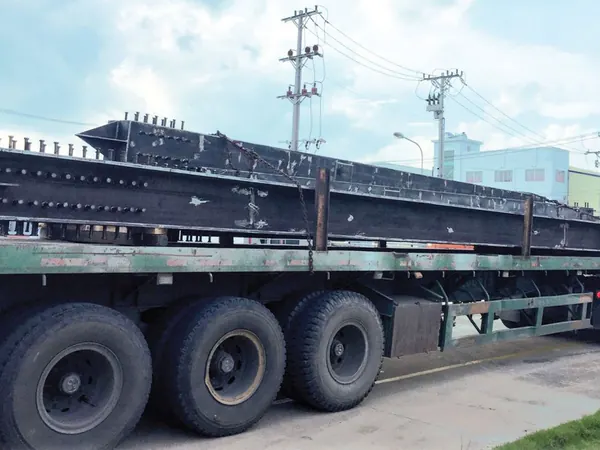
Steel frames assembled and coated off site, then shipped to the plant.
Structures above fire zones
Platforms and supports that must stand long enough for shutdown and firefighting.
Why epoxy intumescent dominates
What process owners look for
Robust film
Hard, impact- and weather-resistant, with corrosion protection under it as one system.
Shop application
Thick films are built up in a controlled shop or coating yard, then shipped; site work is limited to connections and repairs.
Detailing that holds
Mesh reinforcement where the listing requires it, termination details and edge treatment done to the manufacturer’s rules.
Full documentation
Batch numbers, readings, holiday and adhesion checks where specified, and repair records.
Featured reference · Oil and gas · petrochemical
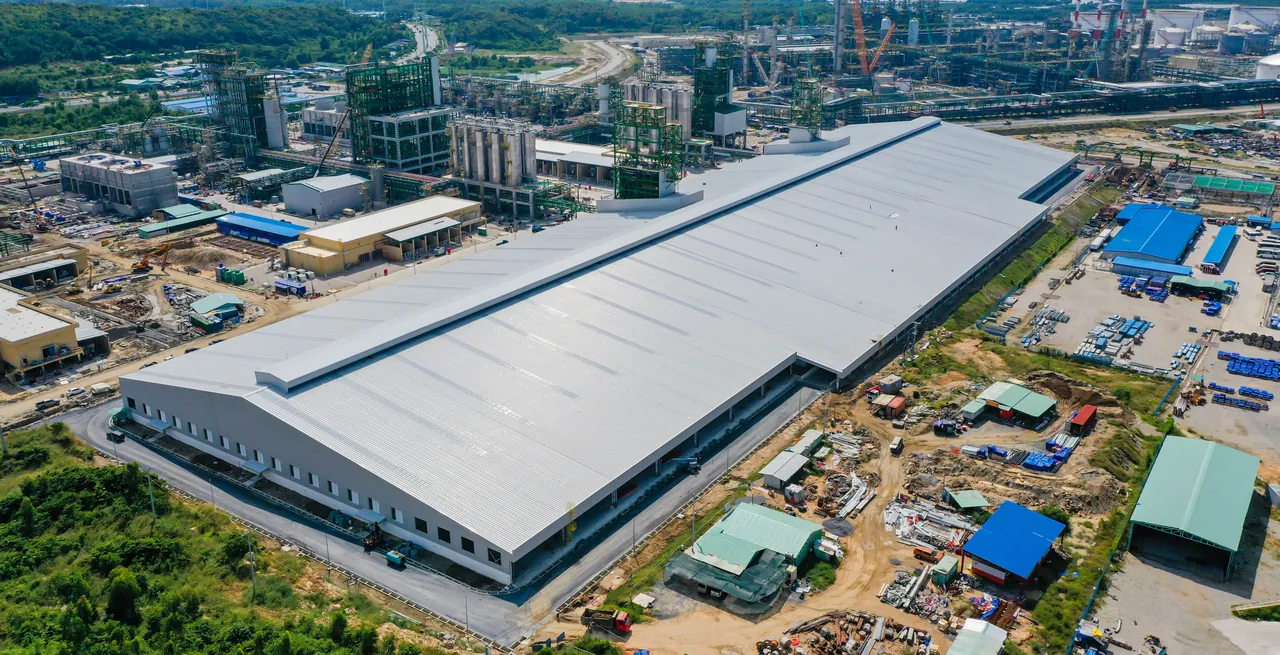
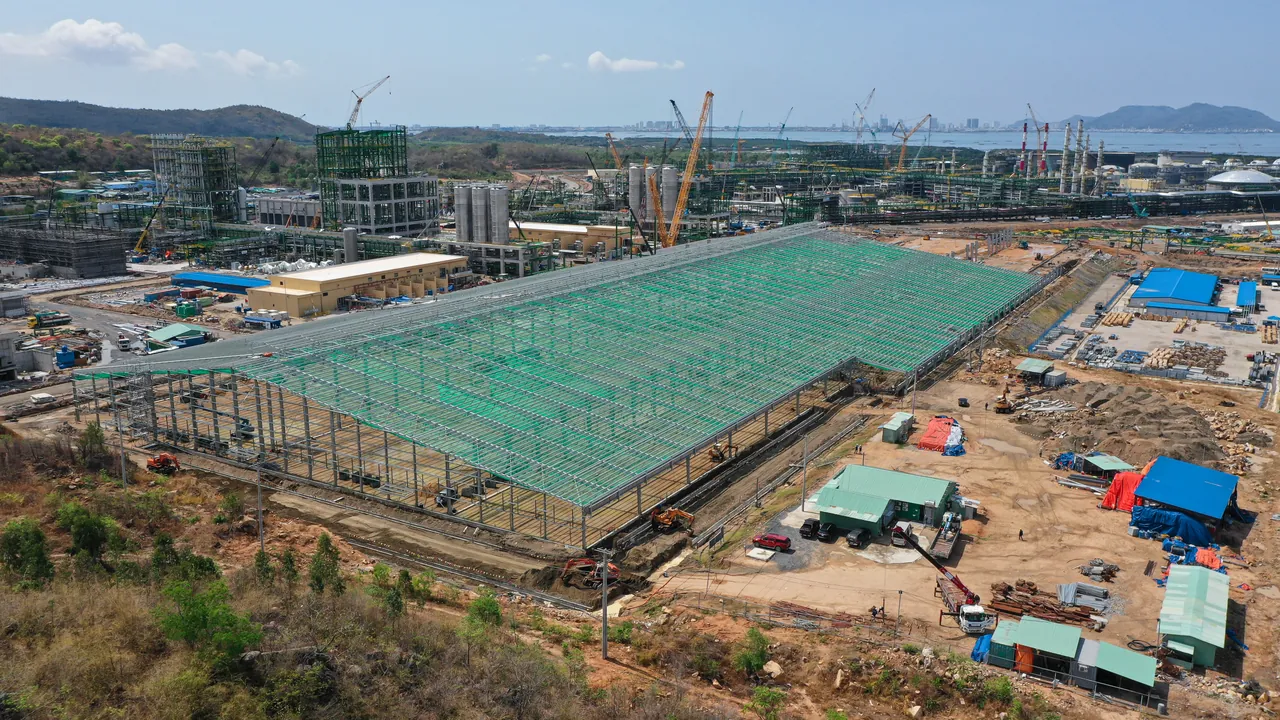
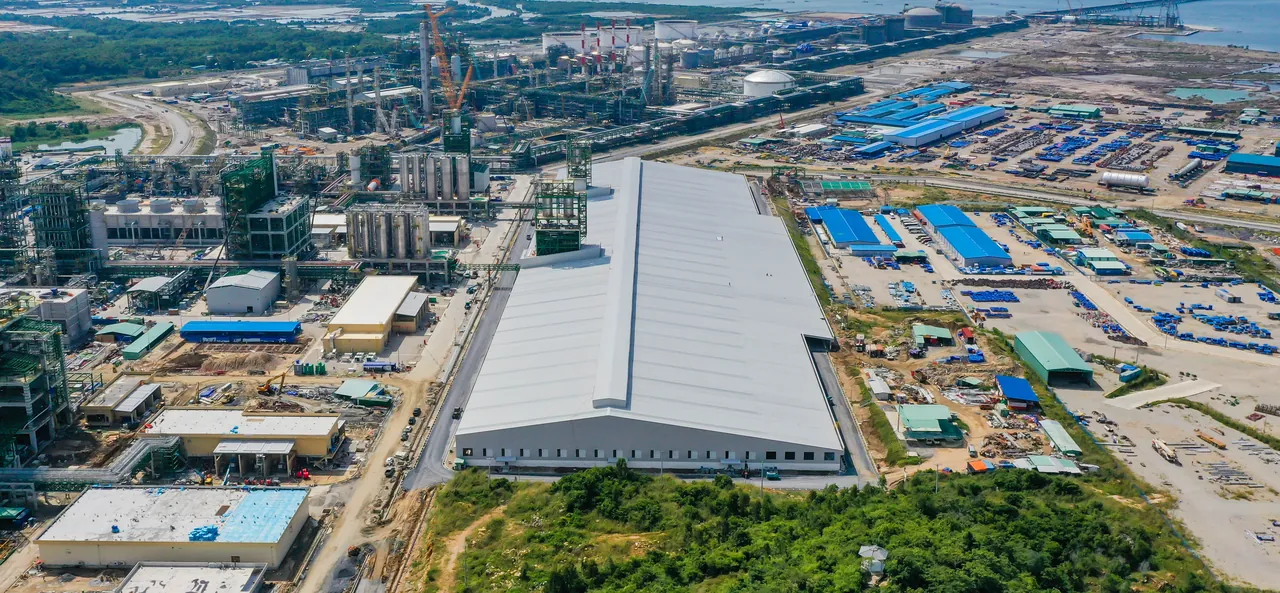
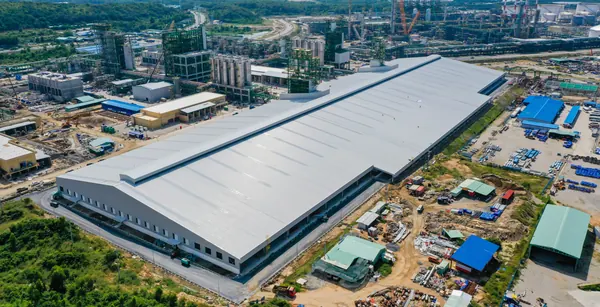
Southern Vietnam Petrochemical Complex, Long Son
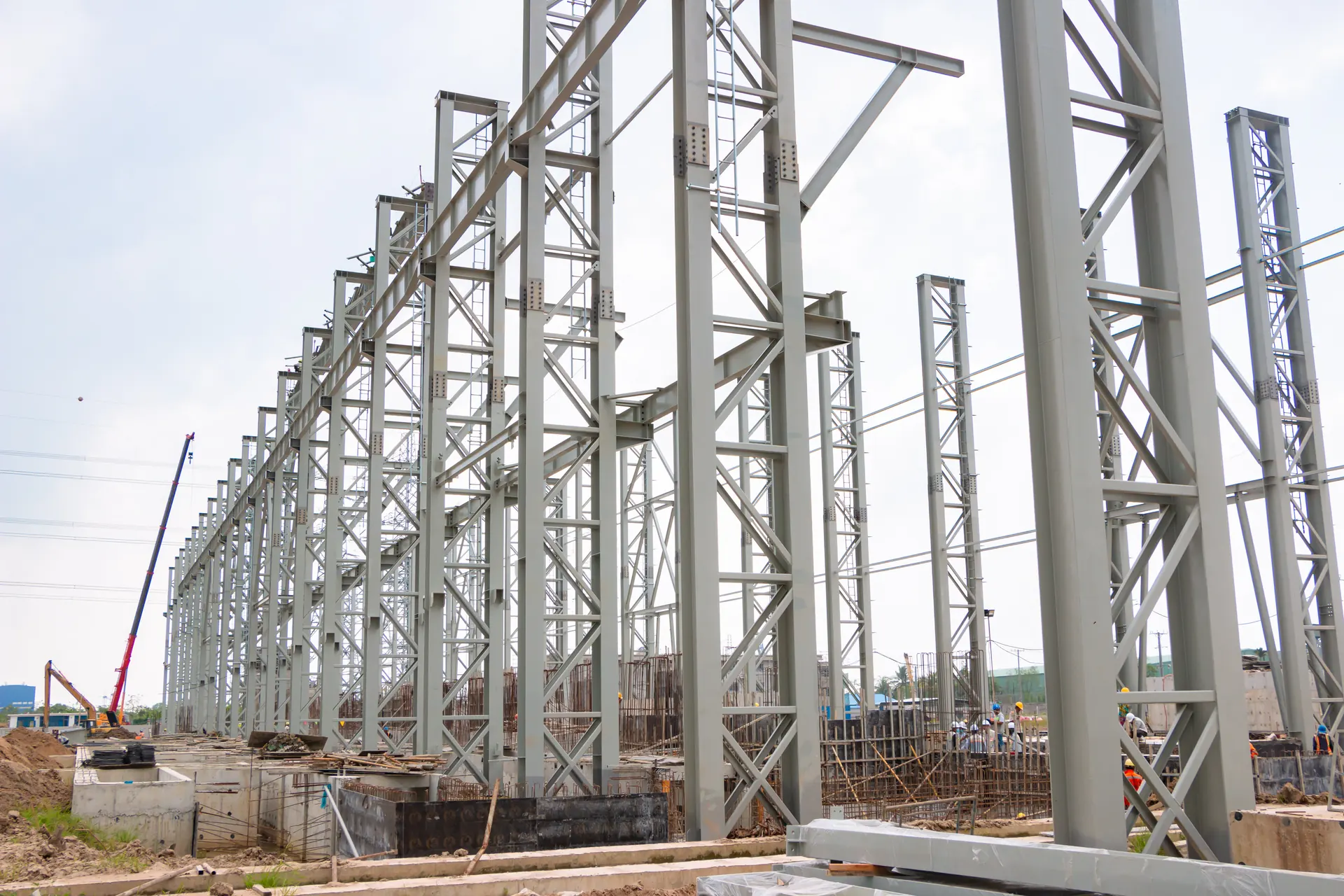
A large oil and gas process plant in southern Vietnam, built to an owner’s petrochemical specification. World Steel designed, fabricated and supplied more than 56,000 m² (over 600,000 sq ft) of steel structure for the complex: the kind of job where every member is traceable, every coat is recorded and the inspection file is as important as the steel.
Steel structure design, fabrication and supply by World Steel. Shown as process plant experience; fire protection on any project follows that project’s own specification.
Two standard fires
The building fire and the hydrocarbon fire
ASTM E119 and UL 263 climb steadily over hours. UL 1709 reaches about 1,093 °C (2,000 °F) within five minutes. Protection is tested, and listed, against the fire it will face.
Real photos
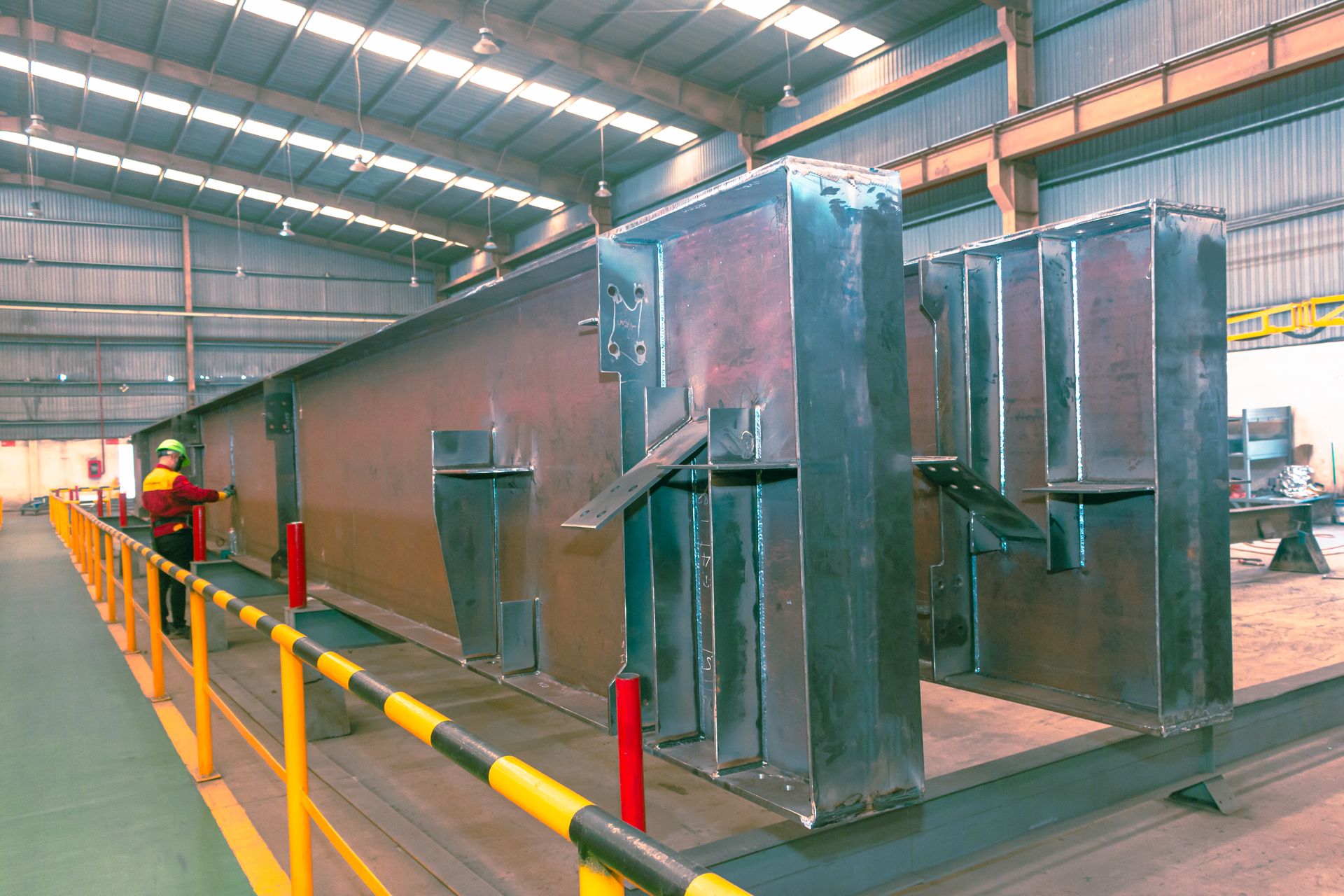
From our plant in Vietnam
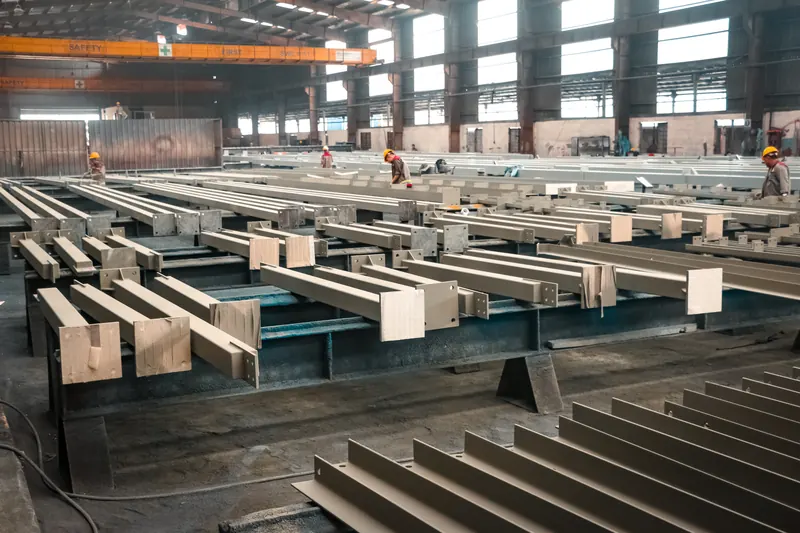
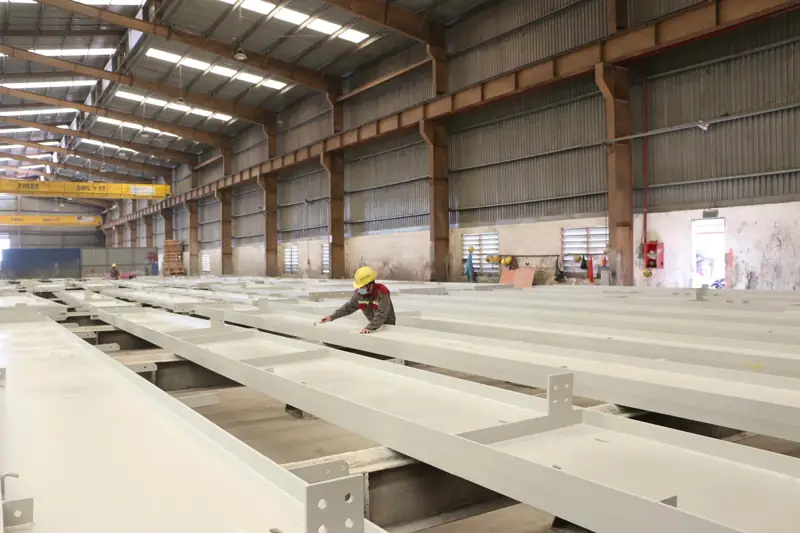
World Steel’s own shop floors and jobs, where the steel for US projects is made. Not stock images.

How World Steel supports this
Designed to US codes, made in our plant in Vietnam
Process plant experience
More than 56,000 m² (over 600,000 sq ft) of steel structure for a petrochemical complex in Long Son, Vietnam.
Owner specifications
Traceable materials, inspection test plans and records to oil and gas specification.
Heavy built-up members
Pipe-rack columns, girders and equipment supports welded from plate in our own plant.
The fire protection ecosystem
Products and solutions behind this guide
The products we make for this part of a seismic structure, the services that come with them and past World Steel projects, all one click away.
Products made in our plant in Vietnam
Solutions that come with it
World Steel projects: process plants, healthcare, multi-story
 Photo
 Illustration
 Photo
Past World Steel work, shown for the structure type. It does not describe the seismic criteria of any one project.
Standards on this page
Read the standard behind it
Each standard page explains what it covers, the edition we reference and how we apply it. We design and fabricate to these standards; they are not certifications.
Questions from US buyers
Hydrocarbon fires and UL 1709: questions we hear
Is UL 263 enough for a refinery pipe rack?
Usually not. Hydrocarbon exposure is tested to UL 1709 or ASTM E1529, and the owner’s specification sets the rating and the fire-exposed zone.
Has World Steel worked on oil and gas projects?
Yes. World Steel designed, fabricated and supplied more than 56,000 m² (over 600,000 sq ft) of steel structure for the Southern Vietnam Petrochemical Complex in Long Son.
Can modules be fire-protected before shipping?
Yes, that is common practice for process modules. Connections and transport damage are finished on site, to the same listed system.
Who approves the hydrocarbon fire protection?
The owner and its engineers, with the authority having jurisdiction. We provide fabrication and coating records for their review.
Are shop drawings included for fire-rated steel?
Yes. Shop drawings come with every project at no extra charge, with the rating, protection system and listed design shown for each rated member. Your Engineer of Record reviews and approves the structural drawings.
A plain-English summary for US buyers, not the code text and not engineering advice for a specific site. The adopted codes and standards govern, and your Engineer of Record confirms the criteria for each project.
Planning fire-rated structural steel?
Send the drawings, the specification and the fire protection schedule. We confirm the listed systems and primer with your team and return a written scope for steel designed to US codes, made in our plant in Vietnam and prepared, or coated, for its fire protection.