
What makes a weld demand-critical
Welds the system cannot afford to lose
AISC 341 designates demand-critical welds system by system. Typical examples are the complete-joint-penetration groove welds joining beam flanges to columns in special and intermediate moment frames, column splice groove welds and some column-to-base-plate welds. They are expected to see large inelastic demands, and a brittle failure there would compromise the whole system.
The Engineer of Record marks them on the design drawings, and our detailers carry each one to the shop drawings with its weld symbol and a demand-critical note. In a typical single-story metal building designed as an ordinary moment frame with bolted end-plate knees there may be few or none; in special moment frames and multi-story steel there are many.
What AWS D1.8 adds
The extra rules for seismic welds
Notch-tough filler metal
Demand-critical welds use filler classified at 27 J at −29 °C (20 ft·lbf at −20 °F) and proven at 54 J at 21 °C (40 ft·lbf at 70 °F) across the heat input envelope. Other seismic welds need 27 J at −18 °C (20 ft·lbf at 0 °F).
Heat input control
Welding parameters stay inside the envelope the filler was tested in, so the toughness on paper is the toughness in the joint.
Hydrogen control
Filler metals meet the diffusible hydrogen limit in AWS D1.8 to guard against cracking.
Weld tabs removed
End dams and weld tabs are removed and the ends finished so no notch is left where the weld stops.
Backing and reinforcing fillets
Where D1.8 and the connection require it, steel backing is removed, the root back-gouged and a reinforcing fillet added.
Access hole geometry
Weld access holes are cut and finished to the shape and surface the code requires, without notches.
Welder qualification
Welders on restricted-access joints pass the supplemental test AWS D1.8 sets for that position.
Mixed processes
When different welding processes meet in one joint, their compatibility is shown by test before production.
Your weld records
What we document for seismic welds
- ✓ Welding procedure specifications naming AWS D1.1 and AWS D1.8
- ✓ Filler metal certificates with Charpy V-notch results
- ✓ Welder qualification records, including supplemental tests where required
- ✓ Heat input records for demand-critical joints
- ✓ Visual inspection records for every seismic weld
- ✓ Ultrasonic and magnetic particle test reports
- ✓ Repair records traced to piece mark
- ✓ Everything filed in the Manufacturing Data Record and PEB Studio
Real photos
From our plant in Vietnam
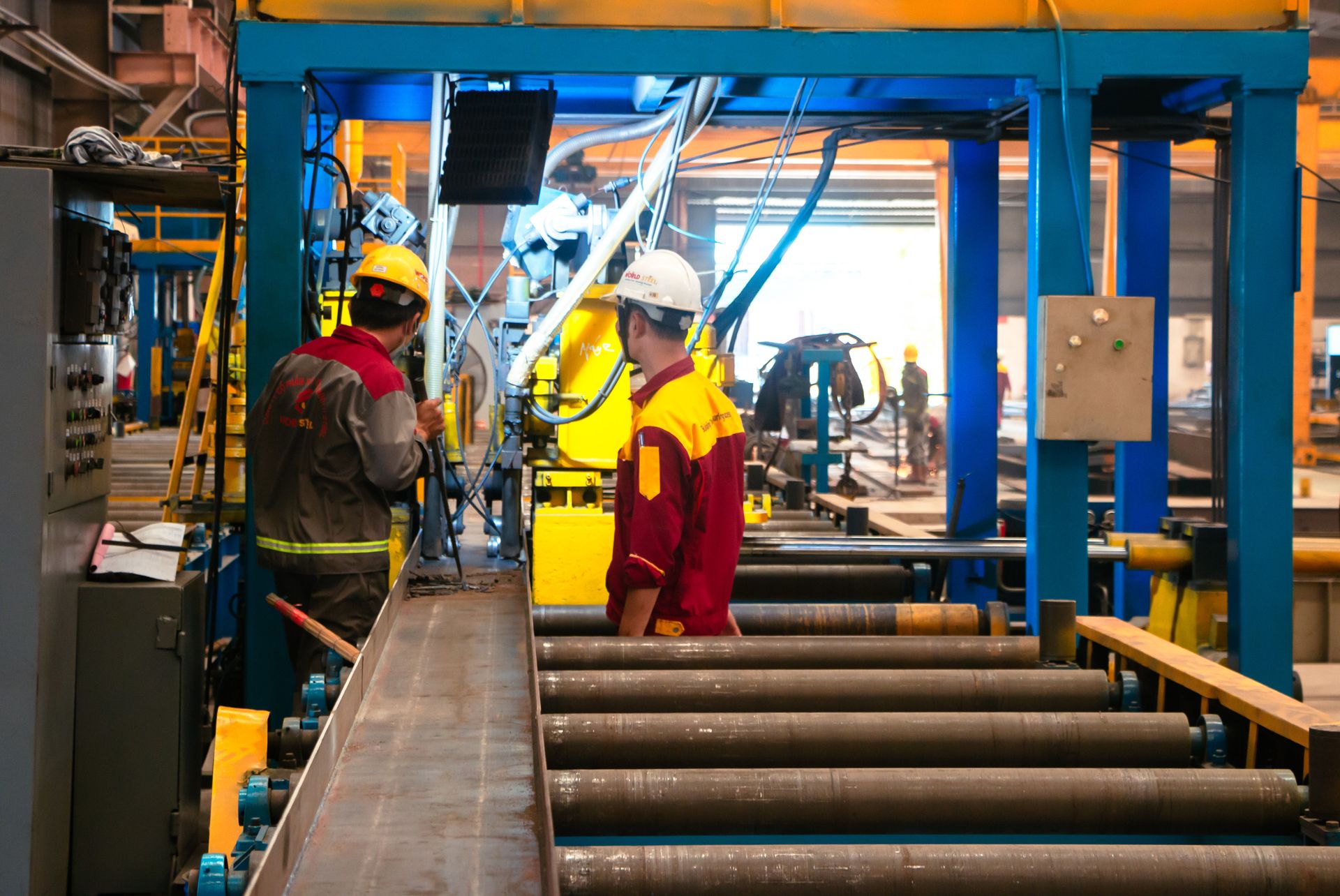
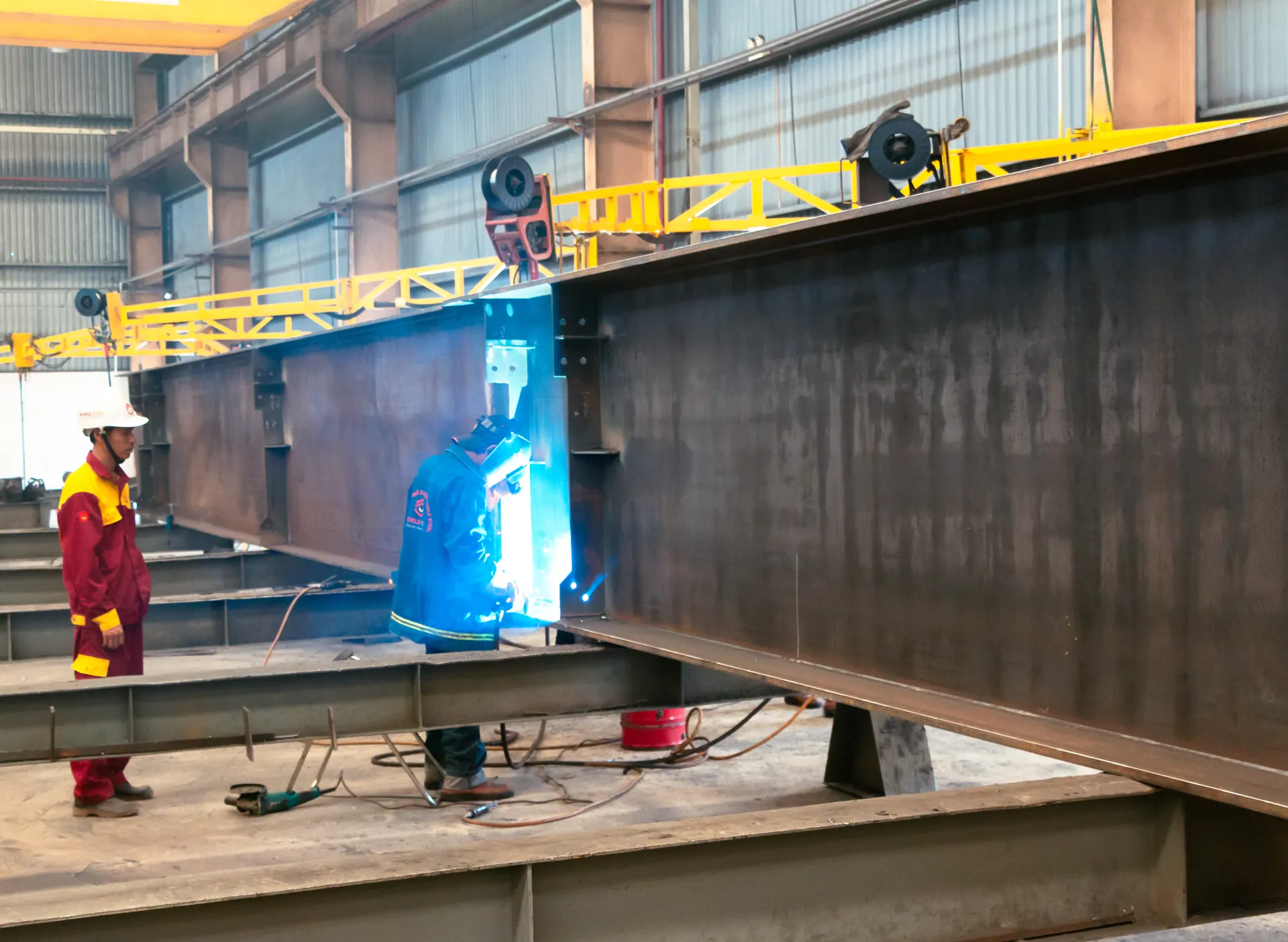
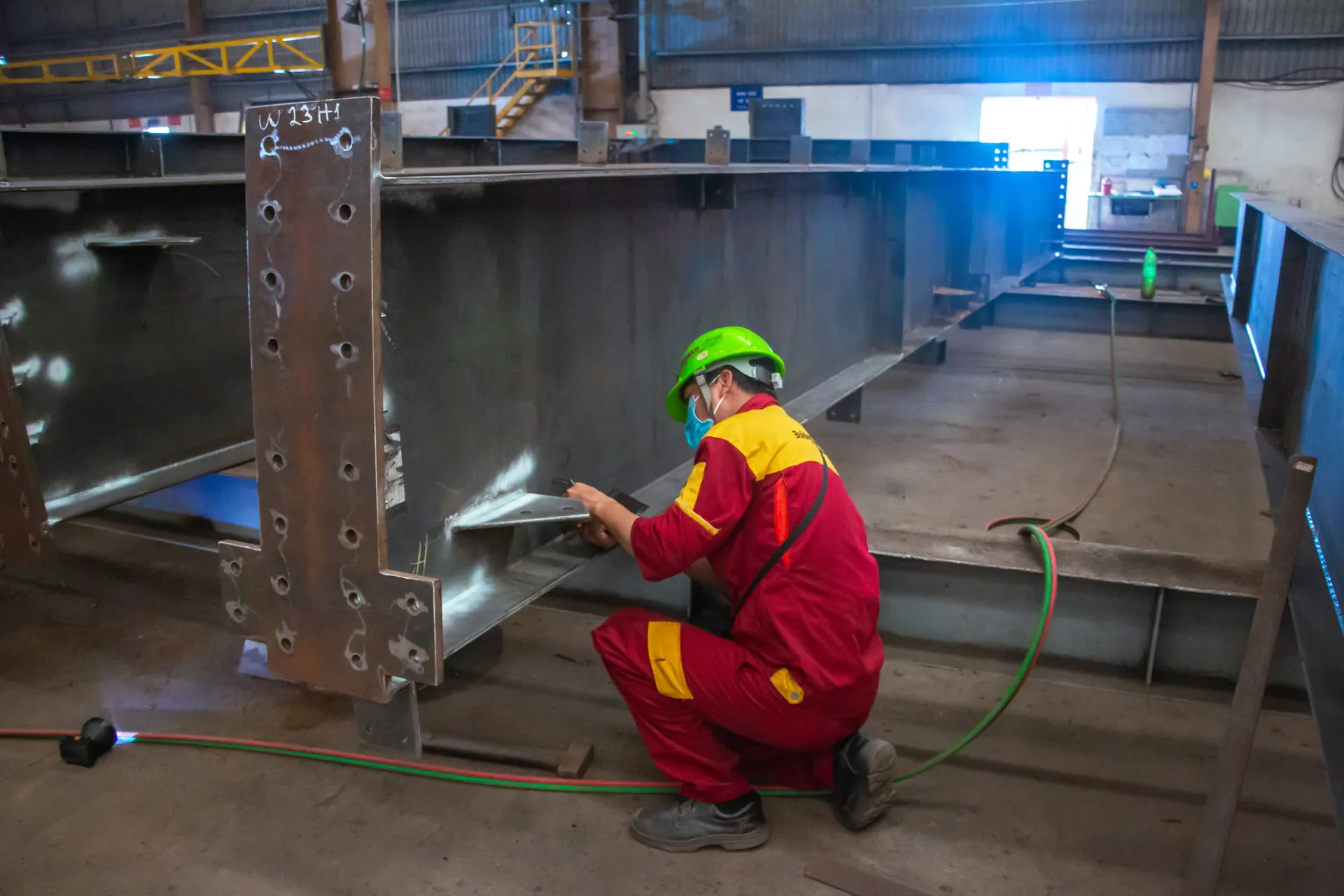
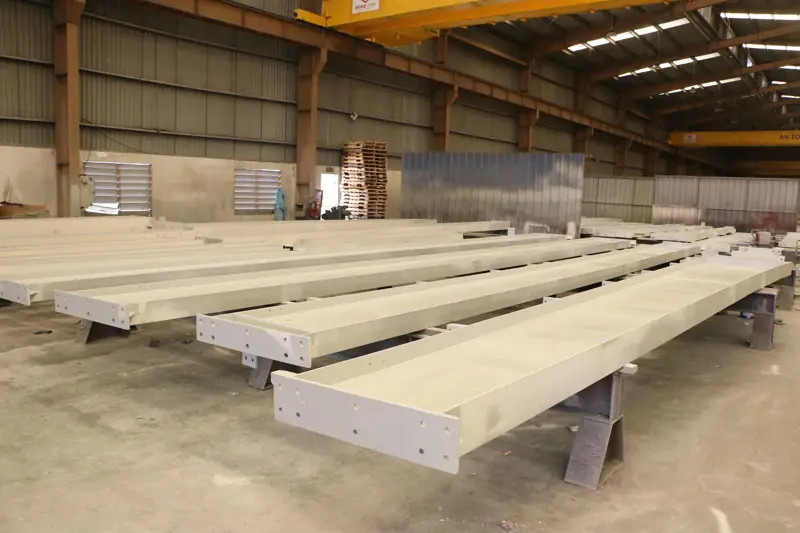
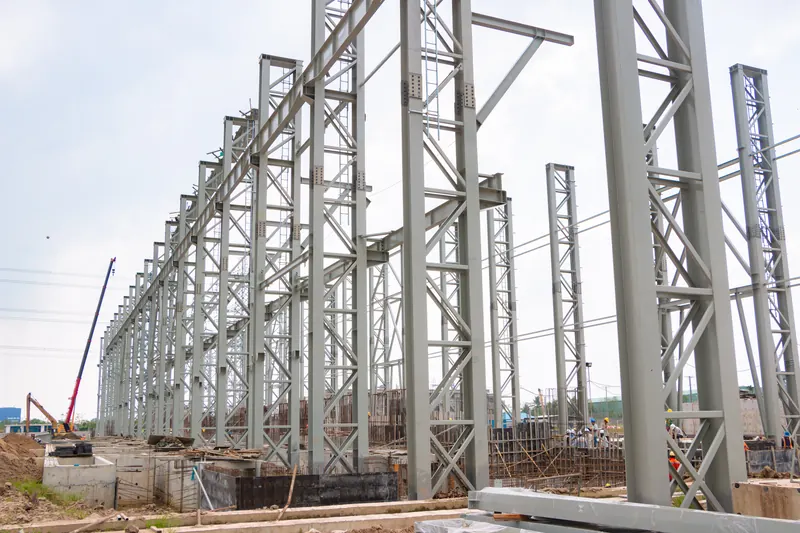
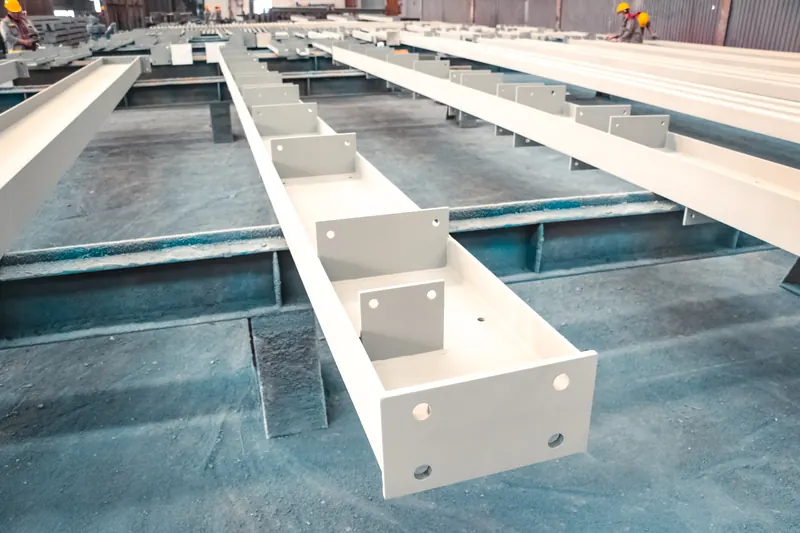
World Steel’s own shop floors and jobs, where the steel for US projects is made. Not stock images.
How World Steel supports this
Designed to US codes, made in our plant in Vietnam
Qualified to AWS D1.8
Our welding procedures and welders are qualified to AWS D1.8, alongside AWS D1.1, for seismic welds.
Testing before shipment
Nondestructive testing of seismic welds done and recorded before the piece is released.
Records in PEB Studio
Weld procedures, test reports and repair records attached to each piece in PEB Studio.
The seismic solution ecosystem
Products and solutions behind this guide
The products we make for this part of a seismic structure, the services that come with them and past World Steel projects, all one click away.
Products made in our plant in Vietnam
Solutions that come with it
World Steel projects: US codes, Guam, Japan and beyond
 3D model
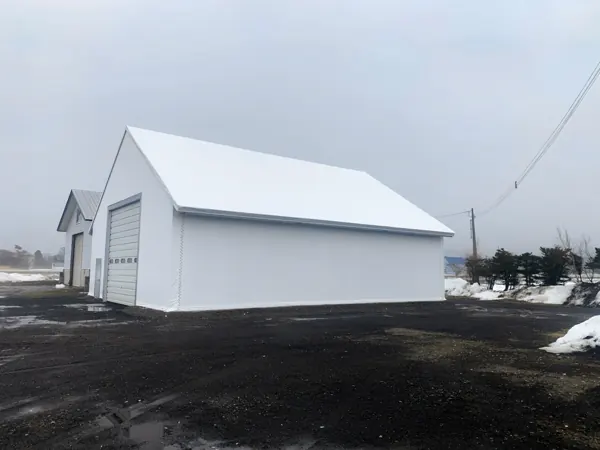 Photo
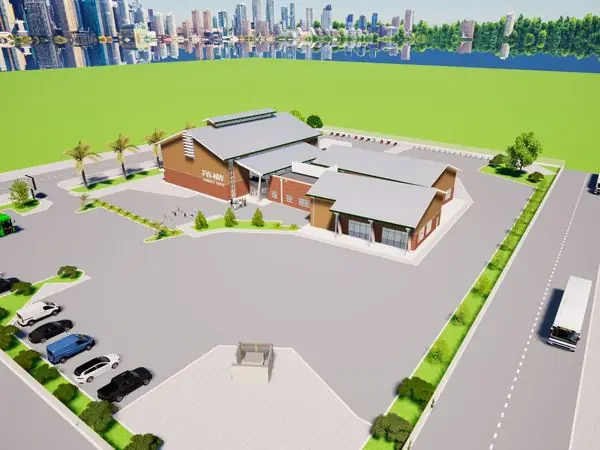 3D model
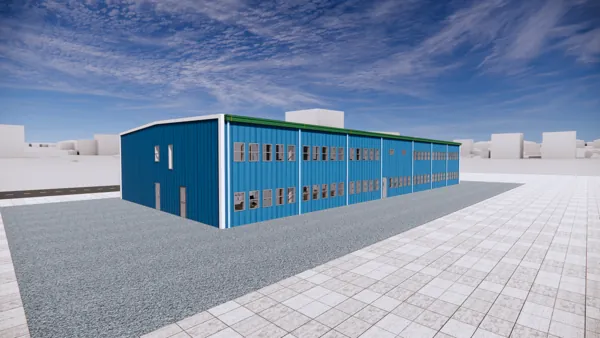
Past World Steel work, shown for the structure type. It does not describe the seismic criteria of any one project.
Standards on this page
Read the standard behind it
Each standard page explains what it covers, the edition we reference and how we apply it. We design and fabricate to these standards; they are not certifications.
Keep reading
Related solutions
Questions from US buyers
Demand-critical welds: questions we hear
Is World Steel AWS certified?
We claim no AWS company certification. Our welding procedures and welders are qualified to AWS D1.8 and AWS D1.1, we weld seismic joints to them, and our plant is accredited under IAS AC472.
Does my metal building have demand-critical welds?
Perhaps not. Many single-story metal buildings in higher categories use ordinary moment frames with bolted end-plate knees. Your Engineer of Record decides, and the drawings show every designated weld.
Which filler metal do you use for seismic welds?
Filler metal classified for the Charpy toughness AWS D1.8 and AISC 341 require, used inside the heat input envelope it was tested in. Its certificates are part of your weld records.
Who inspects field welds?
The erector’s welding inspector for quality control and the special inspector engaged for your project for quality assurance. We supply the drawings and the weld information they need.
Does World Steel provide shop drawings for seismic work?
Yes. Shop drawings come with every project at no extra charge. We design and fabricate the steel structure, and your Engineer of Record reviews and approves the calculations and drawings.
A plain-English summary for US buyers, not the code text and not engineering advice for a specific site. The adopted codes and standards govern, and your Engineer of Record confirms the criteria for each project.
Talk to a seismic engineer
Send the site address, the soil report if you have one, and what the building is for. We confirm the seismic criteria with your Engineer of Record and return a written scope for steel designed to US codes and made in our plant in Vietnam.