Skip to content
Seeking US contractor partners IAS AC472 ACCREDITED ★ METAL BUILDINGS ★ AC472 IAS AC472 accreditedIAS AC472
World Steel USA

Engineering & standards · Bolting

RCSC bolting, with the joint type spelled out for your ironworkers

Because every field joint on a World Steel frame is bolted, bolting is the point where our design hands off to your crew and your special inspector. Each connection gets a joint type during design, is checked to the RCSC Specification that AISC 360-22 references, and is labeled on the erection drawings so nobody on site has to interpret anything.

Governing document
The RCSC Specification, adopted by reference in AISC 360-22
Joint types
Snug-tight, pretensioned or slip-critical, chosen connection by connection
Where it is shown
On the erection drawings and in Tekla-generated bolt lists
Bolt supply
Confirmed in each proposal, with the certificates to match

Snug-tight, pretensioned, slip-critical

Three ways a bolted joint can work, labeled joint by joint

The RCSC Specification sorts every high-strength bolted joint into one of three types. The design picks the type; our erection drawings label it on every bolt group, so the crew and the special inspector work from the same page.

Snug-tight

Clamp

How it is installed
Plies brought into firm contact by an ironworker's full effort on a spud wrench or a few impacts.
How it carries load
Bearing: bolts carry load in shear against the hole.
Where you will see it
Most purlin, girt and brace connections; simple shear joints.
What the inspector checks
Plies in firm contact, right bolts and washers.
Pretensioned

Clamp

How it is installed
Each bolt brought to at least its minimum pretension by an approved method after snugging.
How it carries load
Bearing, with the bolt preloaded against loosening.
Where you will see it
Moment end plates where the design requires it, joints under vibration or load reversal, bolts in tension.
What the inspector checks
Method verified on job bolts, then observed on a sample.

Slip-critical

Clamp

How it is installed
Full pretension on contact surfaces left bare or coated with a primer qualified for the slip class.
How it carries load
Friction: the clamped plies must not slip under service loads.
Where you will see it
Crane brackets and runways, oversized or slotted holes, seismic system bolts where AISC 341 requires it.
What the inspector checks
Pretension plus the faying surface condition.

14 answers from our engineers

RCSC questions and answers

What ironworkers, special inspectors and engineers ask about high-strength bolting on a World Steel frame: joint types, pretension methods, galvanized hardware, faying surfaces and who inspects what.

Not answered here?Send your RCSC question with the drawings. An engineer replies in writing.

Joint types 4 answers

Must every end-plate bolt on a metal building be pretensioned?

Not necessarily. AISC 360 and RCSC permit snug-tight end plates in some cases and require pretension in others, and the design makes the call. Each one is labeled on the erection drawings.

How do I tell the joint type on your drawings?

Each bolt group on the erection drawings carries a label for its joint type, together with bolt grade, diameter and length. A legend on the first sheet explains the labels, and the bolt list per shipment repeats them.

When does a joint have to be slip-critical?

When slip would be a problem: oversized or slotted holes in the direction of load, joints under fatigue such as crane runways, joints where slip would change the geometry, and bolts in a seismic system where AISC 341 calls for it. The design decides and labels it.

Can a snug-tight joint be pretensioned anyway?

It can, and it does no harm if the bolt grade allows it, but it takes crew time. Following the labels keeps the erection fast and gives the inspector a clear checklist.

Installation and pretension 4 answers

Which pretensioning method should our erector use?

Any of the four RCSC methods: turn-of-nut, calibrated wrench, twist-off-type tension-control bolts or direct tension indicators. The erector chooses, verifies it on job bolts in a tension calibrator before installation, and the inspector checks it is followed.

If a tensioned bolt comes loose, can it go back in?

Treat it as scrap. A490s and galvanized A325s are barred from reuse once tensioned, and any other reuse needs your Engineer of Record to sign off, so crews simply fit a new bolt.

Why does the snugging order matter?

Tightening from the stiffest part of the joint outward pulls the plies together evenly. Starting at the edge can trap a gap, so later bolts lose pretension as the gap closes.

What is a pre-installation verification test?

A check at the start of each day or lot, in a bolt tension calibrator, that the chosen method with those very bolts, nuts and washers reaches the required pretension. RCSC requires it for pretensioned and slip-critical joints.

Hardware and coatings 3 answers

Our site is corrosive. Are galvanized structural bolts an option?

For Grade A325, yes, provided the nuts and washers are galvanized as well. Grade A490 is not hot-dip galvanized, so we keep it out of exposed corrosive locations or protect it another way.

Can the faying surfaces of slip-critical joints be painted?

Only with a coating qualified for the required slip class, or they are masked off and left as blast-cleaned steel. Our shop drawings note which surfaces are masked; the paint shop follows them.

How should bolts be stored on site?

In closed containers, protected from rain, dirt and salt air, and only taken out as needed for the shift. Dry or rusty bolts lose the lubrication that lets them reach pretension.

Inspection 3 answers

Who inspects field bolting?

The erector's own quality control plus the project's special inspector, as your building department requires. Both work from the joint labels on our drawings and bolt lists.

Does World Steel supply the high-strength bolts?

When they are in our scope, yes, with certificates for bolts, nuts and washers. The proposal confirms bolt supply job by job, and the hardware ships in labeled containers by shipment.

Are shop-bolted connections inspected in your plant?

Shop-assembled bolted parts are checked for hole alignment, bolt grade and fit-up against the shop drawings as part of our inspection plan. Field bolting on site is inspected under the project's special inspection program.

More answers on every US code we design to: search all standards questions.

Pretensioning

Four RCSC-approved pretensioning methods

The erector picks the method, proves it with the actual job bolts before installation, and the special inspector checks that it is followed.

Turn-of-nut

After snugging, the crew paints a line across nut and bolt tip and turns the nut through a set angle. Works well under supervision.

Calibrated wrench

Torque settings checked every morning in a bolt tension calibrator, using bolts from the current lot.

Twist-off bolts

A splined tip on a tension-control bolt shears away once the bolt hits its target.

Direct tension indicators

Special washers whose raised bumps crush down; a feeler gauge confirms the bolt reached tension.

Salt, cold and wet sites

Bolting details that depend on the environment

Galvanized hardware

Grade A325 may be hot-dip galvanized when its nuts and washers are galvanized too. A490 must stay ungalvanized, so it gets a different coating or the joint is redesigned.

Lubricated nuts

Nuts for galvanized bolts come oversize-tapped and waxed. Let them dry out or rust on site and the bolt may never reach its pretension.

Faying surfaces

On slip-critical joints, any primer on the contact faces must be qualified for the slip class or masked off, as the coating specification states.

Keep bolts dry

Hardware stays in closed containers out of rain, snow and salt air until it goes in. Pretensioned A490 and galvanized bolts are never reused.

Special inspection

What the inspector checks at each stage of bolting

  1. Before installation

    Certificates for bolts, nuts and washers, storage conditions, and a pre-installation test of the chosen method using job bolts.

  2. While bolting

    Joints are snugged working outward from the stiffest point, and the pretension method is observed on a sample of bolts.

  3. Once complete

    Each joint is compared with the type on the erection drawings, and any rejected bolt is replaced rather than retightened.

  4. Recordkeeping

    The erector's QC and the special inspector inspect under IBC Chapter 17 and the project requirements; each joint they inspect is identified on our drawings.

From World Steel

Bolting information included in our submittal

  • Erection drawings labeling every joint snug-tight, pretensioned or slip-critical
  • Grade, diameter, length and count of bolts at each connection
  • Hardware lists by shipment, produced from the Tekla model
  • Coating specification notes on contact surfaces for slip-critical joints
  • Standard, oversized or slotted hole types on the shop drawings
  • Certificates for any bolts in our supply

Who does what under RCSC

We design and detail the joint; the US contractor installs it

Bolting is the one structural operation that happens on your site. The RCSC Specification is clear about who does what, and so are our drawings.

World Steel

  • Picks the joint type, snug-tight, pretensioned or slip-critical, in the design
  • Details hole types and faying surfaces on the shop drawings
  • Masks or coats slip-critical faying surfaces to the slip class the design uses
  • Labels the joint type on the erection drawings and lists bolts per bundle when they are in our scope

US contractor, our customer

  • Stores bolts dry and protected until they are used
  • Runs pre-installation verification for pretensioned and slip-critical joints
  • Installs by turn-of-nut, calibrated wrench, twist-off bolts or direct tension indicators
  • Brings every joint to at least snug-tight before pretensioning

Special inspector

  • Observes the pre-installation verification
  • Checks that the installation method is followed on the joints that need it
  • Confirms snug-tight and pretensioned joints against the drawings

Bolting questions on review

Four bolting questions a reviewer asks, and where our drawings answer them

Most bolting comments are about joints that were never labeled. Ours are labeled joint by joint, so each answer has a place on the drawings.

RCSC Section 4

Which joints must be pretensioned?

A joint schedule on the erection drawings marks every joint snug-tight, pretensioned or slip-critical, as the design requires.

RCSC Section 3

Are the faying surfaces Class A or Class B?

The slip class is stated per joint, with the coating qualified for that class or the surface masked, and shown on the shop drawings.

RCSC Section 3

Which hole types are used in slip-critical joints?

Standard, oversized or slotted holes are detailed per joint, and the design strength uses the matching hole factor.

ASTM F3125, A563 and F436

Are bolts, nuts and washers compatible?

Bolt assemblies are listed by grade with the nut and washer specified, and lot certificates come when bolts are in our scope.

Real photos from World Steel

Bolted connection plates, made ready for the field

Photographed in our own plant in Tay Ninh Province, Vietnam, and on World Steel jobs. Not stock images.

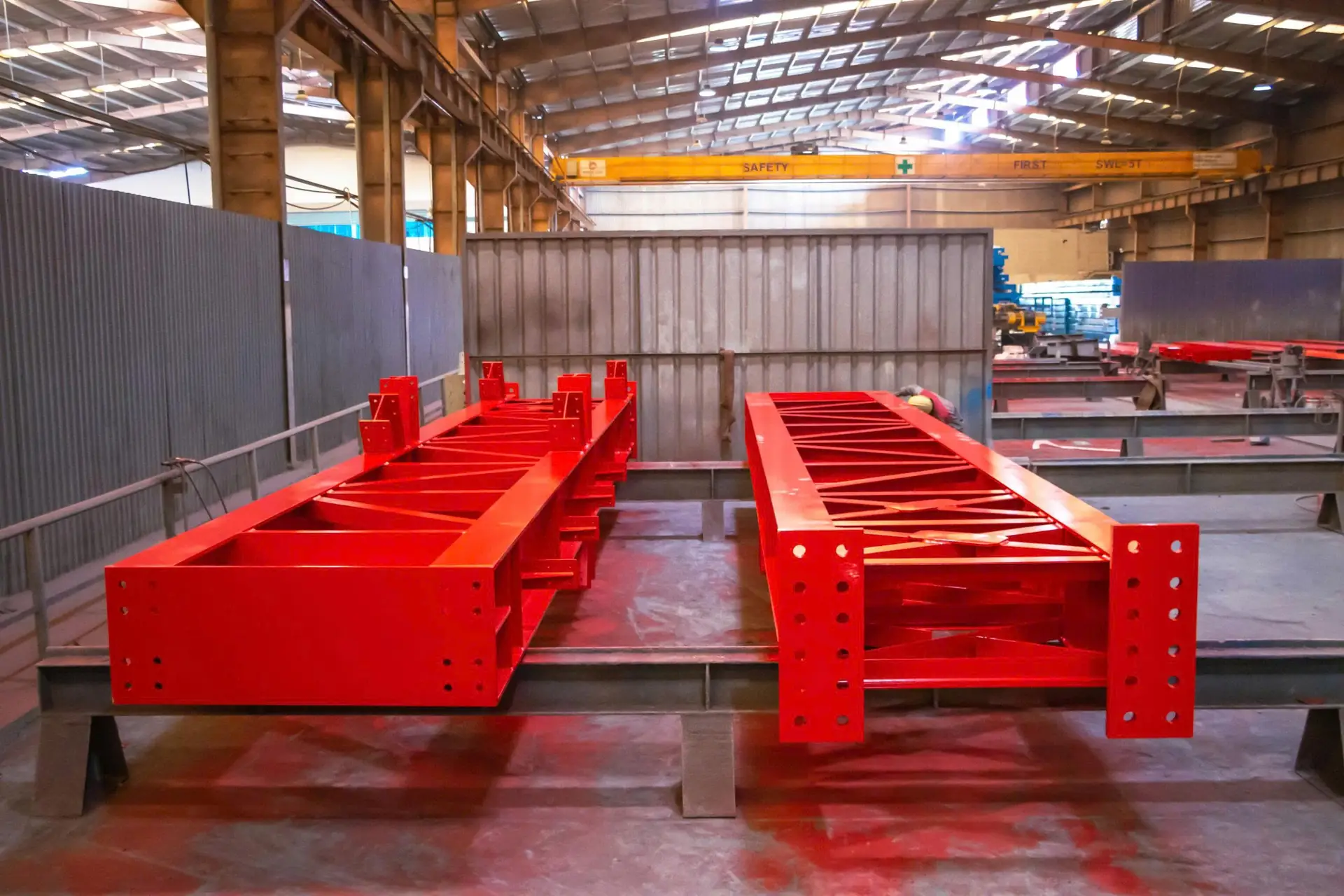
Pair of red truss assemblies with bolted connection plates inside the shop Photo
Two trusses finished in red primer at World Steel in Vietnam.
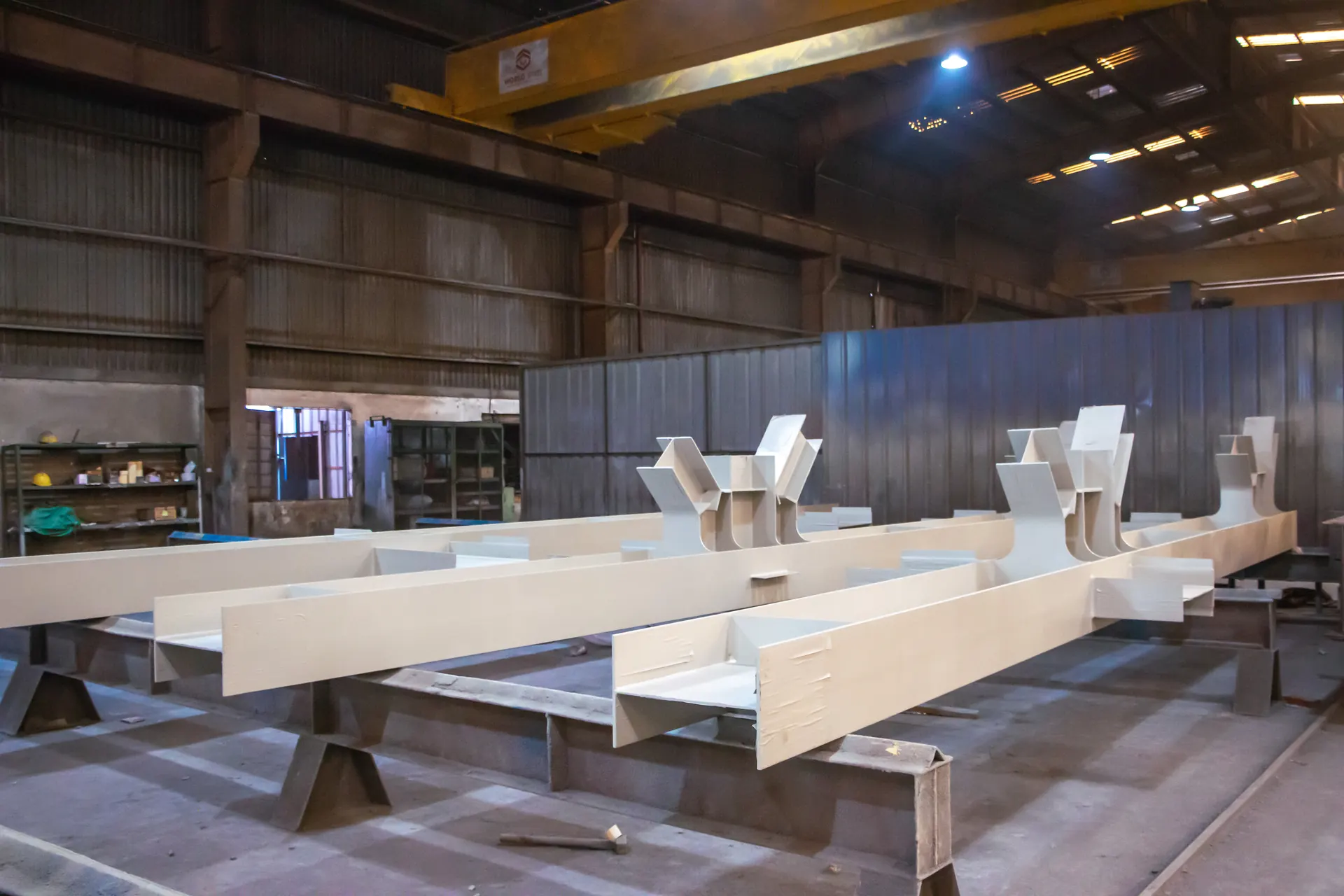
Coated frame parts with welded brackets in the paint hall Photo
Frame parts with their brackets, coated and drying, World Steel, Vietnam.
X-braced red truss assembly on the fabrication floor Photo
Bridge truss assembled and coated in the World Steel shop, Vietnam.
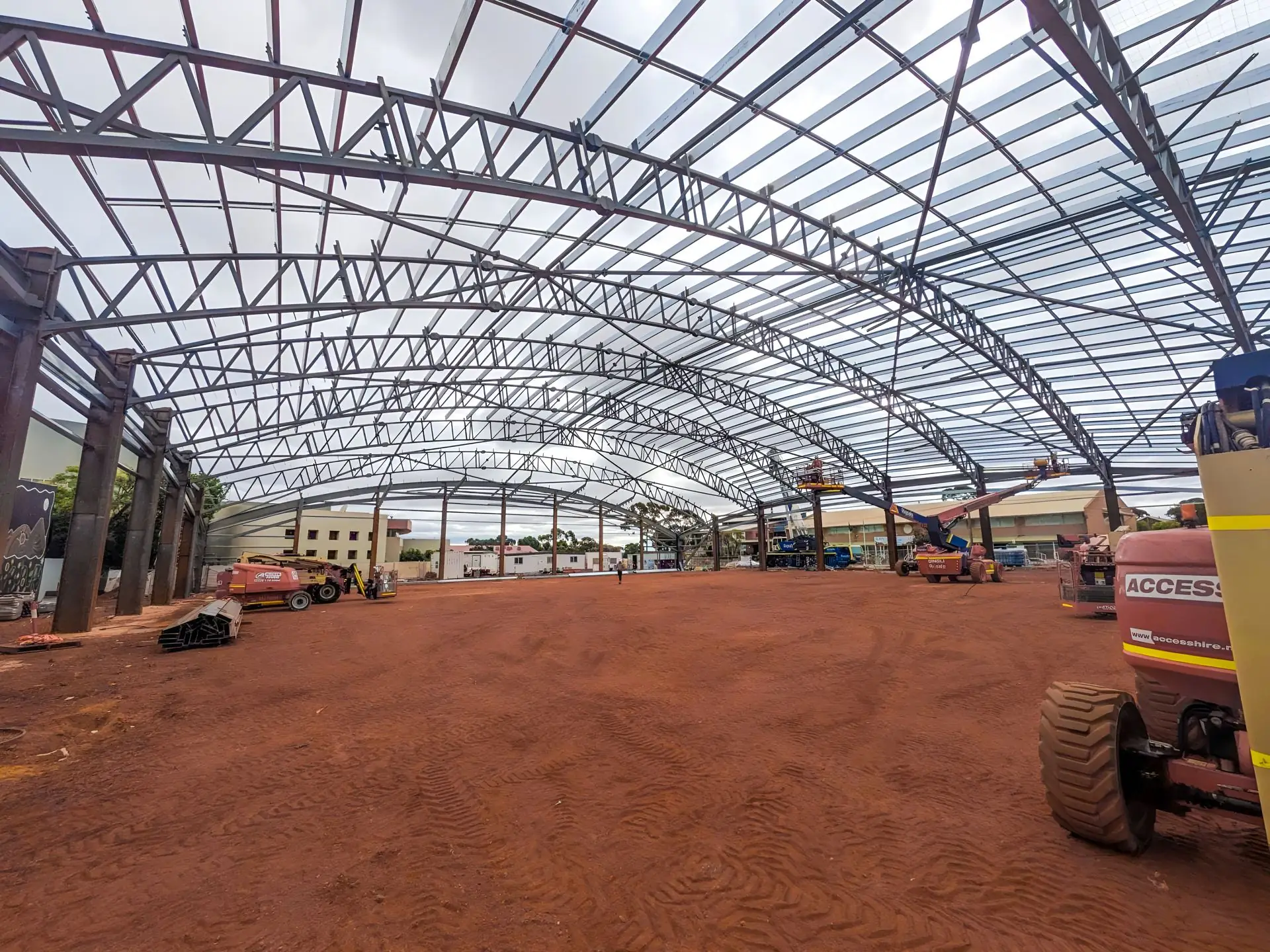
Curved long-span trusses being set during erection Photo
Exported steel in place in Western Australia: a World Steel job abroad, shown for the building type rather than a US site.

RCSC never works alone

The standards and guides it works with

Each link opens the full page, with its own questions and answers.

Status

F3125 bolt supply is something we confirm per job, in writing in the proposal and on the certificates. Your erector installs and pretensions field bolts, and that work is inspected to the project requirements.

Who does what

World Steel designs, fabricates and supplies the steel structure from its own plant in Vietnam. The US contractor, our customer, erects it, has the drawings approved and sealed by their Engineer of Record and pulls the permit.

Not yet verified Edition: As referenced by AISC 360

Source record: Not recorded yet

Last checked: November 8, 2026. Editions change on a cycle, so your Engineer of Record confirms which one your jurisdiction enforces.

All US codes & standards

Need the bolting spelled out for your erector?

Send the drawings or a footprint. Our erection drawings label every joint snug-tight, pretensioned or slip-critical, with grade, diameter, length and count at each connection.