
When AISC 341 applies
The trigger is the system, not the state
ASCE 7-22 sends steel structures to AISC 341 when they are in Seismic Design Category D, E or F, or when a lower-category building uses a response modification coefficient R greater than 3. A building in SDC B or C designed with R = 3 can be designed to AISC 360 alone. That choice trades a higher design force for simpler detailing, and on many light metal buildings it is the economical one.
Once AISC 341 applies, it covers the whole seismic force-resisting system: the members, the connections, the welds, the materials and the quality assurance. It does not reach the purlins, girts and other members that are not part of that system, which keep their normal AISC 360 and AISI S100 design.
Core ideas in AISC 341
What changes when the seismic provisions apply
Expected strength
Real steel is usually stronger than its minimum grade. Ry and Rt factors raise the yield and tensile strength used to size everything that must stay stronger than the yielding member.
Capacity design
The yielding element is chosen first. Connections, columns and anchorage are designed for the force it can actually deliver, so the damage stays where it was planned.
Ductile members
Highly and moderately ductile members must meet tighter width-to-thickness limits so their flanges and webs do not buckle early.
Stability bracing
Beams in moment frames get lateral bracing at closer spacing, and at plastic hinge locations, so they can rotate without twisting.
Protected zones
Regions expected to yield stay free of welds, holes and attachments that could start a crack.
Demand-critical welds
Welds whose failure would compromise the system get tougher filler metal and added inspection under AWS D1.8.
Column splices and bases
Splices and base connections are designed for the forces the system can deliver, including overstrength where required.
Quality control and assurance
Chapter J sets the quality control and quality assurance tasks, inspections and documents for every system it covers.
AISC 358-22
Prequalified moment connections we fabricate
Special and intermediate moment frames need a connection that is prequalified or qualified by test under AISC 341 Chapter K. These are the non-proprietary families most used in buildings.
| Connection | How it works | Frames |
|---|---|---|
| Reduced beam section (RBS) | Flange cut-outs near the column force the hinge to form away from the welds. | SMF, IMF |
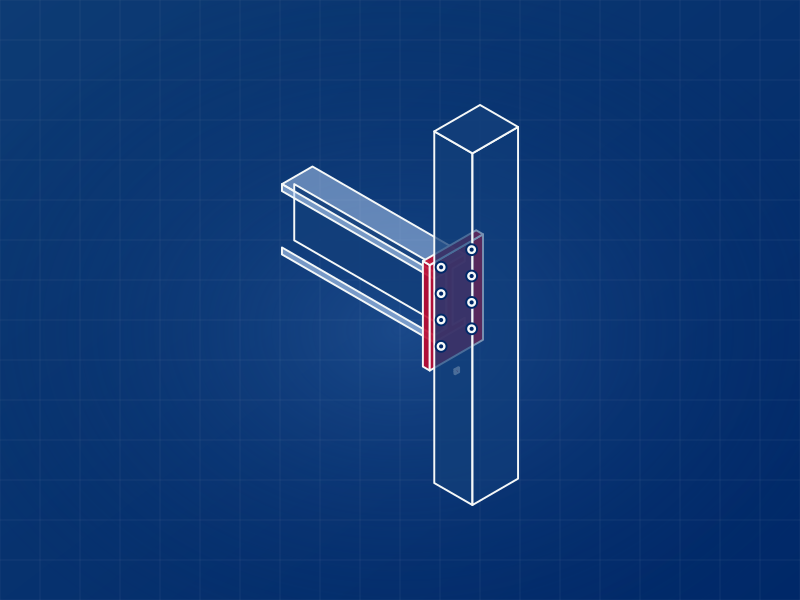
| Bolted extended end-plate (BUEEP, BSEEP) | A shop-welded end plate bolted to the column flange, in four-bolt unstiffened and four- or eight-bolt stiffened forms. | SMF, IMF |
| Bolted flange plate (BFP) | Plates shop-welded to the column and field-bolted to the beam flanges. | SMF, IMF |
| Welded unreinforced flange, welded web (WUF-W) | Complete-joint-penetration flange and web welds with a special weld access hole. | SMF, IMF |
Real photos
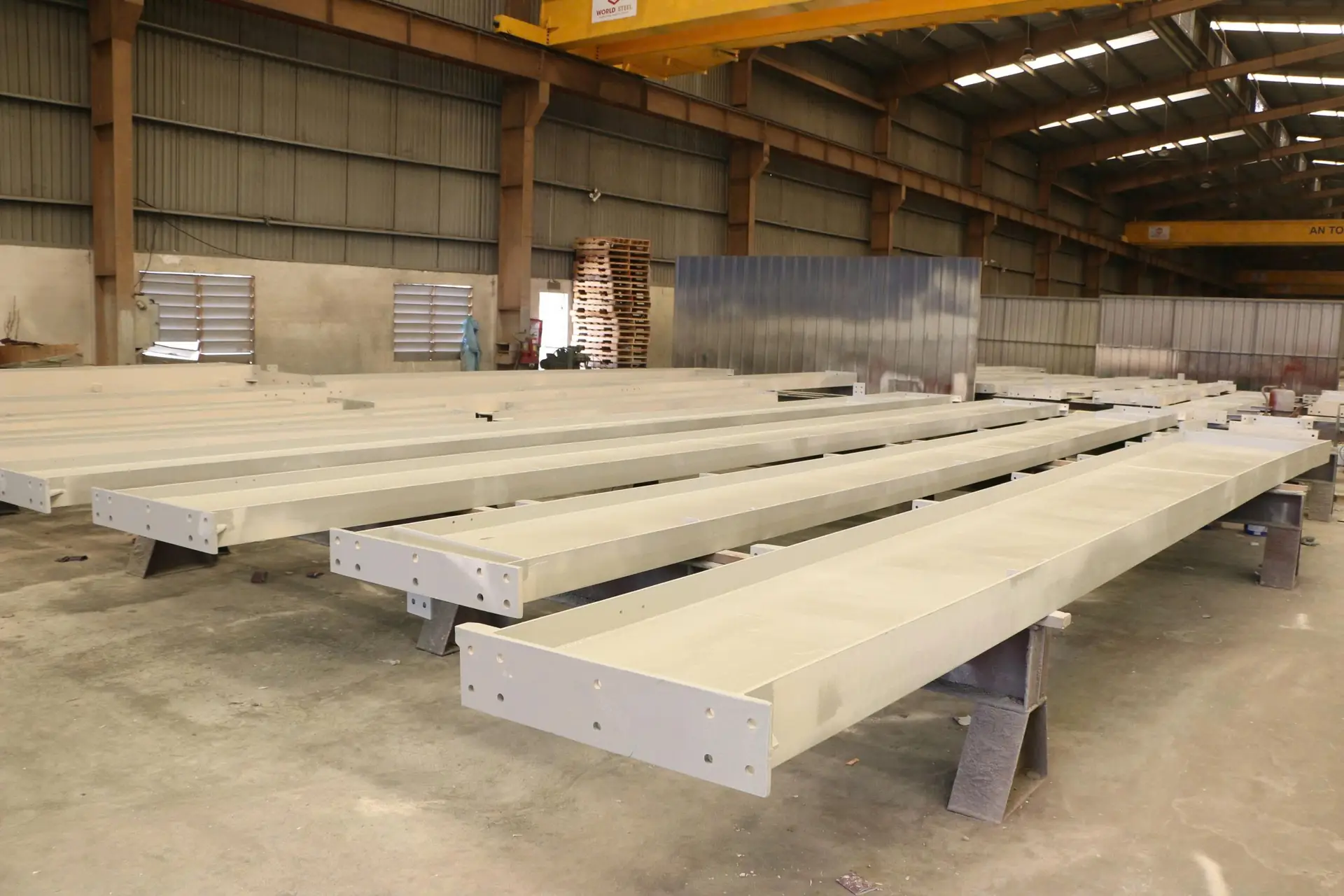
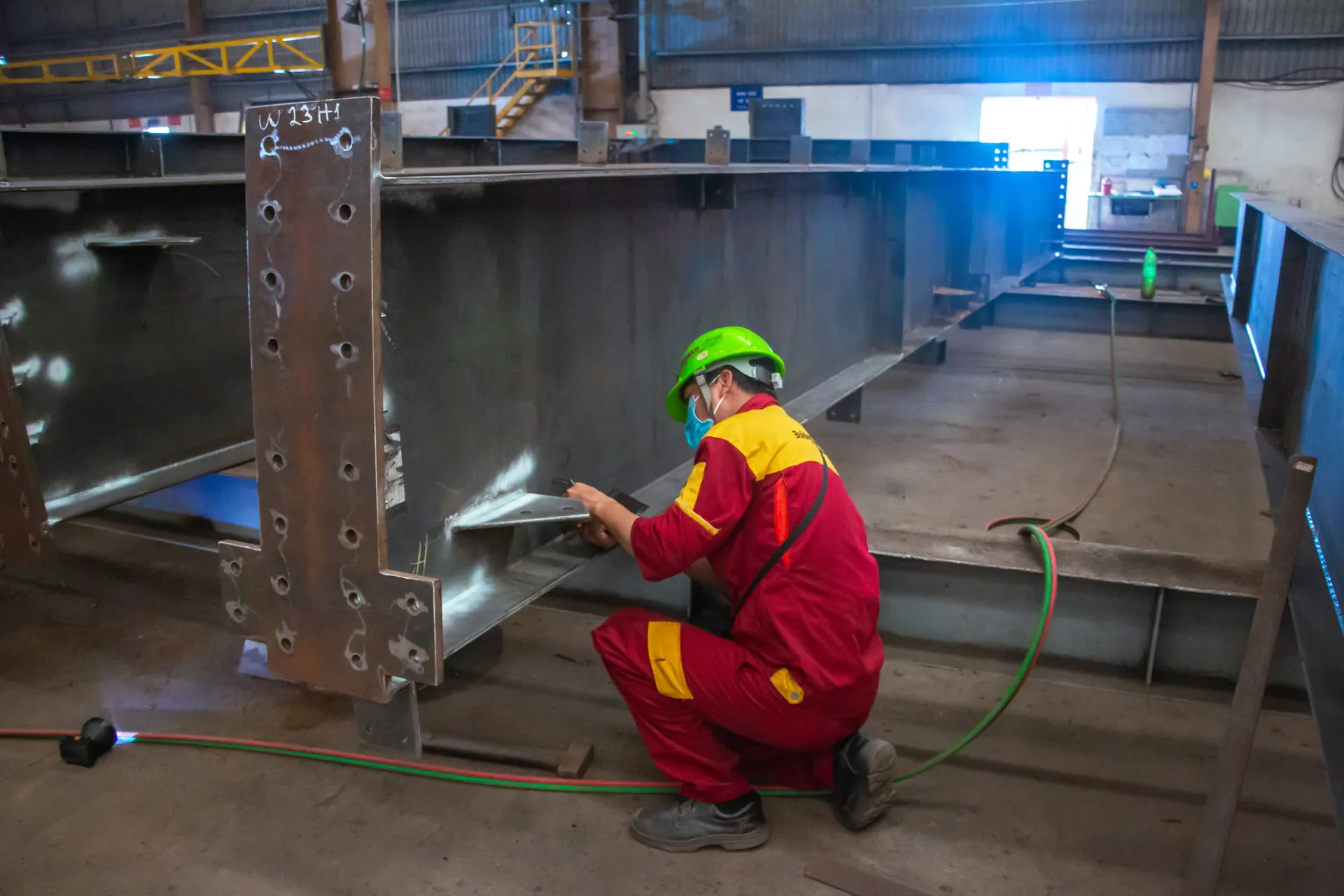
From our plant in Vietnam
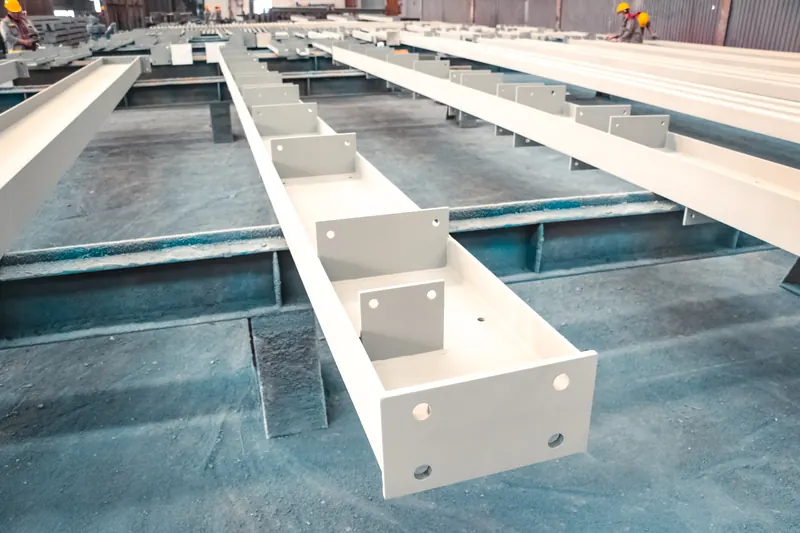
World Steel’s own shop floors and jobs, where the steel for US projects is made. Not stock images.
How World Steel supports this
Designed to US codes, made in our plant in Vietnam
Detailing carried into the shop
Ductility class, protected zones and demand-critical welds are shown on the Tekla shop drawings, included at no extra charge.
Accredited plant
The first and only fabricator in Vietnam accredited under IAS AC472, with written procedures for design and fabrication inspection.
Chapter J records
Quality control documents for the seismic system collected in the Manufacturing Data Record.
The seismic solution ecosystem
Products and solutions behind this guide
The products we make for this part of a seismic structure, the services that come with them and past World Steel projects, all one click away.
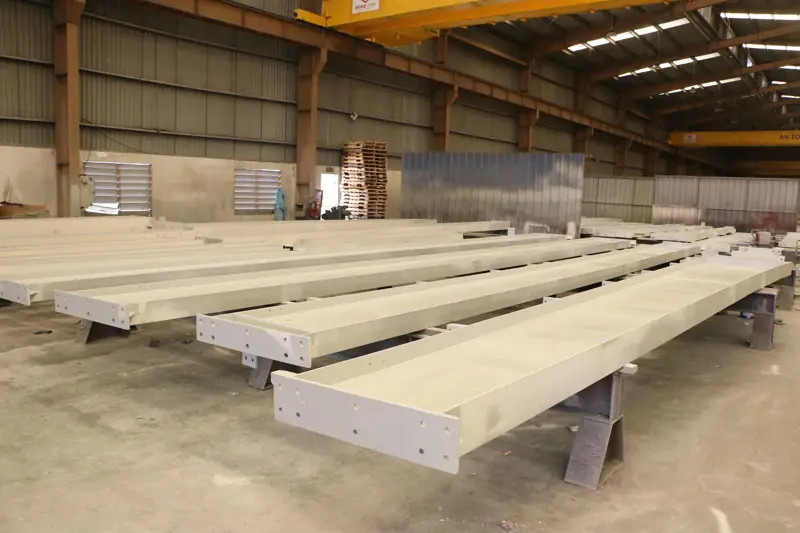
Products made in our plant in Vietnam
Solutions that come with it
World Steel projects: US codes, Guam, Japan and beyond
 3D model
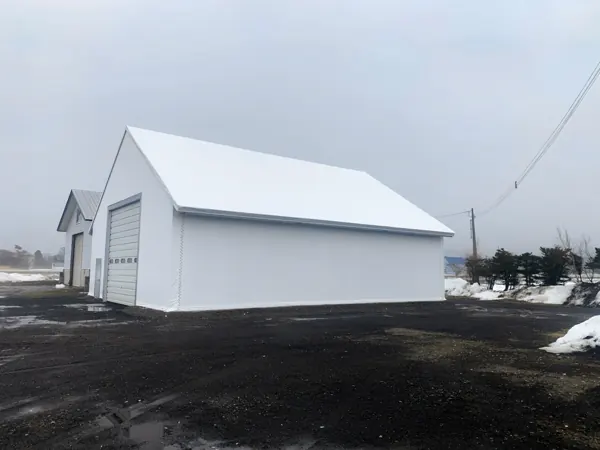 Photo
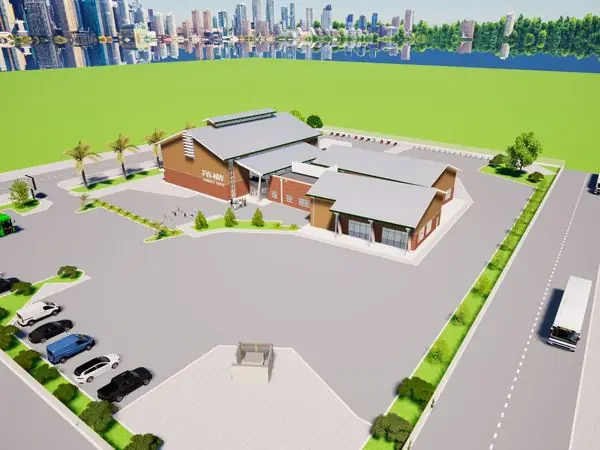 3D model
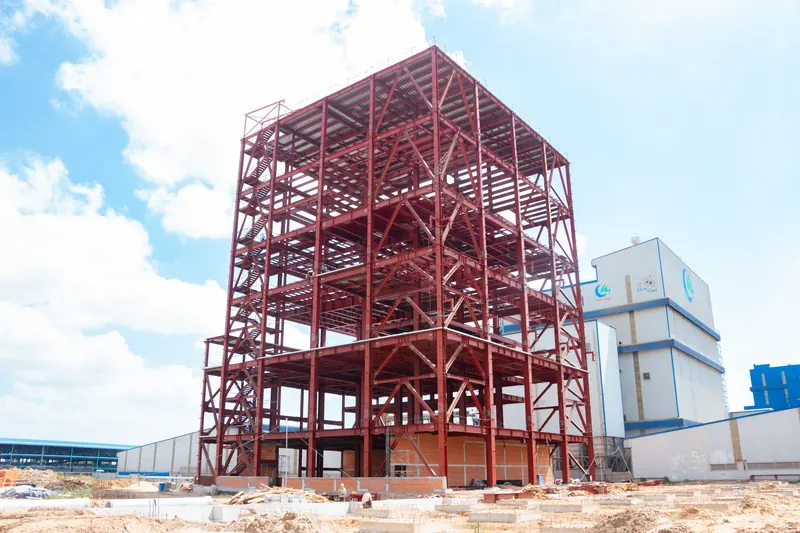
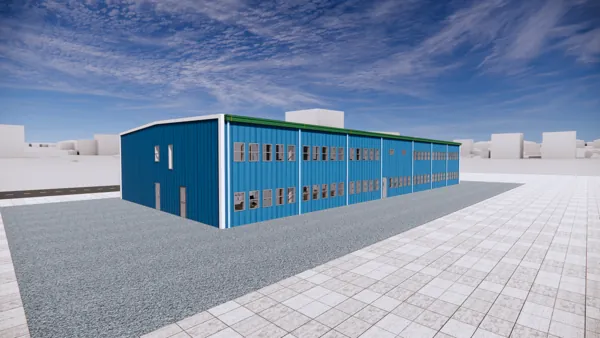
Past World Steel work, shown for the structure type. It does not describe the seismic criteria of any one project.
Standards on this page
Read the standard behind it
Each standard page explains what it covers, the edition we reference and how we apply it. We design and fabricate to these standards; they are not certifications.
Keep reading
Related solutions
Questions from US buyers
AISC 341 & 358: questions we hear
Is World Steel AISC certified?
No, and we do not claim it. Our plant is accredited under IAS AC472, the first and only one in Vietnam. We design and fabricate to AISC 341, AISC 358 and AISC 360 as your project requires.
Does every steel building in California need AISC 341?
Most sites in California fall in SDC D or higher, where AISC 341 applies to the seismic force-resisting system. The category for your site is confirmed from its coordinates, soil and risk category.
Can you use a proprietary prequalified connection?
Proprietary connections in AISC 358 are used under the owner’s license and design terms. Tell us early and we confirm whether we can fabricate it for your project.
Which edition do you use?
AISC 341-22 and AISC 358-22 with IBC 2024 by default. Where your jurisdiction enforces an earlier IBC, we use the AISC editions that code references.
Does World Steel provide shop drawings for seismic work?
Yes. Shop drawings come with every project at no extra charge. We design and fabricate the steel structure, and your Engineer of Record reviews and approves the calculations and drawings.
A plain-English summary for US buyers, not the code text and not engineering advice for a specific site. The adopted codes and standards govern, and your Engineer of Record confirms the criteria for each project.
Talk to a seismic engineer
Send the site address, the soil report if you have one, and what the building is for. We confirm the seismic criteria with your Engineer of Record and return a written scope for steel designed to US codes and made in our plant in Vietnam.