
Where it sits in the US code stack
Where it governs in your building
From model code to your permit
Four hands a building code passes through before it reaches your site
The ICC writes the model code, but nobody builds to it until a government adopts it. Follow it down to the counter where your permit is issued, then pick your state for the local picture.
The ICC publishes
A new International Building Code every three years, with ASCE 7, AISC 360, AISC 341 and AISI S100 referenced inside it.
The state adopts
Some states adopt one code statewide, sometimes as their own book: California, Florida, New York, Georgia. Others leave adoption to local government.
The county or city amends
Local snow values, frost depth, wind tweaks, farm-building exemptions and inspection rules are added on top.
Your building department enforces
The edition and amendments in force on your application date are what the plan reviewer checks.
Your Engineer of Record confirms
They confirm that basis in writing, and we print it on the cover of the calculations.
States with a code book of their own
Pick your state: adopted code, loads and ports
- Alaska
- Maine
- Wisconsin
- Vermont
- New Hampshire
- Washington
- Idaho
- Montana
- North Dakota
- Minnesota
- Illinois
- Michigan
- New York
- Massachusetts
- Oregon
- Nevada
- Wyoming
- South Dakota
- Iowa
- Indiana
- Ohio
- Pennsylvania
- New Jersey
- Connecticut
- Rhode Island
- California
- Utah
- Colorado
- Nebraska
- Missouri
- Kentucky
- West Virginia
- Virginia
- Maryland
- Delaware
- Arizona
- New Mexico
- Kansas
- Arkansas
- Tennessee
- North Carolina
- South Carolina
- District of Columbia
- Oklahoma
- Louisiana
- Mississippi
- Alabama
- Georgia
- Hawaii
- Texas
- Florida
11 answers from our engineers
State & local codes questions and answers
Answers to the questions owners and contractors ask when a project crosses county or state lines: which edition, which amendments, who confirms them and what changes in the steel.
Which code applies 4 answers
Can we design to IBC 2024 if our county enforces an older edition?
Sometimes, since a newer edition can be accepted as an alternative, but only the building official can approve that. Normally we design to the adopted edition, and we agree the basis with your Engineer of Record first.
Is there a national building code in the United States?
No. The IBC is a model code with no legal force until a state or local government adopts it. Federal property can follow its own rules, but private buildings are permitted under whatever the state and local jurisdiction has adopted.
How do I find out which edition my county enforces?
Call or check the website of the building department that will issue the permit; most publish their adopted codes and amendments. Your Engineer of Record usually knows already. We ask for it on the first page of our design criteria sheet.
Our site is outside city limits. Whose code applies?
Usually the county's, or the state's where the state enforces directly in unincorporated areas. In some states unincorporated land has no commercial building code at all, though lenders and insurers may still require one. We design to the code your team names.
Local amendments 3 answers
What kinds of local amendments affect a steel building?
The common ones: local ground snow values in mountain areas, wind speed adjustments, frost depth for footings, changes to special inspection rules and exemptions for agricultural buildings. Each can change member sizes or the inspection plan.
Can a county set a higher snow load than ASCE 7?
Yes. Many mountain counties publish their own ground snow loads, often higher than the ASCE 7 map, and those values govern the design there. We take them from the local amendment your Engineer of Record confirms.
Do local amendments ever relax the code?
Sometimes, for example by exempting small agricultural buildings or detached storage from permits. An exemption from a permit is not an exemption from good engineering: we still design the steel for the site loads.
Permits and responsibility 4 answers
Will World Steel apply for our permit?
That stays with you or your contractor. Our part is the calculations, the drawings and written replies to the plan reviewer.
Do agricultural buildings need a permit?
That varies by state and county. Some exempt certain farm buildings from permits or from parts of the code, and others do not. Confirm with your building department before counting on an exemption.
Can one set of drawings be reused for the same building in another state?
Only after it is re-checked. The same footprint can face different wind, snow and seismic loads, a different code edition and different amendments across a state line. We re-run the design for each address before fabrication.
We build in several states. Can you keep one standard design?
Yes, as a template. We keep the layout, details and connection types consistent, then size members for each site's code basis and loads. On large multi-site programs that gives repeatable drawings without risking an under-designed building.
More answers on every US code we design to: search all standards questions.
Why editions differ
A single model code, adopted a hundred different ways
States and cities often take years to adopt a new IBC, so neighboring jurisdictions can be enforcing editions six or nine years apart. Some states adopt statewide and allow local amendments on top; others leave the whole decision to counties and municipalities. A few large jurisdictions publish their own IBC-based codes, among them the Florida Building Code, the California Building Code and the New York City Construction Codes.
For a steel building, the amendments can matter as much as the edition. A mountain county may publish its own ground snow values, a coastal state may tweak wind provisions, and local rules set frost depth, change special inspection requirements or exempt some farm buildings from permits. What counts is what your building department enforces, and your Engineer of Record confirms that.
How we settle it
Fixing the code basis for your project
-
Asked up front
The adopted code and its amendments sit near the top of our design criteria sheet.
-
Confirmed by your engineer
Your Engineer of Record checks with the building department and tells us which basis the permit will be reviewed against.
-
Designed and stated
Every load, member check and inspection note uses that basis, which is declared on the cover page of the calculations.
-
Plan review answered
Comments from the plan reviewer or the sealing engineer get written responses from us.
Codes that travel with the IBC
Other codes and rules that shape a steel building
| Code or rule | Subject | Where it shows up in the steel |
|---|---|---|
| ASCE 7 (the edition the adopted IBC names) | Every design load, from snow to earthquake | Frames, purlins, bracing and anchorage |
| AISC 360 / AISC 341 | Steel design and seismic detailing | Members and connections |
| AISI S100 | Cold-formed steel | Purlins, girts and eave struts |
| IECC or a state energy code | Insulation, air leakage and roof reflectance | Roof and wall assemblies, thermal blocks, air sealing |
| IBC Chapter 17 plus local rules | Special inspections | Shop and field inspection, approved-fabricator recognition |
Local plan review
Four comments local reviewers write, and how our package answers them
Most local comments are not about steel at all. They are about which rules the design followed.
-
“Design to the edition this jurisdiction enforces, not the latest one.”
Local adoption ordinanceWhat our package showsThe criteria sheet names the adopted code and edition, and every referenced standard follows that code's list.
-
“Our local amendment sets a higher ground snow load.”
Local amendmentsWhat our package showsLocal values are shown beside the ASCE 7 values, and the higher one governs the design.
-
“Which referenced standards apply under our code?”
Referenced standards chapterWhat our package showsWe read the adopted code's own chapter of referenced standards, not the latest IBC's.
-
“Is the site inside the city limits or in the county?”
Jurisdiction boundaryWhat our package showsThe address is checked against the jurisdiction before the criteria sheet is issued.
Read more
Where to read the code for your state
Every state has its own guide, and the states with their own code families have whole groups.
Steel buildings by state
All 50 states and DC: adopted code, governing hazard and nearest US port.
Pick your state →Florida
The Florida Building Code, hurricane wind and wind-borne debris regions.
Florida solutions →California
The California Building Code, high seismic design and Title 24.
California solutions →Design criteria sheet
The page where the adopted code, edition and amendments are written down.
How the design report reads →
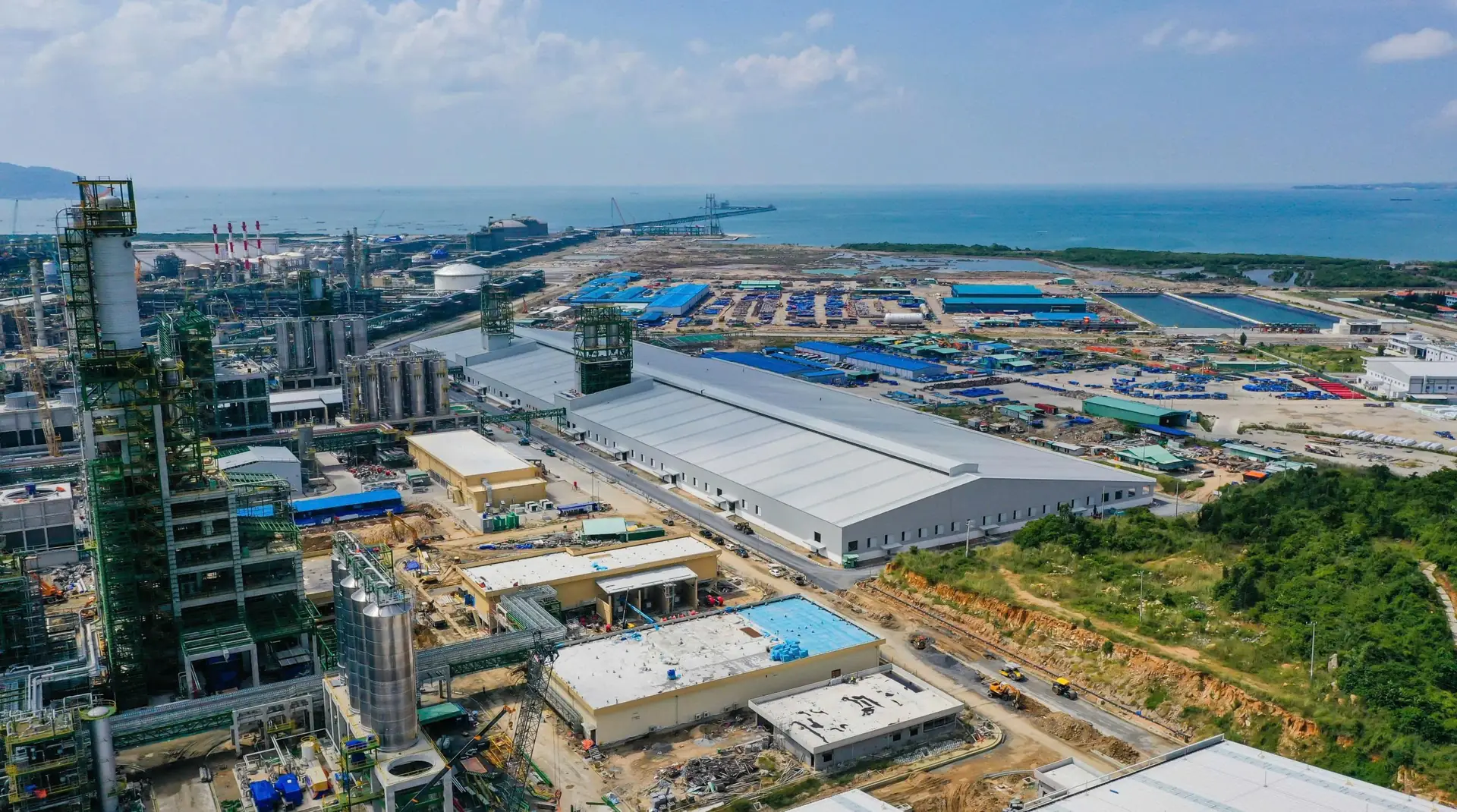
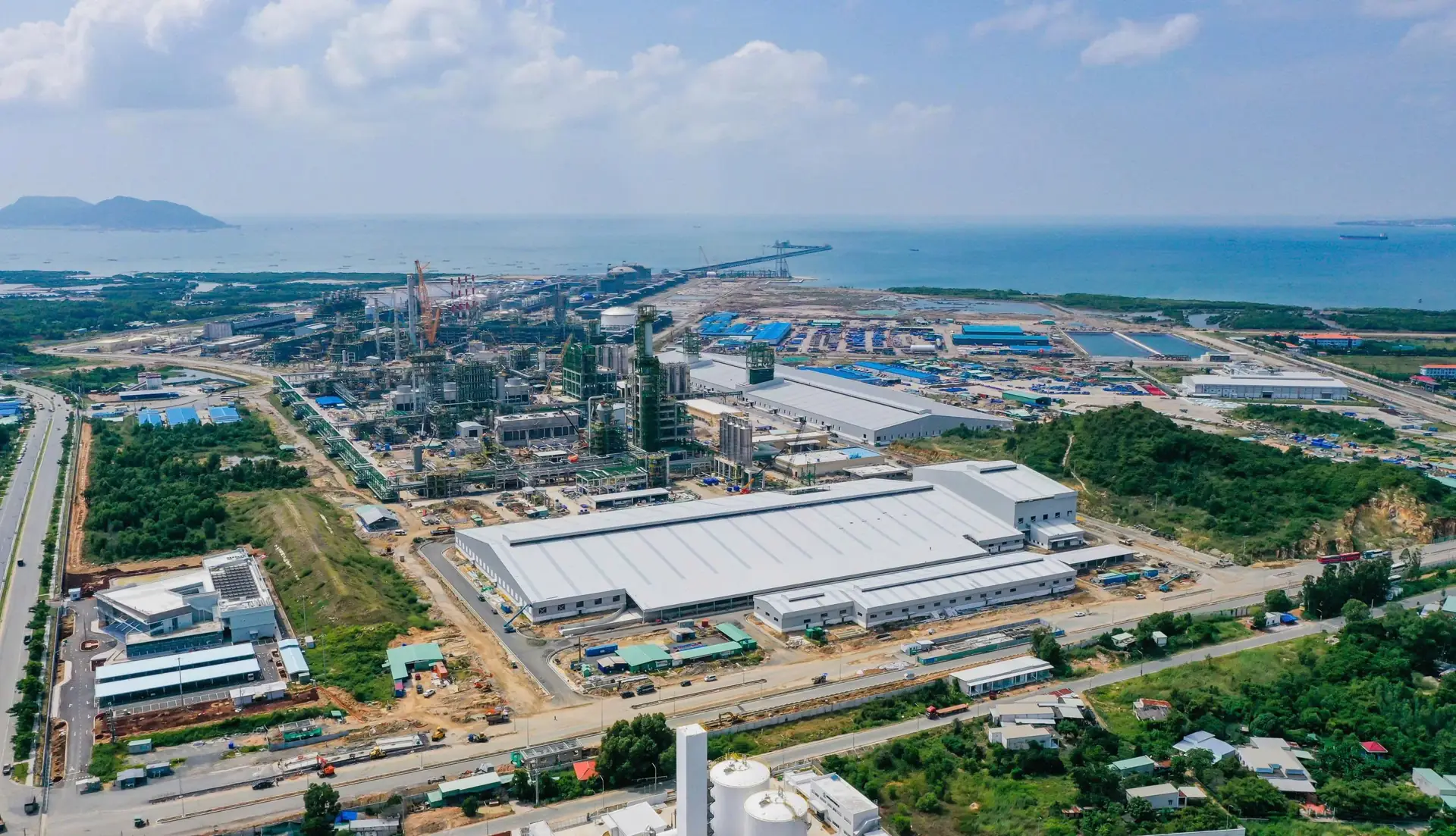
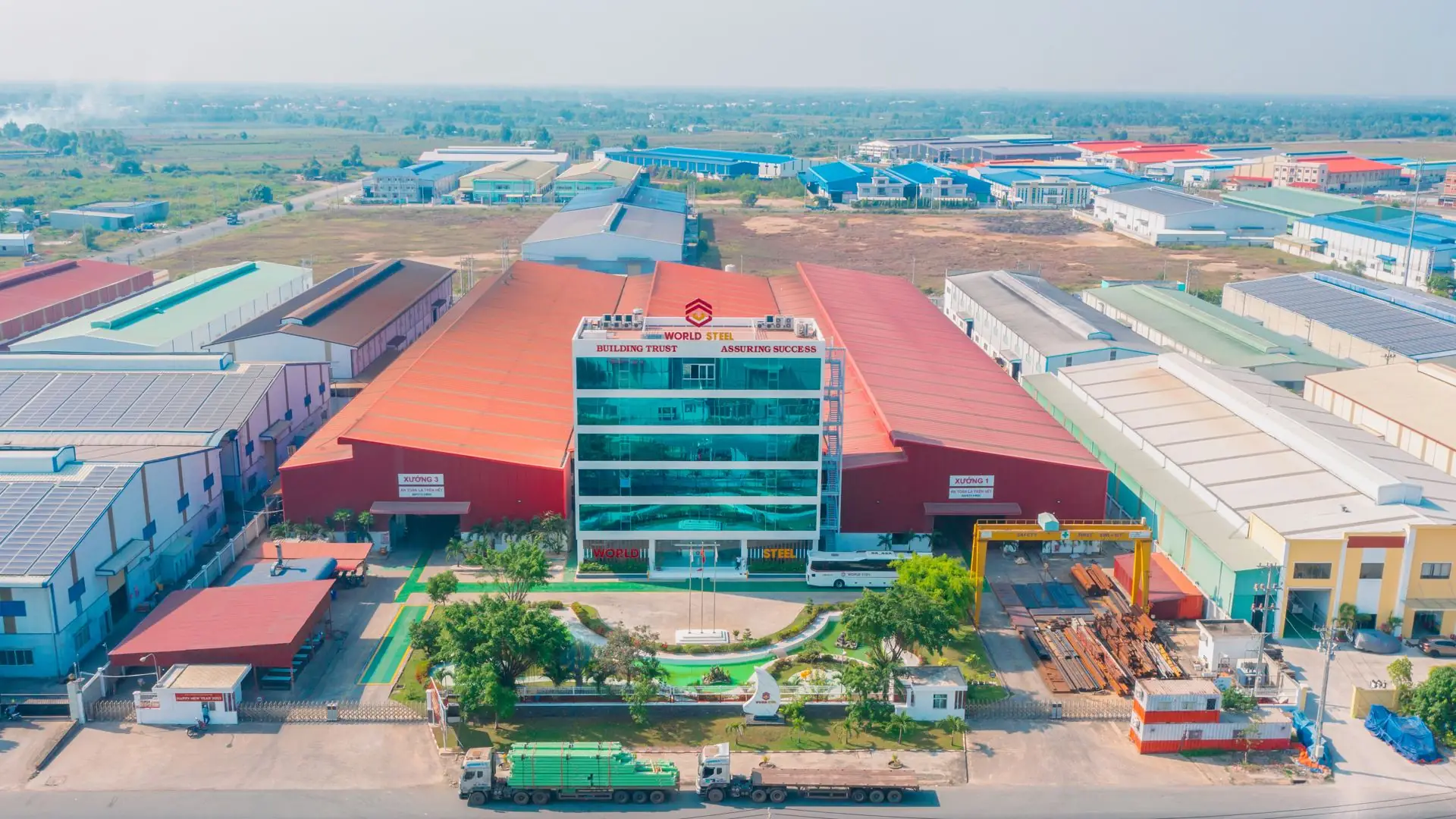
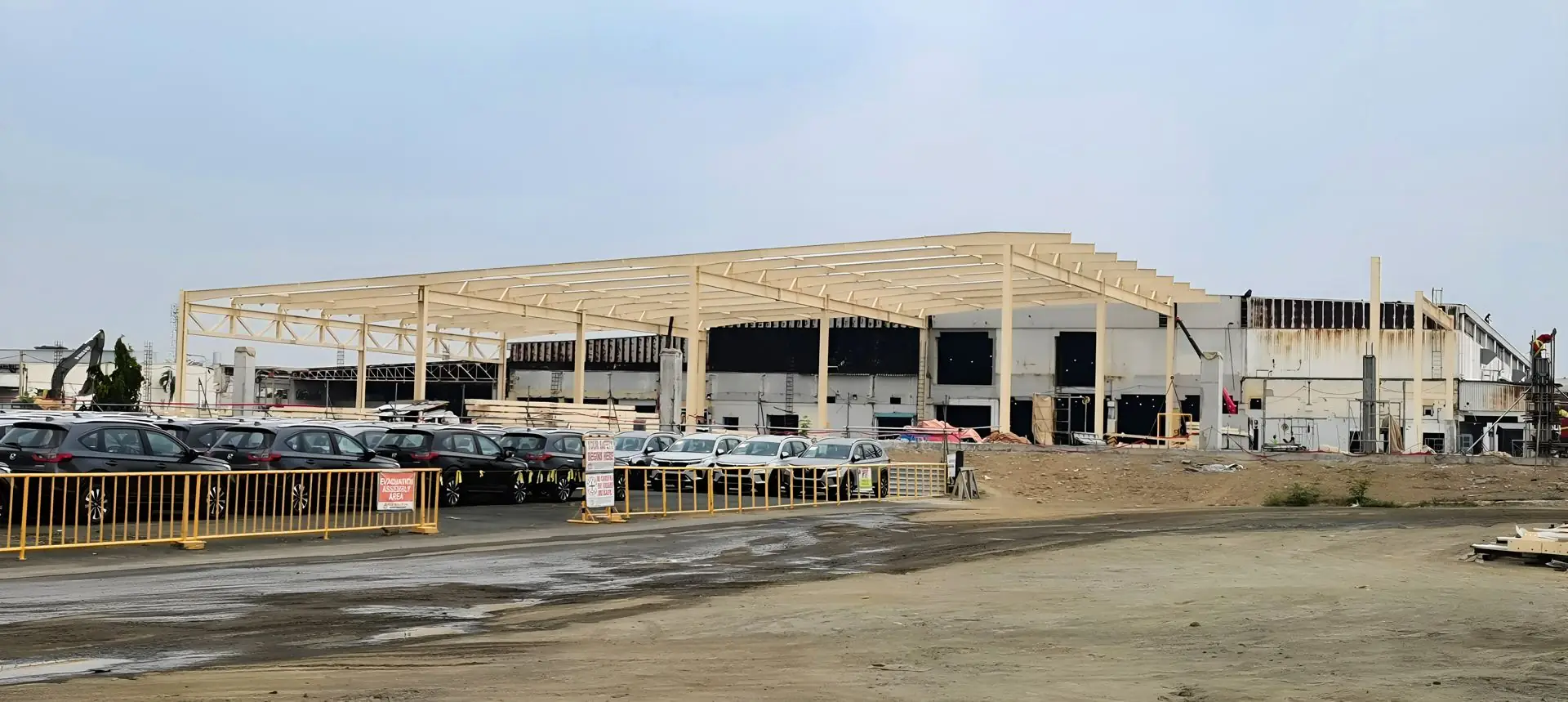
Real photos from World Steel
One plant, building to codes adopted in many places
Photographed in our own plant in Tay Ninh Province, Vietnam, and on World Steel jobs. Not stock images.
State & local codes never works alone
The standards and guides it works with
Each link opens the full page, with its own questions and answers.
Verify locally
Adoptions change frequently. This page explains how adoption works as of the date checked below; what applies to your permit is decided by your building department and Engineer of Record.
Who does what
World Steel designs, fabricates and supplies the steel structure from its own plant in Vietnam. The US contractor, our customer, erects it, has the drawings approved and sealed by their Engineer of Record and pulls the permit.
Details confirmed in quote Edition: Varies by state and jurisdiction; confirmed per project
Source record: https://www.iccsafe.org/advocacy/adoptions-map/
Last checked: November 8, 2026. Editions change on a cycle, so your Engineer of Record confirms which one your jurisdiction enforces.
All US codes & standardsBuilding in a county you have not worked in before?
Send the site address. We find out which code edition and amendments apply, confirm them with your Engineer of Record and design the steel to that basis.