Door maker
Loads, deflection limits and fixing details for the door.
Building package · Aircraft hangar
In a hangar the door decides the frame: the opening sets the span, the door type sets where its load goes, and the roof must clear the tail. World Steel, a structural steel fabricator producing 2,500 t (5.5 million lb) a month in our own plant in Vietnam, designs the header and jambs with your door maker and ships the steel to your US contractor.
Diagram, not to scale. The aircraft and the door maker set the real sizes.
Clear spanFrames or trusses, compared by weight
Door steelDesigned with your door maker
Capacity2,500 t (5.5 million lb) a month
Shop drawingsIncluded at no extra charge
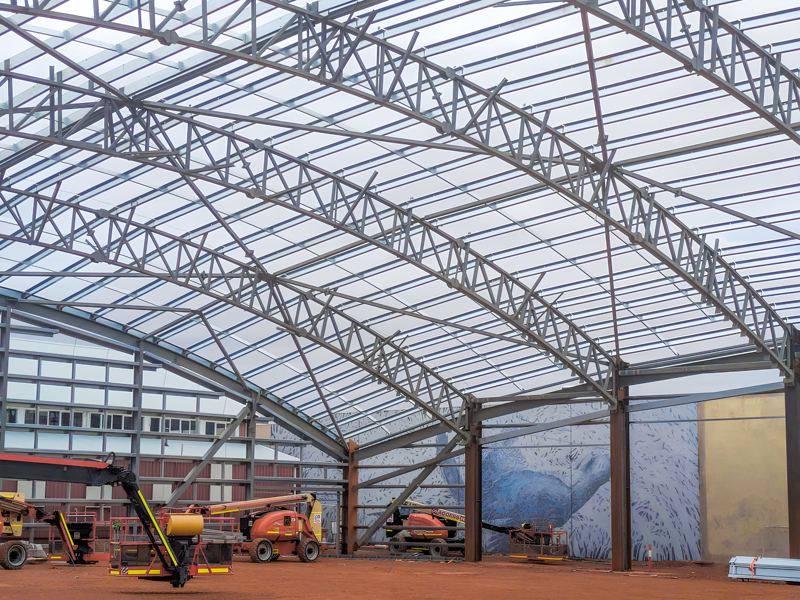 Photo · Long-span trusses
The door decides
Every hangar door puts its weight and wind somewhere different. Choose a door type to see the steel we design around it.
Folds up and hangs from the header.
One panel swings up and out on cylinders.
Panels roll on a floor track and stack aside.
Illustration only. The door maker’s loads and your Engineer of Record decide the real header and jambs. The door itself comes from the door maker.
Start from the aircraft
Send us the largest aircraft you plan to house and the work you will do on it. Each dimension sets a part of the building, and each part sets the frame.
Clearances around the aircraft come from your aviation designer and the fire code; we design the frame to the clear sizes they set.
The hangar ecosystem
A hangar is a team job. Here is who does what, and the pages behind each part.
Loads, deflection limits and fixing details for the door.
Reviews and approves our calculations and drawings.
Foundations, erection, the door track and site work.
Designs the hangar’s fire protection; we coordinate the steel.
FBO, maintenance or corporate flight department.
World Steel
The steel frame
Designed, fabricated and supplied from our plant in Vietnam.
A hangar by World Steel
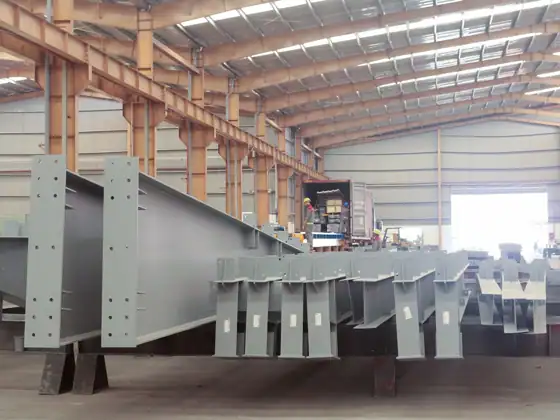
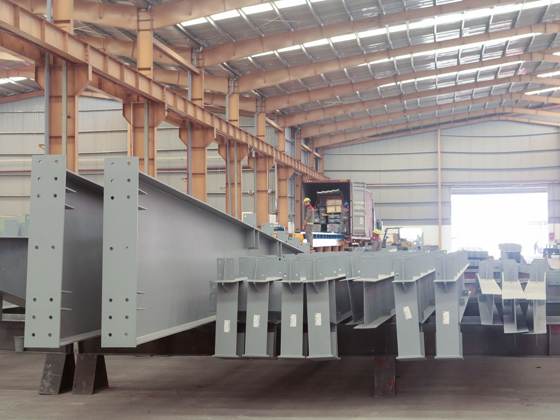
World Steel designed, fabricated and supplied the steel for this aircraft hangar in Thailand in 2018. The girders were welded from plate in our plant and shipped ready to bolt.
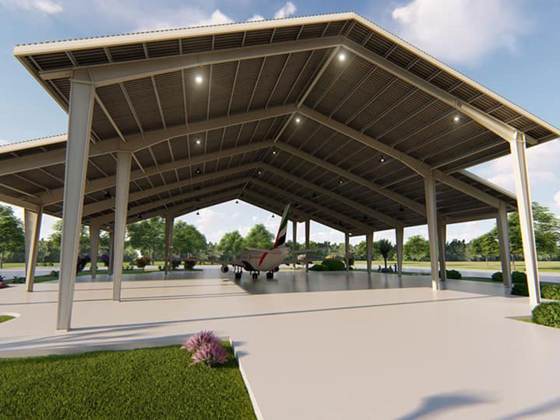 3D model
The hangar, 3D model
 Photo
Girders in our plant
 Photo
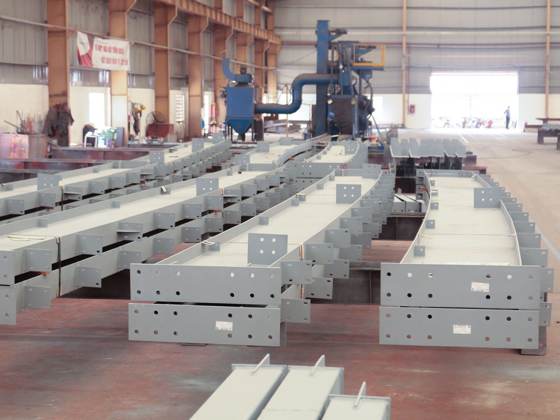
End plates drilled
 Photo
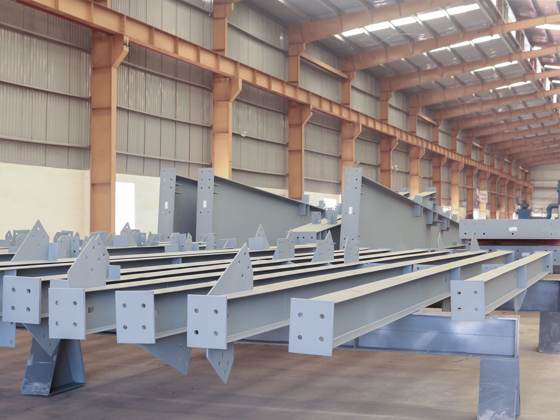
Ready to pack
A project outside the US, shown for the structure type; it is not a US site.
Large projects
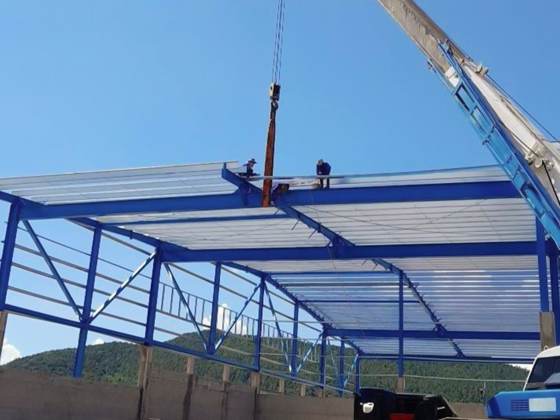
Clear spans of 53 m and 80 m on warehouses, built by the same shop that frames whole complexes: about 5,000 t for one steel mill and more than 56,000 m² (600,000 sq ft) at the Long Son petrochemical complex. A row of hangars fits the same plan.
 Photo
53 m wide, 120 m long
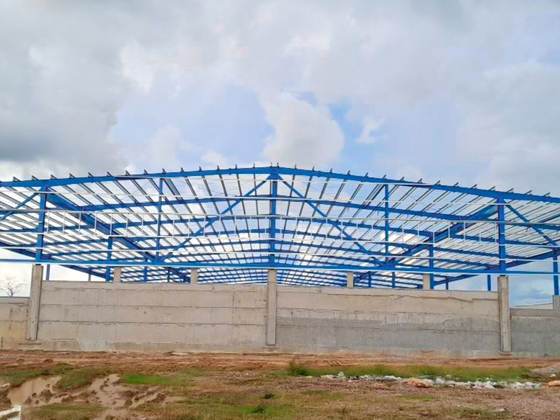 Photo
6,360 m² under one roof
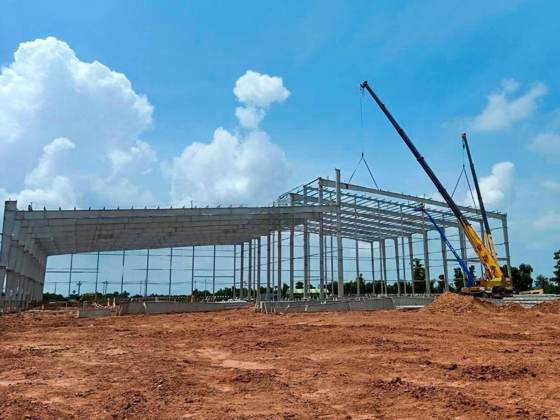 Photo
80 m wide
Projects outside the US, shown for their spans; they are not hangars or US sites.
Fabrication capacity
2,500 metric tons a month
About 2,750 short tons of structural steel fabricated every month in World Steel’s own plant in Vietnam.
Big tonnage does not have to queue behind other work. The plant is sized to take the steel package of a large US job, from heavy frames and built-up girders to multi-story framing, and to ship it to your US port in the order your erector needs it.
Largest jobs delivered: Sunpro Steel 5,000 t · CPV Food 2,500 t · Long Son petrochemical 2,000 t · M&D Thailand 2,000 t →Real World Steel frames
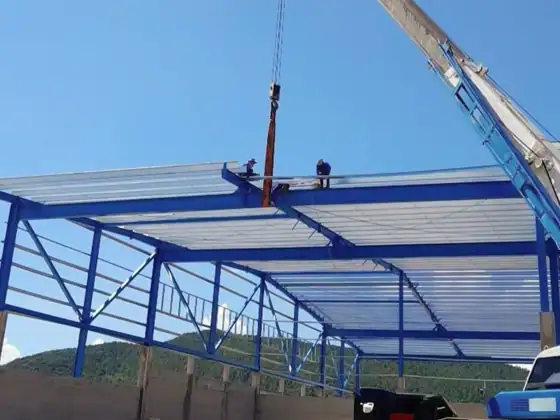
Curved long-span trusses and wide frames by World Steel, before and after the roof goes on. Tap a photo to open it full size.
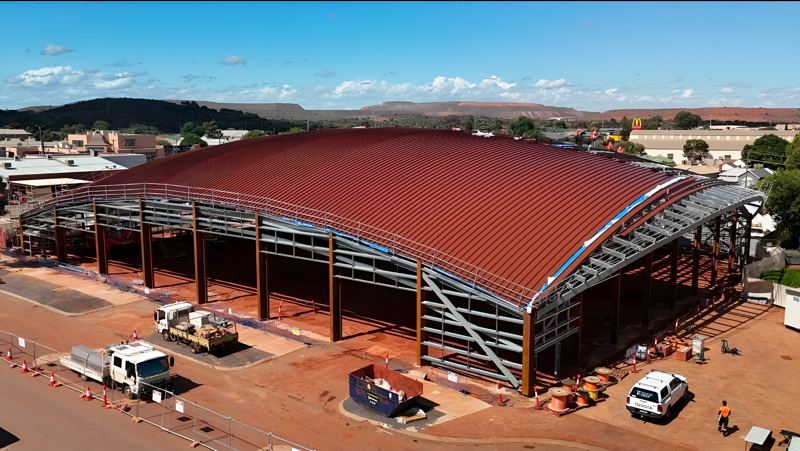 Photo
A curved long-span roof
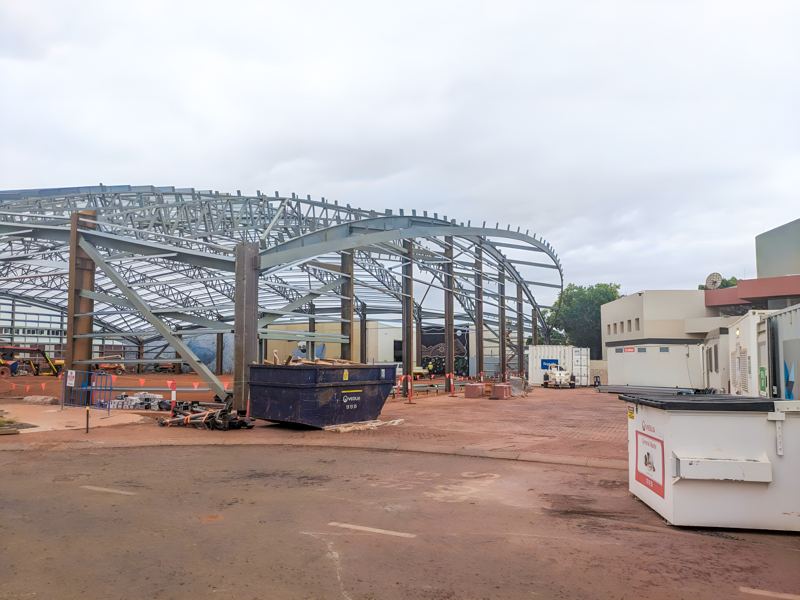 Photo
Trusses before the sheeting
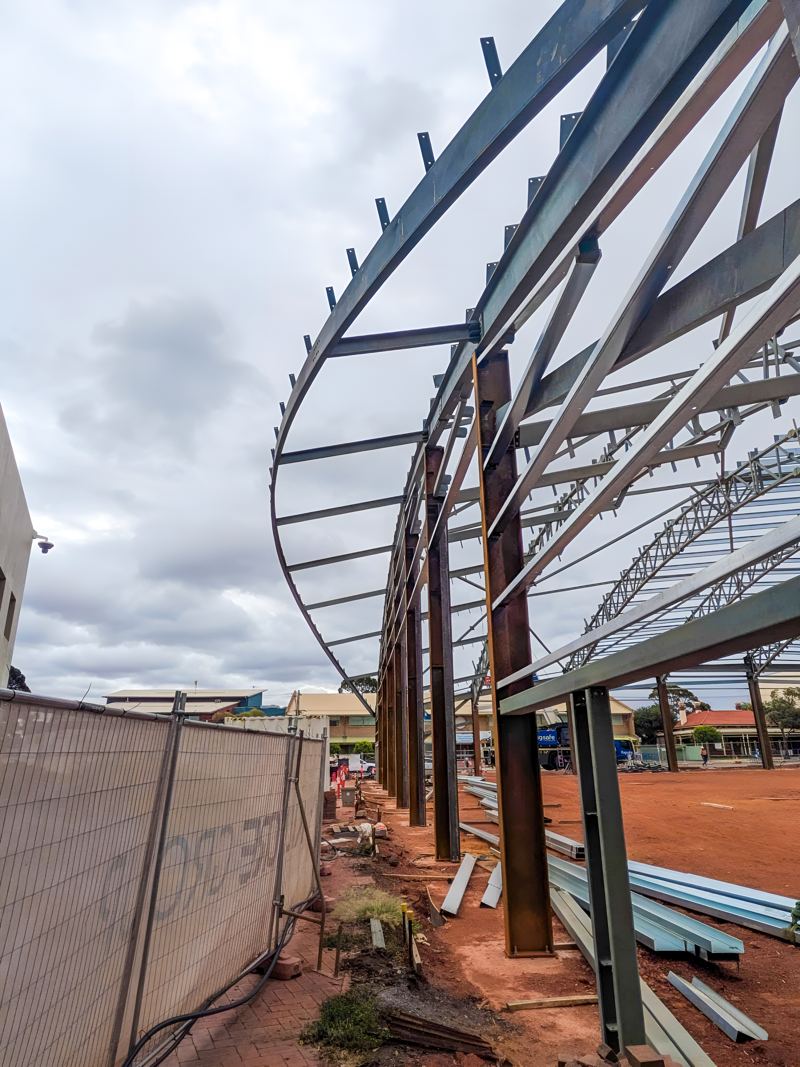 Photo
Where columns meet the arch
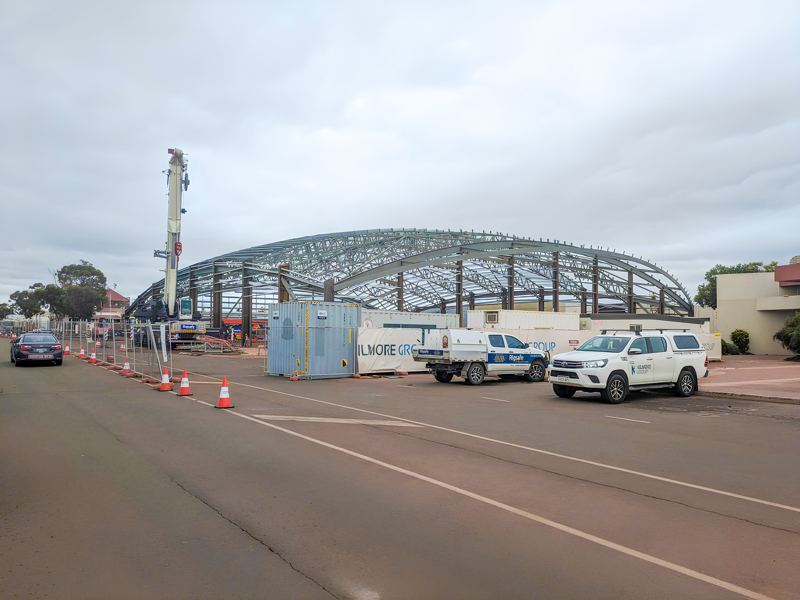 Photo
From the street
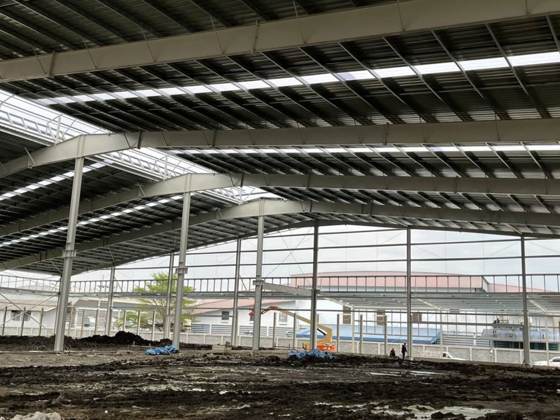 Photo
80 m of clear roof
Projects outside the US, shown for the structure type; they are not US sites.
Projects by World Steel
Buying steel from outside the US
US buyers ask us the same ten questions before they order steel made in Vietnam. Here is what we do about each one, and where you can check it for yourself.
The worry: “Will steel designed overseas pass US plan check?”
We design to the code your jurisdiction enforces: IBC 2024 and ASCE 7-22 by default, AISC 360 and AISC 341 for steel, plus state codes such as the California Building Code. Our calculations and drawings go to your Engineer of Record for review and approval, and the PE seal and permit stay with the US contractor, our customer.
The worry: “I can’t see the quality from across the Pacific.”
Our plant is the first and only fabricator in Vietnam accredited under IAS AC472, with written inspection procedures audited by IAS. Your special inspector or owner’s representative can visit, or inspect remotely over live video, and every QC release is logged with photos.
The worry: “Will the materials be traceable to the grade on the drawings?”
Steel is ordered to the ASTM grades you specify, mainly from mills in Vietnam. Plate and sections are stored by grade and heat number, and you receive EN 10204 type 3.1 mill certificates traced to the members they went into, with Charpy V-notch results when your project asks for them.
The worry: “What if pieces don’t fit when they reach the site?”
Every member is modeled in Tekla Structures and cut only after you approve the shop drawings, which are included at no extra charge. QC checks dimensions, holes and end plates against the drawing before a piece is released.
The worry: “How will I know where my order really is?”
You follow your own members through cutting, welding, coating, QC release, packing and loading in PEB Studio, online, at any hour. No waiting for a weekly email to find out what happened.
The worry: “Ocean freight scares me: damage, missing pieces, a port I don’t know.”
Steel is bundled and tagged in your erection sequence, with a packing list and photos for every container or breakbulk load. The quote names the US port of discharge, and the shipment is planned backward from your site date.
The worry: “Who handles customs and duties?”
Every quote states the Incoterm and who acts as importer of record, so nobody is surprised at the port. Our Section 232 page explains how US import rules apply to fabricated steel, from official sources only.
The worry: “Time zones and language will slow everything down.”
Our engineers and project managers work in English and in US units on request. One project manager owns your job from approval drawings to the last container, and our US office is in Westminster, California.
The worry: “Who erects it, and who stands behind the field work?”
World Steel supplies the steel structure only; we never erect. Our customers are US contractors: erection and field work are their scope, done from our erection drawings and piece marks, with our engineers on call for questions from the field.
The worry: “Who is responsible for the design?”
We put the split in writing: full design by World Steel, or a delegated design such as connections under your Engineer of Record, who keeps overall responsibility. You see exactly what we design and what stays with your team.
What the package contains
Wingspan, tail height and the door type fix a hangar’s dimensions before anything else is drawn. We design the long-span frame and the door header together with the door manufacturer’s reactions, so bi-fold or hydraulic door loads travel straight into the columns. The package suits single box hangars, rows of T-hangars and maintenance bays.
standard = in the base scope · optional = add if you want it · confirm = depends on your design
Talk to an engineer
Our engineers work in English. We design the frame, the header and the jambs with your door maker and send a written scope for the steel.
Covered in our state guides
Asked by hangar owners and contractors
12 answers on doors, spans, large projects and scope.
The door maker you or your contractor choose. We design the header, jambs and any door pockets with the door maker’s loads, deflection limits and fixing details, and show them on our drawings.
A bi-fold door hangs from the header, so the header girder carries its weight and must stay stiff. A hydraulic one-piece door pushes on the jambs. A sliding door runs on a floor track and needs a top guide beam and room to stack. Each puts its load in a different place.
Yes. The frame is checked for wind with the door open and closed, as the code and your Engineer of Record require, so the structure is not relying on a closed door.
That depends on the aircraft, the loads and the roof shape. We compare clear-span frames and trusses by steel weight in the proposal and send the option that suits your site.
Yes. Lighting, fire protection piping and maintenance gear hung from the roof are designed into the frame once their weights and positions are known.
Yes. Our plant in Vietnam fabricates 2,500 t (5.5 million lb) of structural steel a month. A row of hangars shares one design and one set of details, and each building is packed and shipped in order, with production slots confirmed in the quote.
Your aviation designer and the fire code set the clearances at the wingtips, tail and nose. We take the clear width, depth and door height that result and design the frame to them.
Yes. Bridge cranes or monorails for engine and component work are designed into the frame with their wheel loads, the same way we design crane bays for manufacturing plants.
Yes, if the largest aircraft you expect is planned now. Sizing the door opening and the clear span for it at the start is simpler than rebuilding the door wall later.
IBC 2024, ASCE 7-22 and AISC 360 by default, or your jurisdiction’s edition. Fire protection for hangars is designed by its own specialist, usually to NFPA 409; we coordinate the steel with it. The PE seal and the permit belong to the US contractor, our customer, and their engineer. World Steel designs and fabricates; it does not seal drawings.
No. World Steel designs, fabricates and supplies the steel structure. Foundations, the door track, erection, door installation and site work are the scope of the US contractor, our customer, and the door maker.
No. Send the aircraft, the door type, the size and the site address and we return a written scope and quotation.
Keep reading
Send the aircraft, the door type, the size and the site address. We design the frame around the door with your door maker and send a written scope for the steel, made in our plant in Vietnam.