
- JanJ
- FebF
- MarM
- AprA
- MayM
- JunJ
- JulJ
- AugA
- SepS
- OctO
- NovN
- DecD
Atlantic season June 1 to November 30; the hatched months are when most hurricanes form.
From the shoreline in
Three sets of coastal rules, each stricter than the last
Your address decides which apply. Your Engineer of Record checks the site against the edition your jurisdiction has adopted, and we design to that.
- Hurricane-prone region
Atlantic and Gulf coasts where the mapped basic wind speed passes the ASCE 7 threshold, plus Hawaii, Puerto Rico, Guam and the US Virgin Islands. Higher design wind, and the enclosure assumptions matter more.
- Wind-borne debris region
The band closest to the water, or wherever mapped wind speed is highest. Glazing in the lower part of the building needs impact-rated units or tested protection.
- Florida High-Velocity Hurricane Zone
Miami-Dade and Broward counties. Product approvals, testing and inspection are the strictest in the country, and the approvals belong to each product's manufacturer.
Lessons written into code
What a generation of storms taught coastal builders
-
1992
Hurricane Andrew
South of Miami, the wreckage showed how far real construction had drifted from the codes on paper. Florida answered with one statewide building code and tougher testing for windows, doors and roofing.
-
2005
Hurricane Katrina
Along the Gulf, wind and surge together. Coastal codes and insurers have pushed harder on wind and flood details ever since.
-
2022
Hurricane Ian
Southwest Florida again showed where buildings fail first: roof edges, overhead doors, unprotected glass and loose trims.
Damage surveys after each storm point to the same places: roof edges and corners, overhead doors, unprotected glass, loose trims and thinly fastened panels, and later the connections that rusted. Properly designed steel frames tend to survive. Resilience money belongs in the details, and those details belong on our drawings rather than being left to whoever is on site.
Design through year ten
Storm readiness over the life of the building
Six moments where a coastal building is made stronger or weaker, from the first criteria letter to each June.
-
Design
Fix the criteria
Risk category, site wind speed, exposure, enclosure and debris-region status, confirmed in writing with your Engineer of Record.
-
Design
Plan the openings
Inside a debris region, glazing needs impact-rated units or tested shutters, and overhead doors need a rating for the design pressure. Those products and their approvals come from their manufacturers.
-
Design
Stop the peel
Trims at eaves, rakes and ridge, plus corner-zone screws, are designed to prevent the edge failures where most roof losses begin.
-
Erection
Build with the season in mind
Frames are braced early in the sequence, temporary bracing is added where needed and loose sheets are tied down every evening.
-
Handover
Leave a clear record
The closeout set shows where the bracing, screw zones and rated doors are, so a later renovation does not undo them by accident.
-
Every year
Inspect before June 1
Before the season and after each storm, check screws, trims, doors, drains and bracing, and log what you find.
While it goes up
The riskiest moment is a half-built frame
A finished building is designed for the storm. A frame halfway up is not, so the erection plan carries the load until the envelope is closed.
First bay braced
The first braced bay is set, plumbed and tied off before more frames go up, so each shift ends with a stable structure.
Strap the laydown
Every sheet bundle and loose member in the yard gets strapped; one bundle lost in a gust means waiting for replacement steel.
Follow the sequence
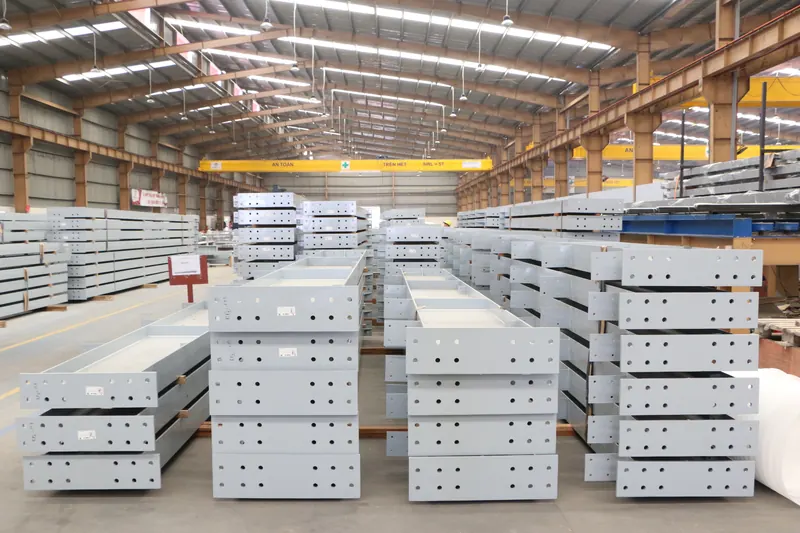
Packing order matches the erection drawings, so the crew can close in a stable section fast.
Agree a storm plan
Your erector's plan says what happens when a hurricane watch is issued: cranes down, extra temporary bracing in, loose material secured.
Proven at scale
Jobs from 1,000 to 5,000 t, from a 2,500 t/month plant
World Steel fabricates 2,500 metric tons (about 2,750 short tons) of structural steel a month in its own IAS AC472-accredited plant in Vietnam, so a large US package is a normal month, not a stretch.
-
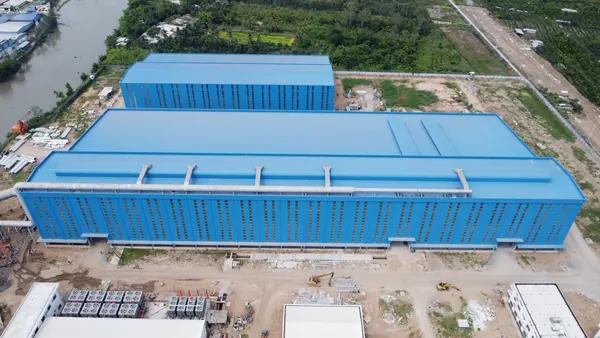 5,000 t
Sunpro Steel Factory
Steel industry · about 5,500 short tons
-
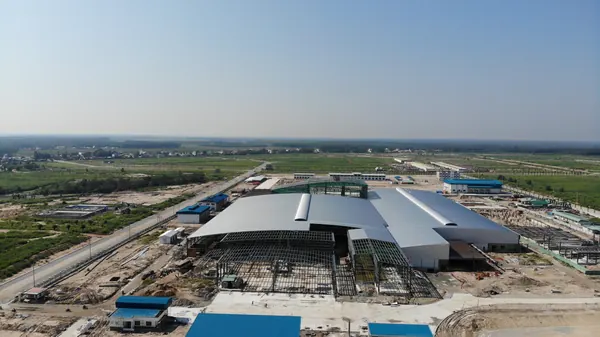 2,500 t
CPV Food Processing Factory
Food processing · about 2,750 short tons
-
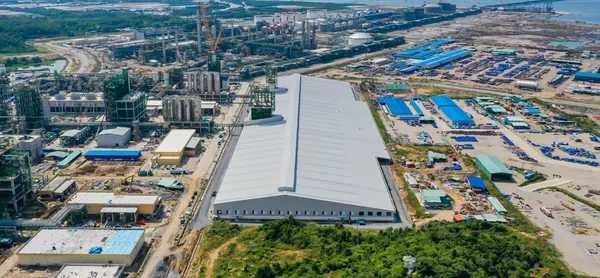 2,000 t
Long Son petrochemical complex
Oil and gas · about 2,200 short tons
-
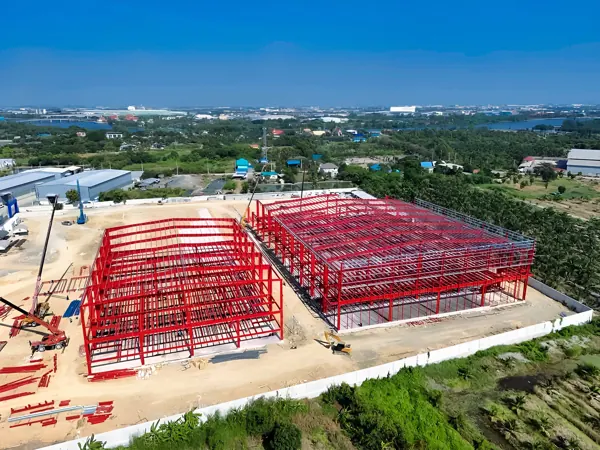 2,000 t
M&D (MD Factory)
Warehouse and industrial · about 2,200 short tons
-
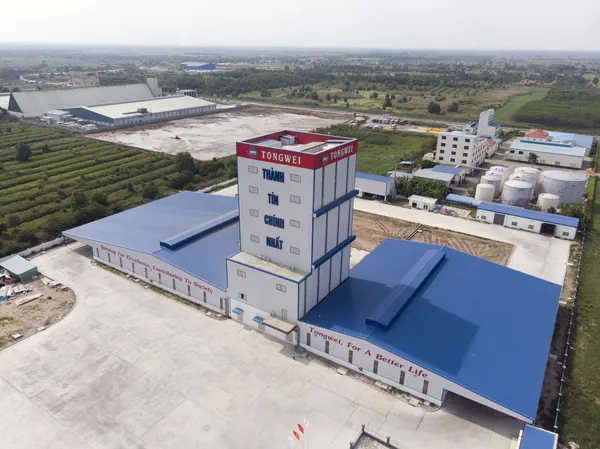 1,500 t
Tongwei Tien Giang feed factory, phase 1
Animal feed · about 1,650 short tons
-
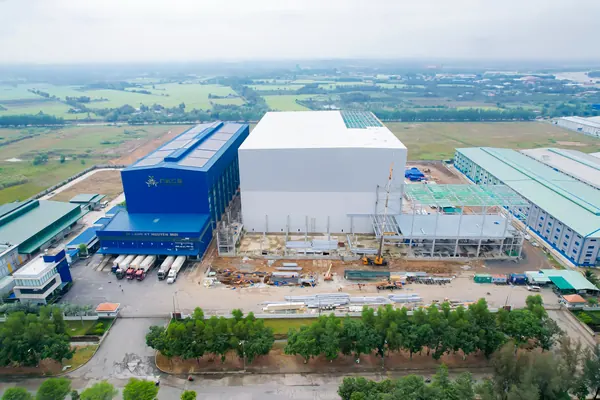 1,000 t
New Era cold storage
Cold storage, phase 1 tonnage · about 1,100 short tons
Our plant and our steel
Fabricated, coated and packed in our own plant
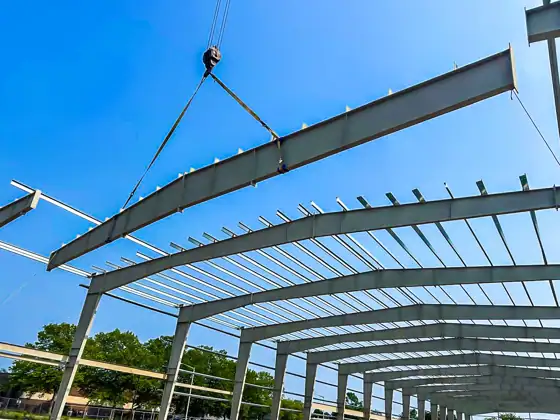
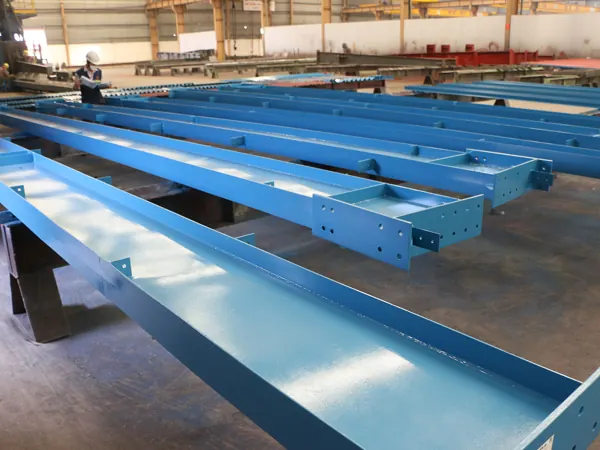
Real photos of World Steel frames and of steel leaving the plant, packed in erection order.
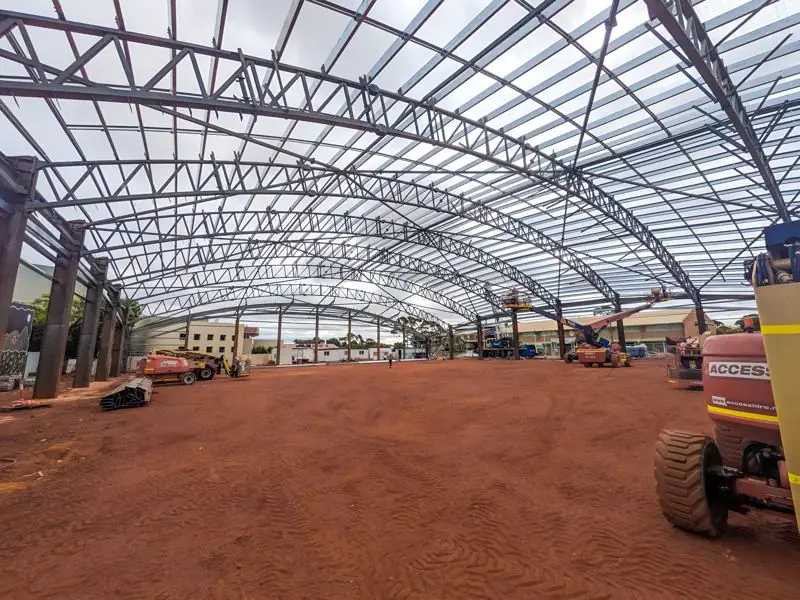
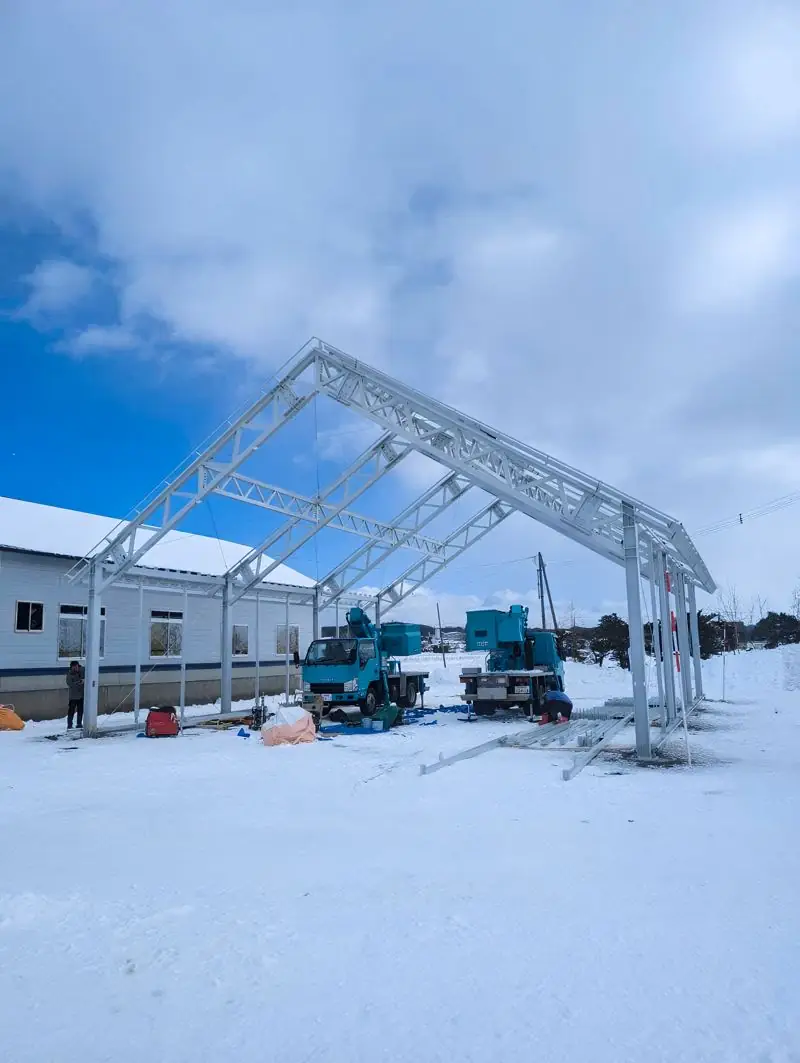
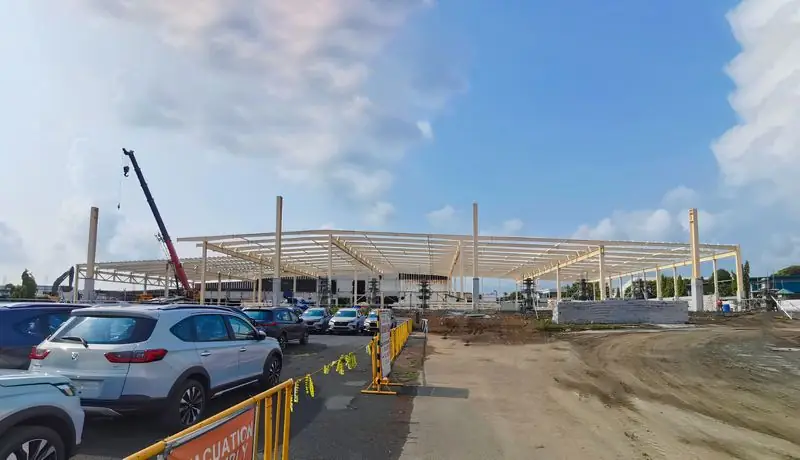
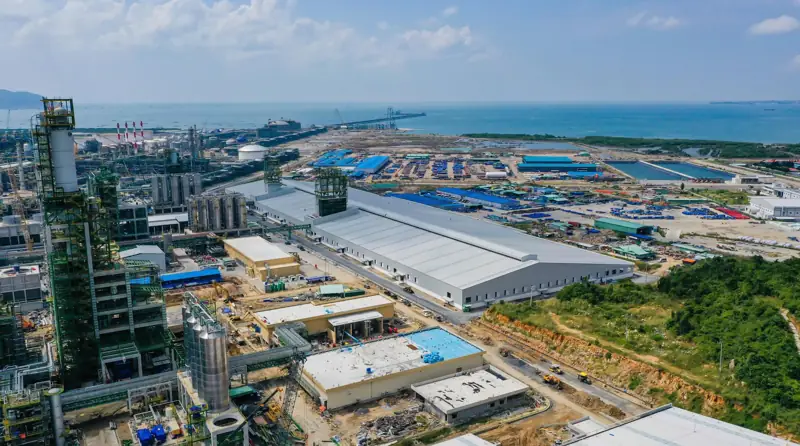
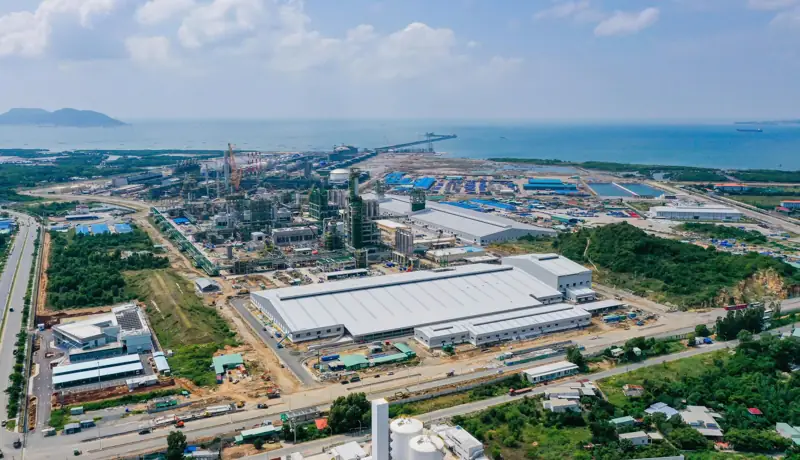
World Steel buildings standing in the United States
Asked by US project teams
Hurricane coast questions
11 answers from our engineers, grouped by topic.
Which rules apply to my site 4 answers
How do I know if my site is in a wind-borne debris region?
ASCE 7 draws debris regions inside the hurricane-prone region based on mapped wind speed and distance from the shore. Your Engineer of Record checks the site against the code edition your jurisdiction has adopted.
What is different in Miami-Dade and Broward counties?
They make up the Florida Building Code's High-Velocity Hurricane Zone, with tighter product approval, testing and inspection. Doors, windows and roofing need the approvals that zone requires, obtained by their manufacturers.
Does the hurricane coast stop at Florida and the Gulf?
No. The hurricane-prone region runs up the Atlantic seaboard through the Carolinas, the Mid-Atlantic and into New England, and it also covers Hawaii and the US territories. How strict the rules are depends on the mapped wind speed at your coordinates.
Does the steel package address flood requirements?
Flood design under ASCE 24 and local floodplain rules is set by your design team. We work to the design flood elevation they give us for base plates, door heights and anything they ask us to raise or harden.
Openings and envelope 3 answers
Do we need impact-rated glass everywhere?
Inside a wind-borne debris region, glazed openings need impact-resistant units or tested protection such as shutters, under the rules your code edition sets. Outside that region, standard rated units may be enough. Your design team decides; the products come with their manufacturers' approvals.
Why do overhead doors matter so much on the coast?
A large door that fails lets wind pressurize the inside of the building and lift the roof from below. We design the framed opening for a door rated to the design pressure, and the door itself comes with its manufacturer's rating.
What makes a metal roof edge stronger?
Tighter screw spacing in edge and corner zones, trims fastened for the same pressure as the panels, and continuous closures. These are shown zone by zone on our erection drawings so the crew does not have to guess.
Building in storm season 4 answers
Can we erect between June and November?
Yes, with a plan. Most coastal jobs do. The frame is braced early in the sequence, loose material is strapped and the erector has a written procedure for a hurricane watch. Our packing in erection order helps the crew close in fast.
Who is responsible for temporary bracing during erection?
Your erector, under their erection plan. Our drawings show the permanent bracing and the sequence the steel was packed in; temporary bracing and site safety are the US contractor's scope.
Does World Steel have a Florida product approval or a Miami-Dade NOA?
No. We design and fabricate the steel structure to the criteria your Engineer of Record approves. Product approvals belong to the manufacturers of doors, windows and roofing products, and the permit belongs to the US contractor, our customer.
Can you supply a large distribution center on the Gulf Coast?
Yes. Our plant fabricates 2,500 metric tons of structural steel a month, and we ship large jobs in erection-sequence loads so the first bays can be closed in early in the season.
Keep reading
Related engineering guides
Each one goes deeper on a part of the design this page touches.
- Florida steel solutions
- High-wind steel buildings
- Lifecycle maintenance
- Doors & openings
- Packing in erection order
- Site Durability Advisor
All eight US site-condition guides, the standards we design to and the IAS AC472 program are on the engineering & standards hub.
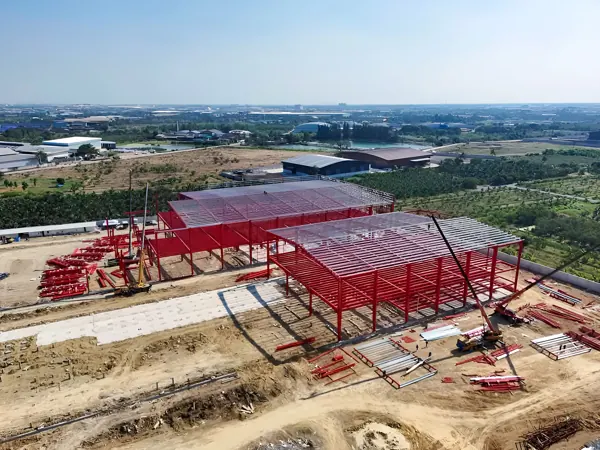
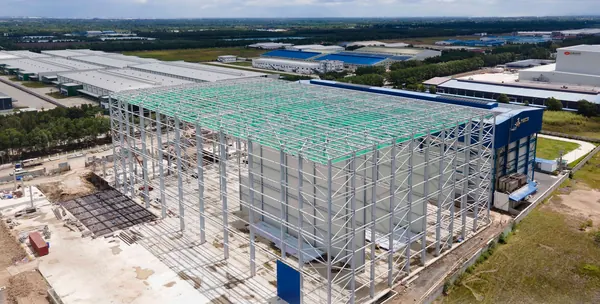
Proof at scale
 Photo
 Photo
Get an engineer’s eyes on your US building
Share drawings, a sketch or the footprint and site address. We agree the design criteria with your Engineer of Record, then send a written scope and the list of submittals, from a plant that fabricates 2,500 metric tons of structural steel a month.