Match the system to the area
Typical protection by plant area
| Area | Exposure | Common choice |
|---|---|---|
| Conveyor galleries and trestles | Outdoor weather, dust, freeze-thaw | Hot-dip galvanizing |
| Flotation, leach and wet process areas | Constant moisture, acidic or chemical splash | Duplex system or high-build epoxy over zinc-rich primer |
| Stockpile covers | Corrosive dust and condensation | Galvanizing or duplex system |
| Potash, trona and salt handling | Chlorides and hygroscopic dust | Duplex system with sealed details |
| Dry buildings and truck shops | Indoor, mostly dry | Zinc-rich or shop primer and finish coat |
Done in the shop
Why shop protection beats field painting
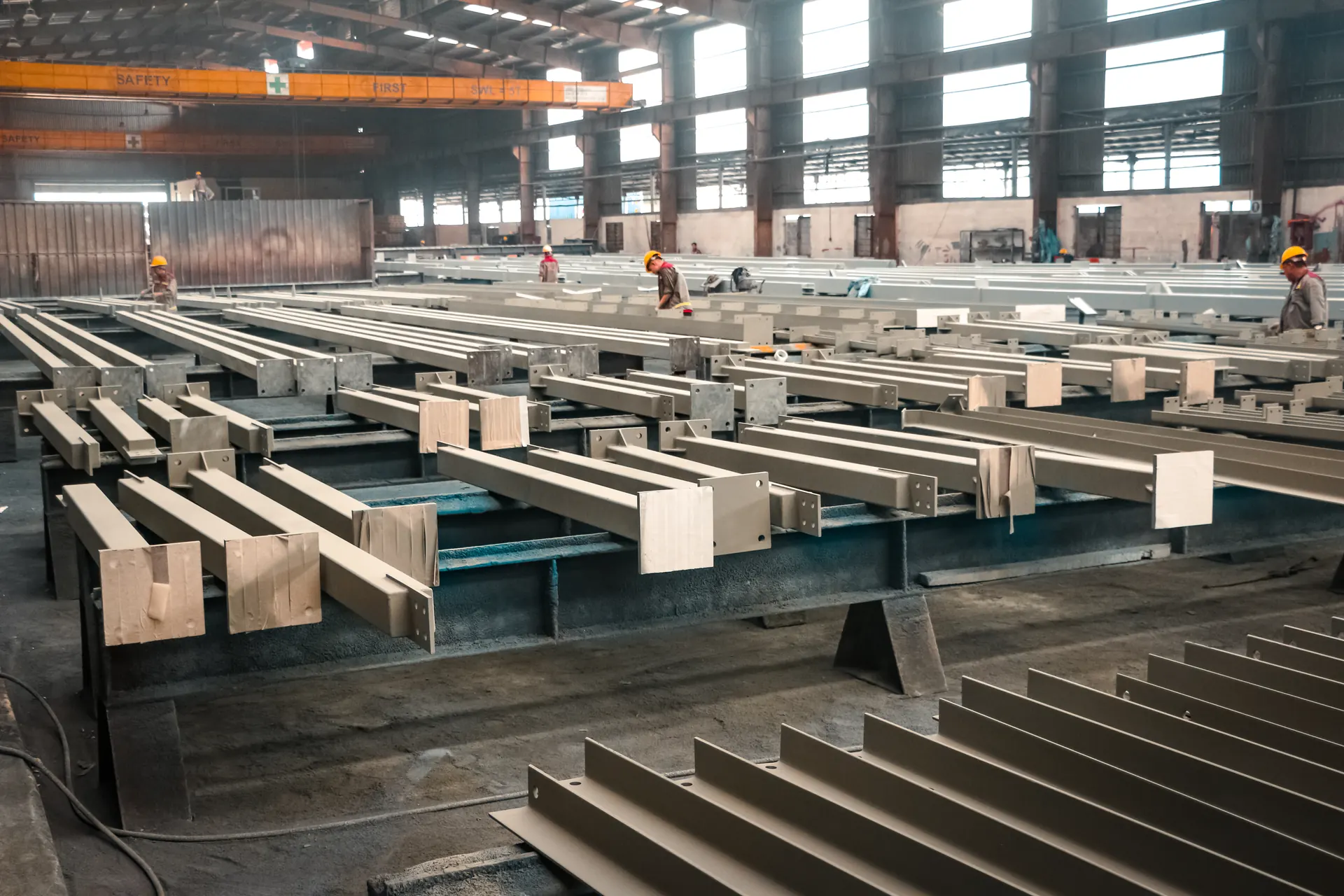
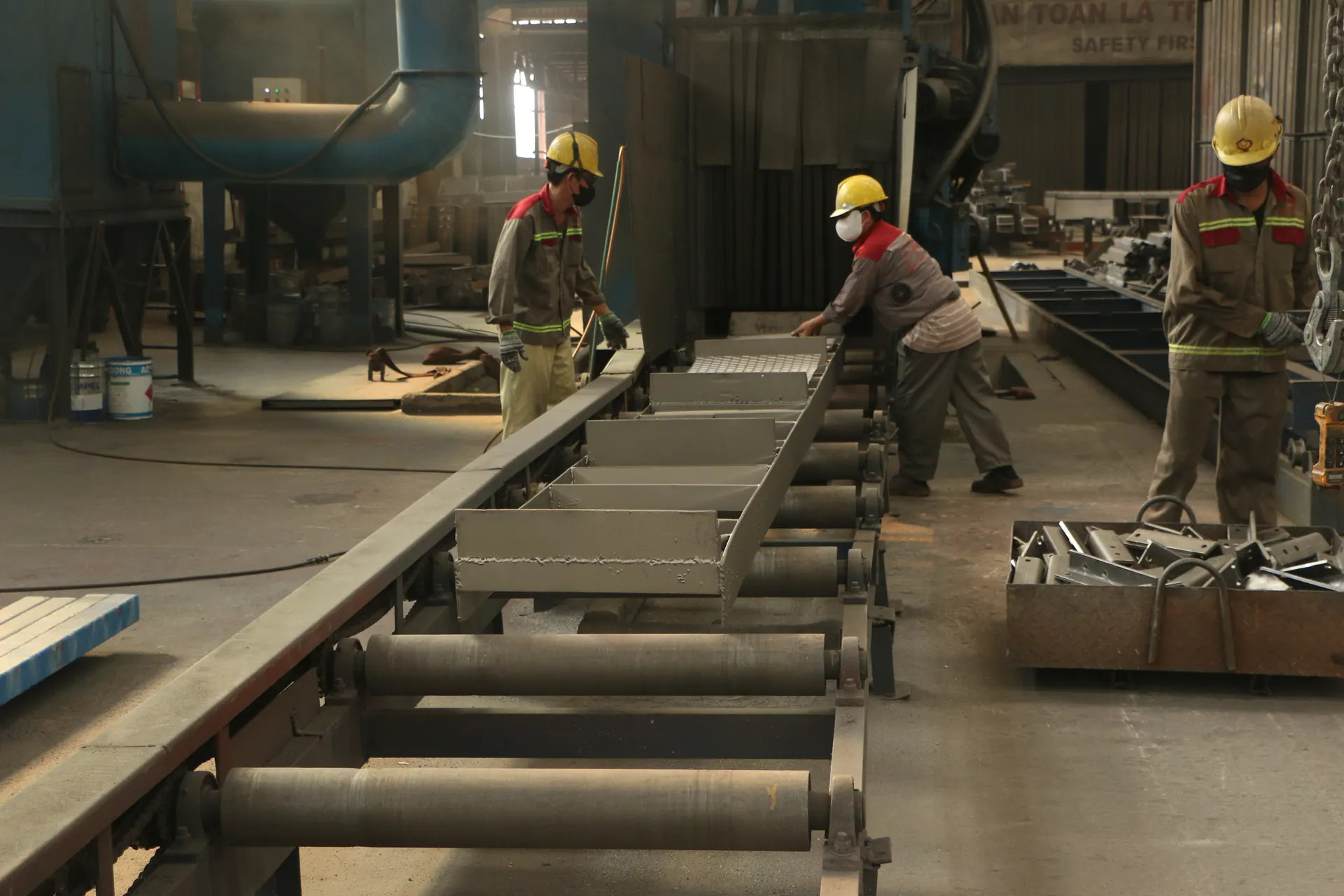
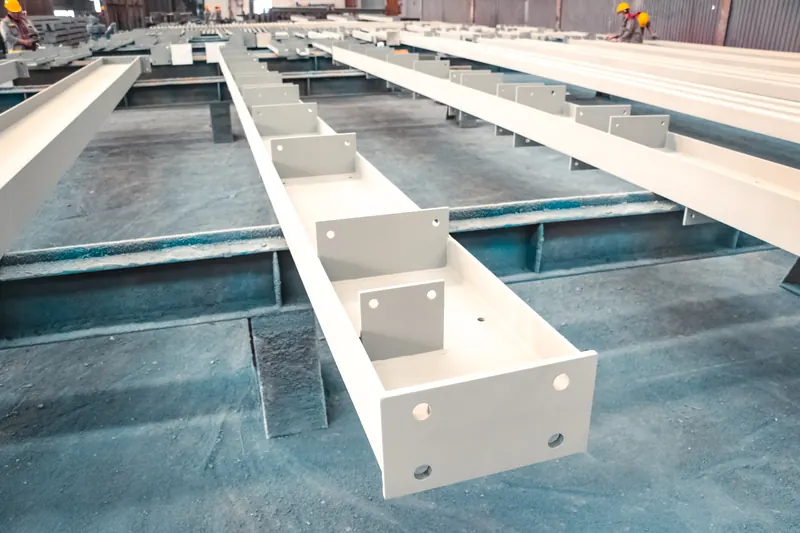
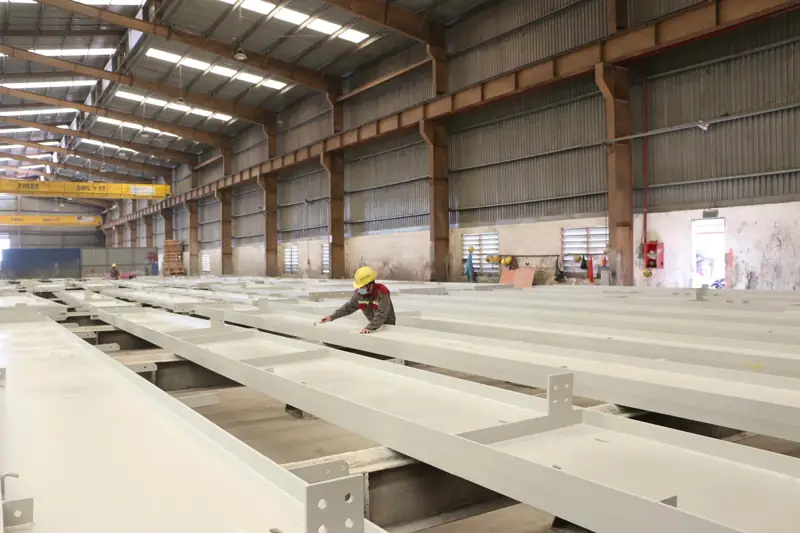
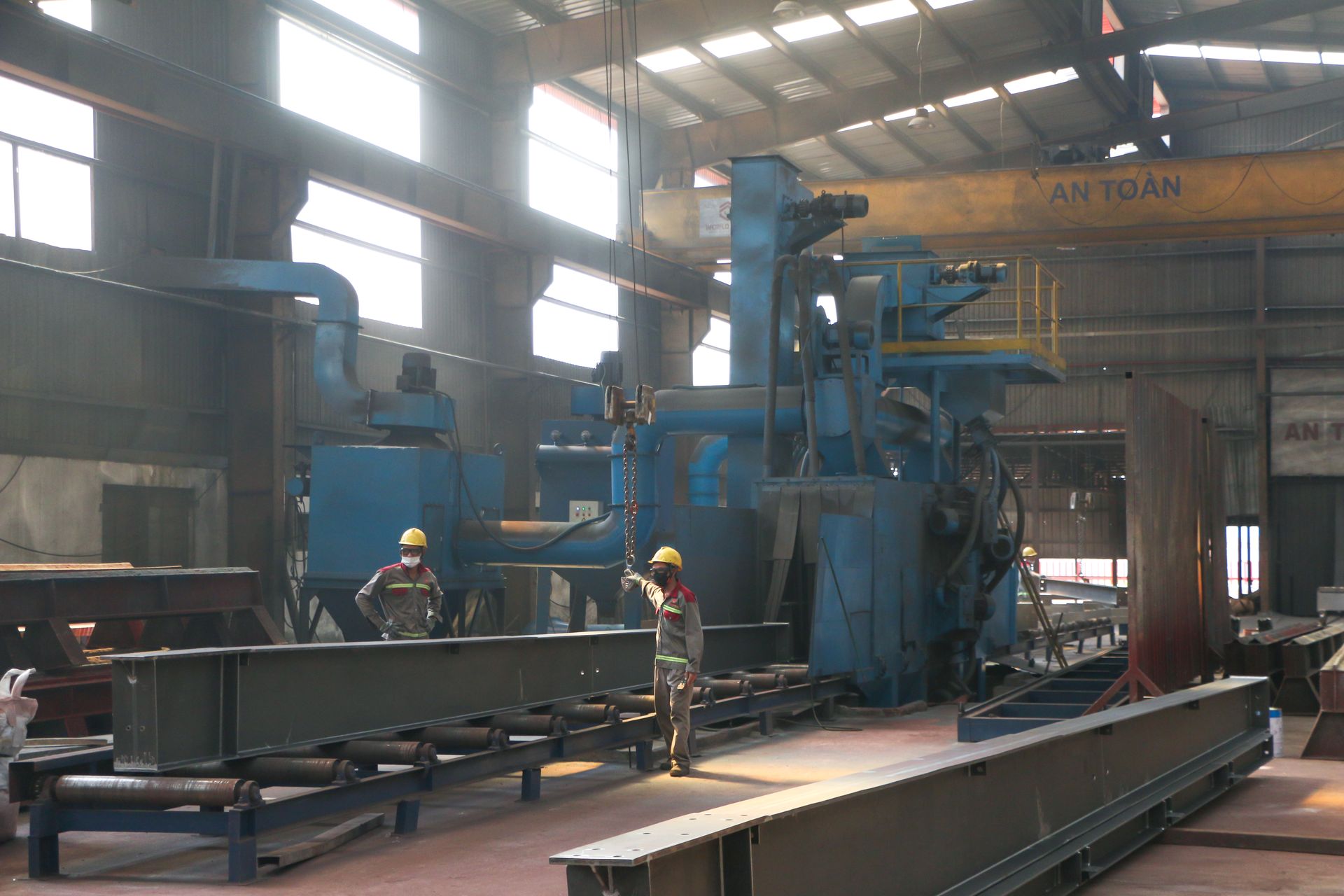
Coatings last when the surface is clean and the film is the right thickness. In our plant, members run through a shot-blasting machine to the surface preparation the specification calls for, such as SSPC-SP 10 near-white blast, and are coated in a covered paint hall under controlled conditions. Dry film thickness is measured and recorded for each lot.
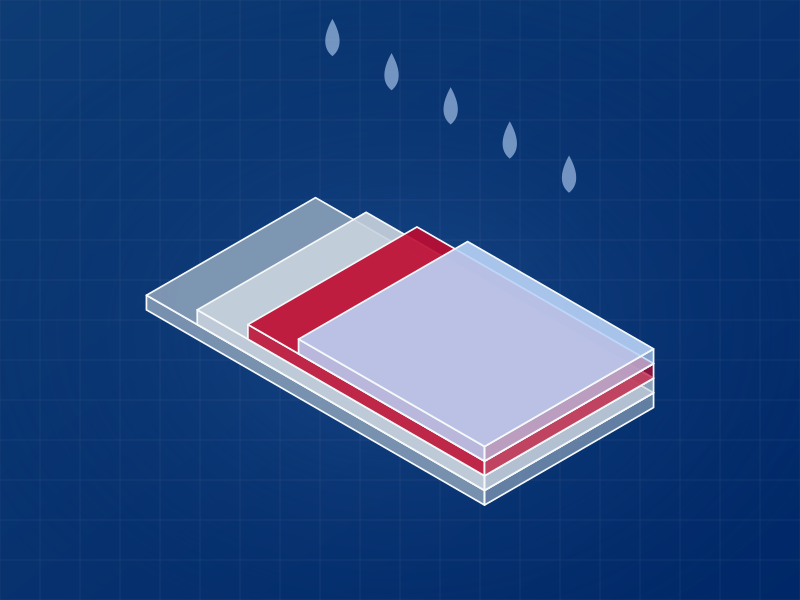
Galvanized steel is hot-dip galvanized to ASTM A123, with bolts and small parts to ASTM A153. Duplex systems put a paint system over the zinc for the harshest areas. Owners often state exposure using ISO 12944 corrosivity categories; we work to whichever basis your specification uses.
Abrasion is handled by design as much as by coating: wear liners in chutes and pockets, kick plates and spill guards on walkways, and details that shed spillage instead of collecting it.
Details that help coatings last
Designing steel that stays protected
No water traps
Drain holes, sloped tops and open sections where water and dust would collect.
Sealed connections
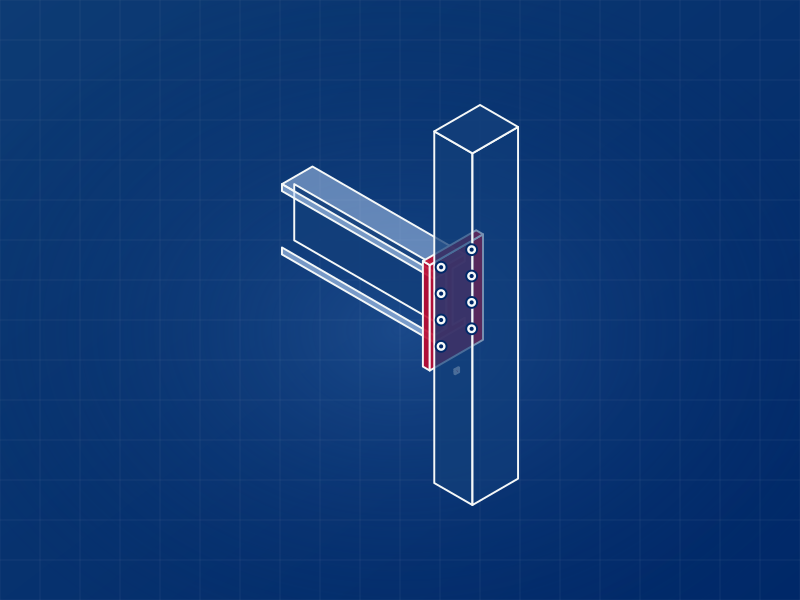
Seal-welded or coated faying surfaces and corrosion-resistant fasteners in wet areas.
Galvanizing-ready
Vent and drain holes, and member sizes that fit the galvanizing kettle.
Touch-up planned
Field touch-up materials and a maintenance plan for the coating system.