
Arizona · Extreme heat
Steel buildings designed for the Arizona sun
Phoenix regularly passes 43 °C (110 °F) in summer, and a dark metal roof in full sun runs far hotter than the air. Long steel roofs grow and shrink every day, coatings see years of UV in a short time, and the cooling bill outweighs most other operating costs. Heat is a design input for the envelope and its details, decided with the frame.
Made in World Steel’s own plant in Vietnam, the first and only fabricator in Vietnam accredited under IAS AC472, and delivered to your Arizona site through the Southern California ports.
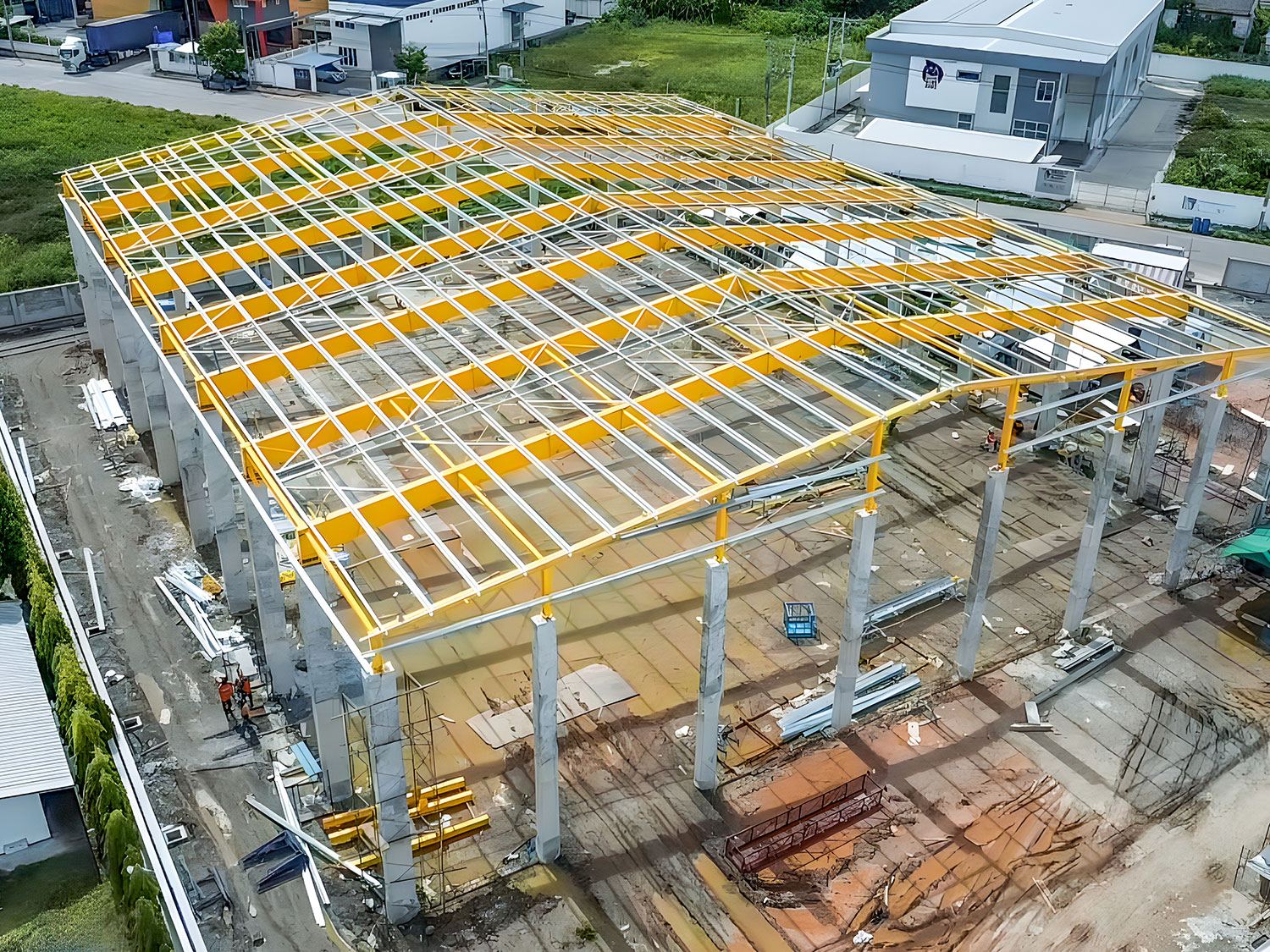
- Climate
- Hot desert, intense sun, large daily swings
- Movement
- Expansion on long roofs and walls
- Envelope
- Reflective roofs and insulated panels
- Our part
- Details and coatings set at design stage
Why it matters
A roof that moves every day
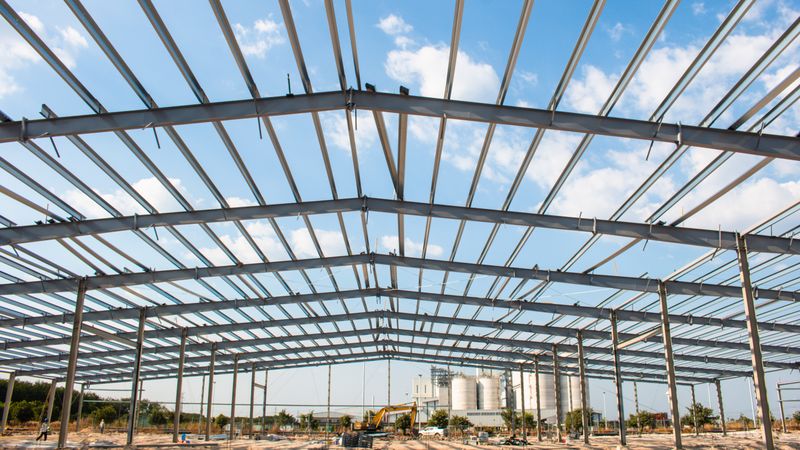
Steel expands about 1.2 mm per meter for every 100 °C of temperature change. On a 150 m (490 ft) warehouse roof, the daily swing between a cool desert night and a sun-baked afternoon moves the sheets and purlins by centimeters. If the panels, clips and frame cannot accommodate it, fasteners elongate their holes, seams leak and trims buckle.
The cure is in the details: standing seam roofs on sliding clips, expansion joints in long buildings, slotted connections where the engineer calls for them, and trims that let the panels move. Your Engineer of Record sets the design temperature range; we detail the steel and the envelope to it.
What we design and fabricate
Heat-ready steel and envelope
Standing seam on sliding clips
Roof panels that float over the purlins, so long runs move without tearing fasteners.
Expansion joints
Joints in the frame and envelope placed where the building length calls for them.
Reflective roof finishes
Light, high-reflectance roof colors that keep the surface cooler and help the energy code.
Insulated panels
Foam-core roof and wall panels for continuous insulation in one layer.
UV-stable topcoats
Polyurethane finish coats for exposed steel where the specification calls for color and gloss retention.
Ventilation openings
Ridge ventilators and louvers framed into the steel for buildings that are not fully conditioned.
Typical choices
Envelope options by building use
Final choices follow your specification, the energy code your jurisdiction enforces and the building’s use.
| Building use | Typical roof | Typical walls |
|---|---|---|
| Conditioned warehouse or plant | Standing seam with insulation, or insulated roof panels | Insulated metal panels |
| Unconditioned storage | Reflective standing seam or through-fastened roof | Single-skin panels with ventilation |
| Cold storage | Insulated roof panels with vapor control | Insulated metal panels, sealed joints |
| Data hall or clean support building | Insulated roof panels, reinforced for roof equipment | Insulated metal panels with thermal breaks |
What we do not claim
We publish no design temperature, insulation value or energy saving for a site. The temperature range for thermal design comes from your Engineer of Record and the energy compliance path from your energy consultant and building official.
Arizona ecosystem
Products and solutions behind this guide
The World Steel products, systems and services this guide relies on, made in our plant in Vietnam.
Open call · Arizona contractors
Arizona contractors: let’s win the next project together
If your next bid involves extreme heat, World Steel wants to be your long-term, win-win steel partner in Arizona. You win the job and build it; we design, fabricate and supply the structural steel from our own plant in Vietnam.
Real World Steel photos
World Steel at work
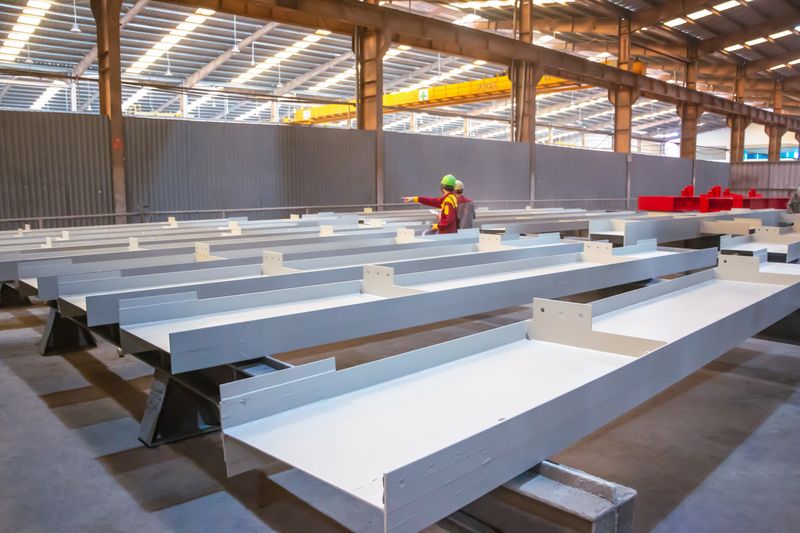
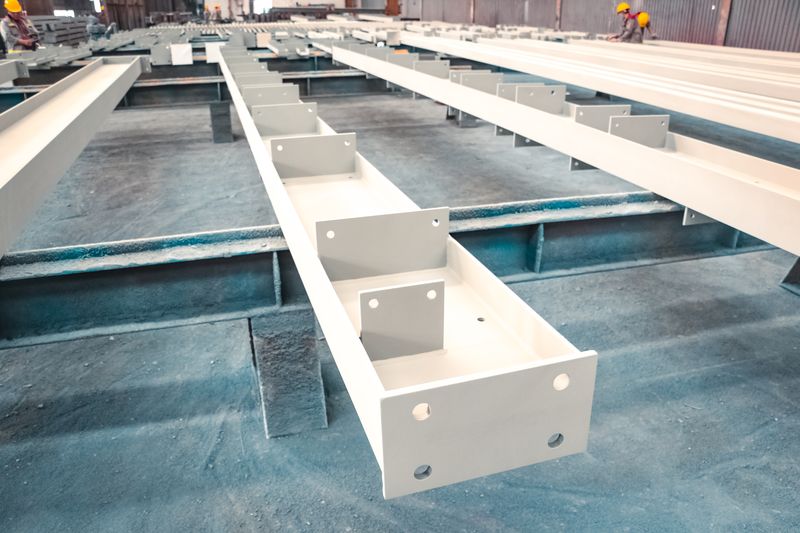
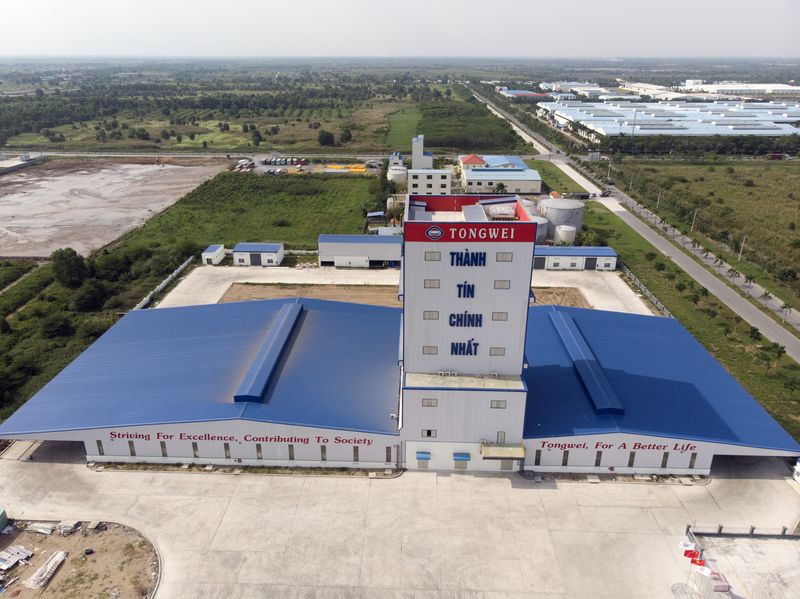
Real photos from our plant in Vietnam, where the steel for your Arizona project is cut, welded, inspected and packed.
Q&A
What Arizona buyers ask
Do long Arizona buildings need expansion joints?
Often, yes. Where they go depends on the building length, the frame system and the temperature range your Engineer of Record sets. We show them on the drawings and detail the envelope to move with them.
Which roof color is best in the desert?
Light, high-reflectance colors keep the roof surface much cooler than dark ones and can help the energy code compliance path. Your architect picks the color; we supply the panel system.
Does heat damage the steel frame?
Desert air temperatures do not weaken structural steel. Heat matters for movement, coatings and the envelope, which is where we focus the details.
Official sources: National Weather Service Phoenix: climate data
Arizona solutions
Every Arizona guide
Related pages
Code facts on this page summarize Arizona practice, the International Building Code, ASCE 7 and related standards for US buyers. They are not legal or engineering advice; your Engineer of Record and building official confirm the edition and local amendments in force for your permit.
Building in Arizona?
Send the drawings or the site address, size and use. We set the Arizona design basis with your Engineer of Record, design or detail the steel and quote it made in our plant in Vietnam, packed in erection order for the haul to your site.