Every data center redundancy diagram ends at the same place: the standby generator. Chapter 25 of the Data Center Handbook edited by Hwaiyu Geng (2nd edition, Wiley, 2021), on electrical design, explains why. A redundant utility connection can help, but in a high-voltage blackout both feeds can be lost at once, so for long interruptions the common solution is standby generators with fuel storage, a programmable logic controller for start and stop sequences, and automatic transfer switches. Chapter 37, on disasters, then shows how generator systems actually behaved in Superstorm Sandy and the 2011 Japan earthquake. Read together, they make the data center generator yard one of the most important structures on the site. This article covers what the yard must survive and the steel that holds it together.
What the disasters showed
Chapter 37's lessons are specific:
- In Japan in 2011, fuel stocks for emergency power lasted only one or two days, generators had been designed for short runs, and diesel deliveries stopped because roads were not repaired quickly.
- During Sandy, about two thirds of gas stations in metropolitan New York had no fuel for sale, and fuel tanks in flooded basements could float off their foundations and break their connections.
- The handbook's Sandy checklist calls for at least 12 hours of on-site fuel as a minimum, planning for 48, 96 or 144 hours, multiple fuel contracts with suppliers in different locations, regular generator runs of six to eight hours, pull-the-plug tests with generators running for about ten hours, and topping off tanks before a storm.
Longer runtime means more fuel on site, larger tanks or day tanks, and more space and support in the yard. Our article on disaster recovery lessons covers the operational side.
Redundancy multiplies the yard
Chapter 25 describes N, N+1 and 2N electrical topologies. Each step adds generators, switchgear and transformers. A 2N design with separate A and B systems ideally puts A and B generators in separate yards or separate zones, far enough apart that one fire, flood or vehicle impact cannot disable both. Our article on tiers and redundancy explains the logic. For the yard, it means more platforms, longer cable and pipe routes to the building, and more structure overall.
Hazards the yard must survive
The yard faces the same hazards as the building, often with less protection:
| Hazard | What the handbook says | Yard response |
|---|---|---|
| Flood | Never put critical equipment in a basement; consider the 500-year flood for critical sites | Raise generators, tanks and switchgear on steel platforms above the design flood level |
| Wind | Rooftop and exposed equipment can be blown over or struck by debris | Anchor units for design wind; screen walls designed for maximum wind and debris |
| Earthquake | Anchorage prevents toppling but not loss of function; essential facilities need certified equipment | Anchor generators and tanks to platforms designed for seismic forces; restrain isolators |
| Contamination | Corrosive gases harm electronics; intakes must avoid exhausts | Separate generator exhausts from building and economizer intakes; route stacks high |
| Corrosion | Exposed steel in all weather, near fuel and exhaust | Galvanize or coat to the site's corrosivity category |
Our articles on flood and tsunami design, wind design and gaseous contamination go deeper.
The steel in a generator yard
- Elevated platforms. Generators and their sub-base fuel tanks, or separate day tanks, sit on steel platforms with grating or plate decks, raised above flood level and with room for cable entry from below. See equipment platforms and steel platforms.
- Stacked generator frames. On tight sites, generators are stacked two high in steel frames, with the upper level carrying full unit, fuel and operating loads, plus vibration and seismic restraint.
- Exhaust stacks and silencers. Tall stacks carry wind load and thermal movement; supports and guides must allow expansion and keep exhaust away from intakes.
- Cable and pipe racks. Power cables to the building, fuel supply and return lines, and cooling water for some units run on racks designed for their loads and, where needed, seismic bracing.
- Screen and noise walls. Acoustic and visual screens act as wind walls and need posts, girts and foundations designed accordingly.
- Access. Stairs, walkways, ladders and handrails for maintenance and refueling, sized for safe work at night in bad weather.
- Refueling. Truck access and fill points located so a fuel truck can reach them even when part of the site is flooded or obstructed.
Our equipment yards and platforms guide shows how these pieces are laid out together.
Design together with the building
The yard is often designed late, after the building. That leads to platforms squeezed into leftover space, cable routes that cross maintenance paths and stacks that discharge near intakes. Designing the yard with the building fixes its relation to wall openings, economizer intakes, flood levels and phasing. For phased campuses, a repeatable yard module, matched to each hall, is as valuable as a repeatable hall; see our phased campus build-outs guide.
Questions for the yard brief
Before the yard steel is designed, the owner's team should settle:
- the number, size and weight of generators, including future units, and whether they are stacked;
- on-site fuel duration, tank type and location, and refueling access;
- the design flood elevation and whether platforms must clear it;
- wind speed, debris requirements and seismic design category for anchorage and screens;
- the separation required between A and B systems;
- noise limits at the property line, which drive screen wall height.
Where World Steel fits
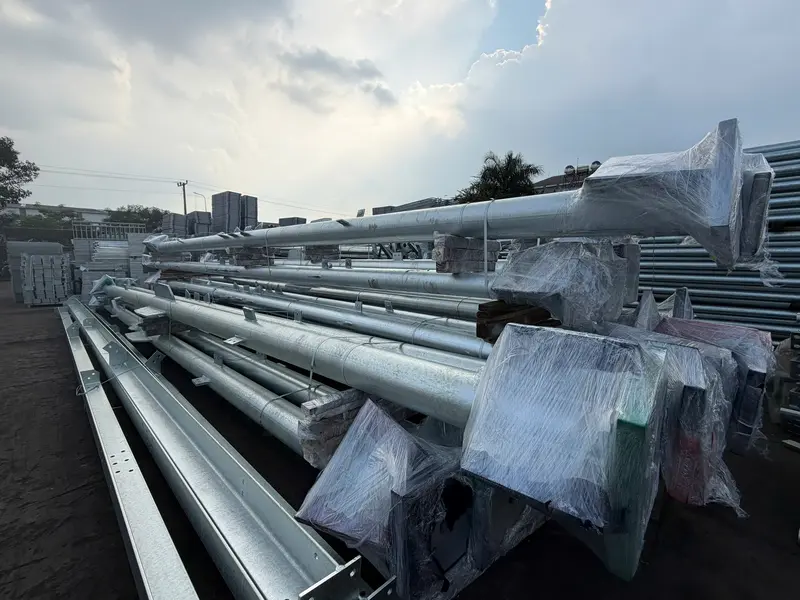
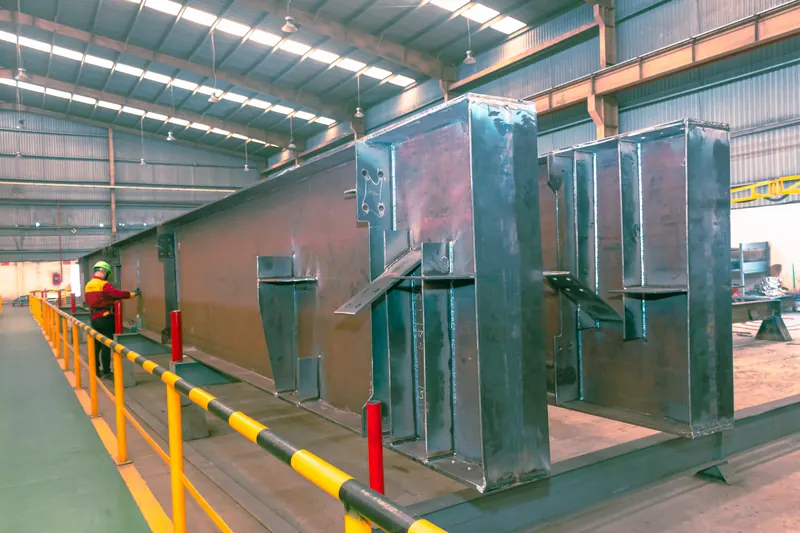
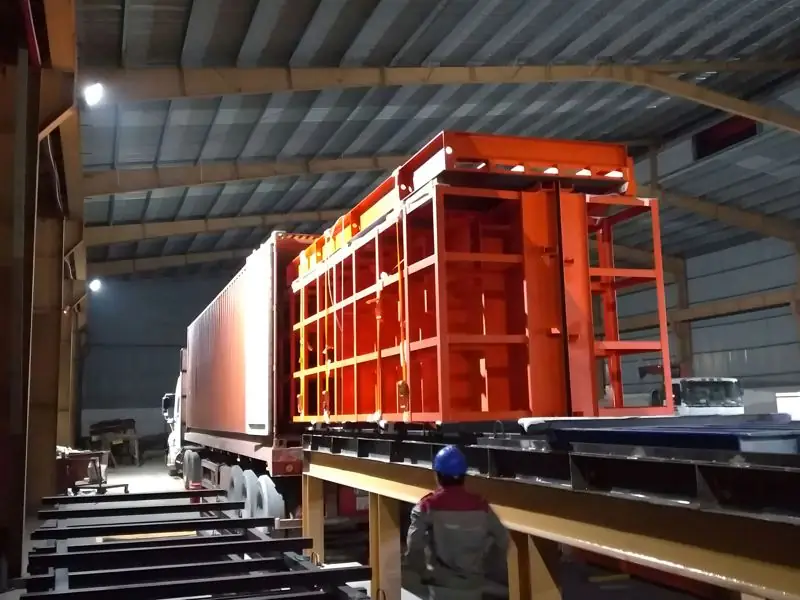
World Steel designs and fabricates generator yard steel for data centers: elevated and stacked generator platforms, tank supports, exhaust stack supports, cable and pipe racks, screen walls and access steel, designed for the flood, wind and seismic criteria the owner sets and hot-dip galvanized where exposure calls for it. Fabrication takes place in our own plant in Vietnam, with inspection accredited under IAS AC472. Our customers are US contractors; site work, including erection, is their scope, and their Engineer of Record approves and seals the design. See the data center building package and hot-dip galvanizing.
Key takeaways
- The handbook explains why data centers depend on standby generators with on-site fuel for long outages.
- Sandy and Tohoku showed fuel, flooding and generator runtime as weak links; the handbook suggests at least 12 hours of fuel and plans for several days.
- Redundancy multiplies generators, and A and B yards should be separated.
- Raised, anchored, screened and corrosion-protected steel platforms keep the yard working through the same storm as the building.
Source: H. Geng (ed.), Data Center Handbook, 2nd ed., Wiley, 2021, Chapters 13, 15, 25, 27 and 37. Ideas are paraphrased; consult your Engineer of Record for project decisions.
Quick answers
Why do data centers rely on diesel generators?
The Data Center Handbook explains that even redundant grid connections can fail together in a high-voltage blackout, so standby generators with on-site fuel, controlled by a PLC and automatic transfer switches, are the common solution for long outages.
How much fuel should be stored on site?
The handbook's Sandy checklist gives a minimum of 12 hours on site, with plans for 48, 96 or 144 hours and fuel contracts with suppliers in different locations. In Japan in 2011, many sites had only one or two days of fuel.
Where should generators sit on a flood-prone site?
Above the design flood level. The handbook recommends never putting critical equipment in a basement and considering the 500-year flood for critical sites. Raised steel platforms are a common answer.
What steel does a generator yard need?
Platforms or stacked frames for generators, supports for exhaust stacks and silencers, cable and pipe racks to the building, screen and noise walls, access stairs and walkways, and anchorage for wind and seismic loads.
Keep building your steel plan
Go further on USPEB.com
On this topic
Across the US market
- US codes and standardsIBC, AISC, AWS and MBMA, designed to
- Seismic steel structuresSDC D to F framing for West Coast jobs
- Crane building designUS crane standards for mill and bay buildings
- Design ReportWhat our US-code design report contains
- Large projects, 2,500 t a monthCapacity for large US general contractors
- Contractor partnershipLong-term supply for US contractors