Chapter 22 of the Data Center Handbook edited by Hwaiyu Geng (2nd edition, Wiley, 2021), written by site selection consultant Ken Baudry, opens with a sobering line: almost all data center disasters can be traced back to poor decisions in the selection, design, construction or maintenance of the facility. Data center site selection is where the first of those decisions is made. The chapter is written for owners and their advisors, but nearly every factor it discusses ends up in the structural design. This article turns the chapter into a checklist the structural team can use before the short list closes.
Site selection is elimination, not selection
The handbook describes the process as a series of elimination rounds:
- Develop business requirements and constraints, separated into "must have" and "nice to have if affordable".
- Define the geographic search area, the broadest and cheapest filter.
- Define site selection criteria.
- Screen opportunities.
- Evaluate the short list in depth, with site visits, proposals and cost estimates.
- Close the deal, keeping at least two candidates active until agreements are signed.
It also distinguishes requirements that can only be met by choosing the right site from those that can be met by the facility design. That distinction is useful for structure: wind, seismic and flood exposure can be designed for, at a cost, while a lack of power or fiber usually cannot be fixed by engineering.
Power and fiber come first
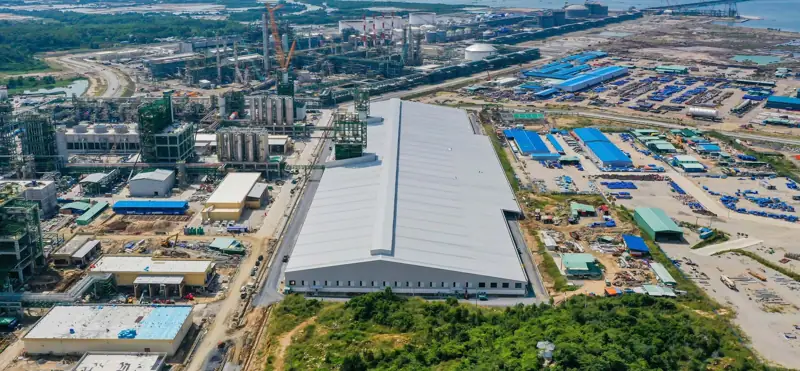
The handbook calls electrical power and telecommunications the two showstoppers. Smaller data centers below about 5 MW can often be served in industrial or office parks with three-phase service; larger facilities may need upgraded distribution lines, new substations or dedicated substations, all agreed with the utility before the site is chosen. Energy can be up to a third of occupancy cost. Fiber should come from more than one carrier, ideally on diverse routes.
These utility decisions have structural consequences: a dedicated substation needs a yard, a switchgear building, steel for bus supports and cable bridges; diverse fiber routes need separate entrance paths and sometimes separate cable racks.
Forces of nature: mitigate and price
The handbook is candid about natural hazards. Owners say they want to avoid them, yet California keeps attracting data centers despite seismic risk, much of the central US faces tornado exposure, and East Coast markets near New York and Washington, DC remain popular despite hurricanes. The reason is that risk can be substantially mitigated by good design and construction, and the chapter's advice is to assess the risk, identify mitigation, estimate its cost and include it in the financial model.
It also quotes industry figures showing how outage causes are reported, with weather and flooding, power and fire among the largest. Whatever the exact shares, much of that risk is structural or envelope-related. Our site conditions advisor and state guides summarize the hazards that matter in each US region.
Man-made risks
The chapter questions the classic checklist distances, such as a few miles from airports, highways and railroads, or many miles from chemical or nuclear plants. Hazards do not stop neatly at a set distance, and power and fiber are usually found exactly where commerce and its risks are. The handbook's advice is to understand the nature of each risk and how it varies with distance. For the structure, nearby hazards can mean blast or impact considerations, airport height restrictions that limit roof equipment or stacks, and vibration from rail lines that affects floor design.
The structural checklist for each short-listed site
Use these questions during the short-list evaluation:
Hazards and loads
- What are the design wind speed and exposure, and is the site in a hurricane-prone or tornado-prone region?
- What is the seismic design category, and what are the site soil class and any liquefaction risk? See seismic steel structures.
- What are the ground snow load and drift conditions for the planned roof equipment?
- Is the site near or inside a 100-year or 500-year floodplain, and what finished floor elevation is needed?
Ground and foundations
- What does the geotechnical report say about bearing capacity, settlement, water table and expansive soils?
- Will the column grid suit economical foundations, or does poor soil favor longer spans and fewer columns?
Site and growth
- Does the site size and shape allow the full campus with phase lines, equipment yards and setbacks?
- Are there height limits from zoning or airport approach corridors that affect roof equipment and screens?
Delivery and logistics
- What is the nearest suitable US port and the inland route for long members? See US ports for imported steel.
- Are there road restrictions on length, height or weight for trucks reaching the site?
- Is there laydown space for steel delivered in erection sequence?
Existing facilities
- If the plan is to reuse a building, has its structure been checked for current loads and hazards? The handbook warns that many available facilities were built to outdated standards and must be assessed carefully.
Keep the structural cost honest
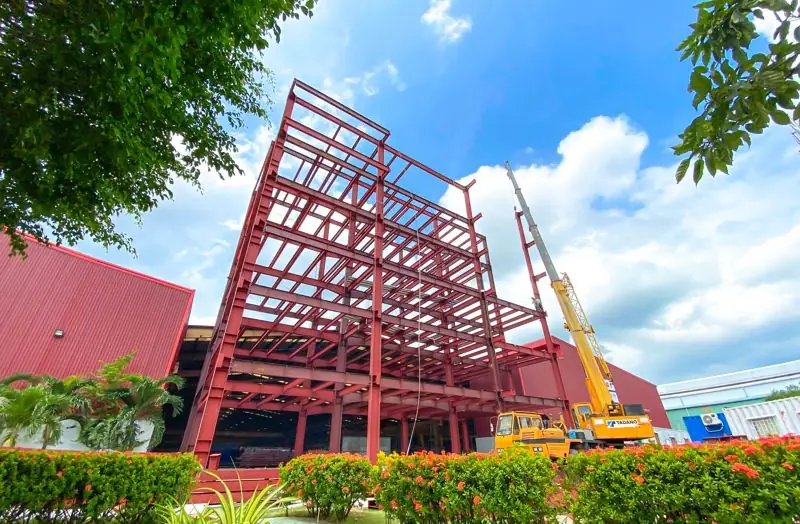
The handbook's point about costs is that only costs that differ between sites matter for the decision. Construction costs are often similar between regions, but hazard-driven structural cost is not. A high seismic category, a hurricane coast or a deep flood elevation changes tonnage, connections, foundations and envelope. Bringing a structural estimate for each short-listed site into the comparison keeps the decision honest. World Steel can provide a structural concept and steel quantities for each candidate site so the comparison uses real numbers.
Where World Steel fits
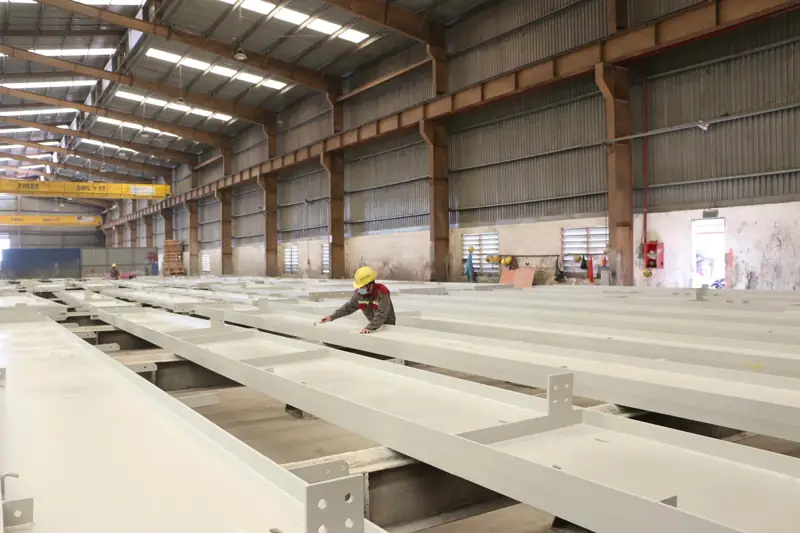
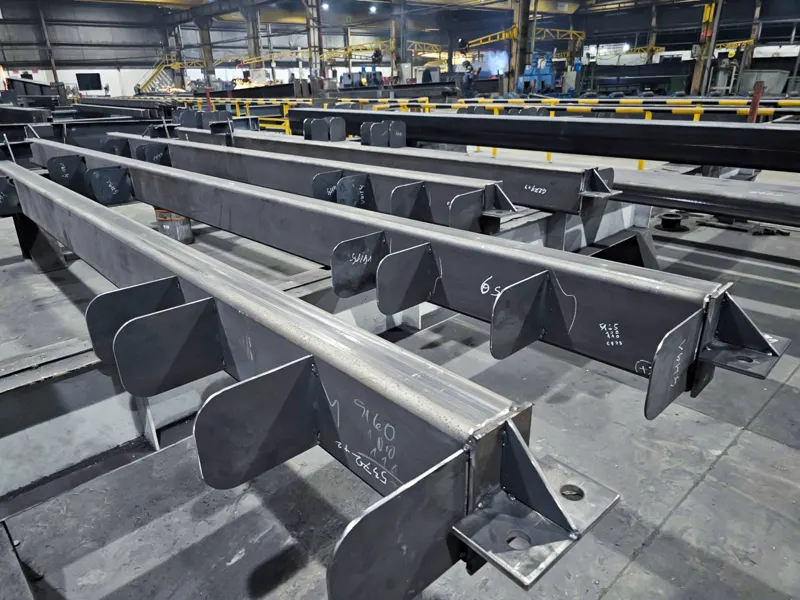
World Steel designs and fabricates structural steel for US data centers in our own plant in Vietnam, inspected under IAS AC472 accreditation, and ships it to the US port closest to the site. Our customers are US contractors; site work, including erection, is their scope, and their Engineer of Record approves and seals the design. For site comparisons we can prepare structural concepts for each option, designed to the loads of each location. See the data center building package for the shell scope.
Key takeaways
- The handbook treats site selection as elimination: broad filters first, deep research only on the short list.
- Power and fiber are the showstoppers; hazards can usually be designed for, at a cost that belongs in the model.
- Wind, seismic, snow, flood, soils, height limits and delivery routes all change the structural package.
- Bring a structural concept for each short-listed site before the decision closes.
Source: H. Geng (ed.), Data Center Handbook, 2nd ed., Wiley, 2021, Chapter 22 (with Chapters 1 and 7). Ideas are paraphrased; consult the handbook and your design team for project decisions.
Quick answers
How does a data center site search work?
As a process of elimination. The Data Center Handbook describes rounds that start with broad geographic criteria and move to detailed, costly research on a short list of two or three sites.
What are the two showstoppers for a data center site?
Electrical power and telecommunications. Without enough reliable power and diverse fiber, no other advantage makes a site work.
Can a data center be built safely in a hazard zone?
Often yes. The handbook notes many data centers sit in seismic, tornado or hurricane regions; the risk can be mitigated by good design and construction, and that cost should be part of the financial model.
When should the structural engineer join the site search?
Before the short list closes, so that hazard loads, soils, flood elevation and delivery constraints are priced into each option rather than discovered after the land deal.
Keep building your steel plan
Go further on USPEB.com
On this topic
Across the US market
- Projects by typeWarehouses, plants, data centers and more
- Industries we serveSteel packages by US industry
- Data center steelHyperscale and colocation framing
- Sunpro steel mill, 5,000 tOur largest single steel package
- Large projects, 2,500 t a monthCapacity for large US general contractors
- Contractor partnershipLong-term supply for US contractors