
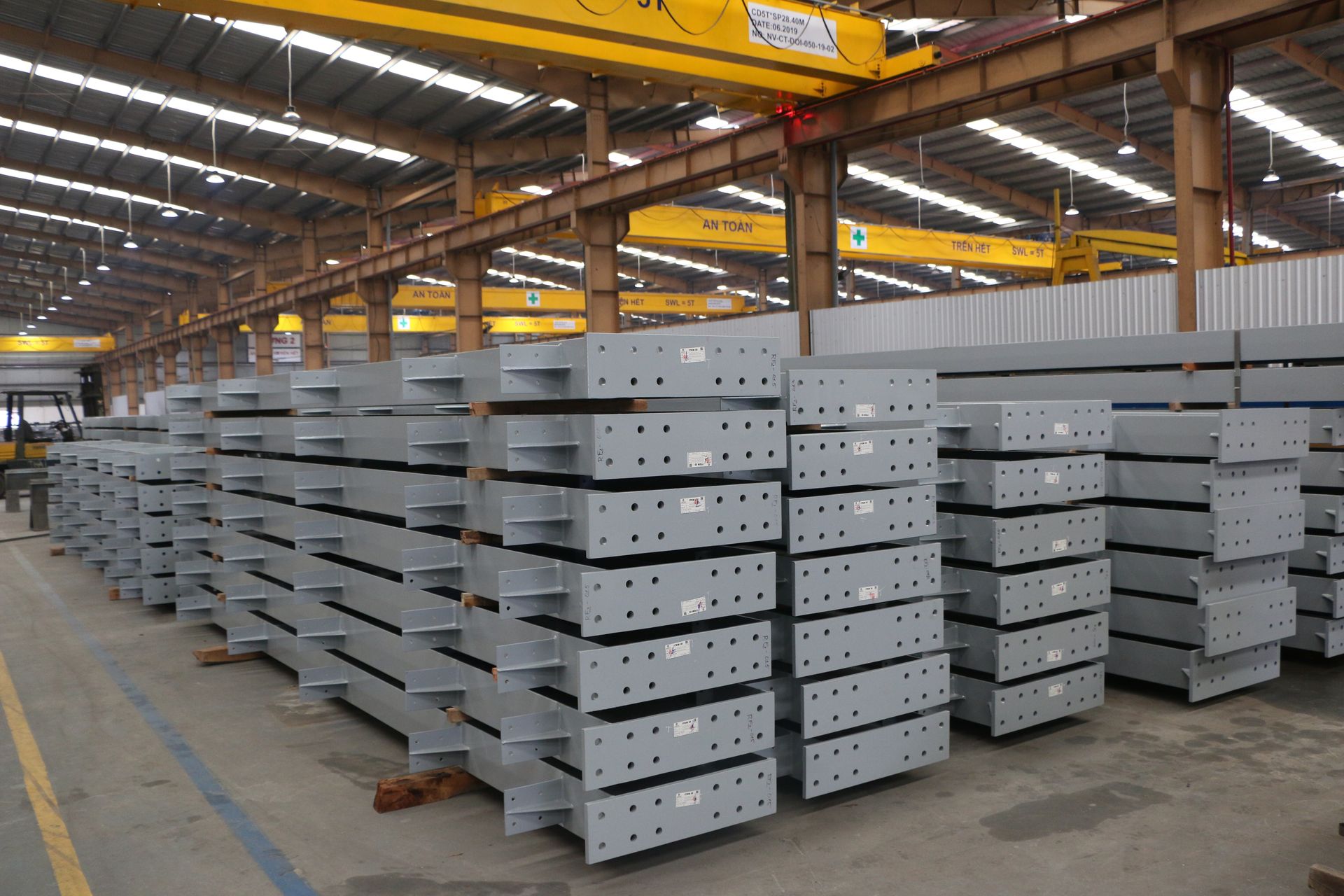
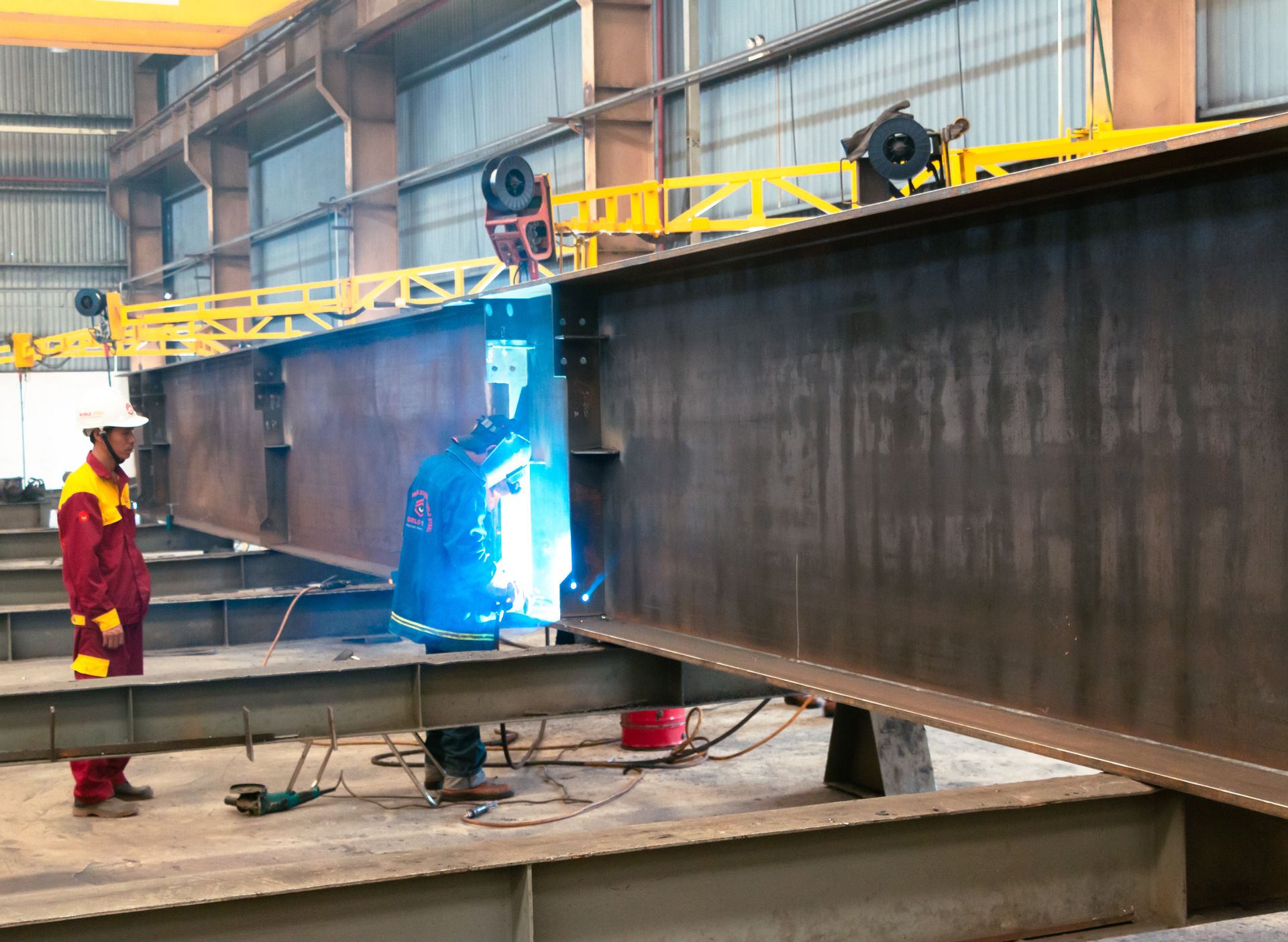
Labeled bundles lined up for dispatch from World Steel in Vietnam.
Insights · 18 articles
Project types for US steel projects
What changes in the steel package for warehouses, plants, data centers, cold storage and other building types.
 Project types
Colocation, wholesale and modular data center types: what each asks of the building
Hosting, wholesale space, prefabricated halls, containers and stand-alone buildings all deliver computing capacity, but they ask very different things of the building. Here is how the Data Center Handbook sorts them, and what each type means for the steel.
5 min read · Nov 22, 2026
 Project types
Data center microgrids: solar, storage and the structures that carry them
A microgrid lets a data center keep running when the regional grid goes down, and run cheaper and cleaner when it does not. The Data Center Handbook explains the case. On site, a microgrid is a collection of structures: solar canopies, battery enclosures, generator platforms and switchgear buildings.
4 min read · Nov 22, 2026
 Project types
Data center project management: putting the structural steel on the critical path
The Data Center Handbook gives project management a whole chapter: kickoff, scope, RACI, critical path, estimates and closeout. Each tool applies directly to the structural steel, which is usually one of the first long-lead packages on a data center schedule.
5 min read · Nov 22, 2026
 Project types
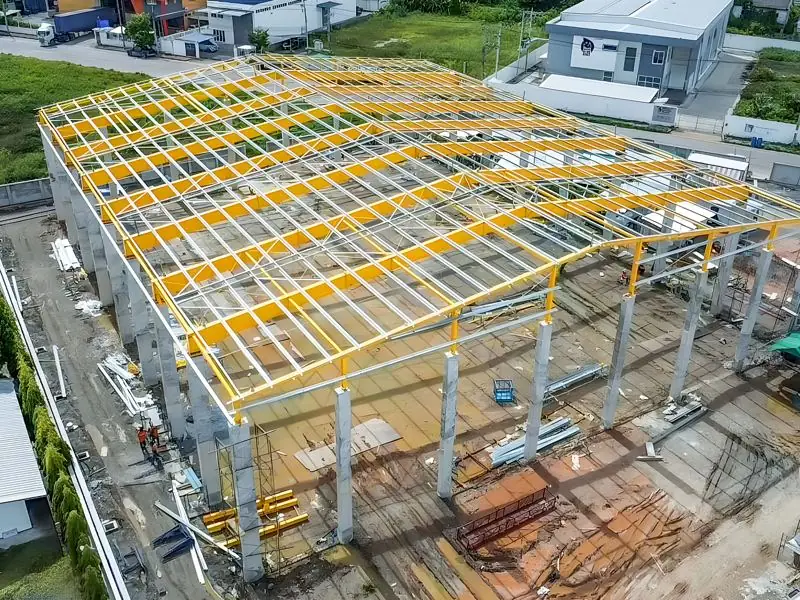
Data center PUE and the building shell: what the structure has to do with energy
Power usage effectiveness is the most quoted number in the data center world. It is usually discussed as a mechanical and electrical topic, but the building shell and its structure quietly set the limits on what the cooling plant can achieve.
5 min read · Nov 22, 2026
 Project types
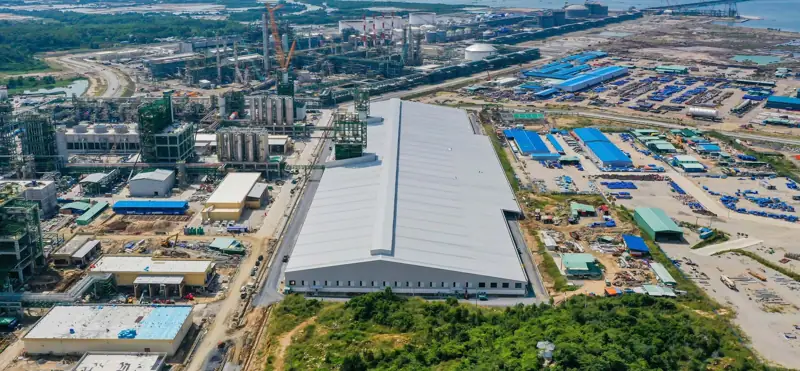
Data center site selection: a structural checklist for the short list
Site selection is mostly about power, fiber, taxes and risk. But almost every item on the list also changes the structure: its loads, its foundations, its height above flood level and its delivery route. Here is a checklist for the short list.
5 min read · Nov 22, 2026
 Project types
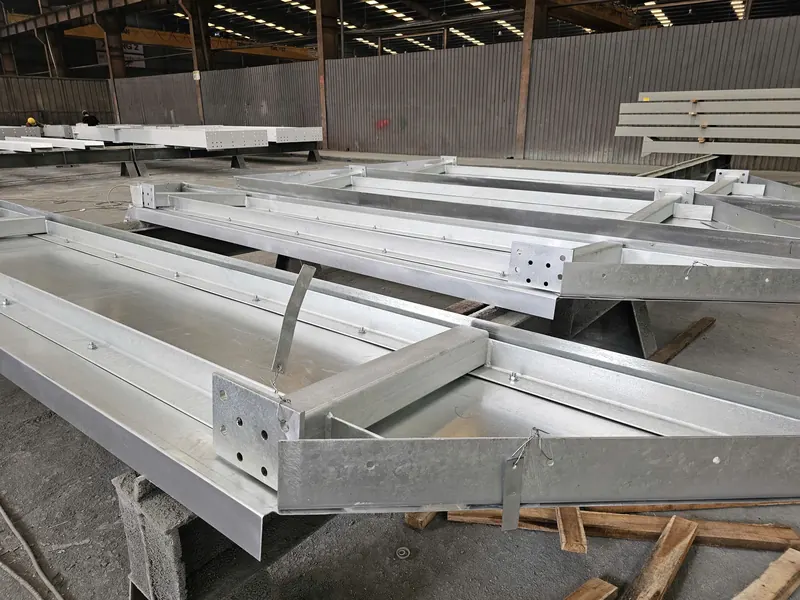
Edge data center buildings: small steel structures for lights-out sites
Edge computing pushes small data centers out to cell towers, industrial sites and city lots. These sites are compact and unstaffed, which makes their structure more important, not less: it has to protect the equipment on its own.
5 min read · Nov 22, 2026
 Project types
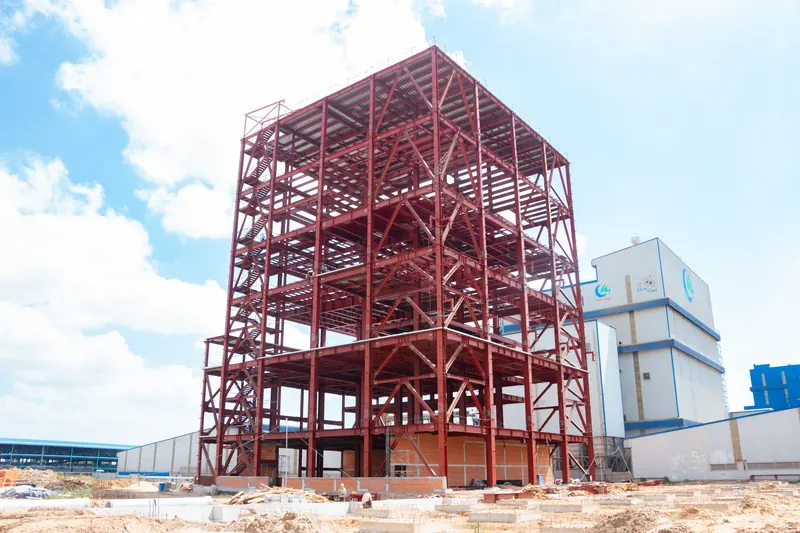
Electrical galleries and multi-story data centers: moving plant out of the white space
Modern data centers keep UPS, switchgear and cooling units out of the computer room, either in galleries beside it or on a level above or below. The Data Center Handbook explains why. Here is what each layout asks of the structural frame.
6 min read · Nov 22, 2026
 Project types
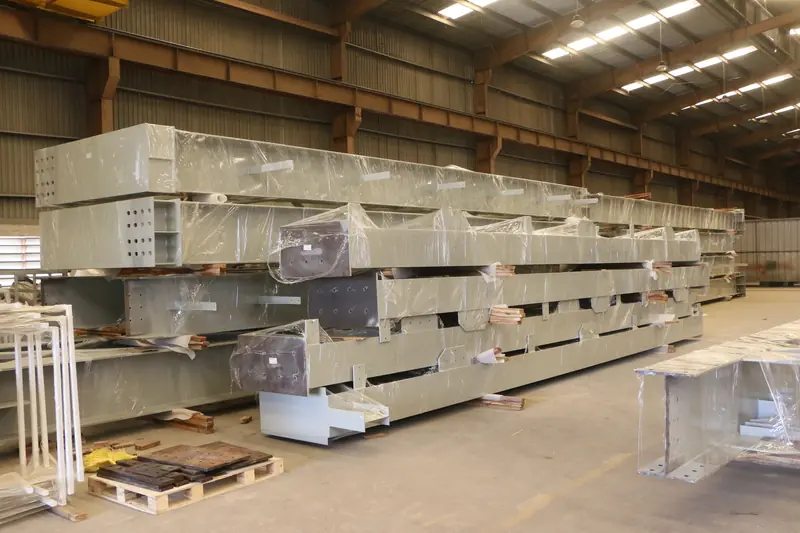
Equipment floor framing in mill buildings: supplier limits, deflection and vibration
In a mill, the floor serves the machine, not the other way round. AIST TR-13 Section 5.10 makes the equipment supplier's limits part of the structural design. Here is what that means for beams, columns, decks and the data you need.
7 min read · Nov 22, 2026
 Project types
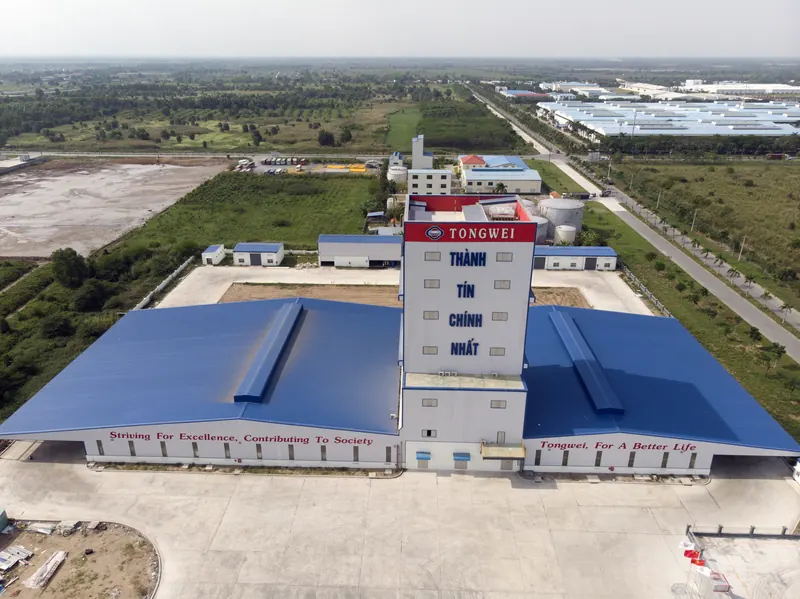
Future-proofing a data center campus: building a steel frame for the next three generations of IT
IT equipment turns over in a few years; the building around it is meant to last decades. The Data Center Handbook returns again and again to that mismatch. Here is how a campus can be planned so the steel frame keeps up with three or more generations of IT.
5 min read · Nov 22, 2026
 Project types
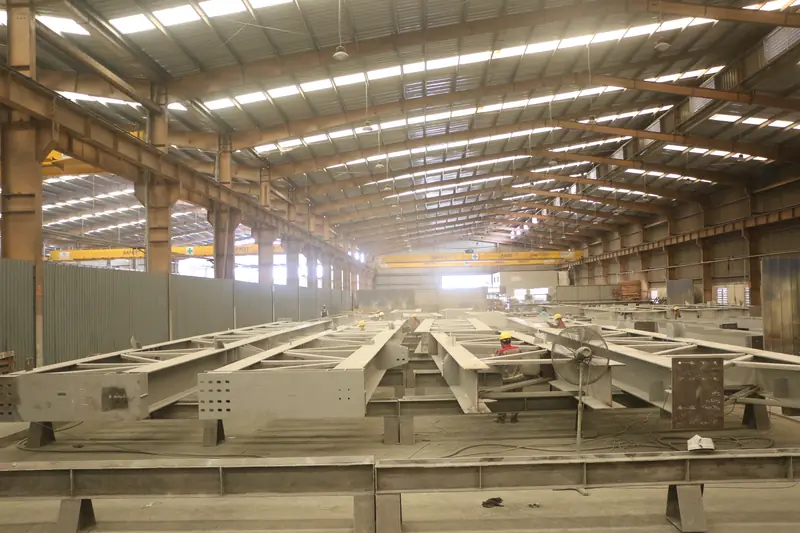
Mill floor slab on grade: subgrade, joints and the steelmaking slag question
Forklifts, coil cars and stacked product load a mill floor far harder than a warehouse. AIST TR-13 gives a clear method for the slab on grade, and firm warnings about slag and rock fill. Here is what it says, and how the slab meets the steel.
7 min read · Nov 22, 2026
 Project types
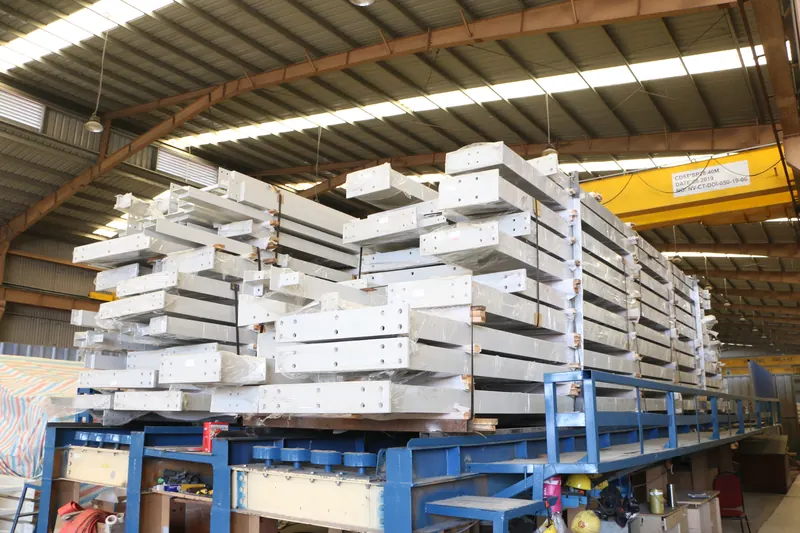
Modular and prefabricated data centers: what step and repeat means for the steel
Modular data centers grow in repeatable blocks instead of being built all at once. The Data Center Handbook describes three forms and explains why modular power and cooling save energy. Here is what step and repeat asks of the structural steel.
5 min read · Nov 22, 2026
 Project types
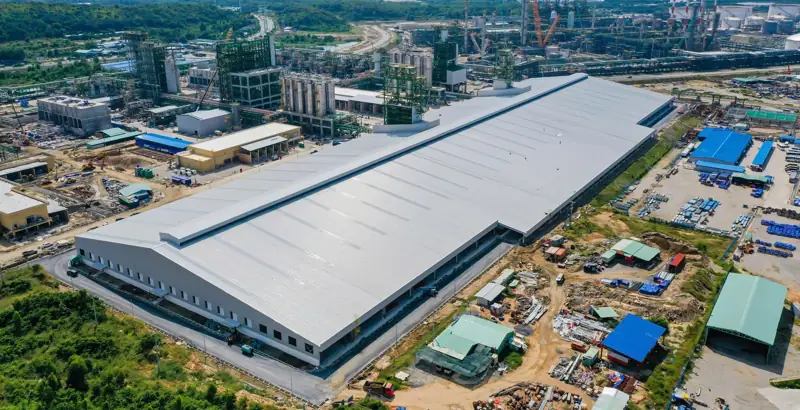
Sustainable data center planning: where the structural steel frame fits
A sustainable data center is decided long before the first column is set. Strategy, location and life-cycle thinking come first, and each of them leaves a mark on the structural steel that carries the building.
6 min read · Nov 22, 2026
 Project types
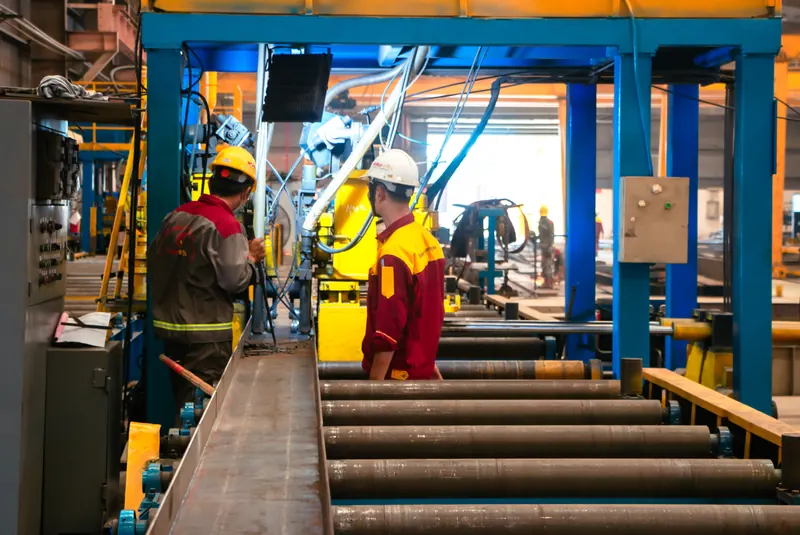
Crane girder fatigue: the weld details AIST TR-13 asks for
Most crane girder failures are fatigue cracks at welds. AIST TR-13 lists the details that keep a mill girder crack-free: full-penetration top flange welds, ground splices, careful stiffeners and nothing welded to the bottom flange.
4 min read · Nov 21, 2026
 Project types
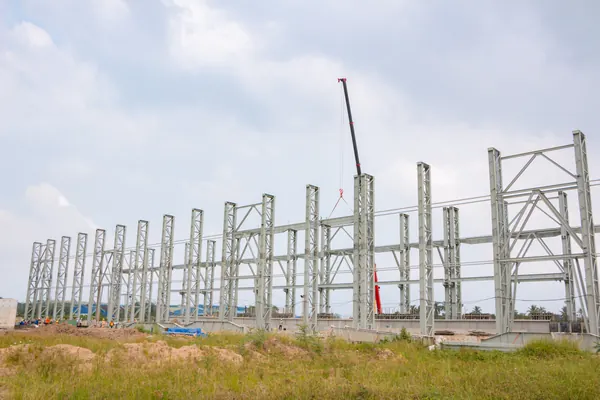
Crane rail joints, clips and pads: choosing the rail system for a mill runway
Most rail failures start at joints, and many runway problems start with the rail fastening. AIST TR-13 sets out how to choose the rail, join it, clip it and keep it aligned.
3 min read · Nov 21, 2026
Project types
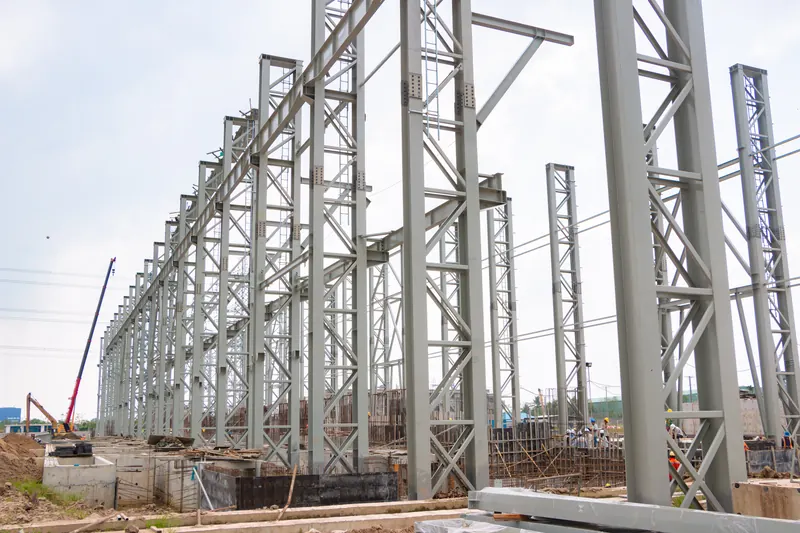
Clear height and bay spacing in large warehouses: the steel trade-offs
In a large warehouse, the column grid and clear height decide most of the steel tonnage. Small changes early can save hundreds of tons.
3 min read · Nov 18, 2026
 Project types
Crane runway beams: tolerances, fatigue and the details that last
Overhead cranes are unforgiving. Runway beams need tighter tolerances and better fatigue details than ordinary framing, and the fabricator needs the right crane data.
3 min read · Nov 18, 2026
Project types
Fast-track steel for data centers: phasing the package to meet energization
Data center schedules are set by power-on dates. The steel package has to be phased, repeatable and ready before the design is fully finished.
3 min read · Nov 18, 2026
 Project types
Steel structure details that matter in freezer and cooler buildings
Cold storage buildings look like warehouses, but temperature, vapor and condensation change how the steel structure must be detailed.
3 min read · Nov 18, 2026
Bidding a large US project?
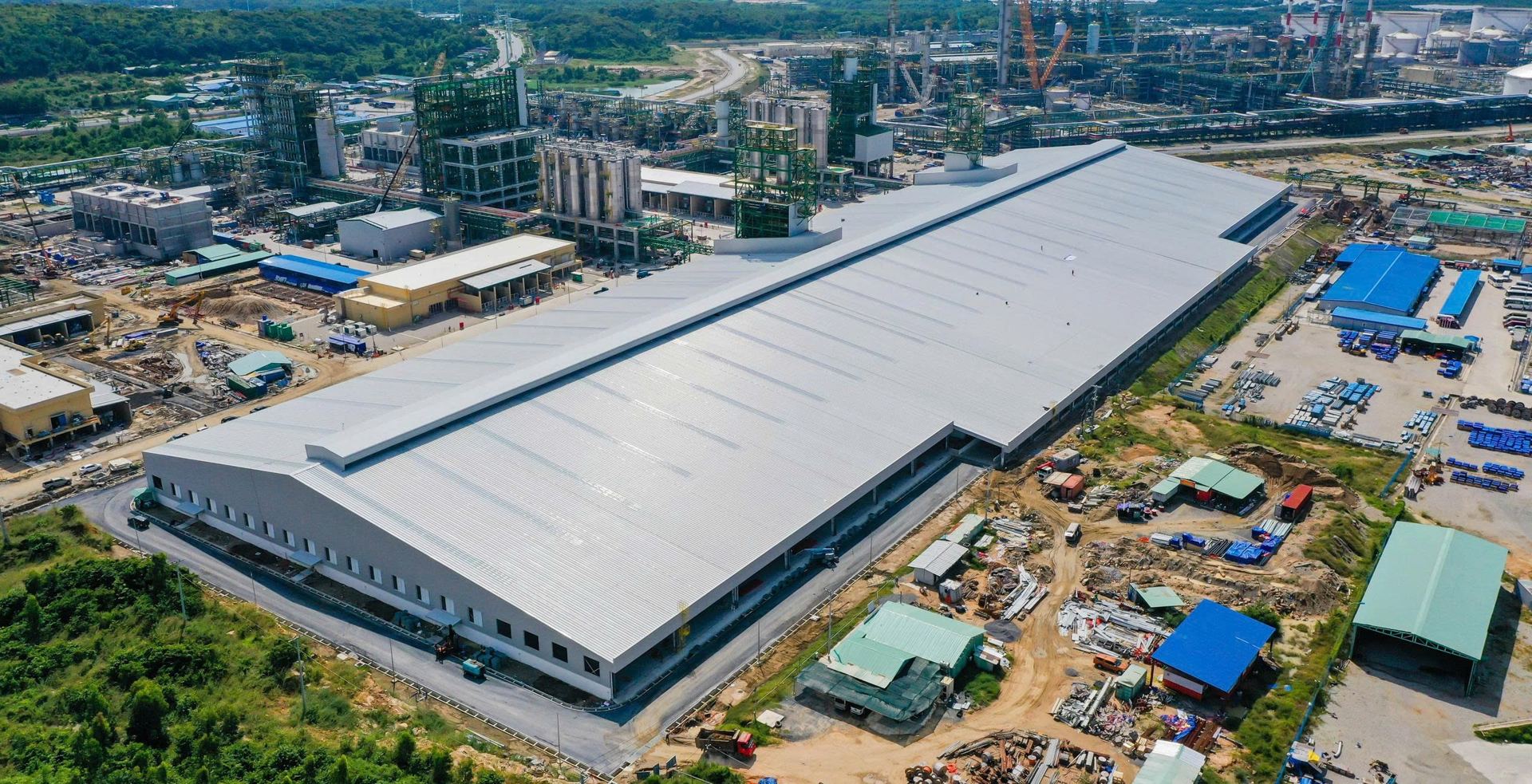
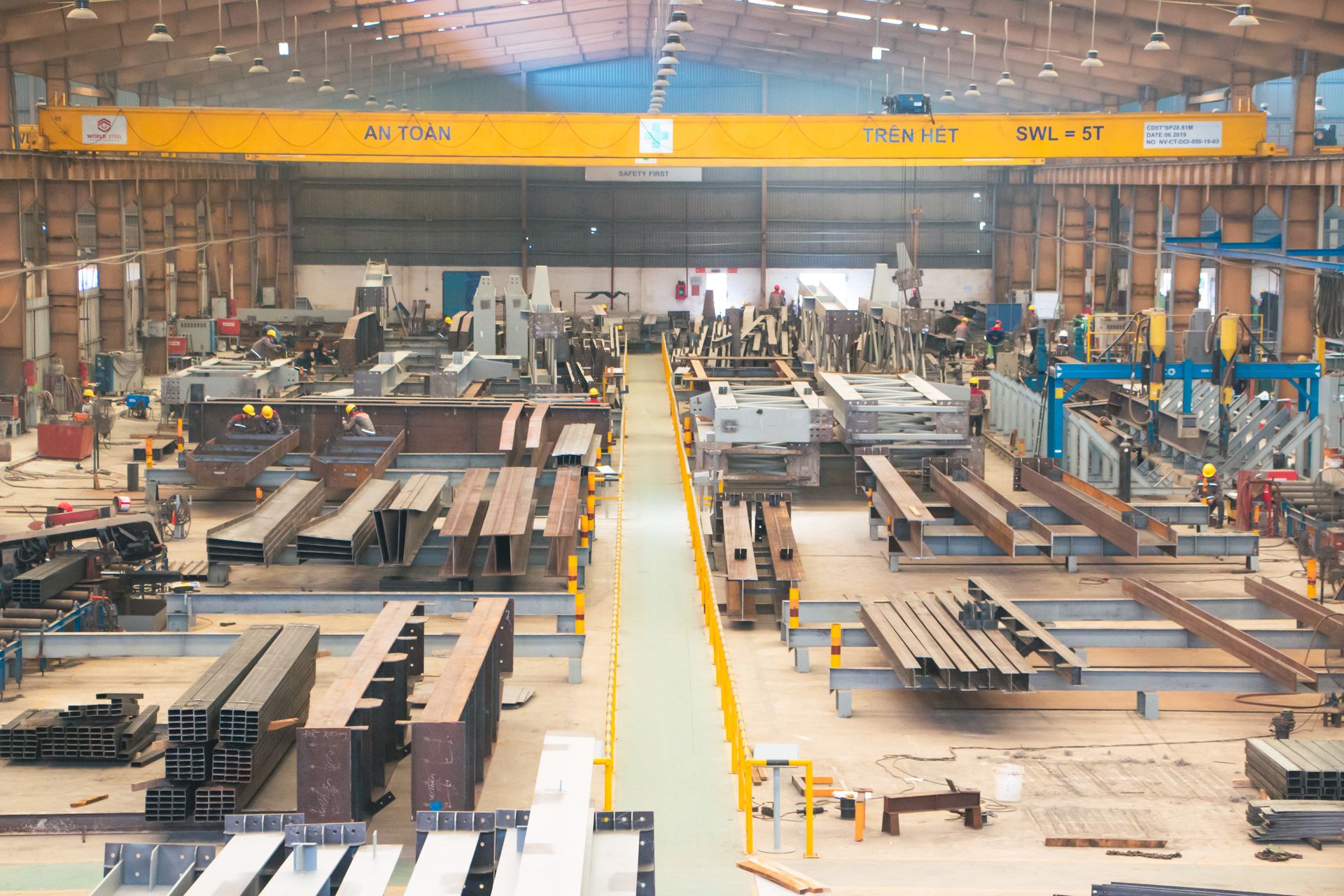
Send the bid documents, or just a footprint and an address. Our engineers check them against US code requirements and confirm what World Steel would supply, from a plant that fabricates 2,500 metric tons of structural steel a month.