
Lintel schedule
Six steel lintel shapes we cut and weld
Each opening on the elevations gets one of these shapes, sized on the drawings and cut to the opening plus both bearings.
- Single angleBrick veneer over doors and windows.Long leg vertical is usual; the angle size comes from the span and load.
- Double angleSolid masonry walls and wider wythes.Two angles back to back, loose or bolted with spacers.
- Angle with plateCavity walls where the lintel carries brick and block.A plate welded under the angle carries the inner wythe.
- Built-up lintelLong spans and heavy walls.Channels, beams or plates welded into one member.
- Hung lintelOpenings where the masonry cannot carry the lintel ends.Hung from the frame above; attached lintels are structural steel under AISC 303.
- Overhead door lintelDock and overhead door openings in block walls.Heavier sections and often a bearing plate at each end.
Loose or attached
Which lintels are structural steel, and which are not
A lintel looks simple until two trades each think the other one is buying it. AISC 303 settles part of that question, and the contract settles the rest.
Loose lintels
Lintels that rest on the masonry at each end. AISC 303 does not count them as structural steel unless the contract says so. They usually sit in Division 05 50 00 or the masonry scope and are set by the mason.
Lintels attached to the frame
Lintels and relieving angles bolted or welded to the structural steel are structural steel under AISC 303 Section 2.1. We shop-attach them where the drawings show it.
The scope sheet settles it
Our quote comes with a scope sheet that lists every lintel as ours, the mason’s or by others, so a lintel is never bought twice or not at all.
See the full split in the AISC 303 scope sorter.
Bearing and deflection
The masonry rules a lintel is drawn to
- Bearing at each endEach loose lintel needs a bearing length on the masonry at both ends, shown on the drawings. It is commonly at least 100 mm (4 in) and often 200 mm (8 in) on longer spans.
- Deflection limitMasonry cracks if the lintel sags. TMS 402 limits the deflection of lintels that carry unreinforced masonry to the span divided by 600, and no more than 7.6 mm (0.3 in).
- Sized by the engineerLintel sizes come from the lintel schedule on the drawings or from your Engineer of Record. We fabricate to them and flag any opening that has no lintel listed.
- Cut to the openingEach lintel is cut to opening width plus both bearings, so the mason does not cut steel on the scaffold.
Exterior walls
Lintels that live inside a wet wall
Water gets into every brick wall. A lintel in an exterior wall is detailed and coated for that.
- Galvanized for the weatherLintels in exterior walls are commonly hot-dip galvanized to ASTM A123, arranged with an outside galvanizer for the project, or painted with a system from a major paint brand.
- Flashing over the lintelThrough-wall flashing and weeps above the lintel are part of the masonry work. Our lintel drawings show the steel so the flashing detail can be drawn around it.
- Movement jointsWhere the wall needs a movement joint beside an opening, the lintel bearing is detailed to stay clear of it, as the architect shows.
For the mason
From lintel schedule to the scaffold
- Schedule taken offEvery opening on the elevations listed with span, wall type and lintel size.
- Cut, welded, coatedAngles and plates cut, built-up lintels welded, exterior lintels galvanized.
- Tagged and bundledEach lintel tagged with its opening mark; bundles grouped by elevation and floor.
- Set by the masonThe US contractor’s mason sets each lintel on its bearings as the wall goes up.
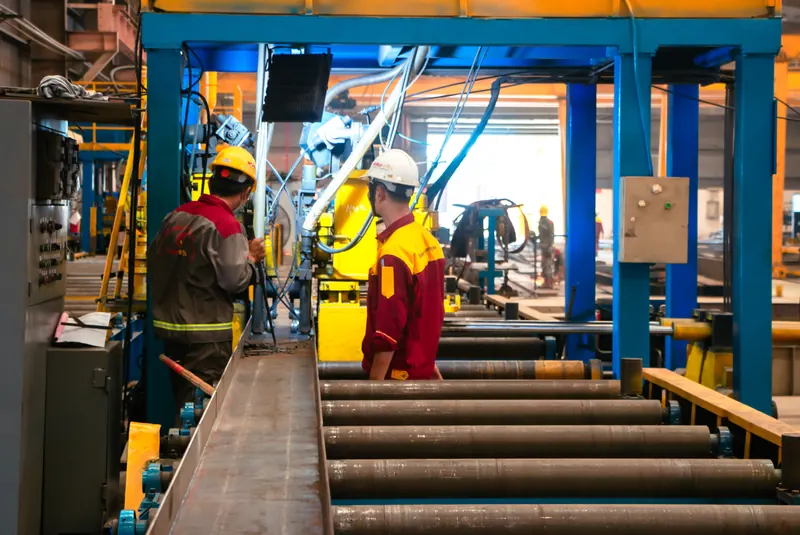
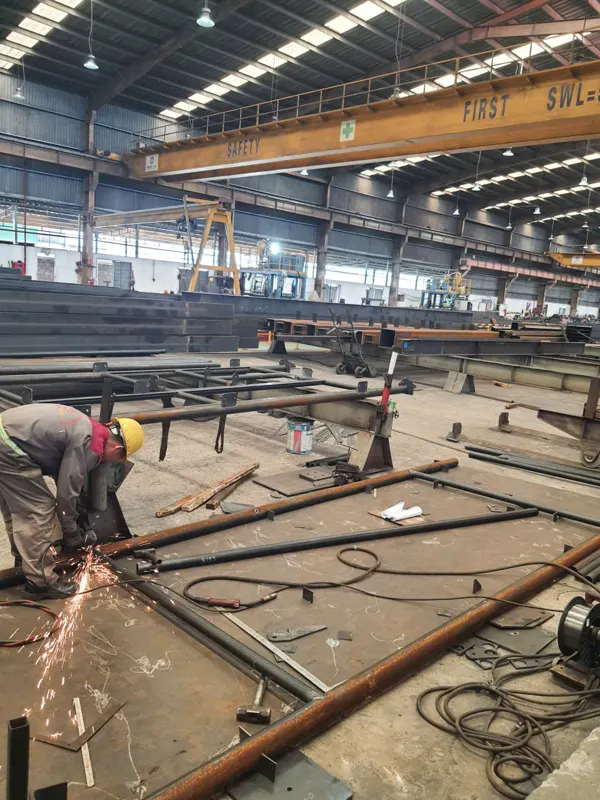
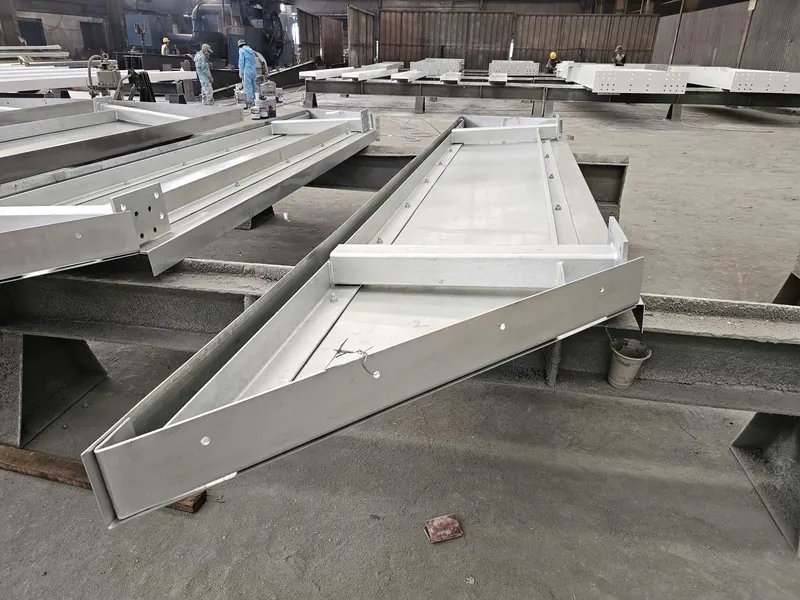
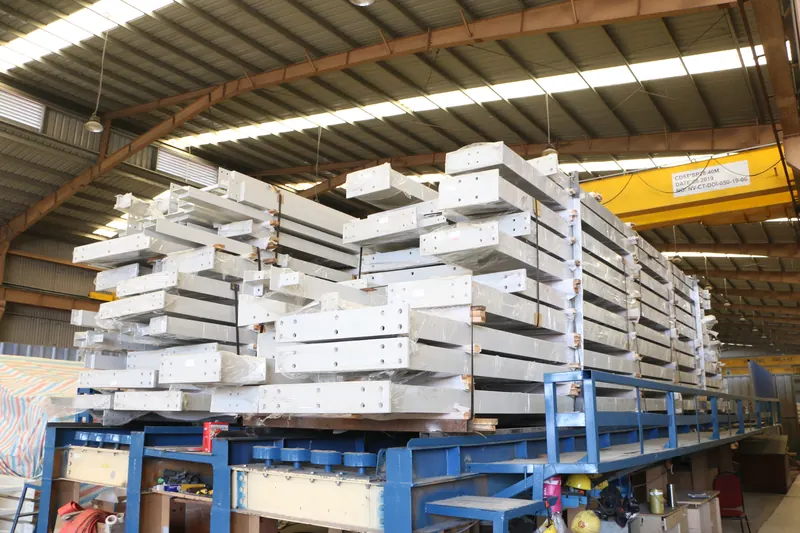
Cutting, welding, galvanized steel and packing in our work
Questions
Steel lintel questions from US contractors
Are loose lintels part of the structural steel contract?
Not under AISC 303 unless the contract says so. Loose lintels resting on masonry usually sit in Division 05 50 00 or the masonry scope; our scope sheet lists each lintel as ours or by others.
How much bearing does a steel lintel need?
The bearing length is shown on the drawings for each opening. It is commonly at least 100 mm (4 in) at each end and often 200 mm (8 in) on longer spans.
What deflection limit applies to a lintel?
For lintels carrying unreinforced masonry, TMS 402 limits deflection to the span divided by 600, and no more than 7.6 mm (0.3 in). Your engineer confirms the limit on each job.
Should exterior lintels be galvanized?
It is common practice for lintels in exterior masonry. We arrange hot-dip galvanizing to ASTM A123 with an outside galvanizer, or paint with a system from a major brand.
Who sets the lintels on site?
The mason, working for the US contractor, our customer, sets loose lintels as the wall goes up. World Steel fabricates and ships; it does not install.
Can you supply lintels for openings that are not on the schedule?
We flag every opening on the elevations that has no lintel listed and ask before we price it, so the gap is closed before fabrication.
Openings in metal wall panels instead of masonry? See framed opening steel for openings in metal walls.
Built for large jobs
Steel lintels for your next large package
Our own plant in Vietnam fabricates 2,500 metric tons of structural steel a month, is accredited under IAS AC472 since 2019 and is audited twice a year. Shop drawings are included on every project.
- 5,000 tSunpro Steel Factory
- 2,500 tCPV Food Processing Factory
- 2,000 tLong Son petrochemical complex
- 2,000 tM&D (MD Factory)
Request a quote
Send drawings, a model or a member schedule. Our engineers check the US code basis, size or verify the members and price the fabricated steel, delivered to your US port.
Become our partner in the US
You erect and own the customer; we design, fabricate and ship. Engineering support on your bids and supply under your brand.
Who approves the design. We prepare calculations and drawings ready for your Engineer of Record’s review and approval. The PE seal and the permit stay with the US contractor, our customer.
Shop drawings, included