
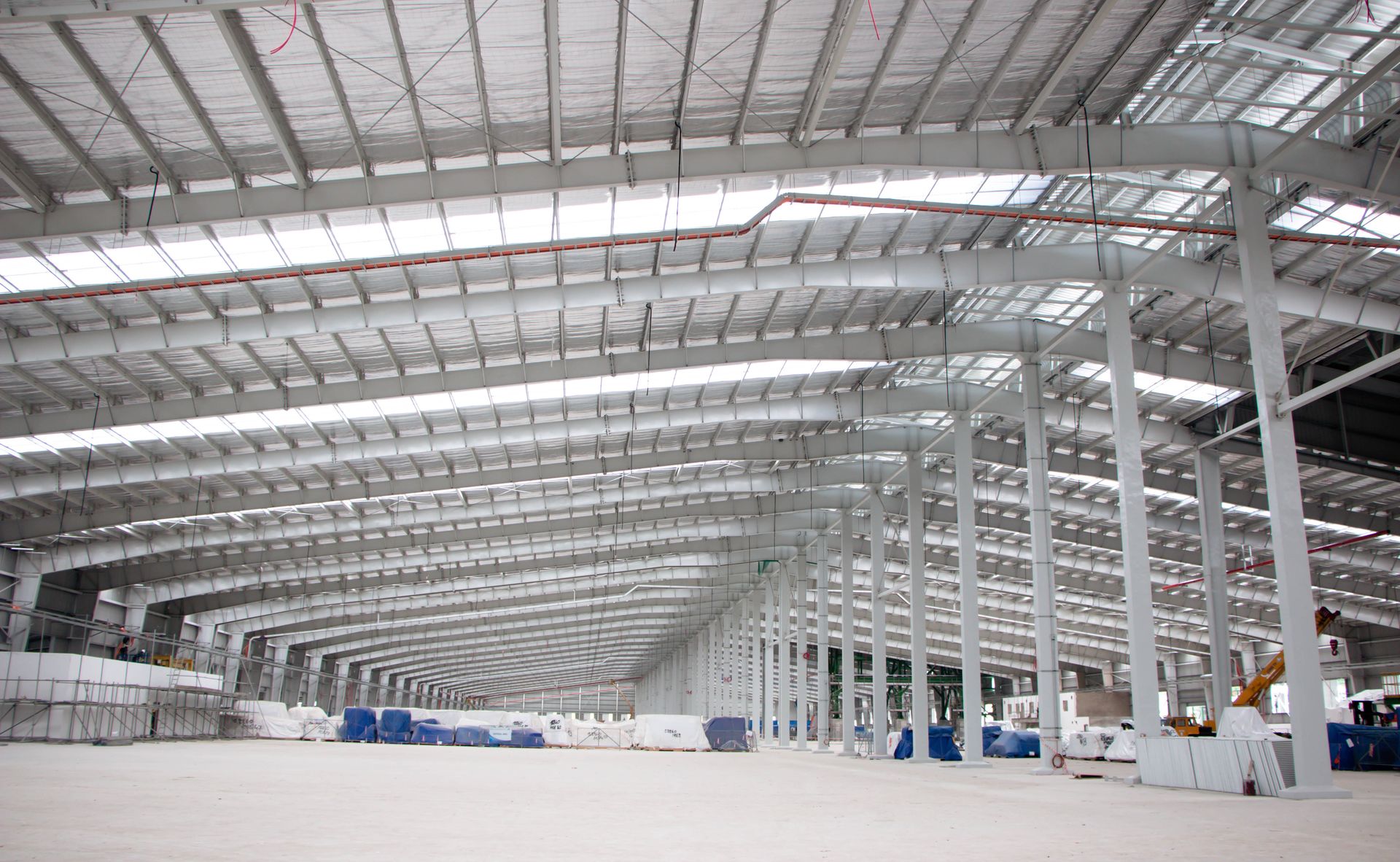
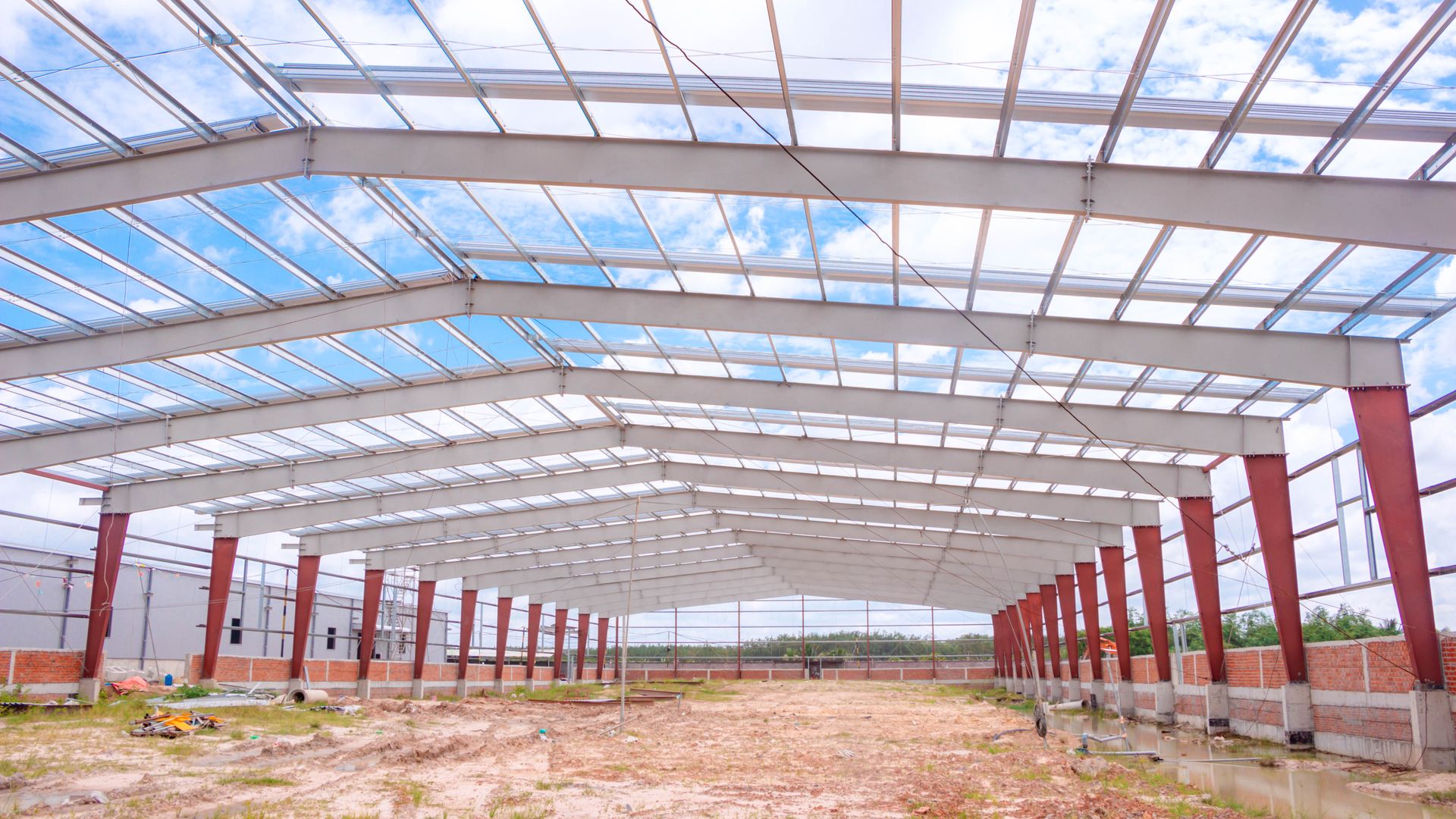
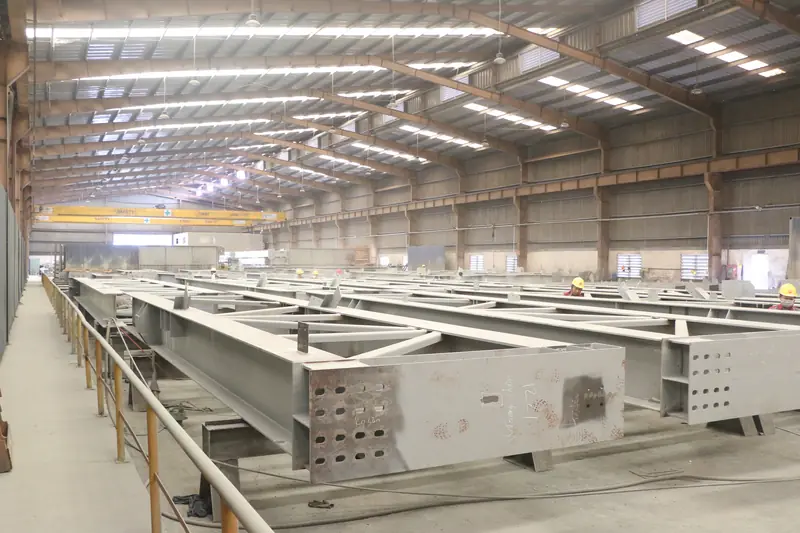
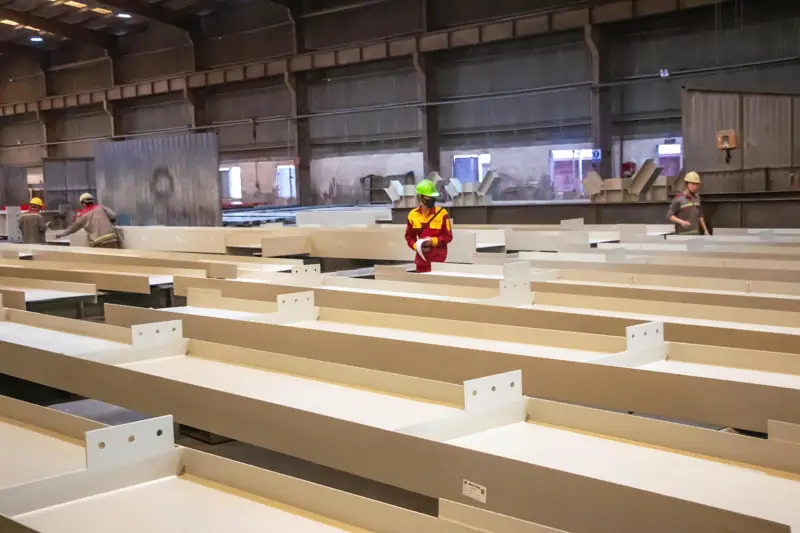
Clear-span interior on a World Steel job in southern Vietnam.
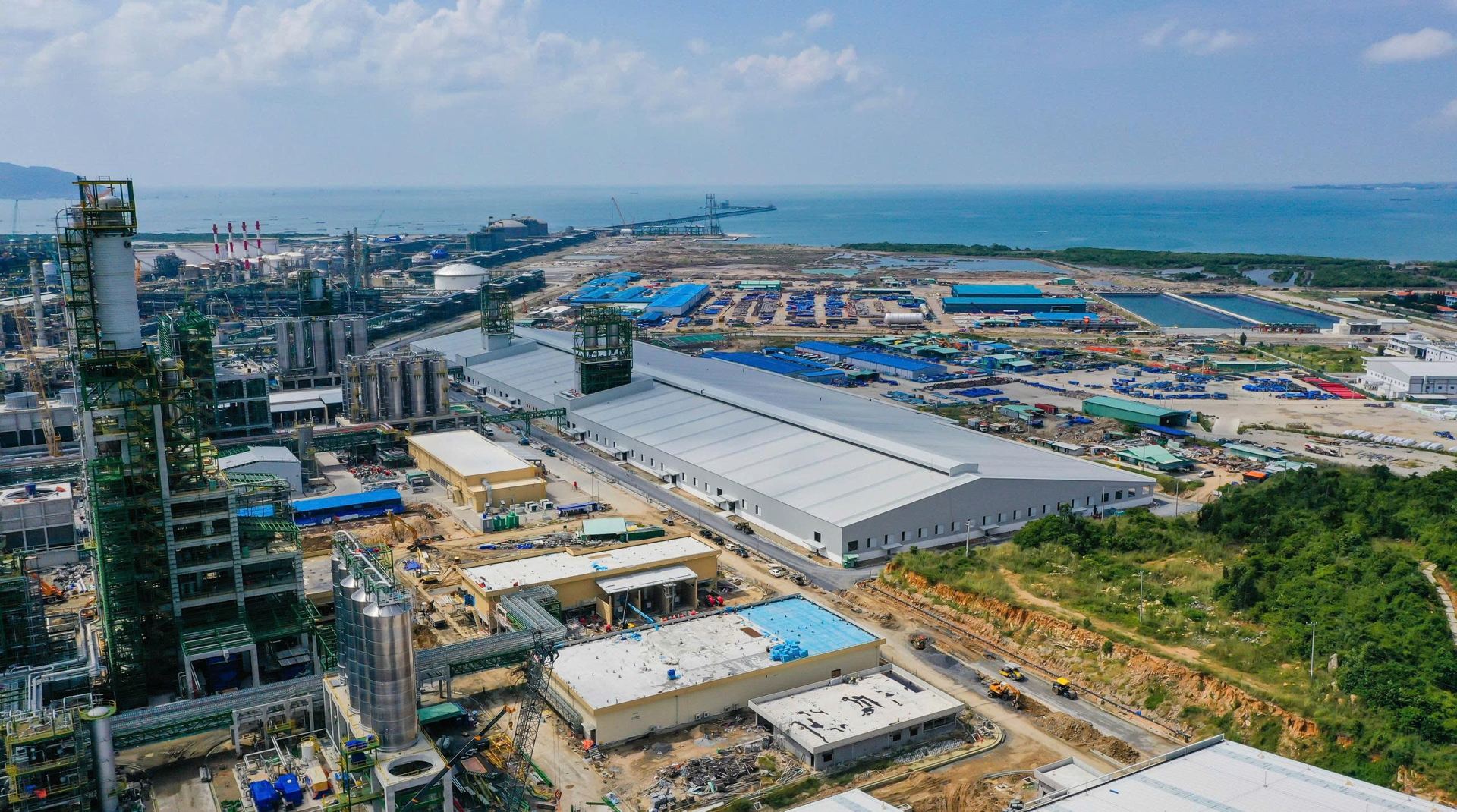
Insights · 21 articles
Quality and certification for US steel projects
Fabricator accreditation, inspection, welding and the paperwork that proves a steel package was made right.
 Quality and certification
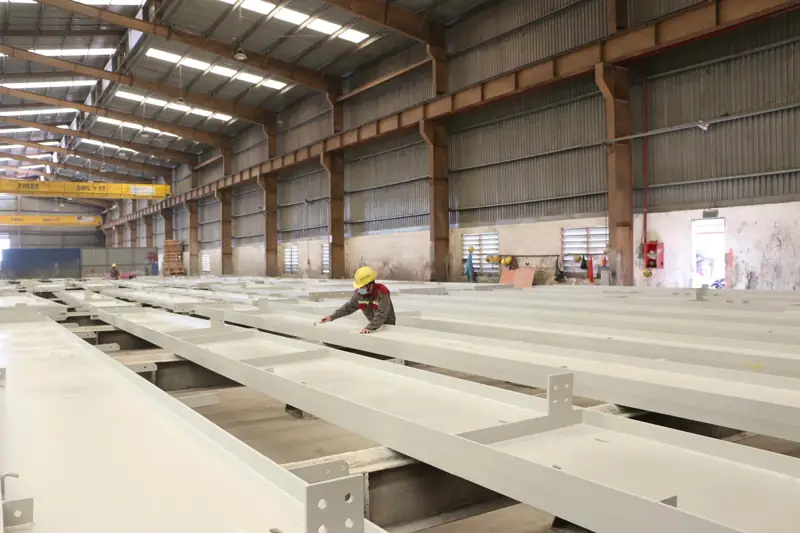
Crane runway maintenance access: walkways, repair platforms and horizontal lifelines
Every crane needs wheels changed, rails checked and girders inspected, usually high above a working floor. AIST TR-13 asks that access and fall protection be designed into the building from day one. Here is what to plan for.
7 min read · Nov 22, 2026
 Quality and certification
Data center risk management: what the human element means for the structure
Most data center failures start with people, not equipment. The Data Center Handbook argues that risk falls when knowledge moves cleanly from design to construction to operation. The structural package is one of the first places where that knowledge is written down.
5 min read · Nov 22, 2026
 Quality and certification
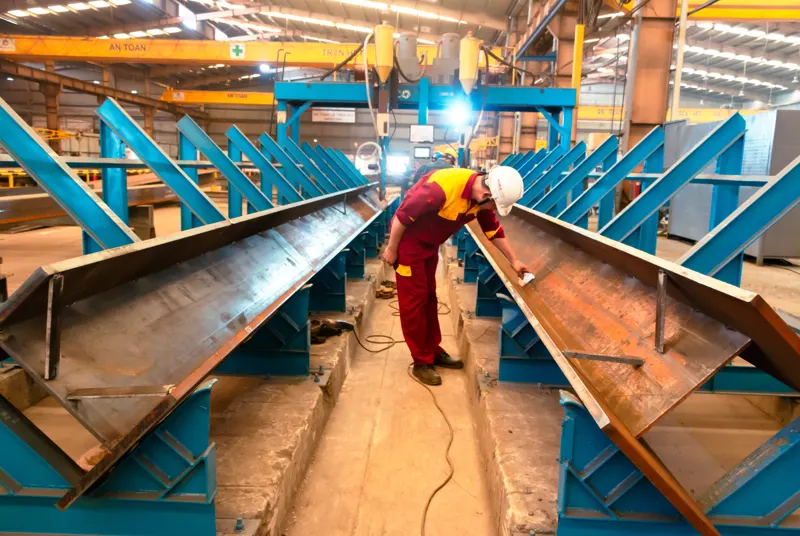
Demand Critical welds: the fabrication checklist behind AWS D1.8
A demand critical weld is a small share of the welds on a seismic job and most of the paperwork. Here is what the term means, where these welds usually sit, and the eight controls AWS D1.8 adds to them.
7 min read · Nov 22, 2026
 Quality and certification
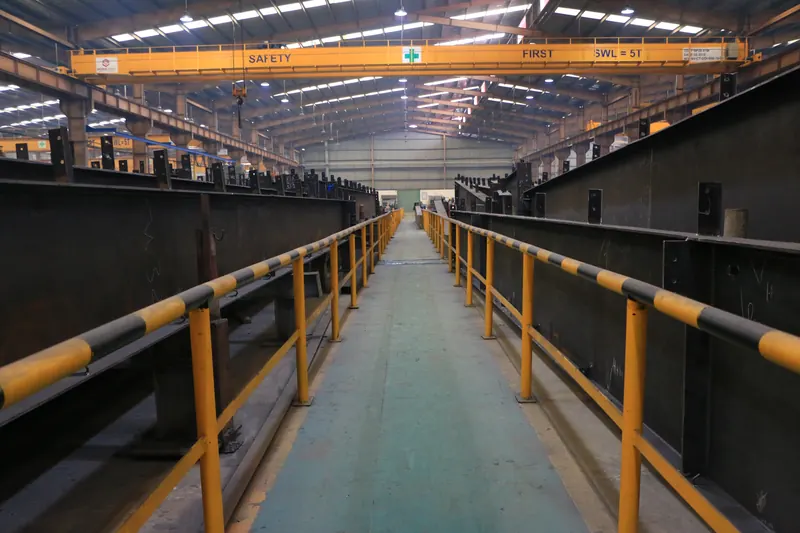
FCAW electrode exposure limits: moisture control for seismic welds
Flux cored wire can soak up moisture from humid air, and moisture means hydrogen in the weld. AWS D1.8 caps how long FCAW wire may sit exposed before it is used on a demand critical weld. Here is the rule and how a shop keeps track.
7 min read · Nov 22, 2026
 Quality and certification
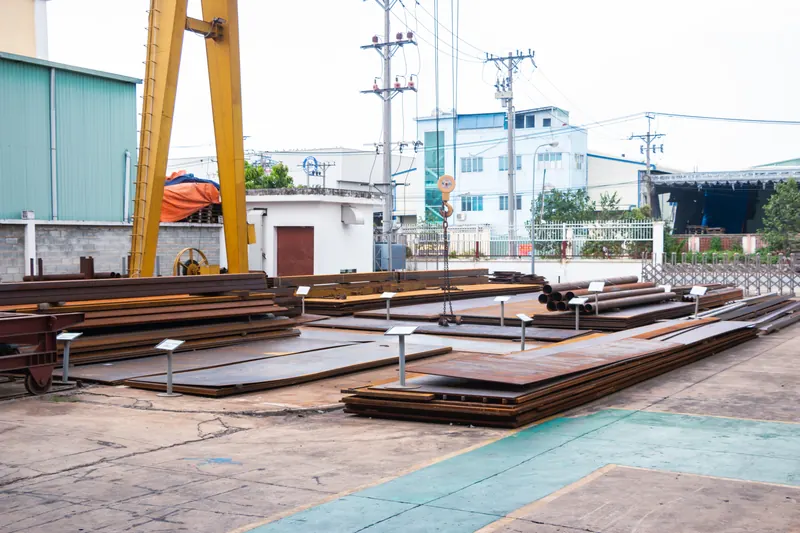
Filler metal production lot control for demand critical welds
Two spools of the same wire can weld differently if they come from different heats of raw material. AWS D1.8 Clause 6.3 controls that with lot classes, lot testing and a well-defined exemption. Here is how it works.
7 min read · Nov 22, 2026
 Quality and certification
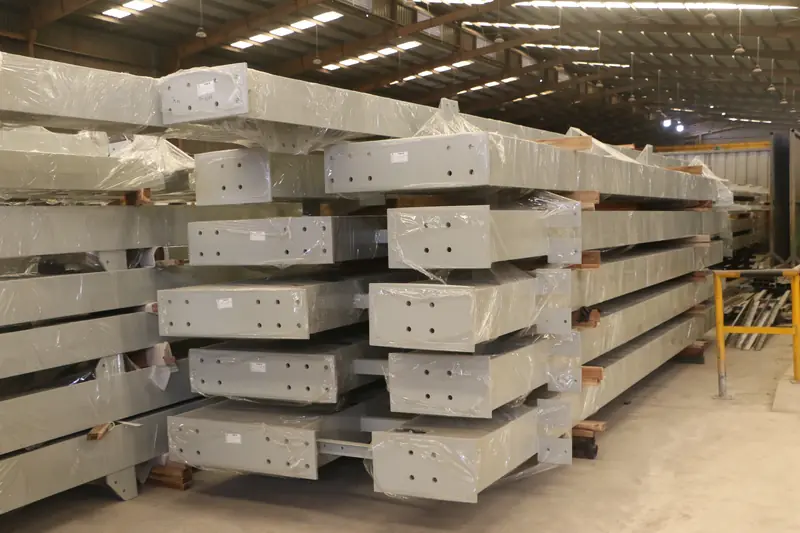
Mill building connections: slip-critical bolts, weld spacing and minimum thickness
Cranes and machines shake a mill building millions of times over its life, and connections are where that shows first. AIST TR-13 Sections 5.12 to 5.14 set short, firm rules for bolts, welds and plate thickness. Here is what they say and why.
7 min read · Nov 22, 2026
 Quality and certification
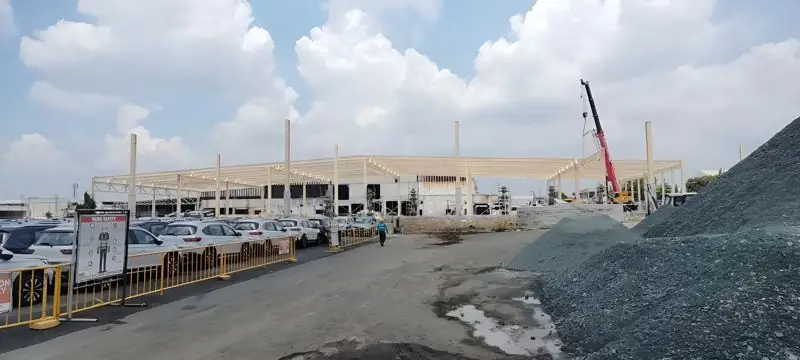
Post-disaster inspection plans for data centers: getting back inside fast
After a major earthquake or storm, a data center may be structurally fine and still sit empty for weeks, waiting for someone qualified to say it is safe. The Data Center Handbook describes a simple fix: a post-disaster inspection plan arranged before the disaster.
5 min read · Nov 22, 2026
 Quality and certification
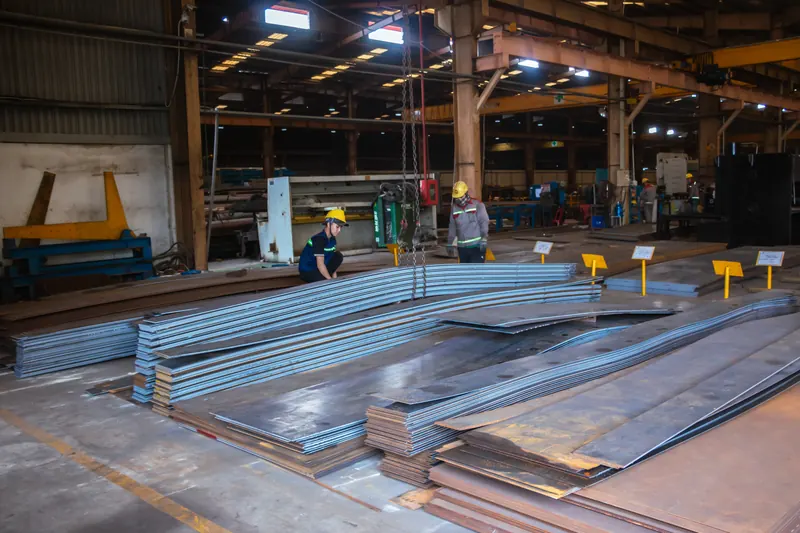
Seismic base metal repair: grinding tapers and repair welding under AWS D1.8
Gouges, arc strikes, misplaced tacks and cutting notches happen in every shop. In a seismic frame each one is a possible crack starter, so AWS D1.8 sets exactly how they are ground out or welded back. Here are the two repair routes and when each applies.
7 min read · Nov 22, 2026
 Quality and certification
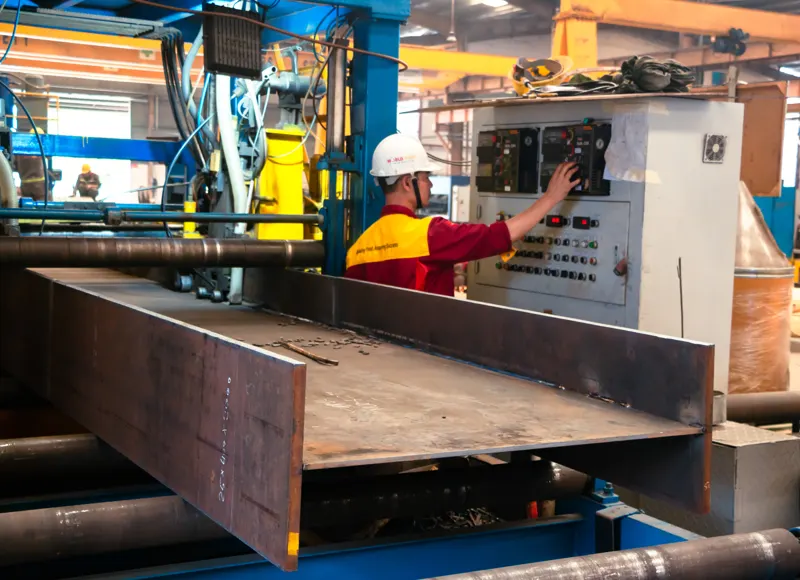
Seismic filler metal toughness: the two CVN tests behind every AWS D1.8 weld
AWS D1.8 asks for weld metal that stays tough when the steel around it yields. It does that with two Charpy tests, a hydrogen limit and a short list of exempt electrodes. Here is how the numbers fit together.
7 min read · Nov 22, 2026
 Quality and certification
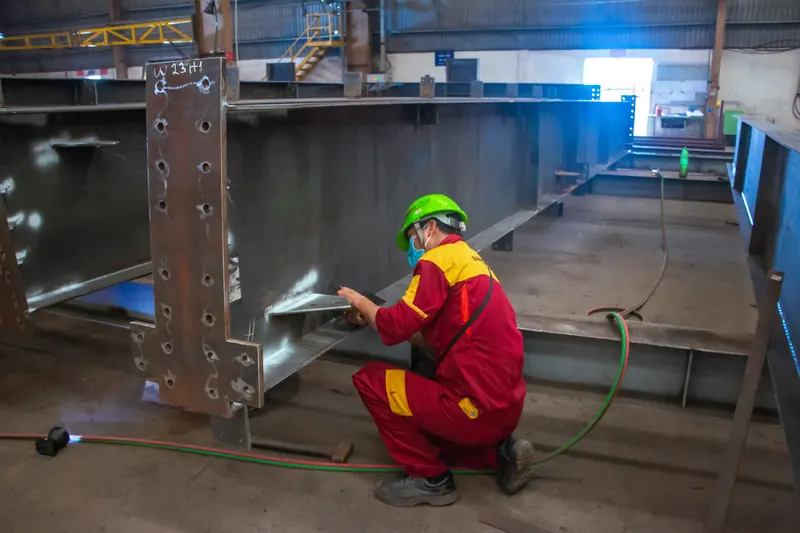
Seismic steel fabrication, quality control and quality assurance: AISC 341 Chapters I and J
A seismic design is only as good as the steel that arrives on site. AISC 341-22 Chapter I sets how the seismic system is fabricated and erected, and Chapter J, rewritten to align with AISC 360-22 Chapter N, sets who checks it and how. Here is what both chapters ask of the fabricator, the erector and the inspector.
7 min read · Nov 22, 2026
 Quality and certification
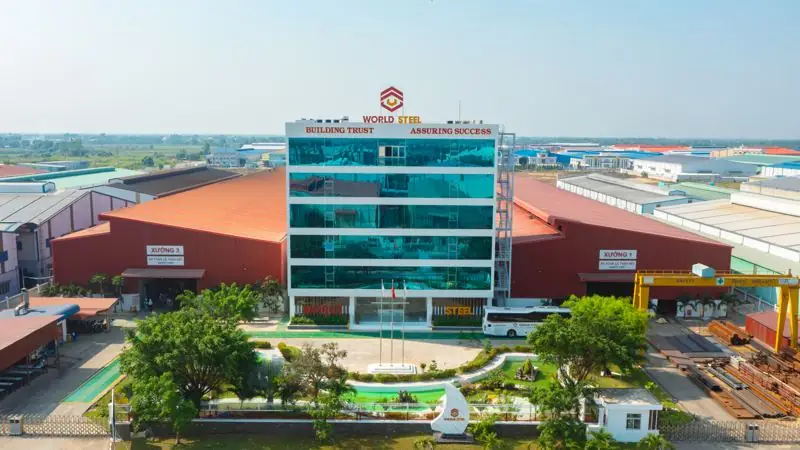
Seismic weld QC and QA: who inspects what under AWS D1.8
On a seismic project two sets of inspectors look at the same welds: the fabricator's quality control and the owner's quality assurance. AWS D1.8 Clause 7 sets who they are, how they qualify and which extra checks a seismic frame needs. Here is how it fits together.
7 min read · Nov 22, 2026
 Quality and certification
Seismic WPS requirements: processes, heat input, interpass and wind under AWS D1.8
A welding procedure for a seismic frame looks like any D1.1 procedure until you read the extra lines. AWS D1.8 adds approved processes, named products, heat input limits, a wind limit and an interpass cap. Here is each one.
7 min read · Nov 22, 2026
 Quality and certification
The restricted access welder test: qualifying welders for seismic bottom flange joints
Northridge showed that the hardest weld on a moment frame is the bottom flange, welded through a hole in the beam web. AWS D1.8 asks the welders who make it to pass an extra test. Here is who needs it and how it works.
7 min read · Nov 22, 2026
 Quality and certification
Ultrasonic testing of demand critical welds, with Annex G magnetic particle testing
After Northridge, studies found that the skill of ultrasonic technicians varied widely, and that flaws near steel backing were easy to miss. AWS D1.8 answers with qualified procedures, a hands-on technician exam and a stricter MT method. Here is how they work.
7 min read · Nov 22, 2026
 Quality and certification
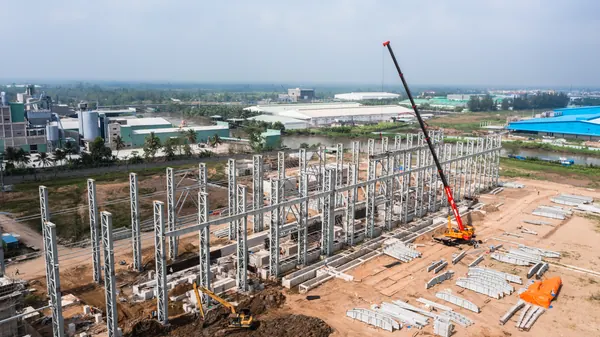
Crane column and girder end tolerances: shop limits that keep the rail straight
Normal building tolerances are not enough for a crane runway. AIST TR-13 adds tighter limits for crane columns and girder ends, and splits each one into fabrication or erection, so everyone knows who owns it.
3 min read · Nov 21, 2026
 Quality and certification
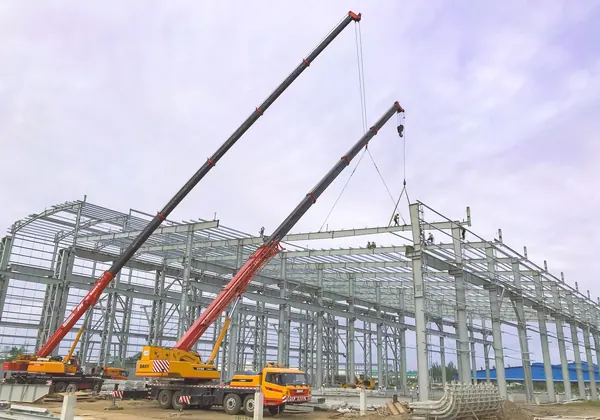
Crane girder weld testing: which welds get UT, RT, MT or PT under AIST TR-13
A crane girder weld that would pass in an ordinary building can fail a runway. AIST TR-13 asks for cyclic acceptance criteria and 100% testing on the welds that carry the wheel loads. Here is the scope, weld by weld.
3 min read · Nov 21, 2026
 Quality and certification
Crane runway inspection: setting up a program for an operating mill building
A crane runway that is never inspected fails on its own schedule. Appendix C of AIST TR-13 sets out an inspection program: frequency by duty, clear roles, a checklist and reports that build a history.
4 min read · Nov 21, 2026
Quality and certification
IAS AC472 and AISC certification: what US contractors should know
Both programs tell a building official that a steel fabricator's quality system has been audited. They are run differently, and the difference matters when the shop is abroad.
3 min read · Nov 18, 2026
 Quality and certification
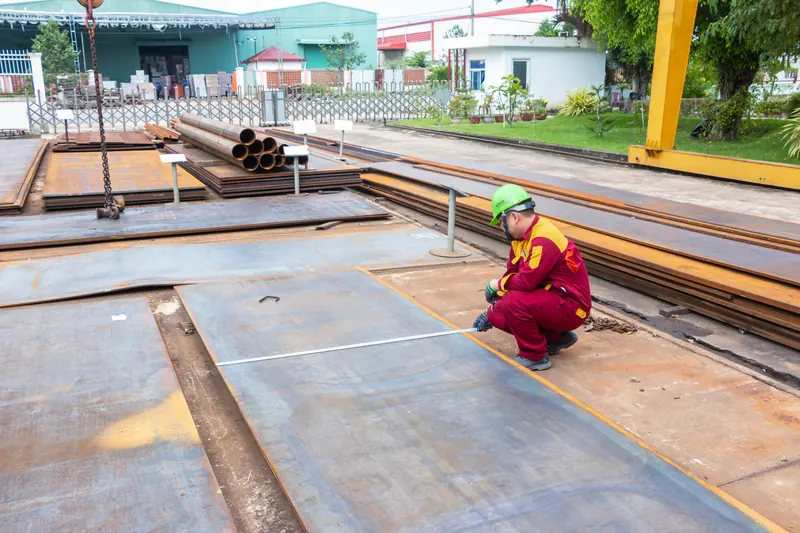
Reading a steel mill test certificate: heat numbers, 3.1 and Charpy values
A mill test certificate is the birth certificate of every plate and section in your building. Here is how to read one and how it should follow the steel.
3 min read · Nov 18, 2026
 Quality and certification
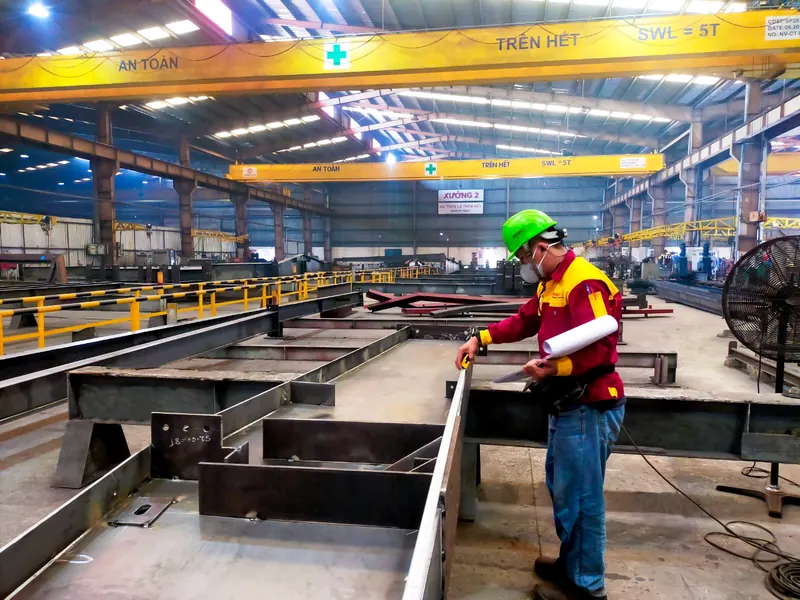
Special inspection of fabricated steel when the shop is abroad
IBC Chapter 17 does not stop at the US border. Here is how special inspection of fabricated steel is planned when the shop is on the other side of the Pacific.
3 min read · Nov 18, 2026
 Quality and certification
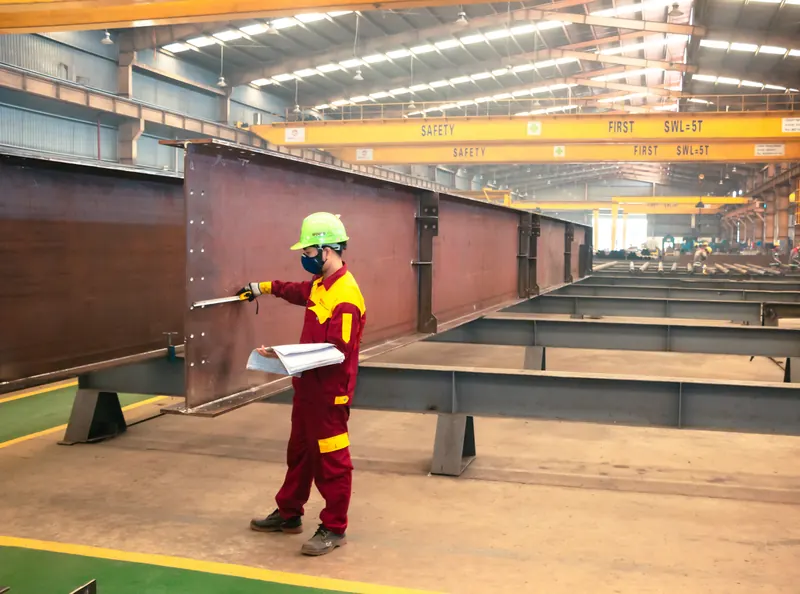
Visual, ultrasonic or magnetic particle: how welds are checked
Every structural weld gets looked at; only some get tested. Here is how weld inspection works, which methods apply where, and what the records should show.
3 min read · Nov 18, 2026
Bidding a large US project?
Send the bid documents, or just a footprint and an address. Our engineers check them against US code requirements and confirm what World Steel would supply, from a plant that fabricates 2,500 metric tons of structural steel a month.