
Haiti · Building code
Structural steel and the Haiti National Building Code
After the 2010 earthquake, Haiti adopted a National Building Code, the Code National du Bâtiment d’Haïti (CNBH), in 2012. It sets seismic and wind loads for the country and refers to US standards for much of the detail: the IBC, ASCE 7 and the AISC specifications for steel. Development partners often add their own requirements on top. Your engineer of record sets the basis; we state it on the first sheet of our calculations.
Made in World Steel’s own plant in Vietnam, the first and only fabricator in Vietnam accredited under IAS AC472, 2,500 t a month, and shipped to Port-au-Prince or Cap-Haïtien.
- Code
- CNBH 2012
- References
- IBC, ASCE 7, AISC
- Ministry
- MTPTC
- Our part
- Code stated on sheet one
Why it matters
One clear design basis for every reviewer
Ministry engineers, funders’ technical advisors and the engineer of record each read the drawings for a different reason. A clear statement of the code, the seismic and wind values and the materials on the first sheet keeps every reviewer on the same page.
Projects funded by development banks and international agencies often require third-party review and inspection. We supply calculations, drawings and fabrication records in a form those reviewers can follow, in English.
Design basis
What the steel design states
The items we confirm with your engineer of record in Haiti before modeling.
| Item | What we state |
|---|---|
| Code | CNBH 2012 and the US editions it references |
| Seismic | Site class, spectral values and seismic design category |
| Wind | Basic wind speed, exposure and risk category |
| Steel | AISC 360 design, AISC 341 seismic detailing |
| Owner specs | Funder or owner requirements where they apply |
Who does what
Review work, split clearly
World Steel supplies
- Steel design or detailing to the Haiti National Building Code
- Calculations and drawings for review
- Answers to plan-review comments on the steel in Haiti
- Mill certificates traced by heat
- Tekla shop and erection drawings, included
In Haiti, the contractor and the engineer of record arrange
- Permits with the ministry and the commune
- Third-party review where required
- Geotechnical report and site class
- Inspections on site
- Foundations and erection
Haiti
What we do not claim
World Steel holds no approval, licence or registration in Haiti and does not apply for permits. The engineer of record approves the design and your team files it with the authorities in Haiti.
Products and solutions
The World Steel pages behind this guide
Department by department
How this applies in your department
Haiti has 10 departments. Open Ouest, Nord or Artibonite to see the local wind, ground and coast, the road from Port-au-Prince and the steel we recommend there.
Real World Steel photos
World Steel at work
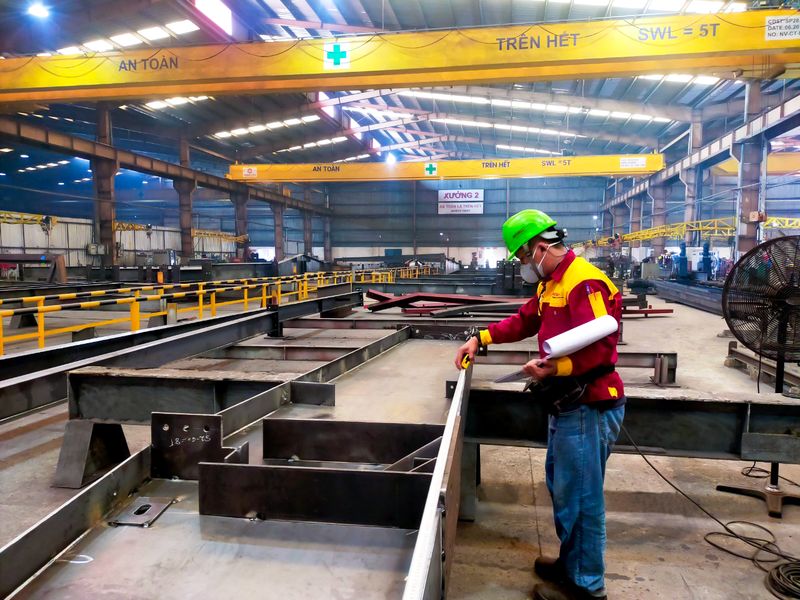
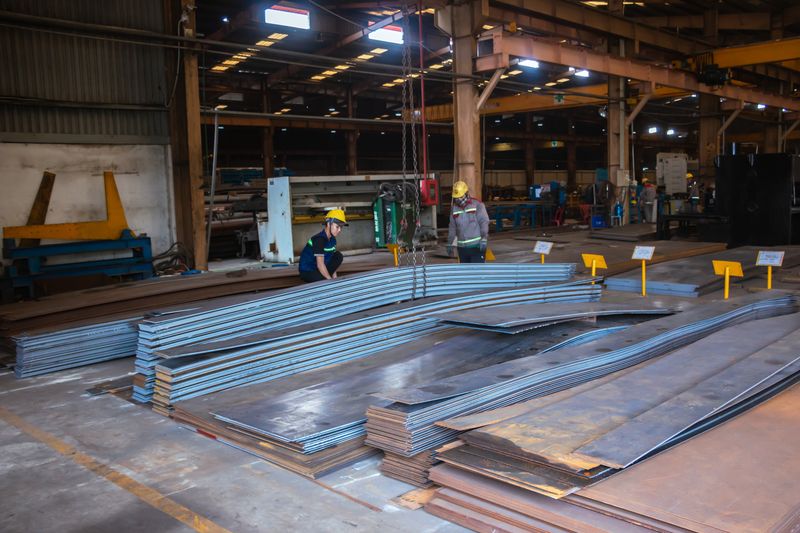
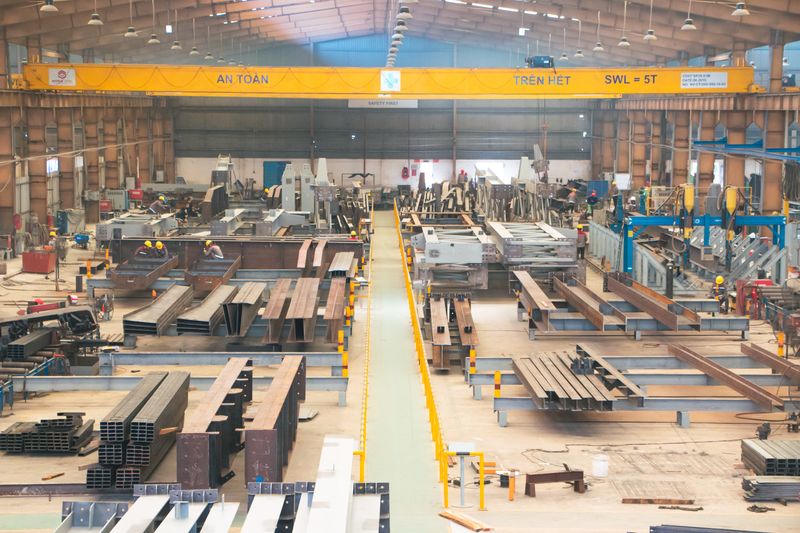
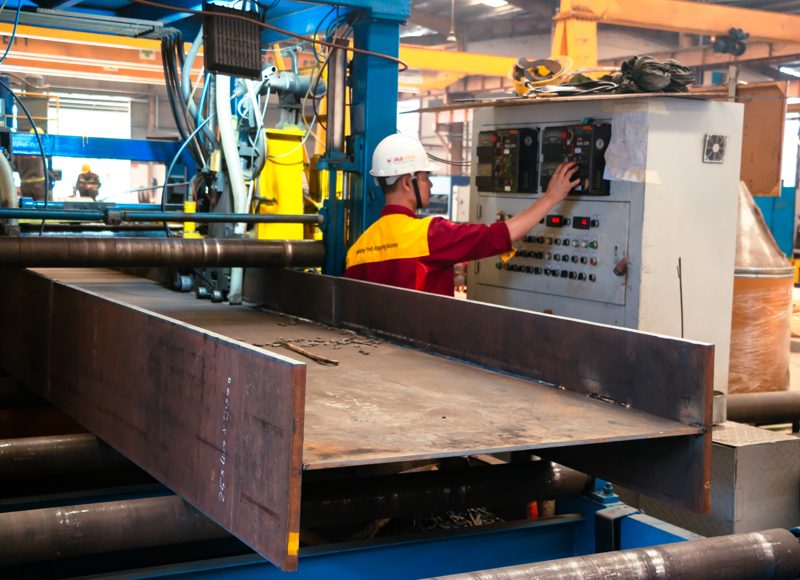
Real photos from our plant in Vietnam, where the steel for your Haiti project is cut, welded, inspected and packed.
Q&A
What Haitian buyers ask
Does the Haiti code use US standards?
Yes, for much of the detail. The CNBH sets loads for Haiti and refers to the IBC, ASCE 7 and AISC standards. Your engineer of record sets the exact basis.
Can you work to a funder’s technical requirements?
Yes. We design and fabricate to the basis your engineer agrees with the owner and the funder, and supply the records their inspectors ask for.
Are your drawings in French?
Our calculations and drawings are in English. Your engineer or architect of record can add French notes for local reviewers where needed.
Haiti solutions
Every Haiti guide
Related pages
Code facts on this page summarize practice in Haiti and the standards it references. They are not legal or engineering advice; your engineer of record and the Ministry of Public Works (MTPTC) and the commune confirm the code and edition in force for your project.

Contact World Steel · Haiti
Talk to us about steel for Haiti
WhatsApp, email or a video call with our engineers, booked at an hour that suits Port-au-Prince. Our contact page for Haiti has the ports, the local time and the form.