ISO 12944 C3 is the medium corrosivity category, and for US structural steel it is the most common exterior category of all. Suburbs, cities with moderate traffic, light-industrial parks and coastal areas with little salt in the air usually land here, along with many humid interiors. C3 is also the rung where a coating specification starts to look like a real protective system: blast cleaning, a chosen primer, two or three coats and a laboratory test behind them.
This article is the third of six in our ISO 12944 series. The main corrosion protection guide shows the full ladder from C1 to CX.
The C3 environment
ISO 12944-2 sets the C3 limits, taken from ISO 9223, by the first-year loss of standard samples:
| Metal | First-year mass loss | First-year thickness loss |
|---|---|---|
| Low-carbon steel | more than 200 and up to 400 g/m² | more than 25 and up to 50 µm (1–2 mils) |
| Zinc | more than 5 and up to 15 g/m² | more than 0.7 and up to 2.1 µm |
Fifty micrometers in a year is the thickness of a typical coat of paint. Unprotected steel in C3 air will show visible rust within weeks and measurable section loss within a few years.
Where C3 shows up on US projects
The standard describes C3 as urban and industrial atmospheres with moderate sulfur dioxide pollution, coastal areas with low salinity, and production rooms with high humidity and some air pollution. In practice:
Exterior
- Metro areas across the South, Midwest and Northeast away from heavy industry and away from the shore.
- Light-industrial and logistics parks with truck traffic.
- Coastal regions a good distance inland, or on sheltered bays with little breaking surf.
Interior
- Food and beverage plants, breweries, dairies and laundries.
- Cold storage with regular defrost cycles.
- Unheated buildings in humid climates where the frame stays damp for long periods.
Where de-icing salt splashes around loading docks, or where a site sits within a few kilometers of open surf, check whether C4 is the better answer.
How to confirm C3
ISO 9223 offers two routes: measure the first-year loss of exposed coupons, or estimate the category from time of wetness, sulfur dioxide and chloride deposition. For most building projects a first estimate from location and use is enough, refined with local data when the site is near the coast or industry. Our Site Conditions Advisor gives that first estimate in minutes.
Example paint systems for C3
ISO 12944-5 lists example systems by primer binder (for example epoxy, polyurethane or zinc-rich), number of coats and nominal dry film thickness. Our rounded, paraphrased summary of the typical C3 range, with the current edition's tables and the coating maker's data sheet governing:
| Durability | Typical system | Coats | Typical total NDFT |
|---|---|---|---|
| Low | Epoxy or alkyd primer and finish | 1–2 | about 100–120 µm (4–5 mils) |
| Medium | Epoxy primer, epoxy or polyurethane finish | 2 | about 120–160 µm (5–6 mils) |
| High | Zinc-rich epoxy primer + epoxy + polyurethane, or epoxy throughout | 2–3 | about 160–200 µm (6–8 mils) |
| Very high | Zinc-rich primer + epoxy build coat + polyurethane | 3 | about 200–260 µm (8–10 mils) |
Why zinc-rich primers appear here: the zinc dust in the dry film protects the steel galvanically at scratches and pinholes, so a zinc-rich system reaches the same durability with less total film than a barrier-only system. The standard defines how much metallic zinc a primer needs in its dry film to count as zinc-rich.
Surface preparation for C3
- Sa 2½ blast cleaning to ISO 8501-1 is the normal grade, close to SSPC-SP 10 near-white. Zinc-rich primers need it.
- A medium blast profile on the ISO 8503 comparator suits most C3 primers; the coating maker's data sheet sets the range.
- Welds, edges and surface defects are prepared to ISO 8501-3 grade P2 in most C3 specifications: spatter removed, sharp edges rounded and laminations ground.
- Dust on the blasted surface is checked to ISO 8502-3 before priming.
Laboratory performance at C3
ISO 12944-6 is where a system earns the right to be offered for C3. For high durability, the 2018 edition asks for 240 hours of water condensation and 480 hours of neutral salt spray, with the panels then assessed for blistering, rusting, cracking, flaking and adhesion. Ask the coating maker for the report behind the exact system on your drawings.
Inspection and records
Each coat on each member is logged in our paint hall:
- Steel temperature, air temperature and humidity, keeping the steel at least 3 °C above dew point.
- Blast cleanliness and profile readings.
- Wet film checks during application and dry film thickness after cure, assessed with the ISO 19840 approach or SSPC-PA 2 when your specification names it.
- Adhesion tests (ISO 4624 pull-off or ISO 2409 cross-cut) where the specification asks for them.
All of it sits in the Manufacturing Data Record and in PEB Studio, and you can witness the coating hold point by video.
How World Steel delivers C3 systems at scale
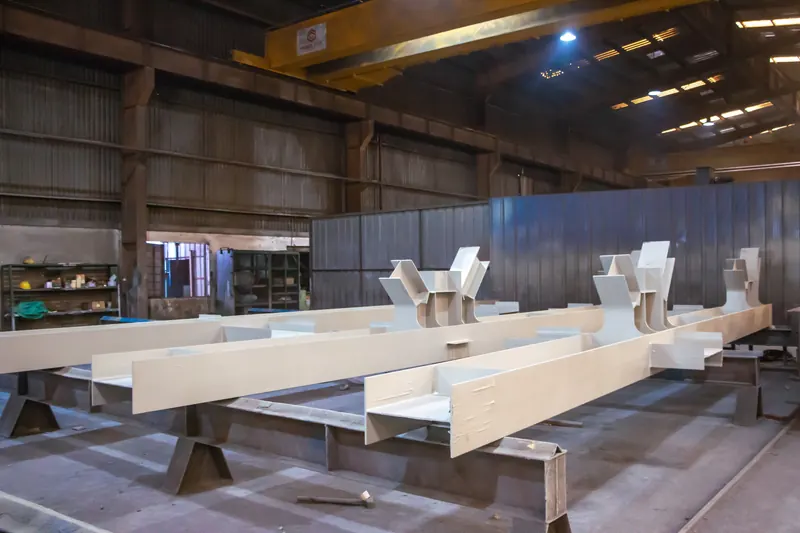
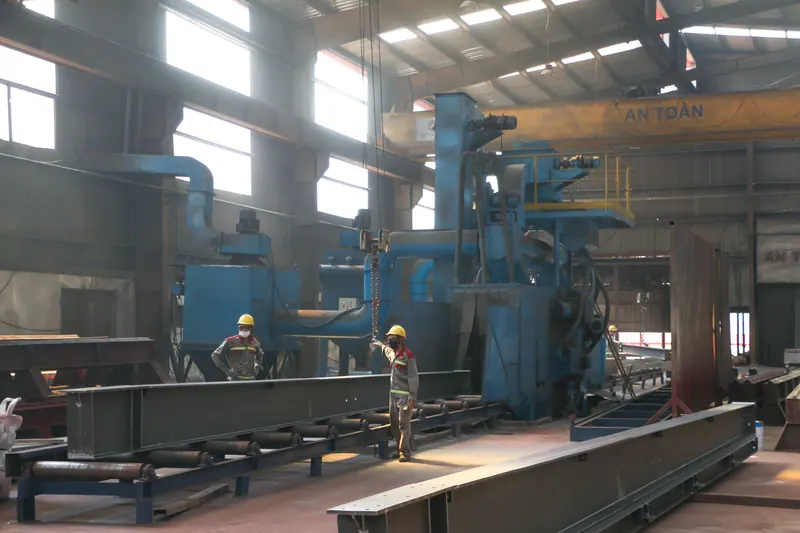
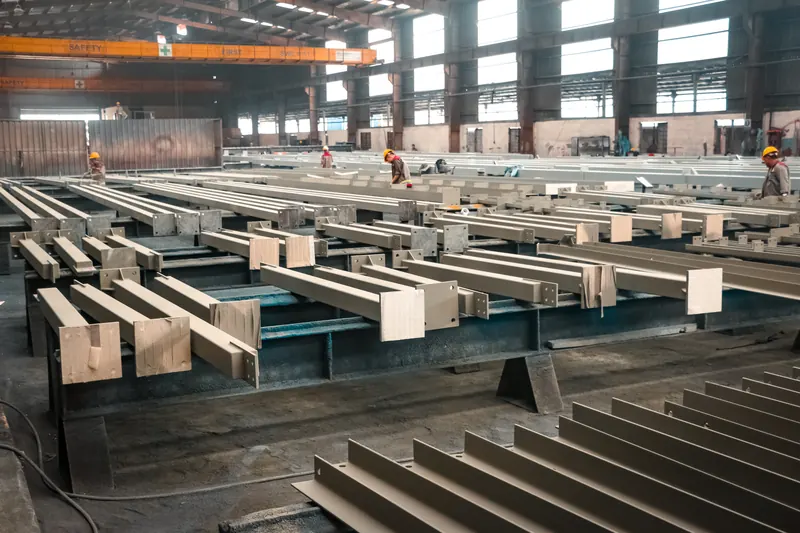
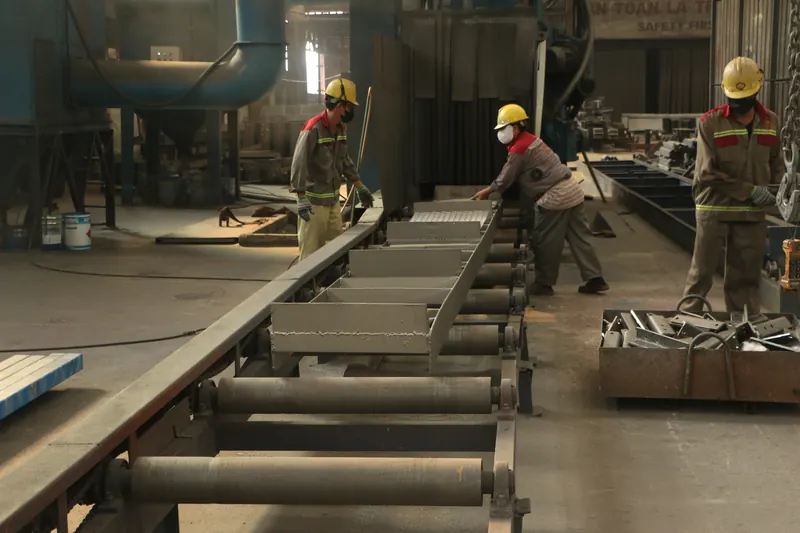
C3 is the category of most large US warehouses, plants and multi-storey frames, and our plant fabricates 2,500 metric tons of structural steel a month through one blasting line and paint hall. We apply coating systems from Jotun, PPG, Carboline, Hempel, Nippon Paint and International Paint, sold across the US so touch-up paint matches the factory system. The products carry UL certification, our painters are trained and certified by the paint manufacturer, and our coating inspectors hold FROSIO Level III and BGAS qualifications. When a specification requires an SSPC- or AMPP-certified inspector, the customer appoints a third-party inspector and gets full access. See our epoxy coatings page for the build coats we apply most.
Next on the ladder
Below C3 sits ISO 12944 C2, dry inland air. Above it, ISO 12944 C4 brings industrial zones, pools and moderate coastal salt, where zinc-rich primers become the norm. Return to the coastal corrosion protection guide for detailing and duplex options.
Quick answers
Is most of the US C3?
Many US metro areas with moderate humidity and some traffic or industry fall in C3, as do coastal areas with low salt deposition. Dry inland regions are often C2 and shorelines are C4 or C5.
Can a food plant interior be C3?
Often yes. Humidity, washdown and cleaning chemicals make many food, beverage and laundry interiors C3, and chilled rooms with frequent washdown can reach C4.
What is the minimum system for C3 high durability?
In the ISO 12944-5 example tables a high-durability C3 system is typically two or three coats totalling roughly 160–200 µm, with a zinc-rich primer allowing the thinner end. Your coating maker's system and data sheet set the final build.
Do C3 systems need a lab test?
Yes. ISO 12944-6 asks for both water condensation and neutral salt spray tests for C3. For high durability the 2018 edition uses 240 hours of condensation and 480 hours of salt spray.
Keep building your steel plan
Go further on USPEB.com
On this topic
Across the US market
- Steel fire protectionIntumescent and fire-rated steel packages
- Quality hubCoating inspection by FROSIO Level III inspectors
- Products catalogGalvanized, painted and built-up members
- Download centerSample ITP, design report and approval drawings
- Large projects, 2,500 t a monthCapacity for large US general contractors
- Contractor partnershipLong-term supply for US contractors