ISO 12944 C1 is the first rung of the corrosivity ladder: the indoor air of a heated, dry, clean building. Bare carbon steel in a C1 space loses so little metal in a year that, for corrosion alone, it needs no coating at all. Yet C1 steel is still painted on most projects, and the coating specification still has decisions in it. This article explains what the category means, how to check that a space really is C1, and what a sensible specification looks like. It is part of a six-step series that climbs from C1 to CX; the main corrosion protection guide shows the whole ladder.
What ISO 12944 C1 means
ISO 12944-2 borrows its categories from ISO 9223, which ranks the atmosphere by the mass of metal a standard flat sample loses in its first year of exposure. For C1, very low corrosivity, the limits are:
| Metal | First-year mass loss | First-year thickness loss |
|---|---|---|
| Low-carbon steel | up to 10 g/m² | up to 1.3 µm (0.05 mil) |
| Zinc | up to 0.7 g/m² | up to 0.1 µm |
To put that in perspective, the same steel on a breaking-surf shoreline (CX) can lose several hundred micrometers in its first year. In C1 the air is dry most of the time, there is no salt or sulfur in it, and surfaces rarely stay wet long enough for rust to start.
Where you find C1 in US buildings
The standard describes C1 as heated buildings with clean atmospheres. On US projects that typically means:
- Offices, schools, hospitals and retail interiors with year-round heating and cooling.
- Data halls and electrical rooms held at controlled temperature and humidity.
- Conditioned warehouses and distribution centers where dock doors are sealed and kept closed.
- Interior steel in multi-storey frames once the curtain wall and roof are complete.
C1 never applies to the outside of a building. Even the driest desert exterior is at least C2, because dew, dust and occasional rain wet the steel.
When a "C1 interior" is not C1
The category belongs to the air around the steel, not to the building type. Watch for these traps on large projects:
- Open dock doors and drive aisles let outside air, rain and in the Snow Belt de-icing salt into the first bays.
- Unheated periods during construction or seasonal shutdown let condensation form on cold steel.
- Process humidity from kitchens, laundries, humidified clean rooms or pools moves those zones to C2, C3 or higher.
- Perimeter steel behind cladding can sit in a colder, damper microclimate than the occupied space.
The practical answer is to zone the building. Interior frames in the conditioned core can be specified as C1, while dock columns, canopies and perimeter girts get the category of the air they really see. The ISO 12944 categories overview covers zoning in more detail.
Durability ranges at C1
ISO 12944-1 sets four durability ranges for the time to first major maintenance: low (up to 7 years), medium (7 to 15), high (15 to 25) and very high (more than 25). These are planning ranges, not warranties. In a true C1 space even a thin system will usually outlast the building's fit-out cycle, so durability is rarely what drives the C1 specification. Appearance, cleanability and fire protection do.
What goes in a C1 coating specification
Because the example-system tables in ISO 12944-5 begin at C2, a C1 specification is written from the project's other needs. A typical set of choices:
| Need | Typical choice |
|---|---|
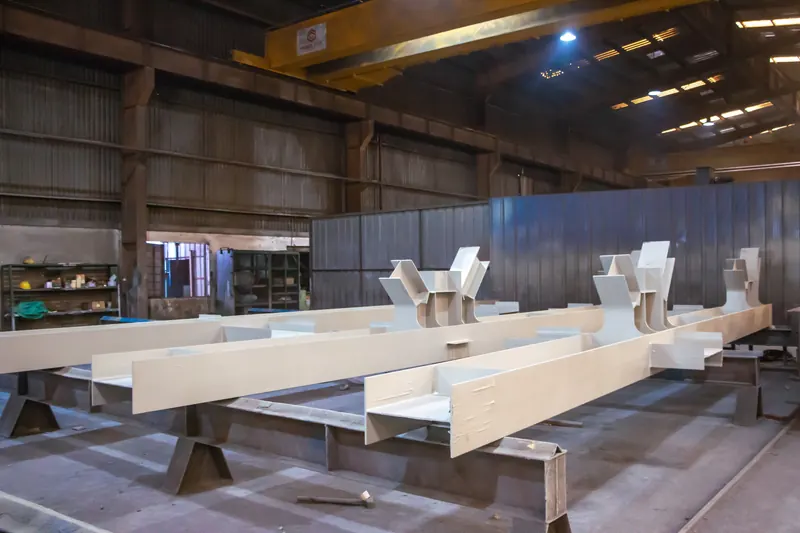
| Protection in transit and during construction | Shop primer, often an epoxy or alkyd primer of about 40–80 µm (1.5–3 mils) |
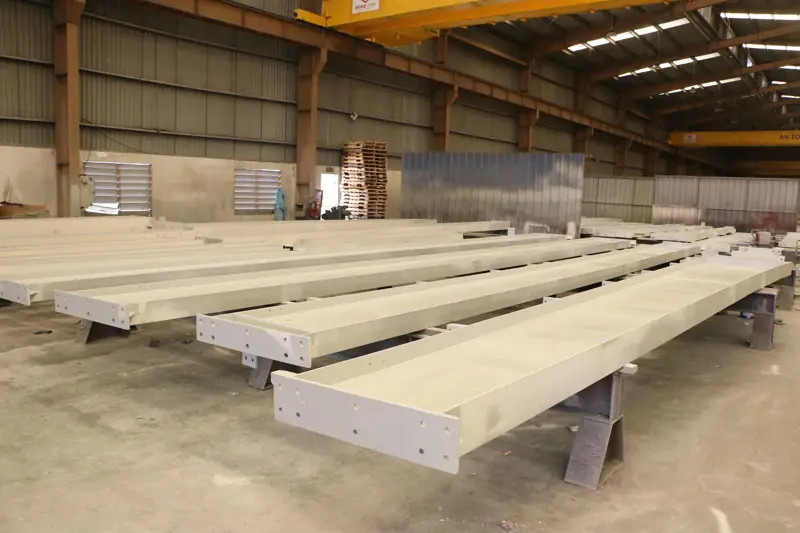
| Exposed frames where looks matter | Primer plus a topcoat in the owner's color, about 80–120 µm (3–5 mils) total |
| Steel to receive intumescent fire protection | A primer named as compatible by the intumescent maker, at the thickness they allow |
| Steel hidden above ceilings or inside walls | Primer only, or uncoated where the specification allows and the steel stays dry |
| Faying surfaces of slip-critical bolted joints | Left bare or coated only with a primer qualified for the required slip class |
Remember that ocean freight from Vietnam to a US port and weeks of storage on site are not C1 conditions. The shop-primed vs shop-painted steel article explains why a robust primer is cheap insurance even for steel that will finish its life indoors.
Surface preparation for C1 steel
Preparation grades come from ISO 8501-1, which uses photographs of rust grades A to D and cleaning grades. For C1 work:
- Hand or power-tool cleaning to St 2 or St 3 can be enough under a surface-tolerant primer on hidden steel.
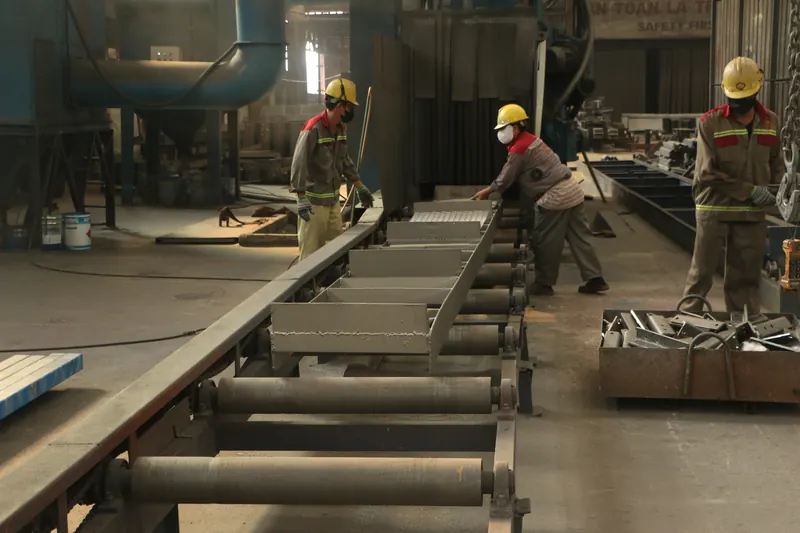
- Abrasive blasting to Sa 2½ (close to SSPC-SP 10 near-white) is the norm whenever a topcoat or an intumescent system follows, because adhesion of the whole stack starts at the primer.
- Weld spatter and sharp edges are dressed to an ISO 8501-3 grade agreed in the specification, usually P1 for C1.
Inspection that still matters indoors
A low category does not mean no records. On every coated member we measure and log:
- Ambient conditions and steel temperature before coating, keeping the steel at least 3 °C (5 °F) above the dew point.
- Blast profile, where the steel is blasted.
- Dry film thickness per coat, assessed against the nominal value as ISO 19840 describes (no more than a fifth of readings below nominal and none below 80% of it, unless the specification says otherwise).
The readings go into the Manufacturing Data Record and are visible in PEB Studio while your job is in production.
How World Steel handles C1 packages
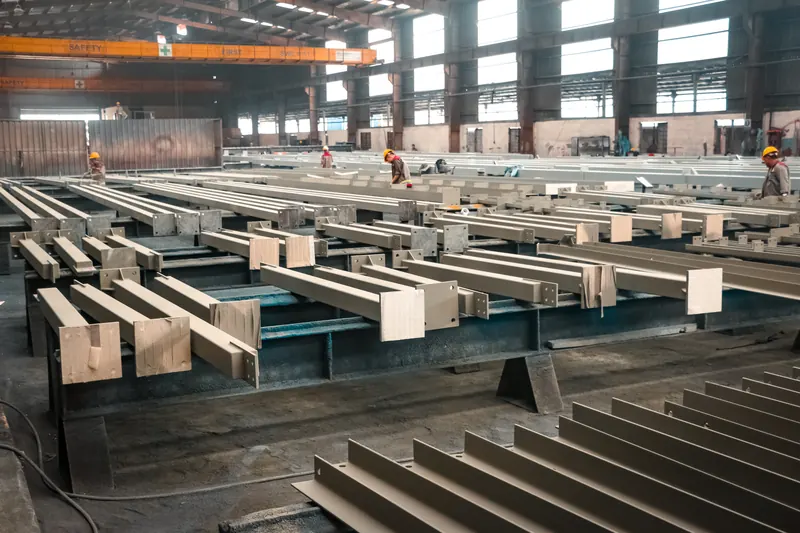
Large interior frames are where our capacity shows: our plant fabricates 2,500 metric tons of structural steel a month, and C1 steel moves through the same blasting line and paint hall as coastal steel. We apply coating systems from Jotun, PPG, Carboline, Hempel, Nippon Paint and International Paint; the products carry UL certification and our painters are trained and certified by the paint manufacturer. Our coating inspectors hold FROSIO Level III and BGAS qualifications. If your specification calls for an SSPC- or AMPP-certified inspector, the customer appoints that third-party inspector and we give full access to the paint hall, in person or by video.
Climbing the ladder
C1 is the only category where the steel itself is not under attack. One step up, ISO 12944 C2 covers dry inland exteriors and unheated buildings with condensation, and that is where the ISO 12944-5 paint system tables begin. To find the right rung for each part of your building, start with the Site Conditions Advisor and the coastal corrosion protection guide.
Quick answers
Does steel in a C1 interior need any paint?
Not for corrosion once the building is closed and conditioned. Most owners still specify a primer or a light system to protect the steel in transit and during construction, and for appearance where frames stay exposed.
Is a data hall or office always C1?
Only while it stays heated, dry and clean. Loading doors left open, humidifiers, cooling plant or process steam can push parts of the same building to C2 or C3.
Does ISO 12944-5 list paint systems for C1?
The example-system tables in Part 5 start at C2. For C1 the choice is driven by appearance, fire protection compatibility and the exposure the steel sees before the envelope closes.
What about steel that will get intumescent fire protection?
Then the primer must be one the intumescent maker accepts. That compatibility rule matters far more in a C1 interior than the corrosivity itself.
Keep building your steel plan
Go further on USPEB.com
On this topic
Across the US market
- Steel fire protectionIntumescent and fire-rated steel packages
- Quality hubCoating inspection by FROSIO Level III inspectors
- Products catalogGalvanized, painted and built-up members
- Download centerSample ITP, design report and approval drawings
- Large projects, 2,500 t a monthCapacity for large US general contractors
- Contractor partnershipLong-term supply for US contractors