ISO 12944 C2 is the second rung of the corrosivity ladder, and the first one where the standard gives example paint systems. It describes air that is mostly dry and clean but where steel does get wet: dew on an inland exterior, or condensation on the cold frame of an unheated building. Getting C2 right matters on big projects for a simple reason. Much of a large warehouse or factory frame sits in C2 air, and a specification written for C4 "to be safe" spends coating where corrosion barely happens.
This article is one of six in our ISO 12944 series. The main corrosion protection guide shows how all six rungs fit together.
The C2 environment in numbers
ISO 12944-2 defines C2, low corrosivity, by the first-year loss of standard flat samples, using the same limits as ISO 9223:
| Metal | First-year mass loss | First-year thickness loss |
|---|---|---|
| Low-carbon steel | more than 10 and up to 200 g/m² | more than 1.3 and up to 25 µm (1 mil) |
| Zinc | more than 0.7 and up to 5 g/m² | more than 0.1 and up to 0.7 µm |
The range is wide. A C2 site at the low end behaves almost like an interior; one at the top end is close to C3. Time of wetness, the share of the year that steel surfaces stay wet, is what moves a site through the band.
Typical C2 settings
Paraphrasing the standard's informative examples and translating them to US projects:
Outside
- Rural and small-town sites inland with low pollution, especially in dry climates.
- High plains and desert areas away from roads treated with de-icing salt.
Inside
- Unheated warehouses, storage sheds and agricultural buildings where condensation can form.
- Sports halls and depots with large doors but no process moisture.
- The cold side of insulated cladding where vapor control is good.
Not C2: road-salt splash zones around docks in the Snow Belt, anything within a few kilometers of salt water, and livestock interiors with ammonia. Those are C3 to C5.
Choosing durability for C2
ISO 12944-1 gives four ranges for the time to first major maintenance: low (up to 7 years), medium (7 to 15), high (15 to 25) and very high (more than 25). In C2 the step from low to very high adds relatively little film, so owners of long-life buildings often choose high or very high here. They are planning ranges, never a warranty.
Example paint systems for C2
ISO 12944-5 tabulates example systems by primer binder, number of coats and nominal dry film thickness (NDFT). The table below is our paraphrased, rounded summary of the kind of systems the standard and the major coating makers list for C2. The current edition's table and the coating maker's data sheet govern the actual build.
| Durability | Typical primer | Coats | Typical total NDFT |
|---|---|---|---|
| Low | Alkyd, acrylic or epoxy | 1 | about 80–100 µm (3–4 mils) |
| Medium | Alkyd, acrylic or epoxy | 1–2 | about 100–120 µm (4–5 mils) |
| High | Epoxy, or zinc-rich for long exposure before enclosure | 2 | about 120–160 µm (5–6 mils) |
| Very high | Epoxy or zinc-rich with an epoxy or polyurethane top | 2–3 | about 160–200 µm (6–8 mils) |
Notes from the paint hall:
- Single-pack alkyds are economical and easy to touch up but are not suited to higher categories or to steel that will be wetted often.
- Two-pack epoxies give a tougher film that survives ocean freight and site handling better.
- A polyurethane topcoat only earns its place where the steel is exposed to sunlight and color retention matters.
Surface preparation
Preparation follows ISO 8501-1 grades. For C2:
- Blast cleaning to Sa 2½ is the default for epoxy and zinc-rich primers. In US terms it is close to SSPC-SP 10 near-white blast.
- St 3 power-tool cleaning may be accepted for a surface-tolerant primer on hidden steel at low durability.
- Welds and edges are prepared to ISO 8501-3 grade P1 or P2 as the specification states.
- The blast profile is chosen for the primer, usually a medium grade on the ISO 8503 comparator.
Laboratory proof
ISO 12944-6 sets laboratory tests a paint system must pass to be offered for a category and durability. For C2 the test is water condensation only; salt spray testing starts at C3. Ask your coating maker for the test report behind the system they propose.
Inspection and records
On every C2 job we record the conditions before coating (steel temperature at least 3 °C above dew point), the blast grade and profile, and dry film thickness for each coat. DFT is assessed against the nominal value with the ISO 19840 sampling and acceptance approach unless your specification uses SSPC-PA 2. All readings go into the Manufacturing Data Record and can be followed in PEB Studio.
How World Steel applies C2 systems
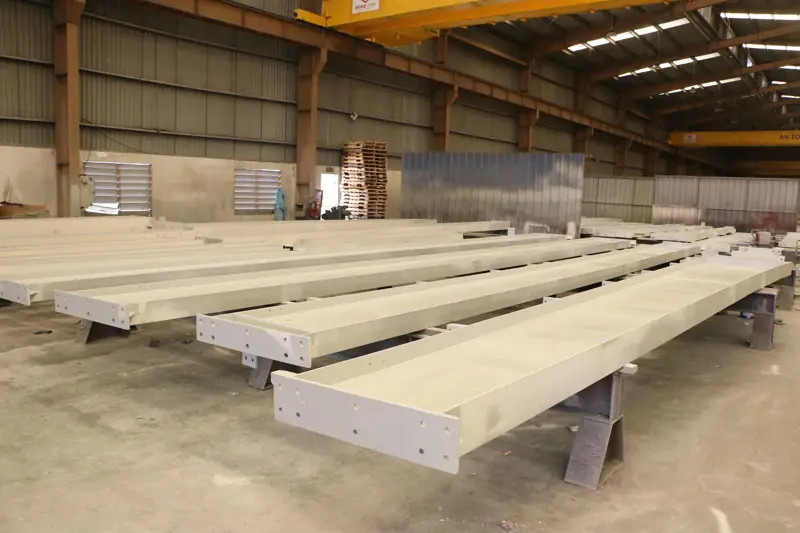
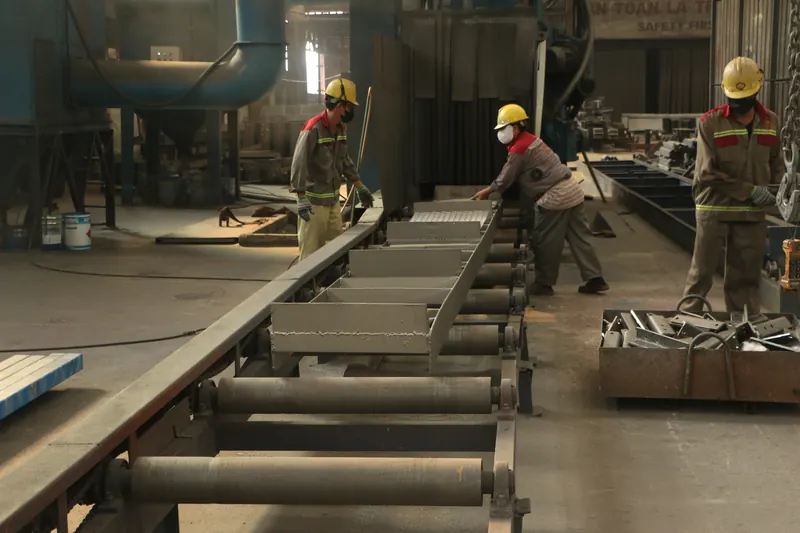
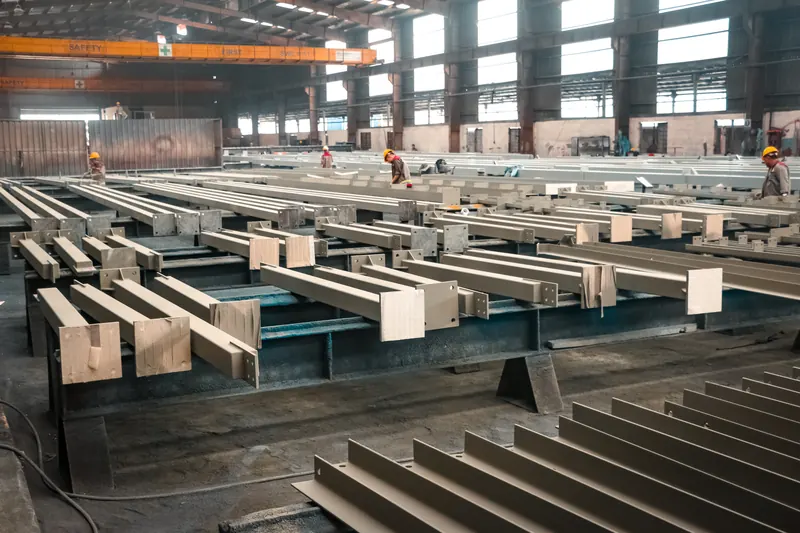
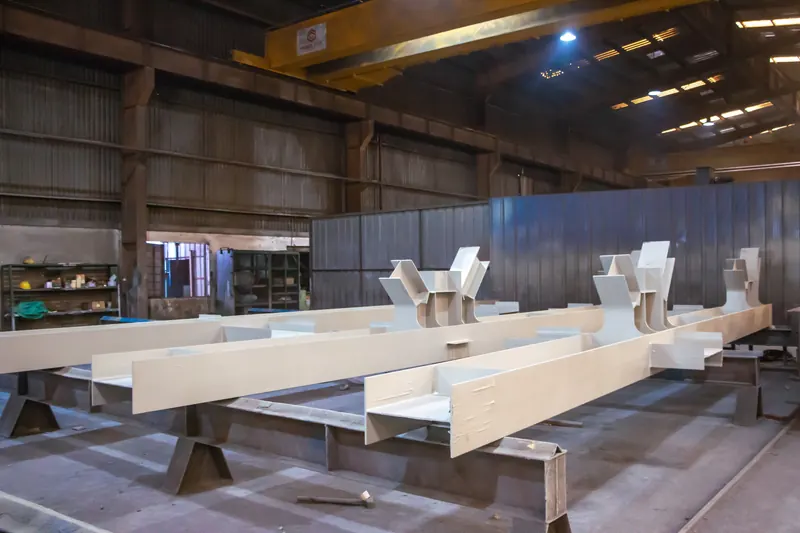
C2 steel is where volume lives on large warehouse and factory jobs, and our plant fabricates 2,500 metric tons a month. We apply coating systems from Jotun, PPG, Carboline, Hempel, Nippon Paint and International Paint, products a US contractor can buy anywhere for touch-up. The products carry UL certification, our painters are trained and certified by the paint manufacturer, and our coating inspectors hold FROSIO Level III and BGAS qualifications. Where a specification requires an SSPC- or AMPP-certified inspector, the customer appoints a third-party inspector and we open the paint hall to them.
Up and down the ladder
One rung down, ISO 12944 C1 covers heated dry interiors where corrosion is not the driver. One rung up, ISO 12944 C3 brings in cities, light industry and mild coastal air, and the first salt spray tests. For the full picture, go back to the coastal corrosion protection guide or read about zinc-rich primer.
Quick answers
Which US places are typically C2?
Dry inland regions with little industry, such as much of the Mountain West and the desert Southwest, and the inside of unheated warehouses, barns and sheds where condensation forms now and then. Site data confirms it.
Is a single coat of primer enough for C2?
For low durability on hidden steel it can be. For high durability on exposed steel, most C2 systems in the ISO 12944-5 tables use two coats so a thin spot in one coat is covered by the other.
Do we need zinc-rich primer in C2?
Usually not for corrosion. It becomes worthwhile when the same steel sits in a damp yard for months, or when the owner wants one primer across zones of different categories.
Can C2 steel be galvanized instead?
Yes. In C2 air zinc loses at most 0.7 µm a year, so a standard ASTM A123 or ISO 1461 coating lasts a very long time. Galvanizing suits exposed members that will be hard to repaint.
Keep building your steel plan
Go further on USPEB.com
On this topic
Across the US market
- Steel fire protectionIntumescent and fire-rated steel packages
- Quality hubCoating inspection by FROSIO Level III inspectors
- Products catalogGalvanized, painted and built-up members
- Download centerSample ITP, design report and approval drawings
- Large projects, 2,500 t a monthCapacity for large US general contractors
- Contractor partnershipLong-term supply for US contractors