Connections are a large share of the labor in a steel frame, and a large share of the RFIs. The AISC Code of Standard Practice (AISC 303) gives three ways to assign connection design. Picking one, and writing it into the contract, avoids weeks of argument.
Option 1: the Engineer of Record shows every connection
The structural drawings show the complete design of each connection: bolts, welds, plates and dimensions. The fabricator details exactly what is shown.
- Good for: projects where the engineer wants full control, or repetitive simple connections.
- Watch for: connections drawn without knowledge of the fabricator's equipment can be costlier to make than necessary.
Option 2: the fabricator selects from tables
The Engineer of Record gives the loads and allows the fabricator to select or complete connections from tables in the AISC Manual or other approved references. The fabricator's detailer picks the configuration; no new engineering calculations are needed for standard cases.
- Good for: simple shear connections on typical framing.
- Watch for: anything outside the tables falls back to option 1 or 3.
Option 3: the fabricator designs connections
The Engineer of Record delegates connection design to a licensed engineer working for the fabricator or engaged by it. The drawings must give the forces and requirements; the fabricator's engineer designs the connections and submits calculations, and the Engineer of Record reviews them for conformance with the design intent.
- Good for: large or complex projects, moment frames, heavy bracing, where shop-friendly connections save time and cost.
- Watch for: incomplete reactions on the drawings. "Design for full capacity" on every member makes connections heavy.
What the Engineer of Record must provide for option 3
- Reactions or design forces at each connection, by load combination or as a stated method.
- Transfer forces, collector and chord forces in diaphragms.
- Whether connections are slip-critical, and any fatigue or seismic requirements.
- Any restrictions: field welding not allowed, preferred bolt sizes, architectural exposure.
What the fabricator submits
- Connection calculations, organised by connection type.
- Shop and erection drawings showing the connections designed.
- A sealed submittal where the specification or jurisdiction requires a licensed engineer's seal.
A worked example of what goes wrong
A typical problem: the drawings say "connections by fabricator, design for reactions shown", but only gravity shear reactions are shown. The braced frame connections need axial forces from wind and seismic loads, and the collector beams carry diaphragm forces. The fabricator's engineer has to ask for them, the Engineer of Record has to calculate them, and two weeks pass. Multiply by a few dozen connection types and the schedule slips by a month.
The fix is simple: a reactions schedule on the drawings, by connection type, including axial and transfer forces, with a note on which load combinations apply.
Connection types that matter most
| Connection | What drives its design |
|---|---|
| Simple shear | Gravity reactions, sometimes axial ties |
| Braced frame gusset | Brace forces, frame action, seismic rules if applicable |
| Moment connection | Moment, shear, panel zone, prequalified details in seismic frames |
| Column splice | Axial load, moment, erection stability |
| Base plate | Axial, shear, uplift, anchor rod design |
Review tips for the Engineer of Record
- Review a sample of each connection type first, then the rest.
- Agree a calculation format at the start so reviews are quick.
- Check that the connection design uses the reactions given, not assumed ones.
How World Steel works with each option
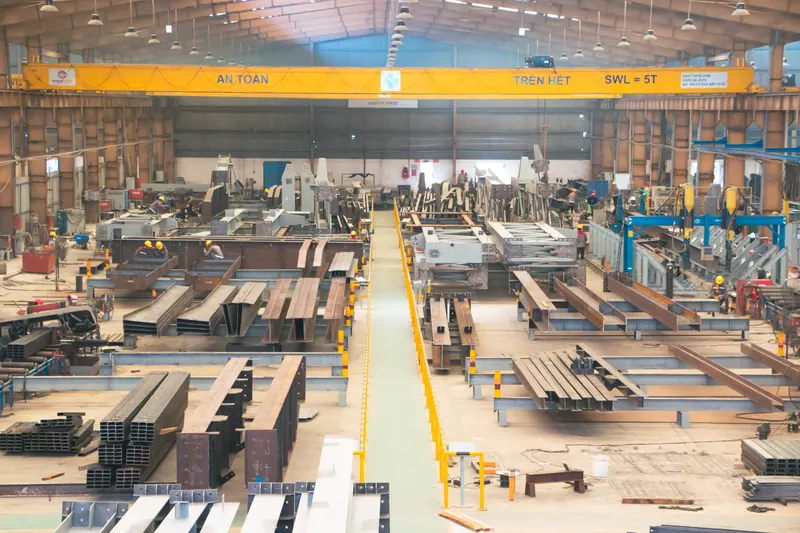
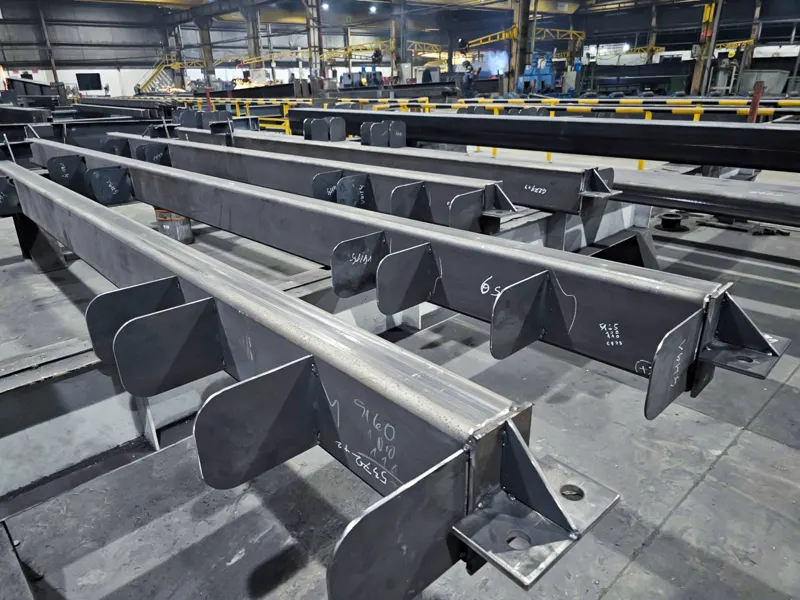
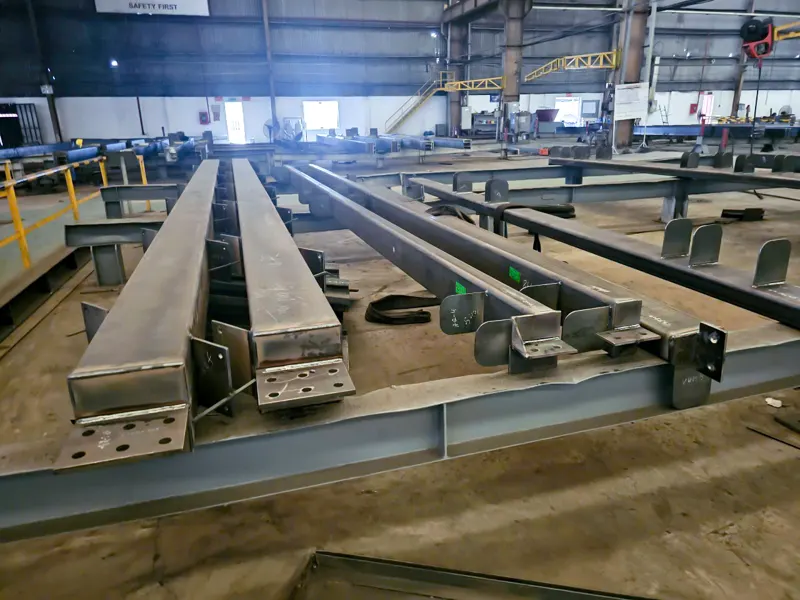
World Steel details all three ways. Under option 3, our engineers design connections that suit our shop's cutting, drilling and welding lines and submit calculations for the Engineer of Record's review. Where a seal is required, the US contractor or a US engineer engaged for that purpose provides it. Write the option into the subcontract and the specification, and the rest of the shop drawing process runs much more smoothly.
Quick answers
Does the fabricator's engineer seal connection calculations?
Under option 3 the specification may require a licensed engineer to seal them. World Steel designs connections and submits calculations; the seal, where required, comes from the US engineer engaged for that purpose.
What reactions should the Engineer of Record give?
Shear, axial and moment reactions, or a clear method such as a percentage of member capacity, plus any transfer forces in braced frames and diaphragms.
Is option 3 cheaper?
Often, because the fabricator chooses connections that suit its shop. But it needs complete reactions and time in the schedule for calculations and review.
Keep building your steel plan
Go further on USPEB.com
Across the US market
- Seismic steel structuresSDC D to F framing for West Coast jobs
- Crane building designUS crane standards for mill and bay buildings
- Design ReportWhat our US-code design report contains
- Large projects, 2,500 t a monthCapacity for large US general contractors
- Contractor partnershipLong-term supply for US contractors
- Send your drawingsGet a steel package quote from your drawings