
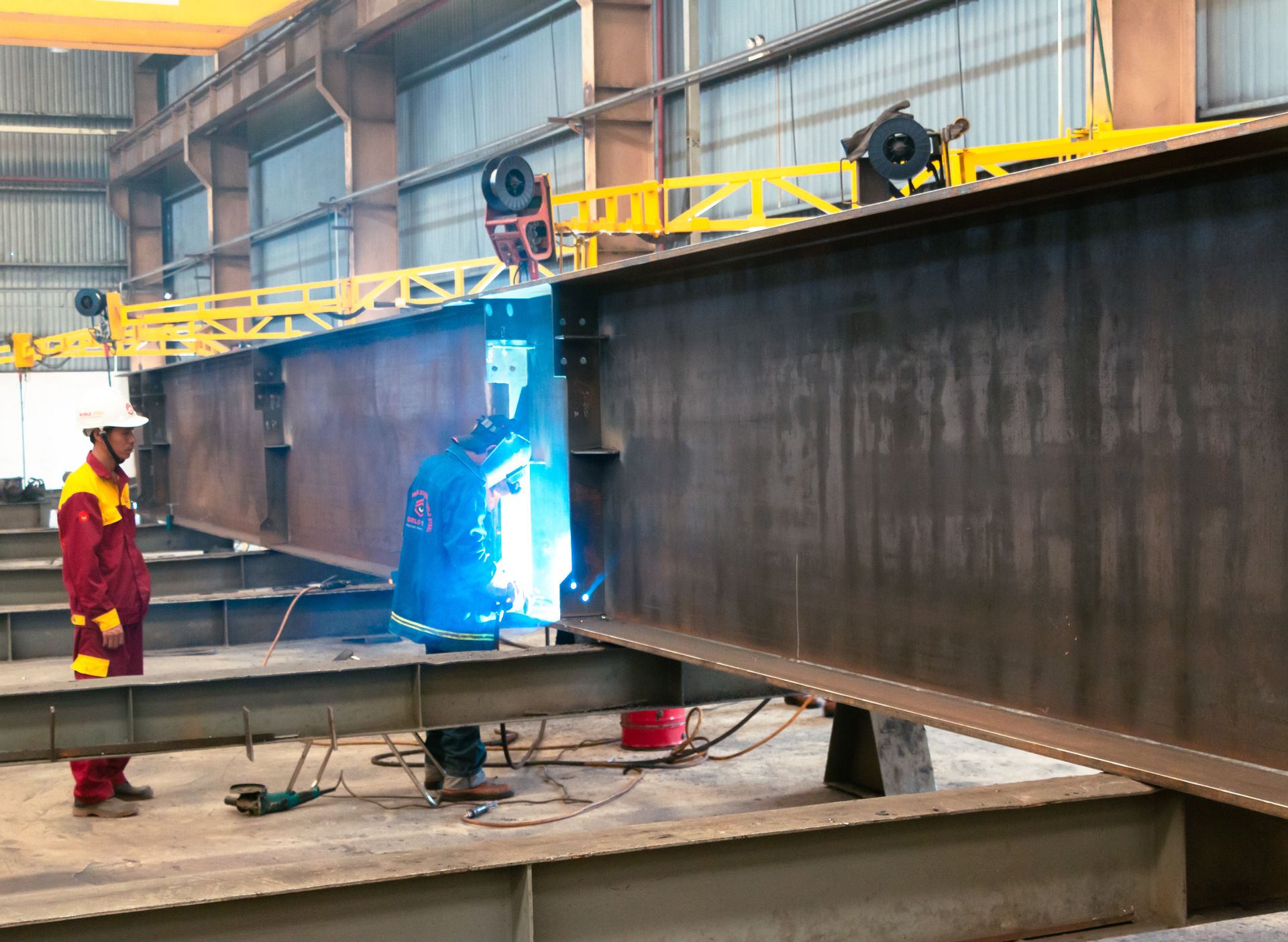
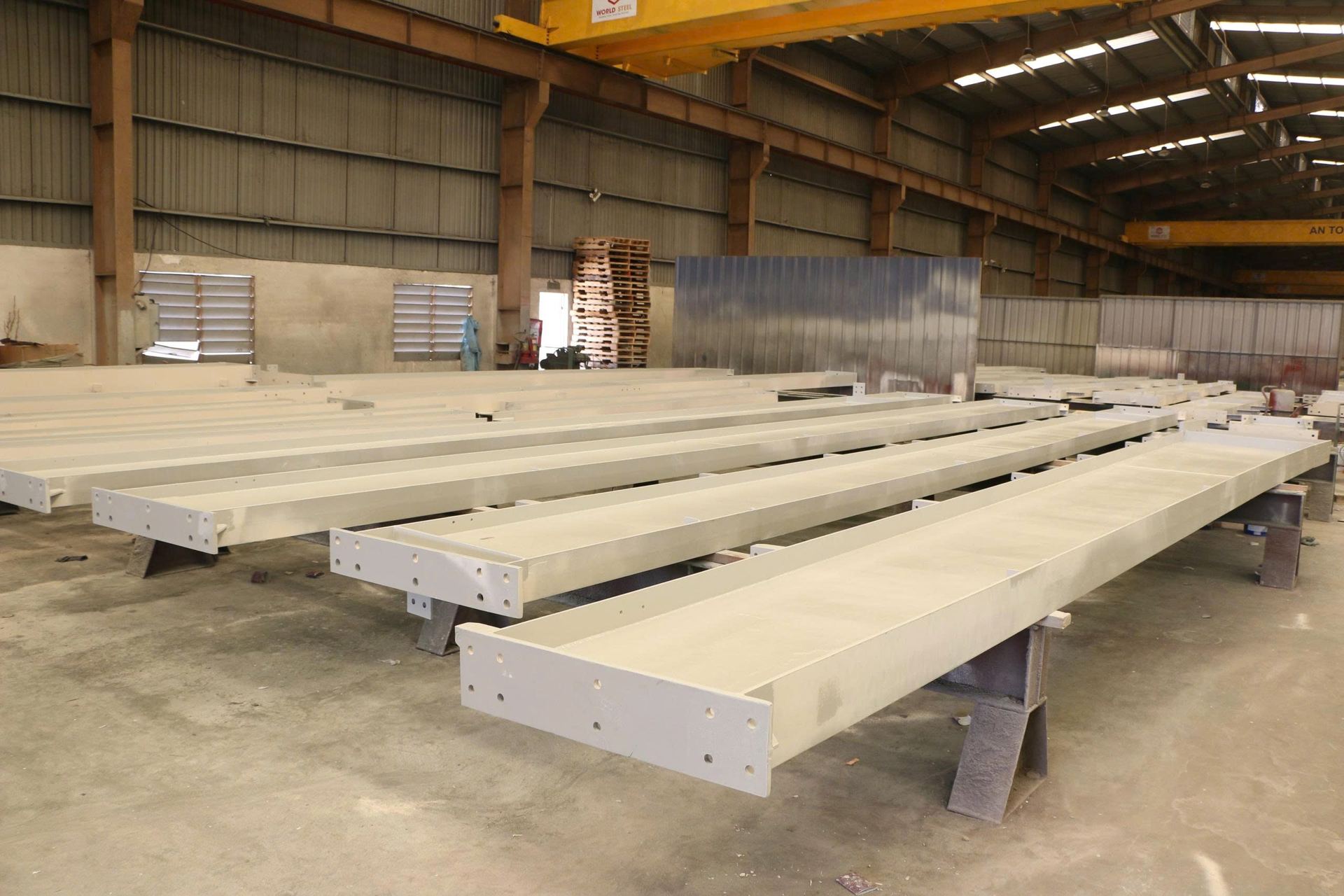
A deep plate girder going through automatic welding at World Steel, Vietnam.
Insights · 5 articles
Pre-engineered buildings for US steel projects
How pre-engineered metal buildings work, when they beat conventional framing and how to specify one.
 Pre-engineered buildings
Mill building girts and purlins: hot-rolled, cold-formed or joists, and the extra loads
Purlins and girts are the lightest steel in a mill, and the most exposed: to falling ice, dust, forklifts, furnace heat and fumes. AIST TR-13 Section 5.11 lists those loads and the choices for each. Here is how to pick the right system.
7 min read · Nov 22, 2026
 Pre-engineered buildings
Mill roof trusses and frame analysis: base fixity, load sharing and work points
Whether a mill roof truss is pinned or fixed to its columns changes the whole frame: column sizes, foundations, drift and the crane rail. AIST TR-13 asks the designer to decide deliberately and analyze accordingly. Here is how.
7 min read · Nov 22, 2026
 Pre-engineered buildings
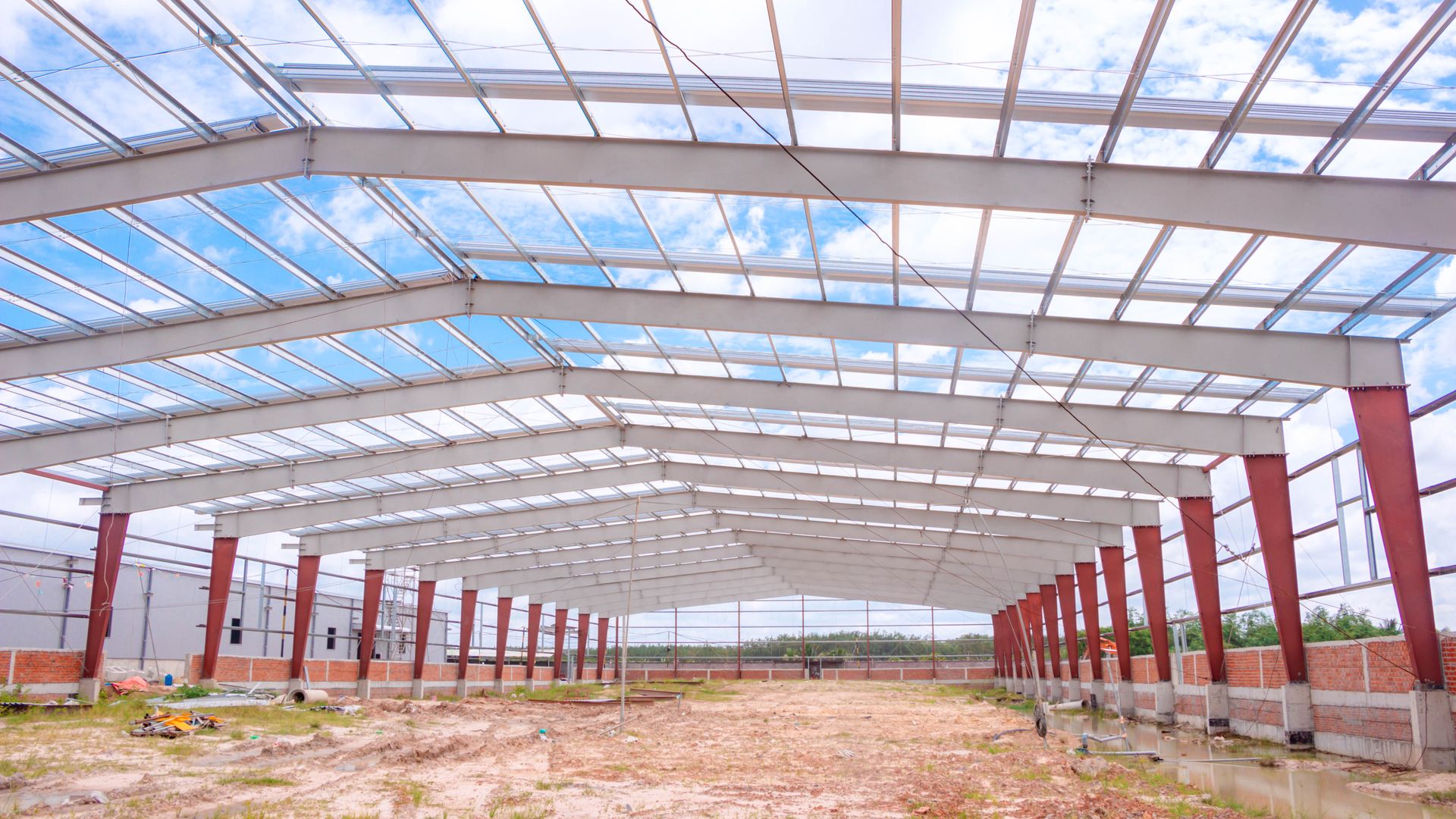
Clear span, multi-span or mono-slope: picking a metal building frame
The frame type sets how wide a metal building can be without interior columns, how much steel it uses and how the roof drains. Here are the main options.
3 min read · Nov 18, 2026
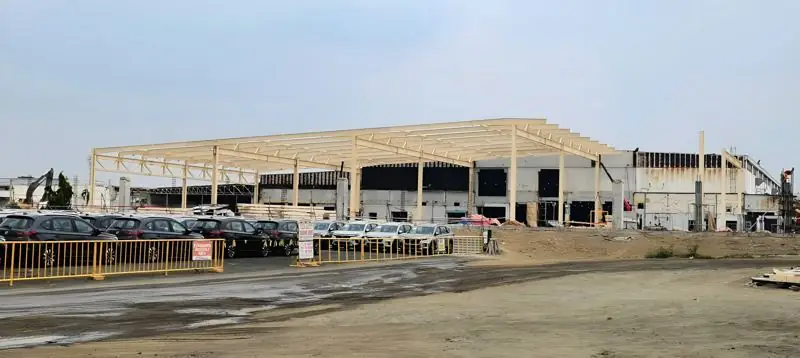 Pre-engineered buildings
How to specify a metal building so every bid prices the same thing
Metal building bids are only comparable when they answer the same specification. This is the checklist that makes them answer it.
3 min read · Nov 18, 2026
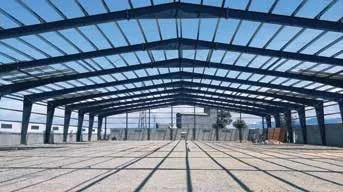 Pre-engineered buildings
Pre-engineered or conventional steel: how to choose for your building
Pre-engineered metal buildings and conventionally framed steel both have a place. The right choice depends on spans, loads, envelope and how the design is procured.
3 min read · Nov 18, 2026
Bidding a large US project?
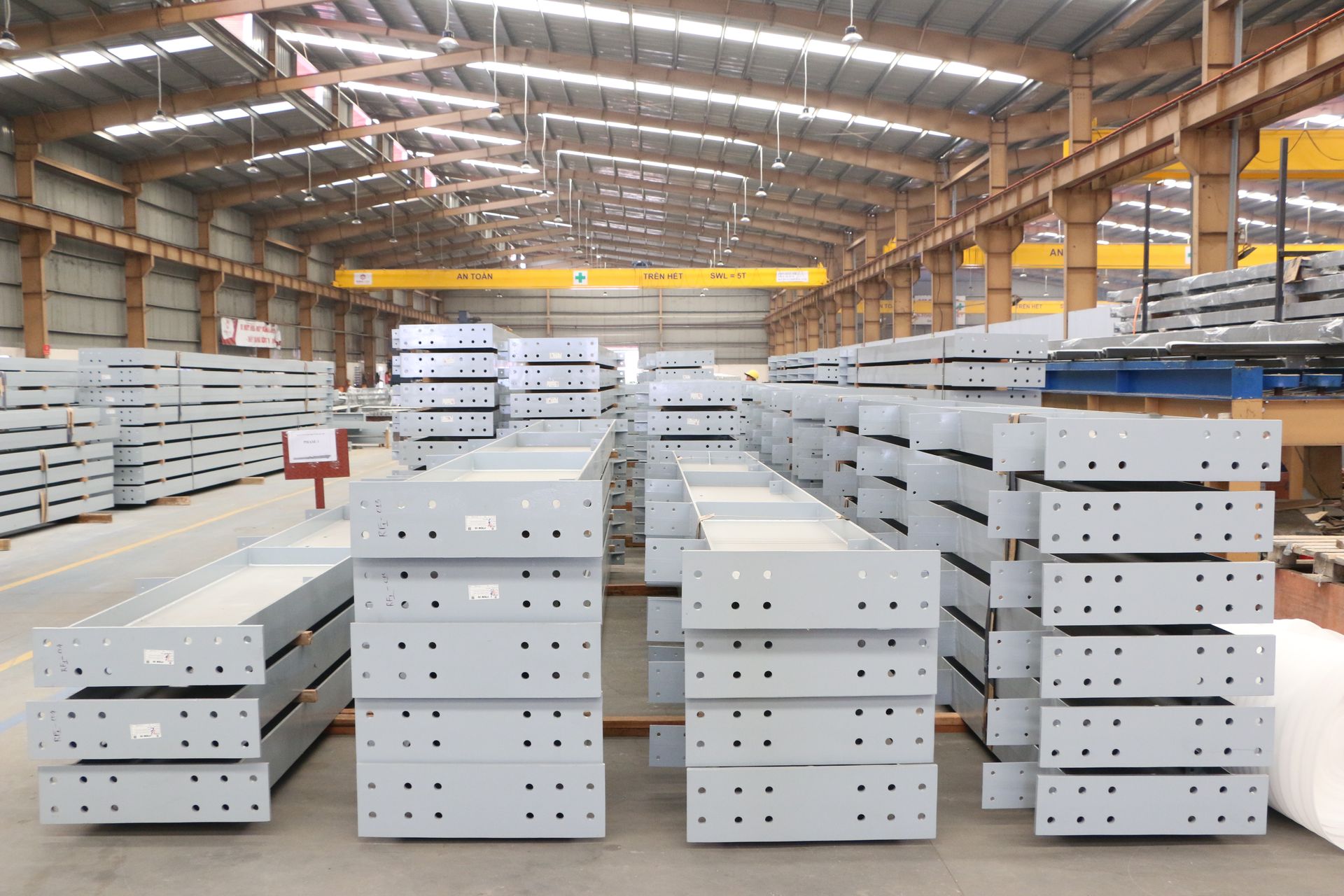
Send the bid documents, or just a footprint and an address. Our engineers check them against US code requirements and confirm what World Steel would supply, from a plant that fabricates 2,500 metric tons of structural steel a month.